Goal: Handcraft skills and how to combine them into nature
I decided to develop my 3rd idea, nature x handcraft,
In phase 1, I researched about different kinds of handcrafts and how I imagined them into nature, for phase 2, I am going to have a deeper research about specific crafts that I am interested in
1. Beading
Before beads becoming an imaginative handcraft, it has been commonly used globally from B.C. ancient periods, and each continent has their unique style and usage
Asia: Beads are used for clothing, weapons and indication of social and economic status.
America : Beads are used for clothing decorations
Europe: Beads are used as decoration for religious ceremony items
Africa: Beads are materials for ceremonial accessories, conveying status and trading
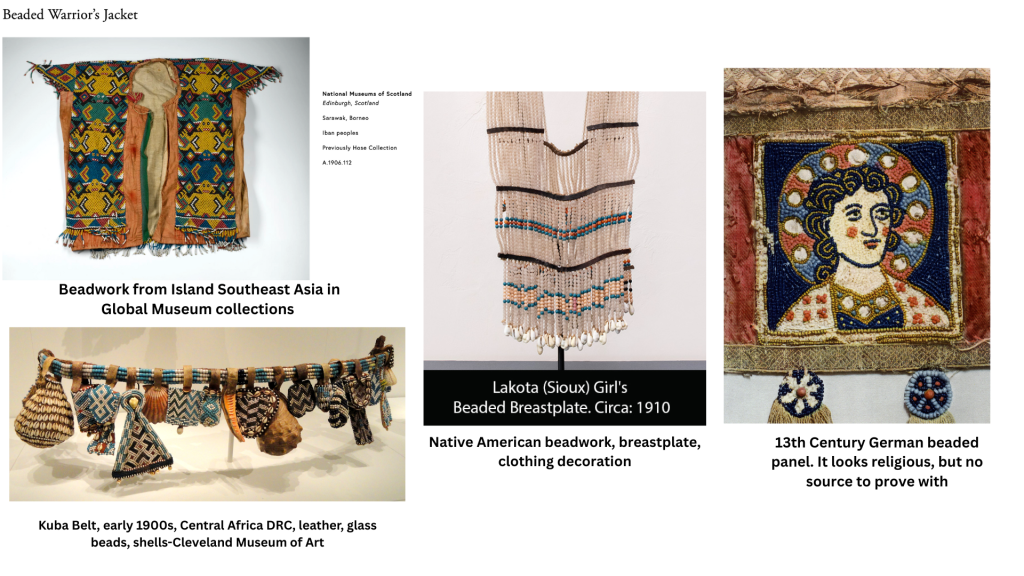
And now, beads have become a decorative handcraft with
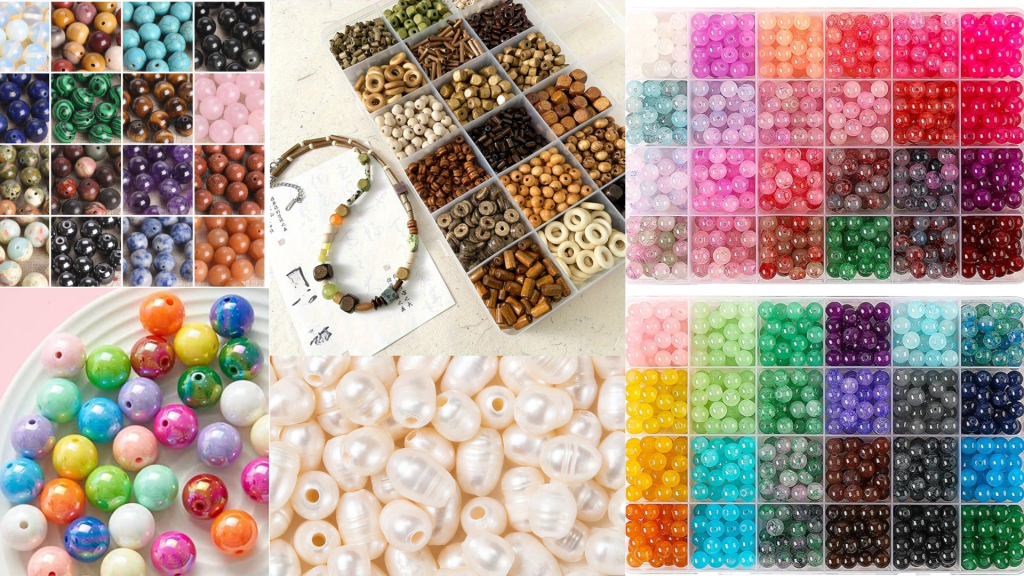
- Different materials: there are stone beads, wooden beads, plastic beads, stone beads, acrylic beads, crystal beads
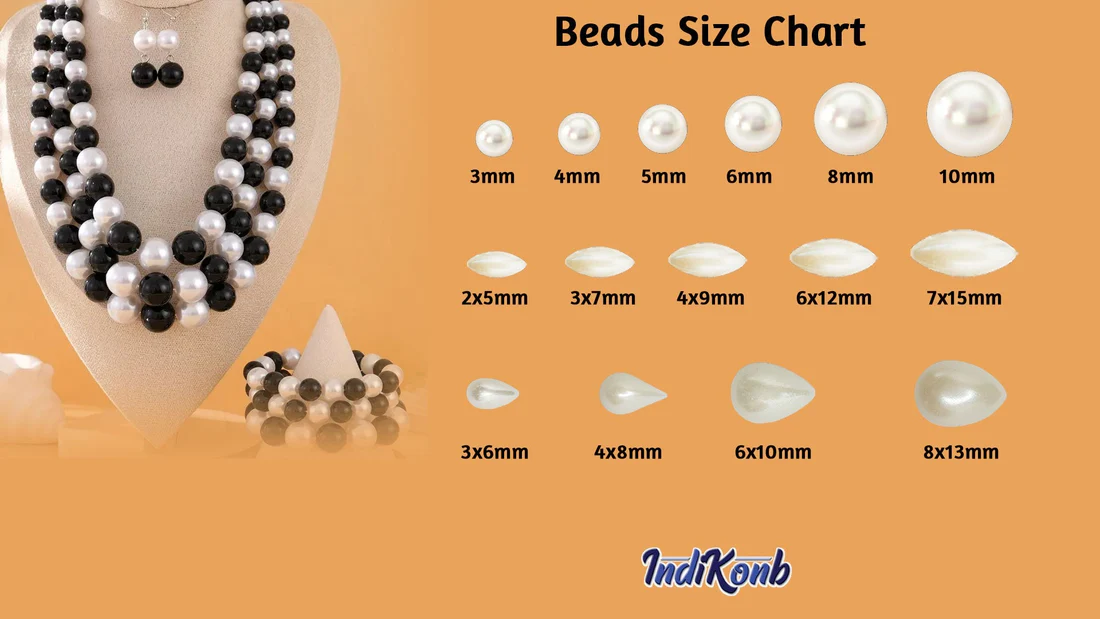
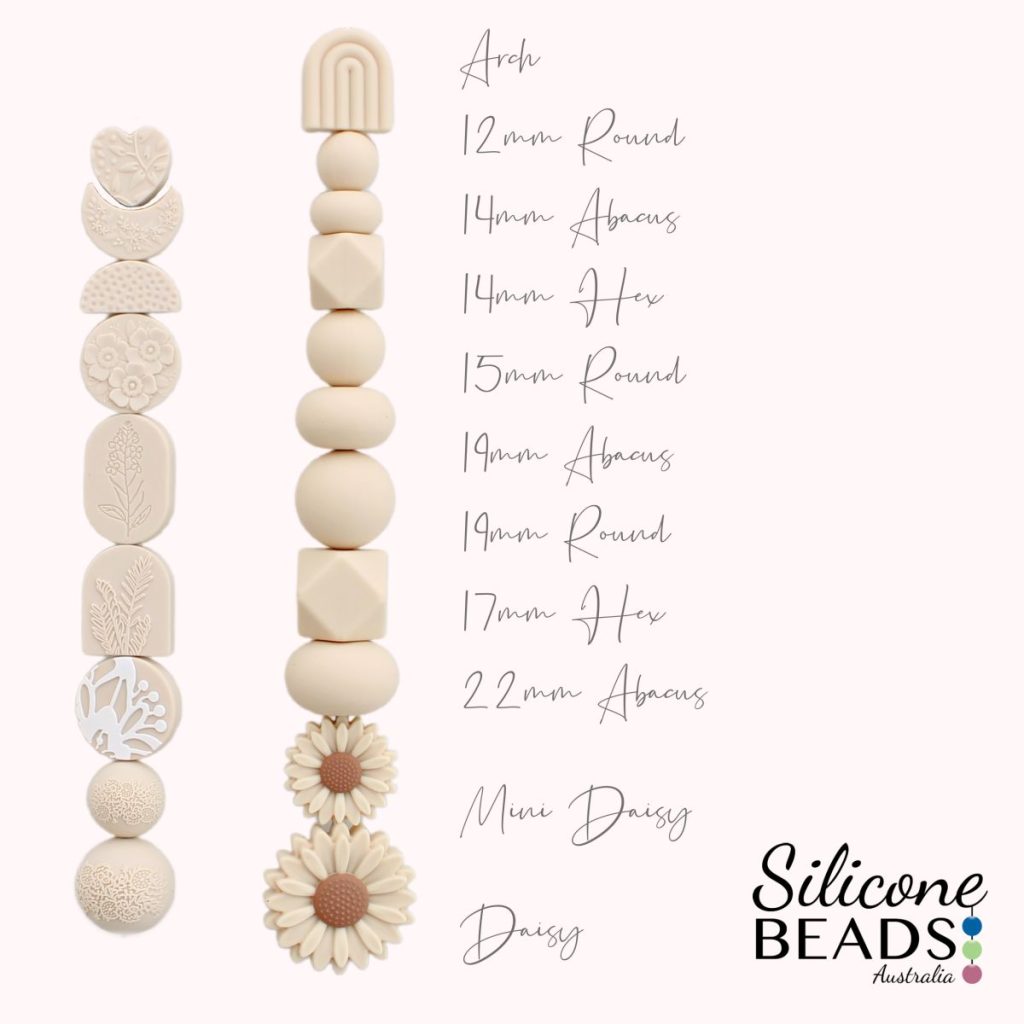
- Different types/ shapes : there are round beads, cylinder beads, bicone beads, rondelle beads, cube beads, oval beads, tear drop beads, chip beads, heishi beads, bi-bo beads, tri- beads and more
- Different sizes : Pony beads (large), seed beads (tiny sizes) and more
Beads sizes charts
Beads materials
2. Weaving
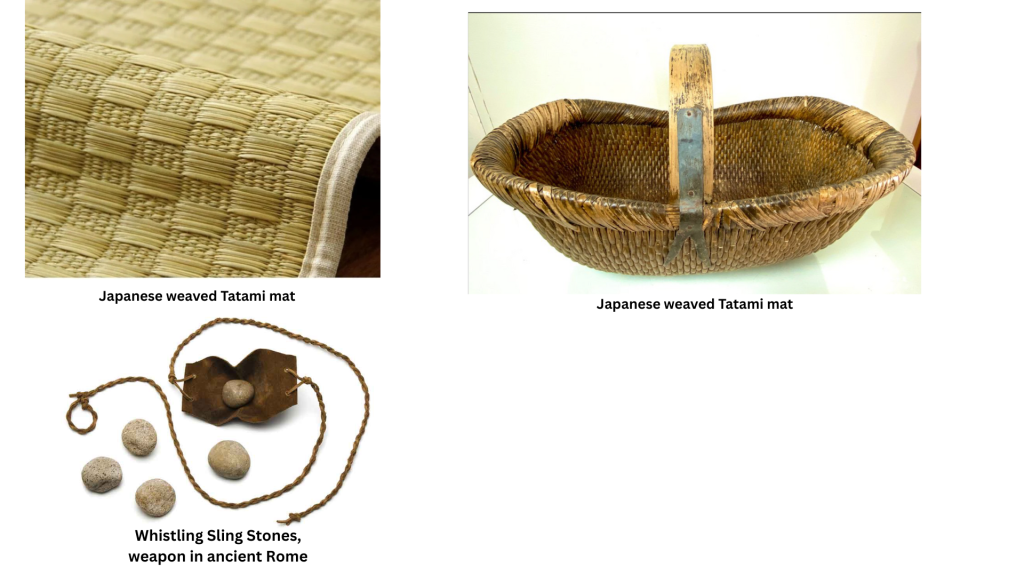
Weaving is a textile method to weave with strips of leather by hands to create distinctive patterns. It is one of the most important craft to human, in Asia’s ancient period, people used to create weapons, baskets, bamboo mattresses with weaving technique.
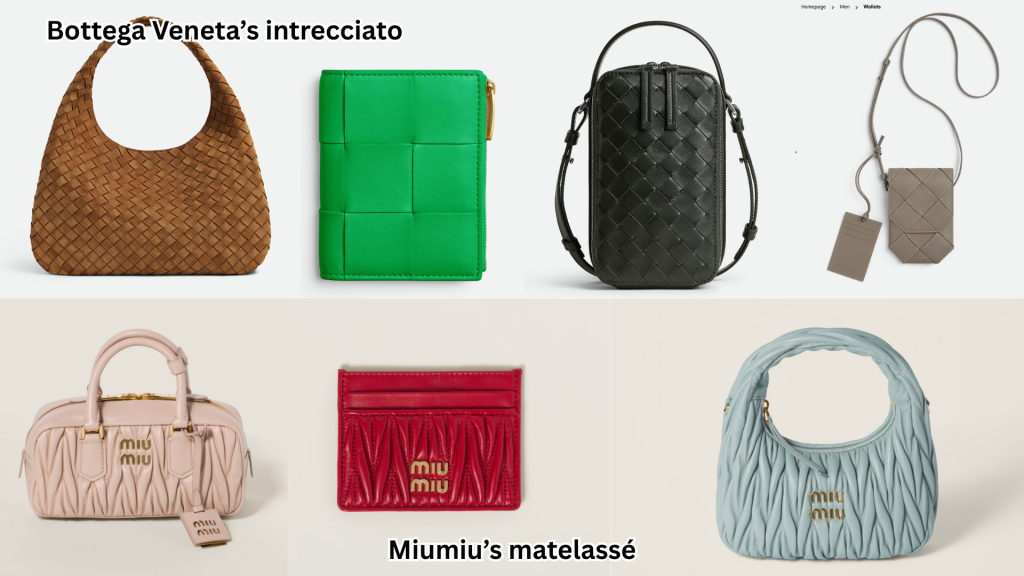
Till Morden days, weaved craft are still very common and popular. Making luxury brand “Bottega Veneta” as example, they are famous for it’s unique weaving method- intrecciato. They weave leather strips towards each other to square shapes.
Another luxury brand Miumiu, also includes weaving technique “matelassé” in their bag and wallet designs and this design is popular among young girls
3. Bobbin lace
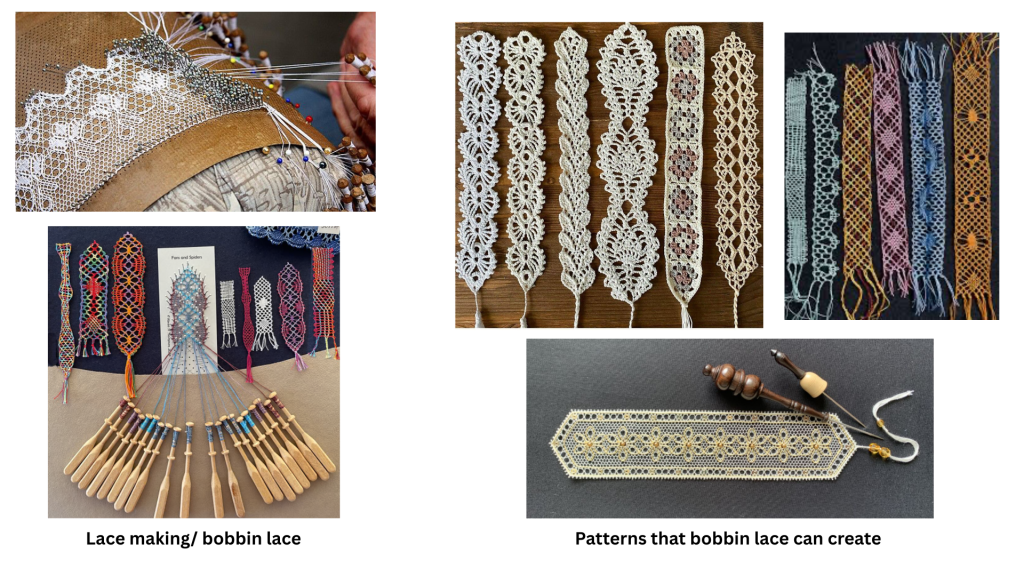
Bobbin lace is first known as a delicate textile craft. It is to twist and cross threads wound with a tool call bobbin (minimum 12 required) on a pillow to create intricate patterns. With its time consuming and complex making process, it was only available for the privileged class in the 15th century Italy, laces are always seen as a symbol of luxury and elegance.
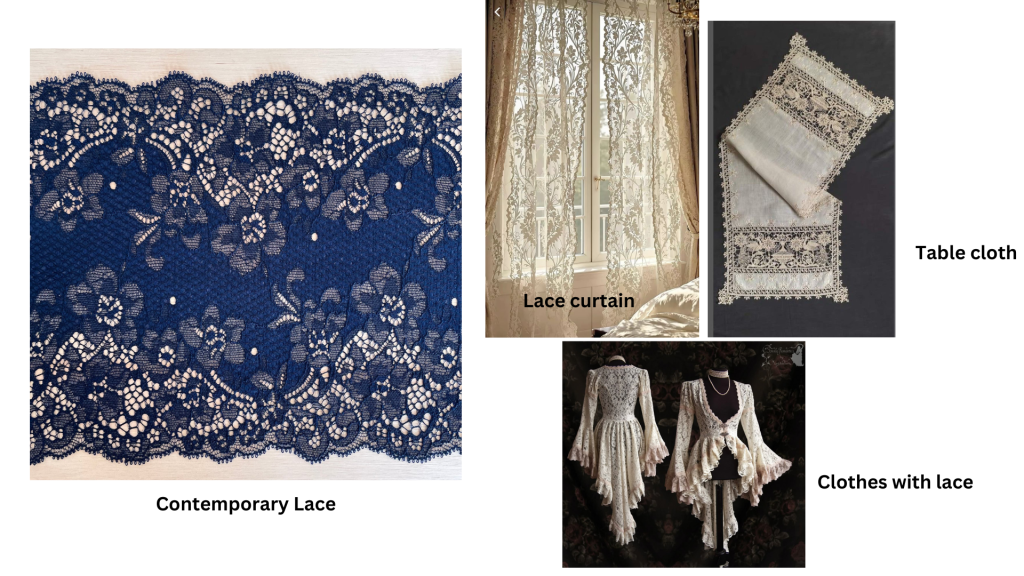
Contemporary Lace
With the development of technology, laces are no longer time consuming and require advanced skills to make. Modern lace a.k.a contemporary lace, can be made by machine, with low cost and high efficiency.
Since lace is no longer luxurious and with its beauty, contemporary lace is dominating the market, we can see lace everywhere, they are on our clothes, table liners or window curtain.
4. Sewing
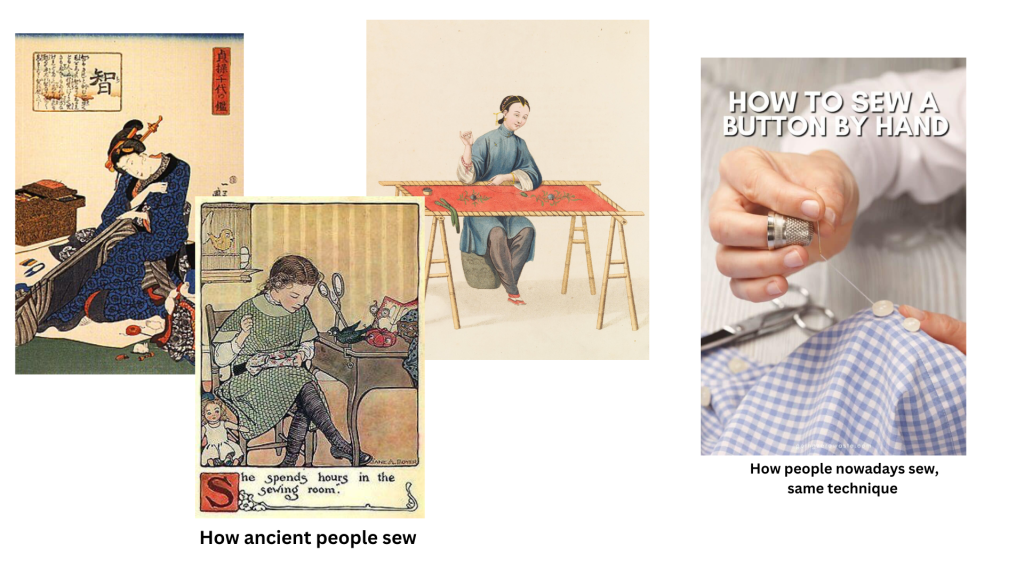
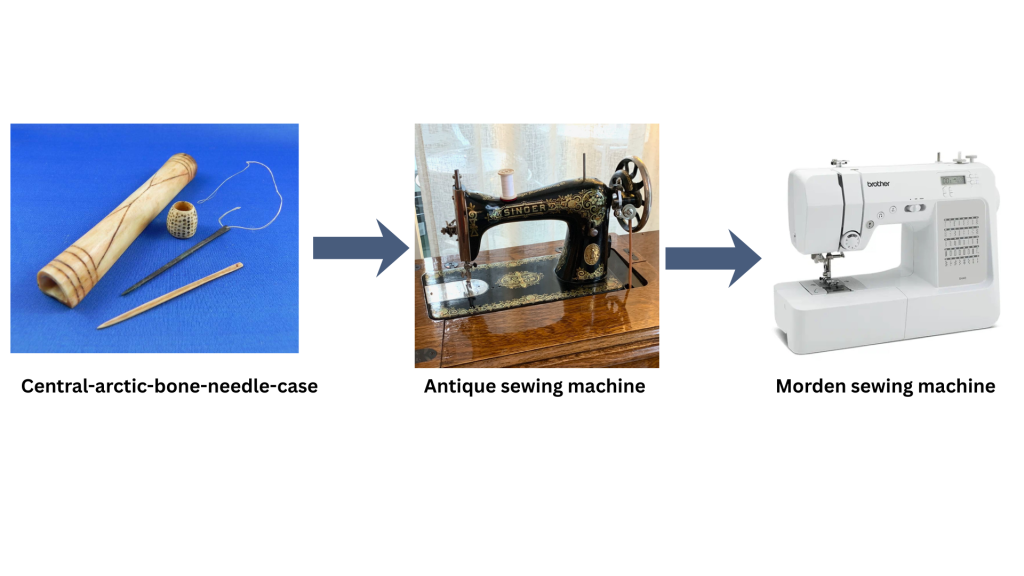
Same as beads, sewing has been a fundamental skill of human culture since ancient period in all around the world until now. According to Infinite Modesty’s “The history of sewing”- “Early human used bone needles and plant fibers to stitch together animal hides, creating rudimentary clothing and shelter.” And now, people still sew to make or repair clothing for our daily wear
The difference between sewing and other handcraft is that sewing is always “a needle and a thread”. No matter how technology has been developed, sewing machine or factories still need needles and threads complete sewing and ordinary families still holds a needle and a thread to repair their buttons of their shirt, just like how ancient human did.
Stitches
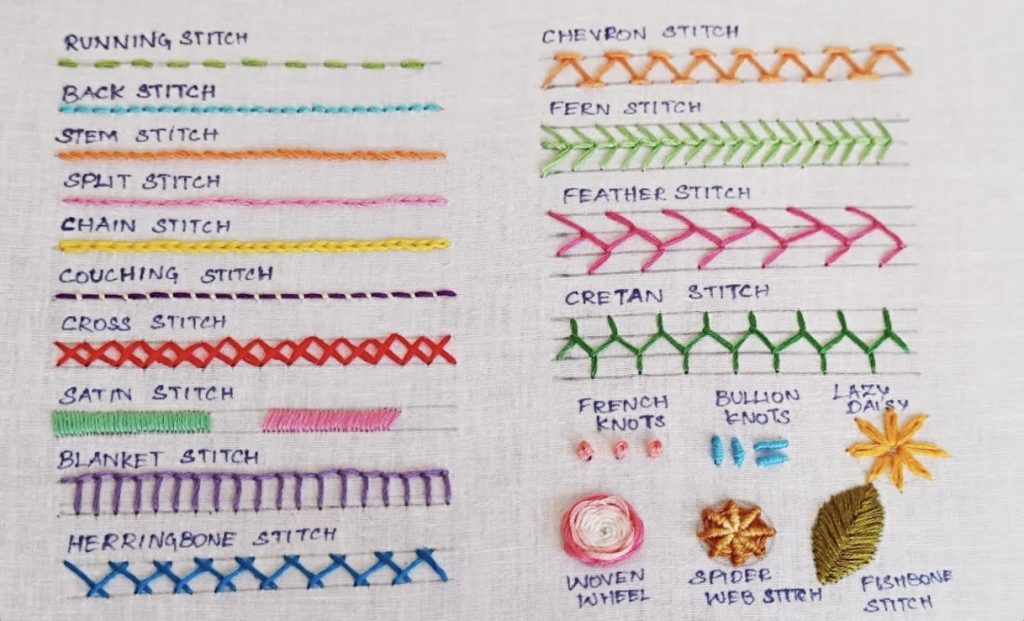
Stitches are patterns that form with sewing, there are
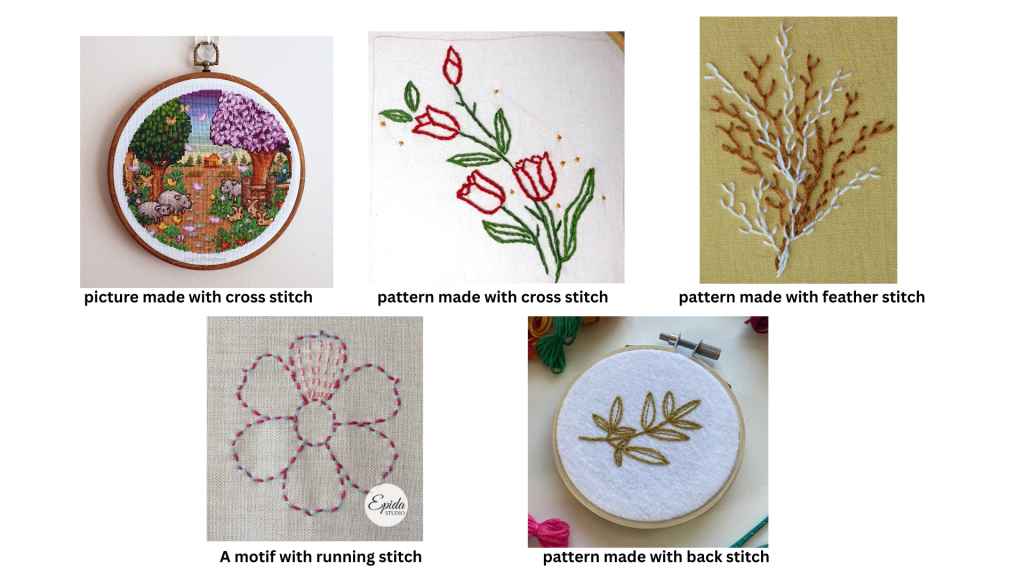
Running stitch: A must learn technique for sewing beginner, and is the most common stitch of all time
Cross stitch: An easy to learn small “X” shaped stitch, people use this technique for creating pictures
Feather stitch: A branch-like pattern stitch, it reminds people of leaf, vine and bird’s footprints, which is commonly used for decorative patterns.
Back stitch: Looks similar to running stitch but the pattern looks way more complex at the back of the cloth, to strongly connect fabrics together
Stem stitch: a stitch that resembles a rope /stem line pattern, it also creates a 3D effect on clothes, it is commonly used to create smooth curve lines
And more
Experimental work-
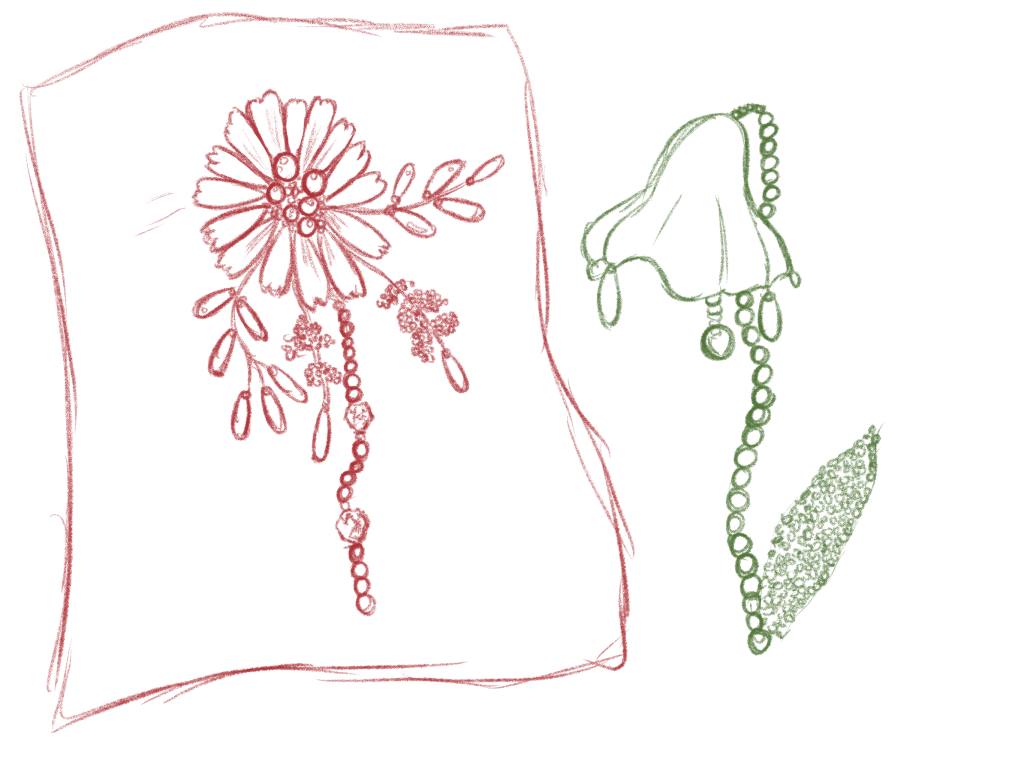
1. Beading- glass bead flower 2D (on a cloth) and 3D craft
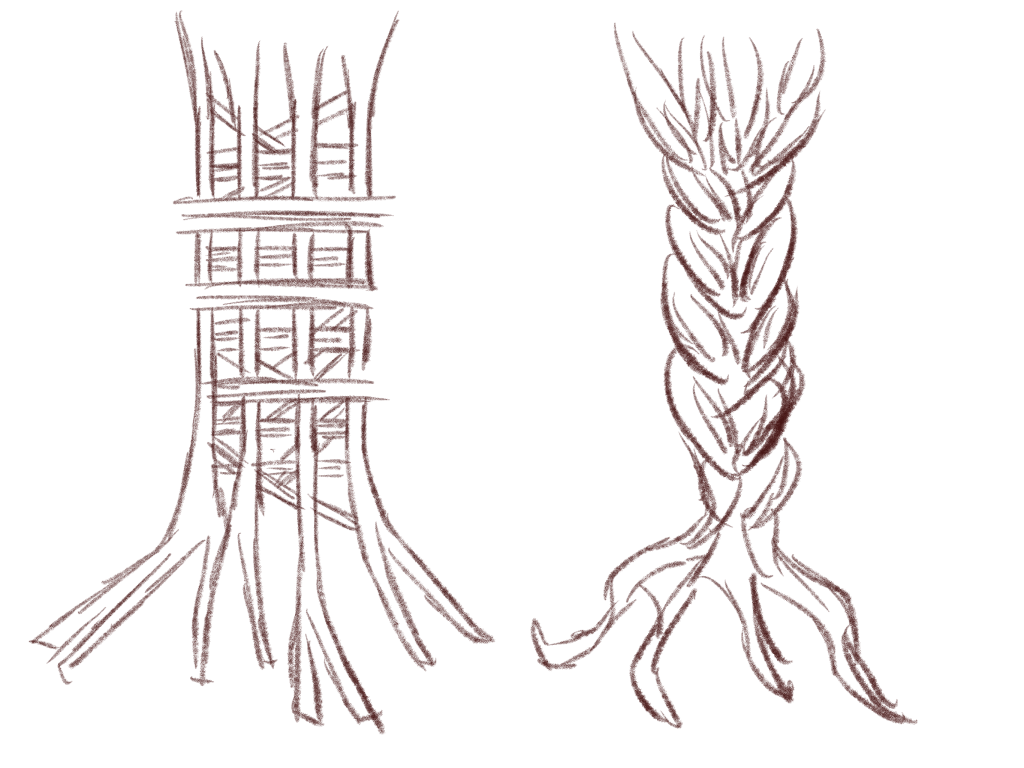
2. Weaving- weaved tree barks
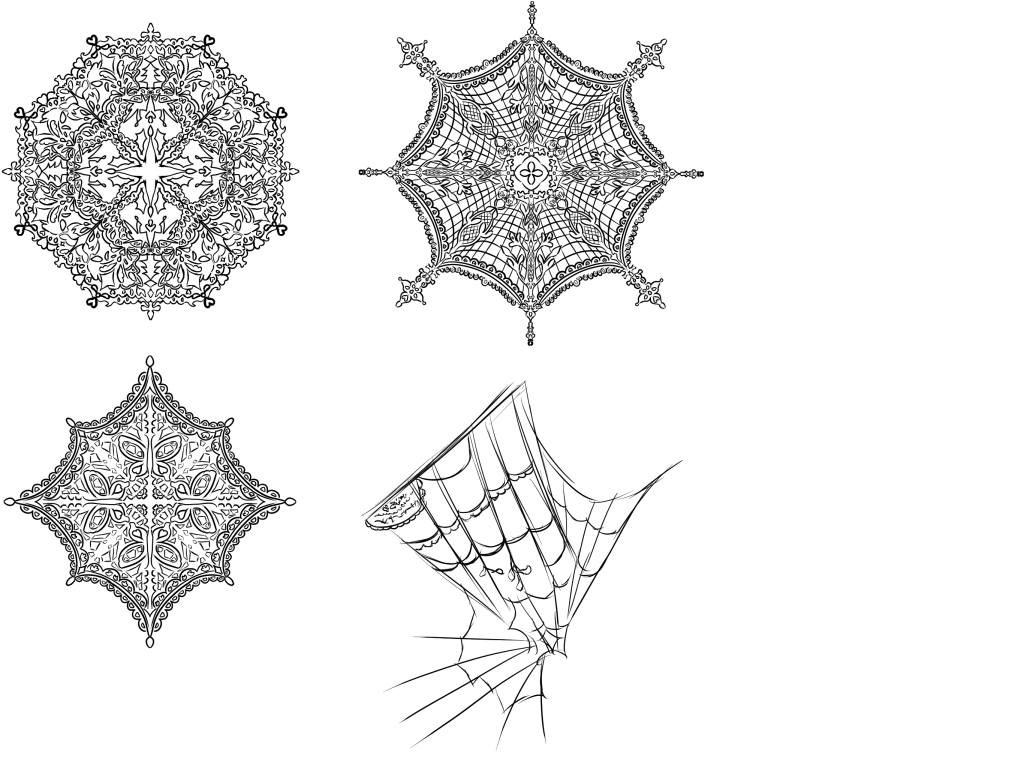
3. Bobbin lace- lace spider web patterns
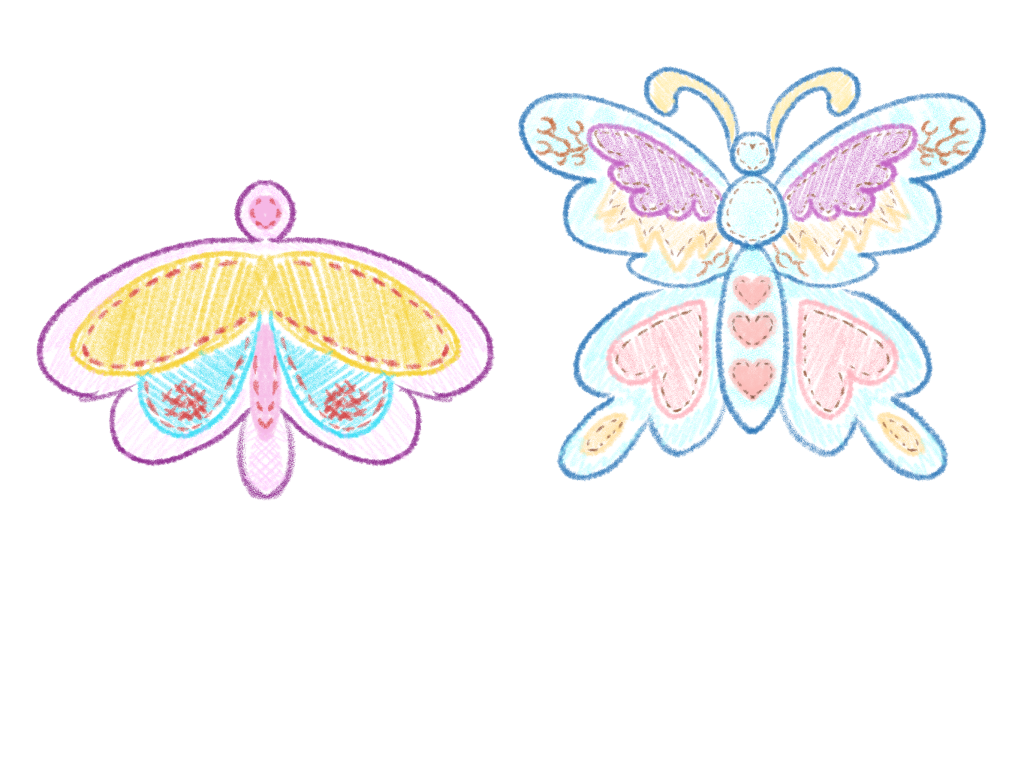
4. Sewing-applique butterflies
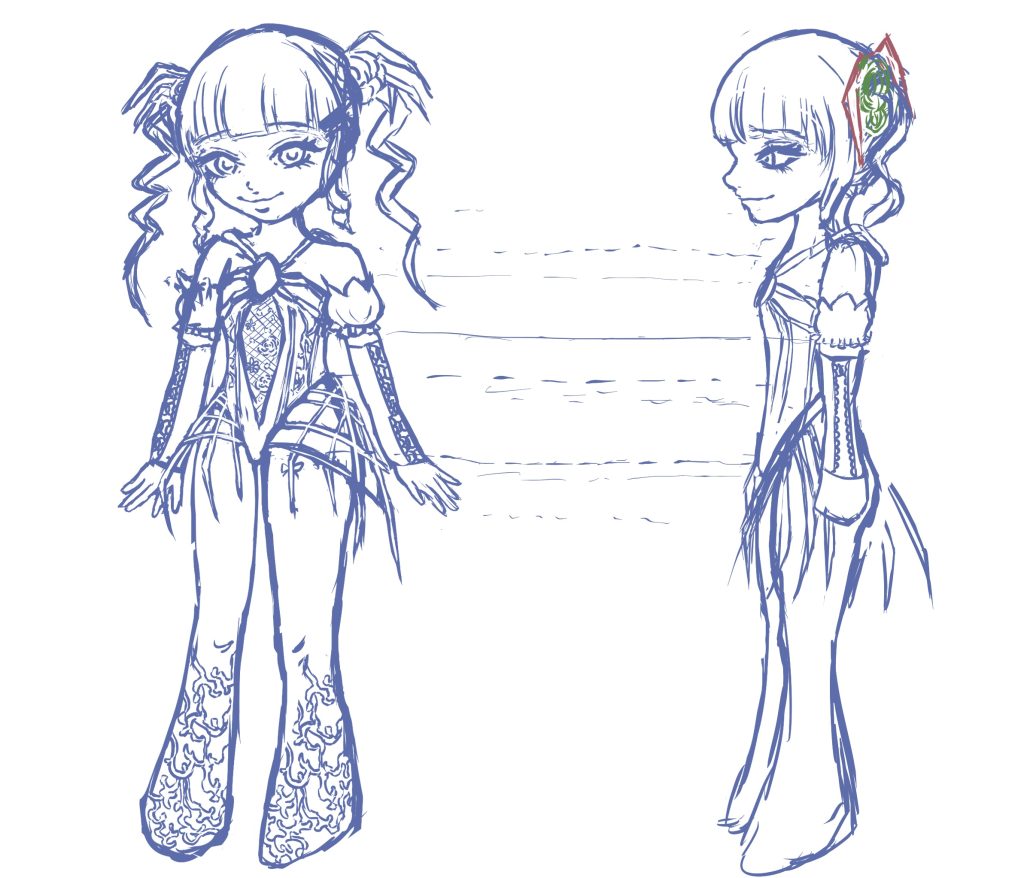
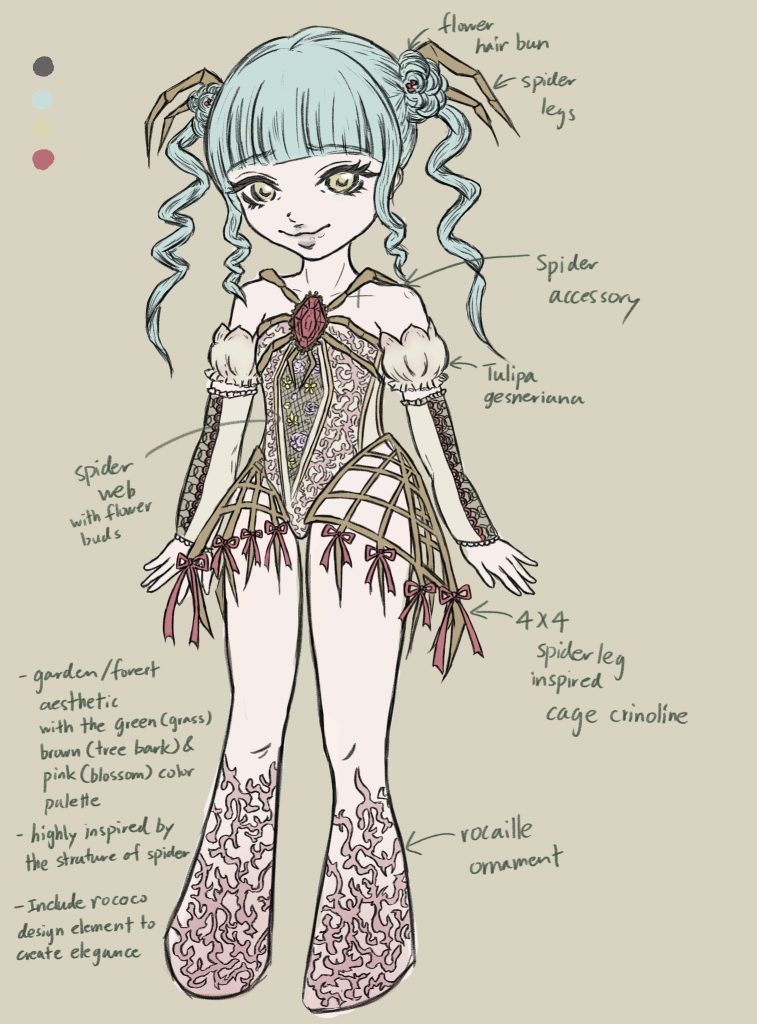
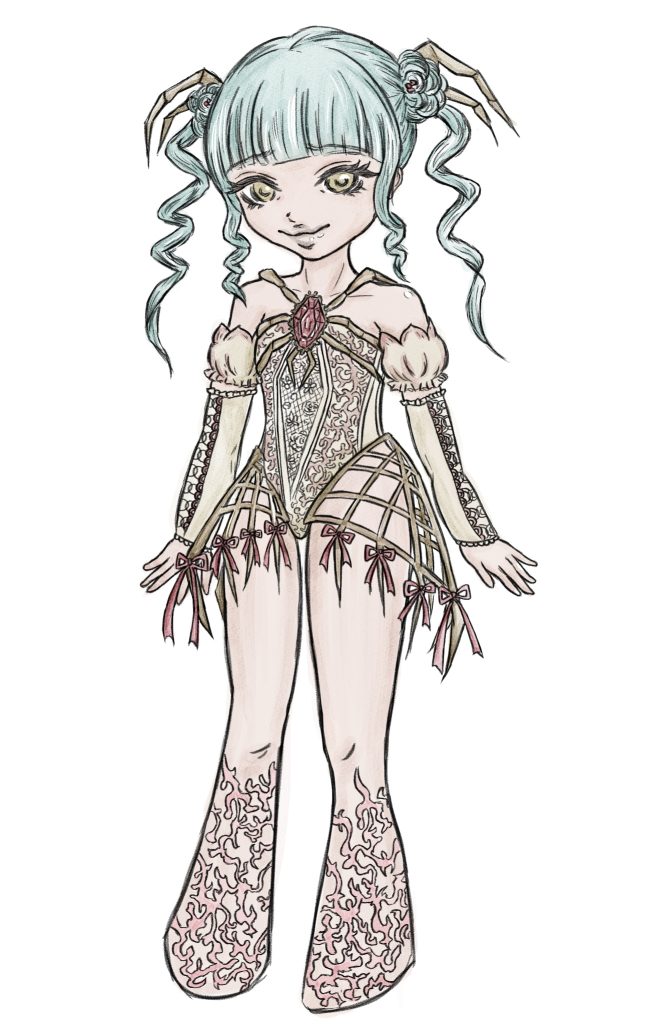
Character design
I am trying to make a character to test with nature x fashion at well. For character designs, I would like to make nature elements into fashion instead.
About this character
- Living in the lace spider webs fantasy world
- Highly inspired by the structure of spider
- Villain
- A rose with thrones (people will fooled by her beauty at first, slowly they will find out she is evil)
Sketch work
Colored version with description of how the structure of nature applied to the design / Watercolored version
Introduction of different shapes/size of beads
Introduction of different material beads
Source of the origin of beading
Source of Beadwork from Island Southeast Asia in Global Museum collections
https://www.artoftheancestors.com/blog/beadwork-island-southeast-asia
Source of ancient American beadwork
Source of African beads history
https://www.contemporary-african-art.com/african-beads-and-beading.html
History of weaving
https://www.shivtextiles.co.uk/post/a-timeline-of-the-history-of-weaving
Detail introduction of lace making
https://heritagecrafts.org.uk/craft/lace-making-bobbin-lace/
The history of sewing
https://www.infinitemodestydesigns.com/post/the-history-of-sewing