

It feels like hardly any time at all has passed since I started my first year of university. Now, beginning my third, I have returned with a lot of vigour to begin our new projects and see where my decisions at university takes me.
To add to this enthusiasm, we’re finally able to begin our classes in the highly anticipated Capital House! I’m very lucky to be able to work somewhere so new and curated; it’s completely tailored to our needs as media students.
I have purchased a little sketchbook to absorb the bulk of my pen and paper brainstorming, as well as any notes I take. Maybe it’s a little too small, but it feels cosy to use nonetheless.
The pace of the semester is very quick. I can’t afford to get left behind. So I wanted to get into the brainstorming process straight-away regarding our new project. “What exactly must be done?” I hear the disembodied voice of the reader ask. No worries, I’ll explain it to you!
Game Design Bootcamp
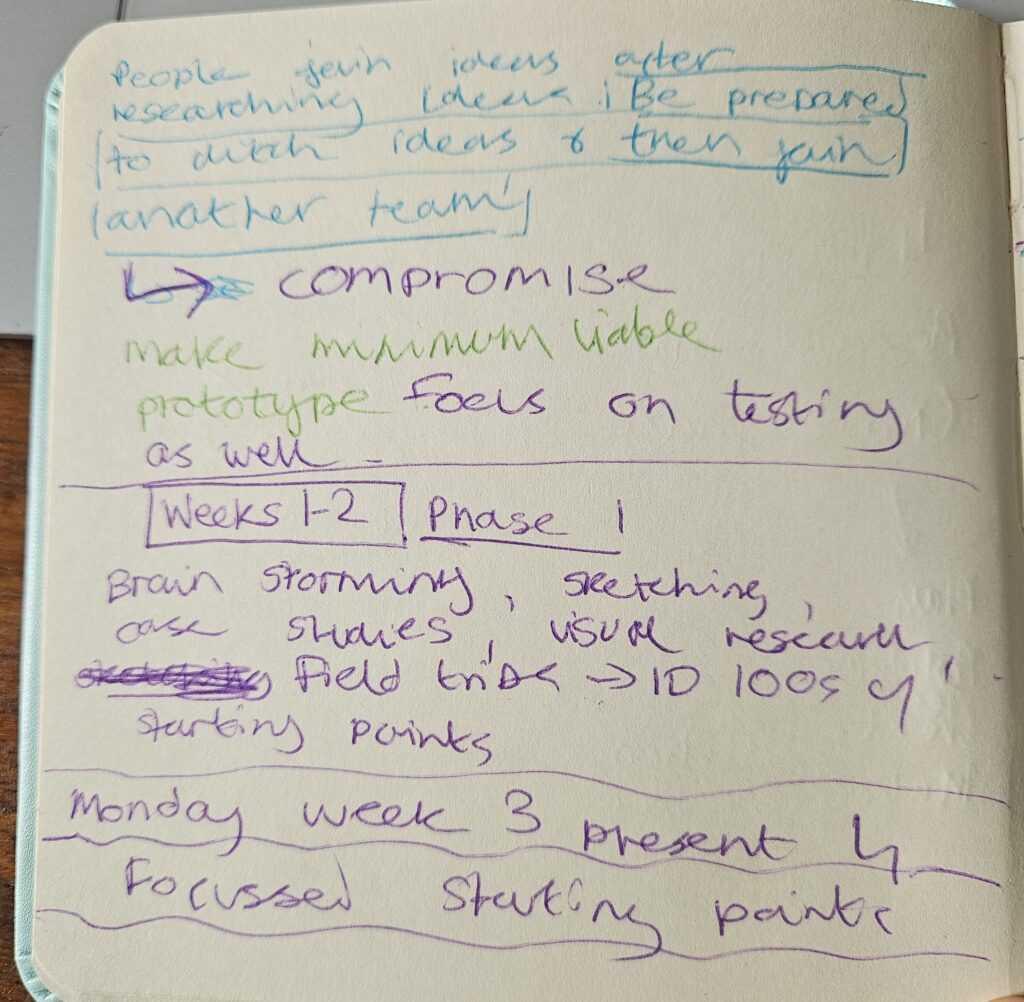
The initial two weeks, “Phase I” are dedicated to researching four topics of our choosing in order to create a framework of knowledge to proceed with the next steps. This culminates into a presentation of the four different topics. We are hardly thinking about games at this stage, only the things we want to learn.
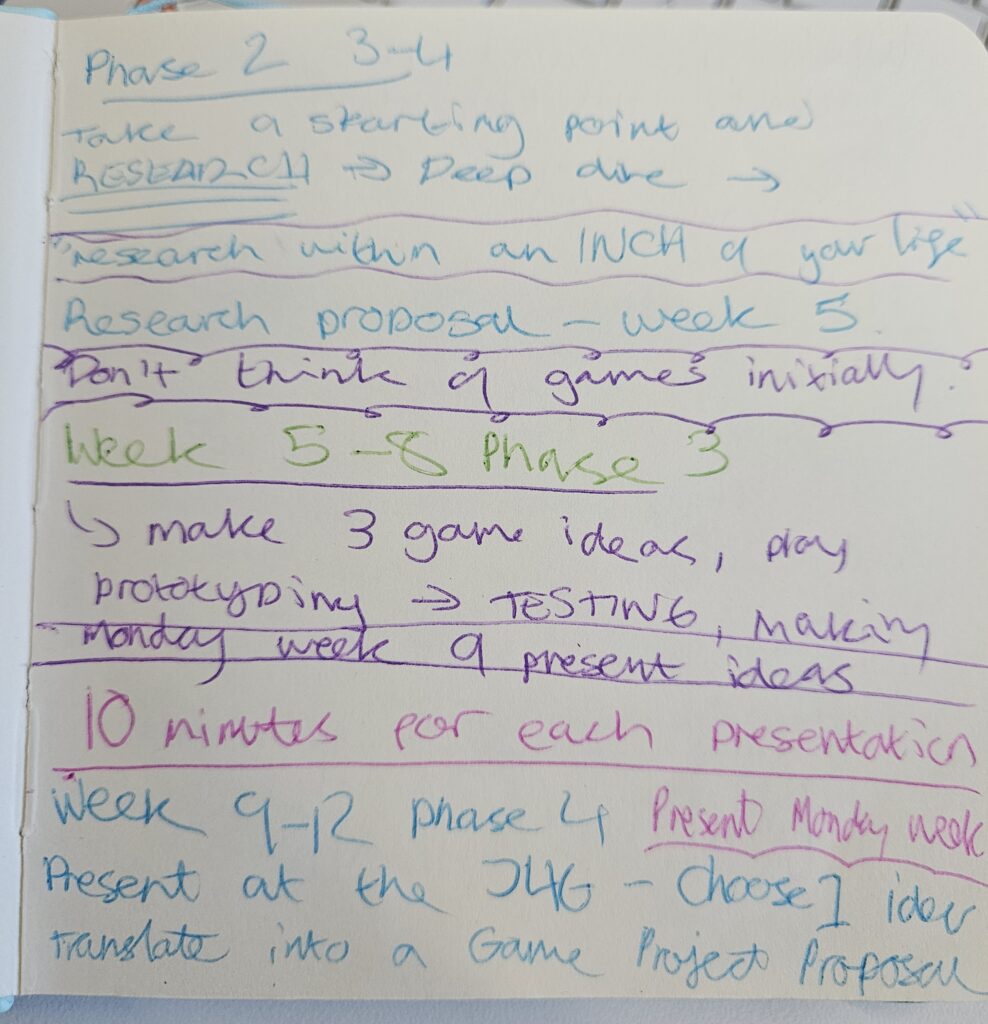
Phase II, weeks three to four, is where we extract one of these four starting points and “research within an inch of our life.” On the Monday of week five, we need to present our findings in yet another powerpoint.
Weeks five to eight is Phase III, and this is where we finally return to games. We will work on three game ideas, which involves prototyping, playing, testing and generally getting our hands dirty. Then commencing Week nine, we do yet another presentation of our game ideas.
Finally, we reach week nine to twelve. This ends in a presentation at the John Hansard Gallery. We will take one of the ideas we created and translate it into the a game project proposal, which will be presented on the Monday of week eleven. The final hand-in will be the 11th.
So a lot to do, with no room to procrastinate. Managing my time and holding myself accountable will be key. As a skill, it’s something I’ve been managing on account of unmedicated ADHD affecting my executive function. However, it is not really something I worry about, as for some fortunate reason it’s within my control.
For my four research topics I wanted to choose subject matter that was already intriguing to me and I would be motivated to learn about. Work smarter, not harder as they say. My interests are very broad but I love the natural world and their processes as we are constantly immersed in it, even when human beings try to elevate themselves from it.
We did some exploration in class through specific mind maps in order to get out gears turning. Adam asked us to list as many things as possible that made us cry, laugh, angry, excited, interested and intellectually stimulated us.
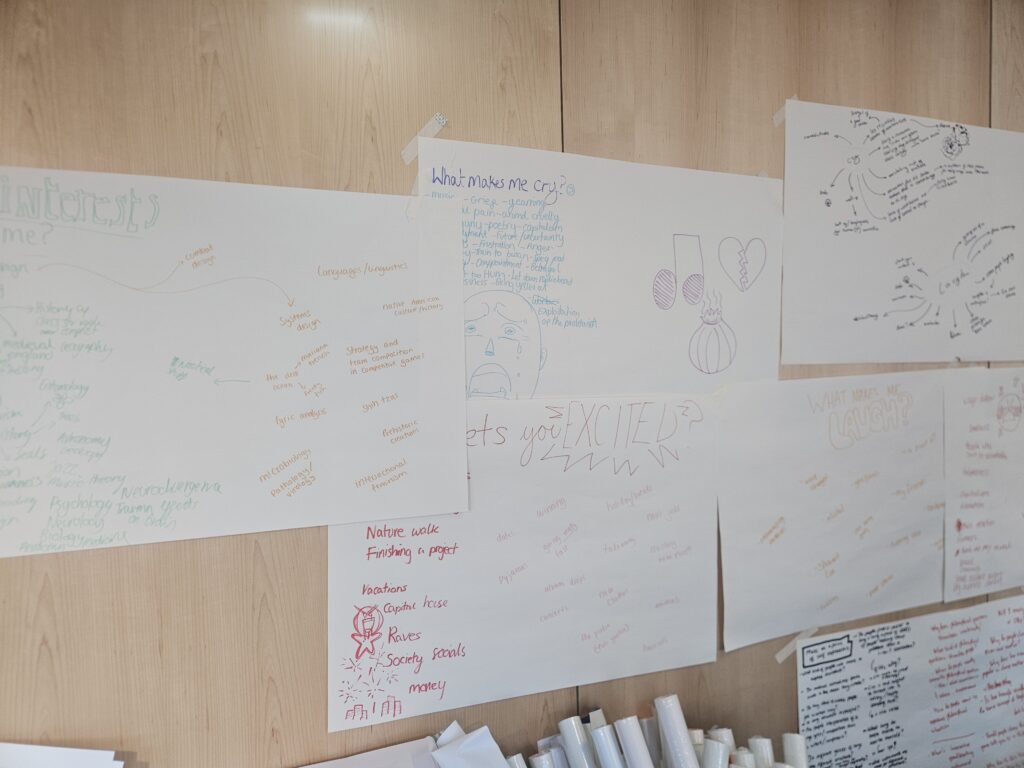
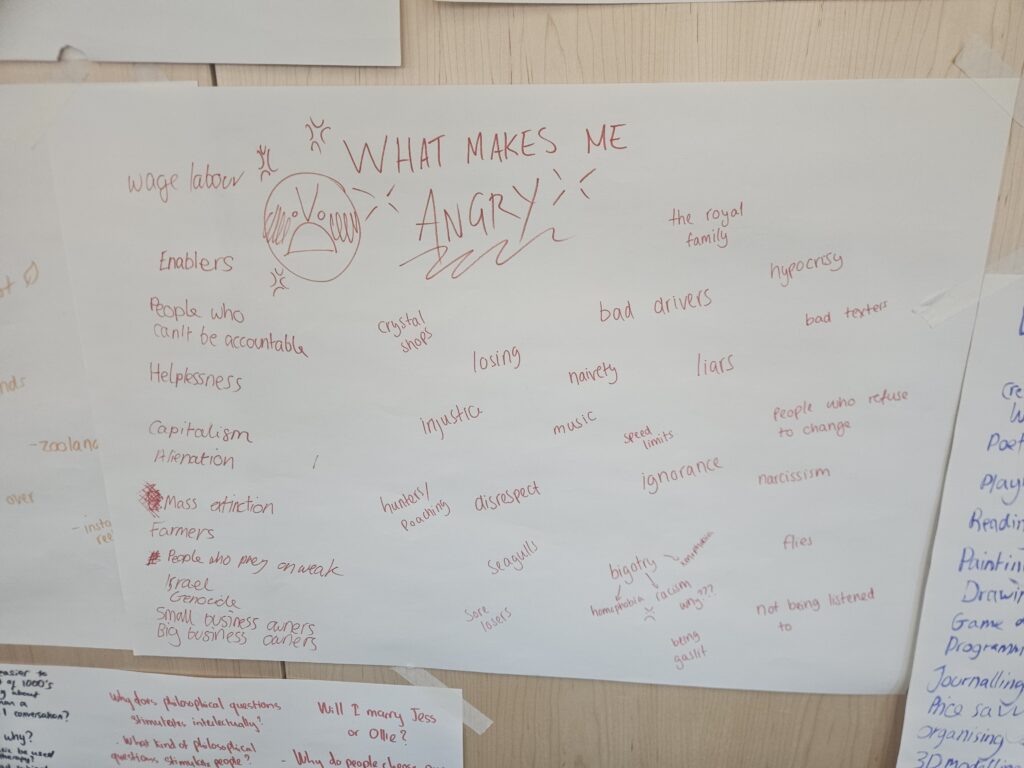
Then we chose two topics that we listed and drew some further ideas from them.
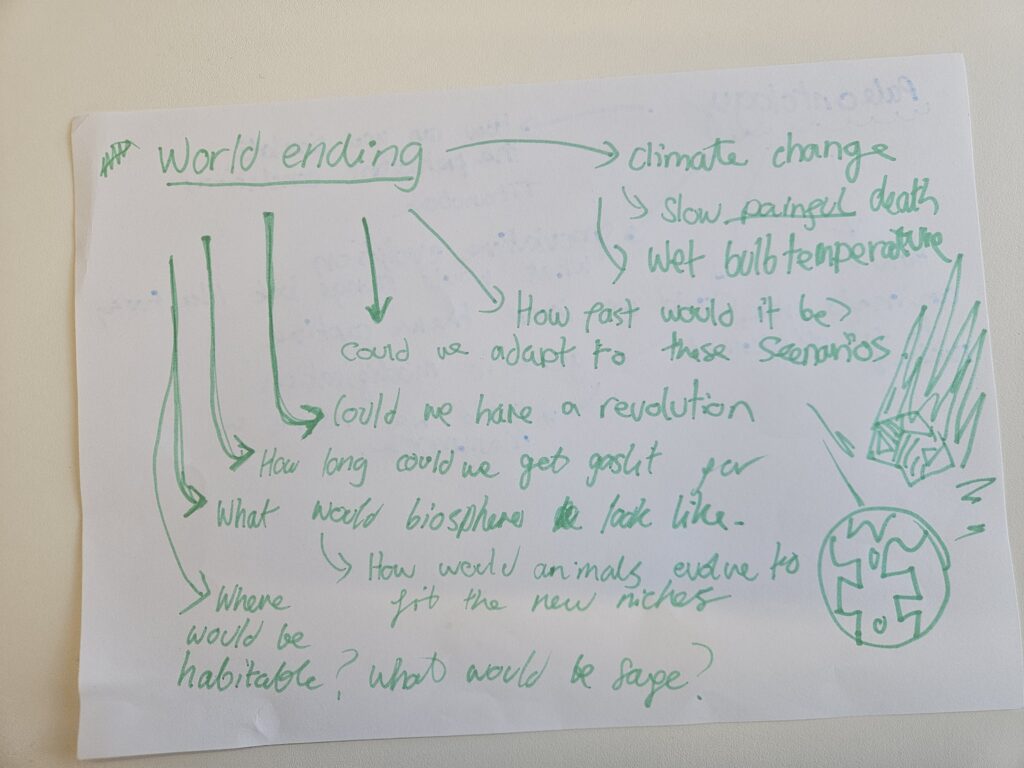
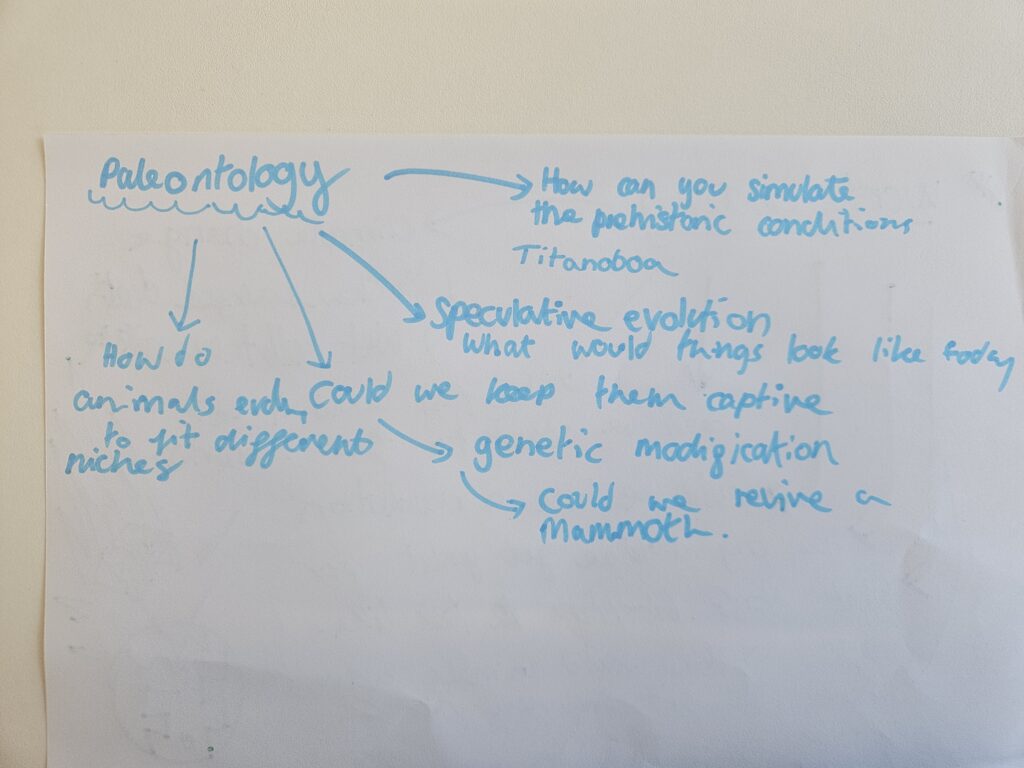
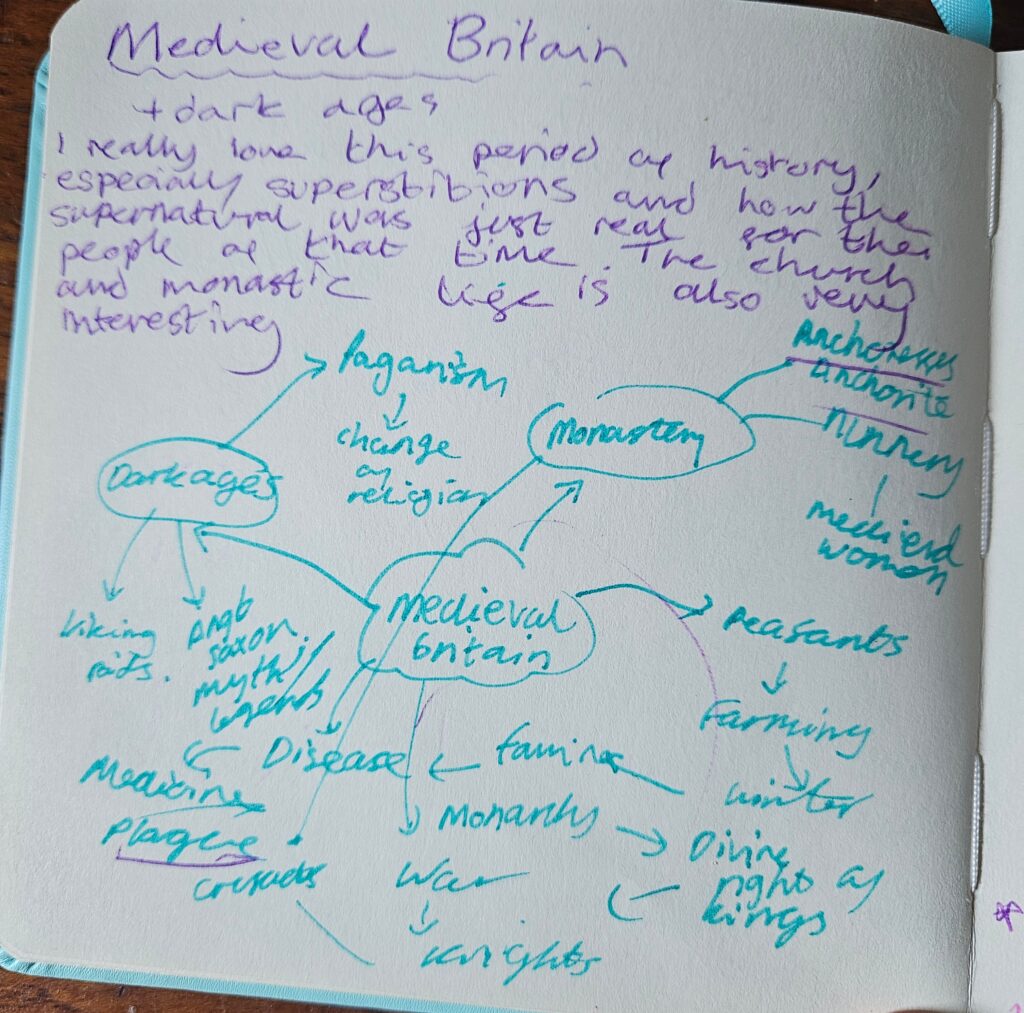
After this lesson I went home and did some further brainstorming to narrow my research topics. I was sort of leaning towards a historical theme initially but decided to put my focus in other ideas as it’s quite broad. However, it’s still in the back of my head as a potential genre to put my future game ideas in.
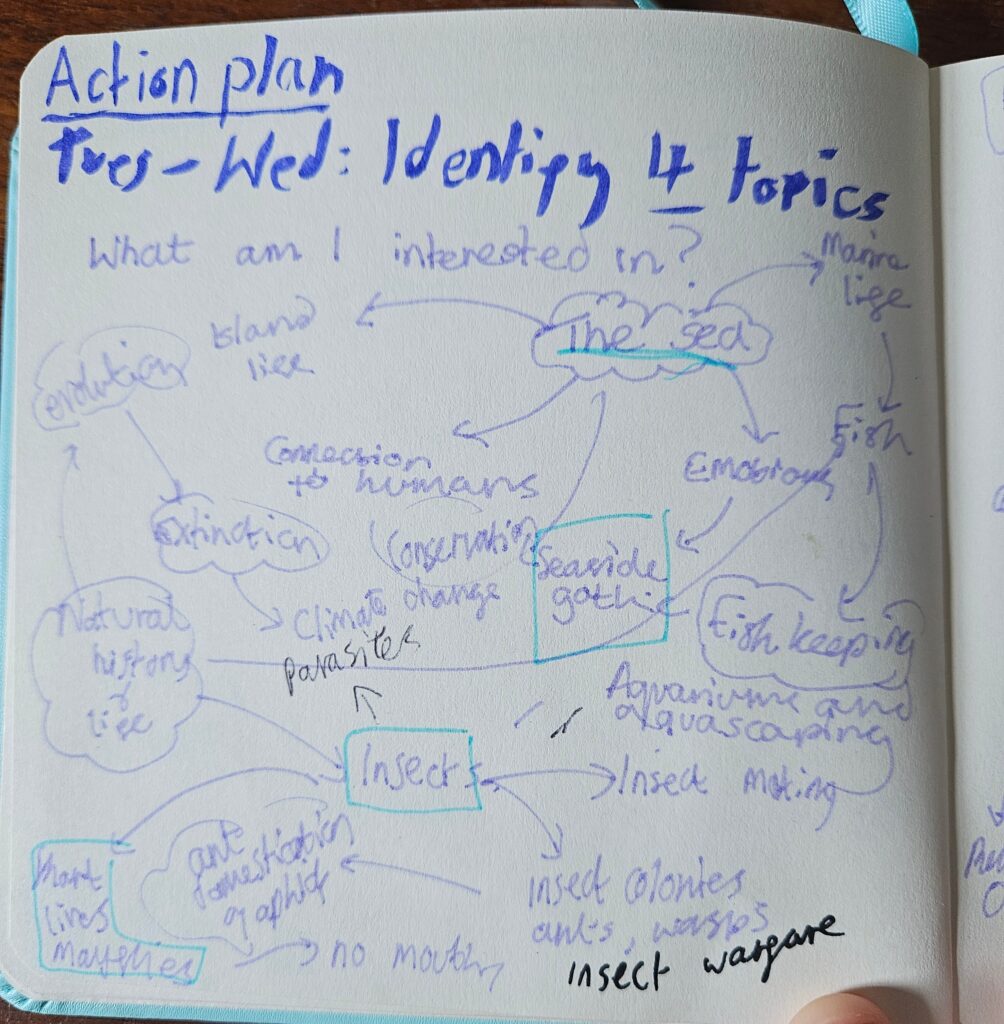
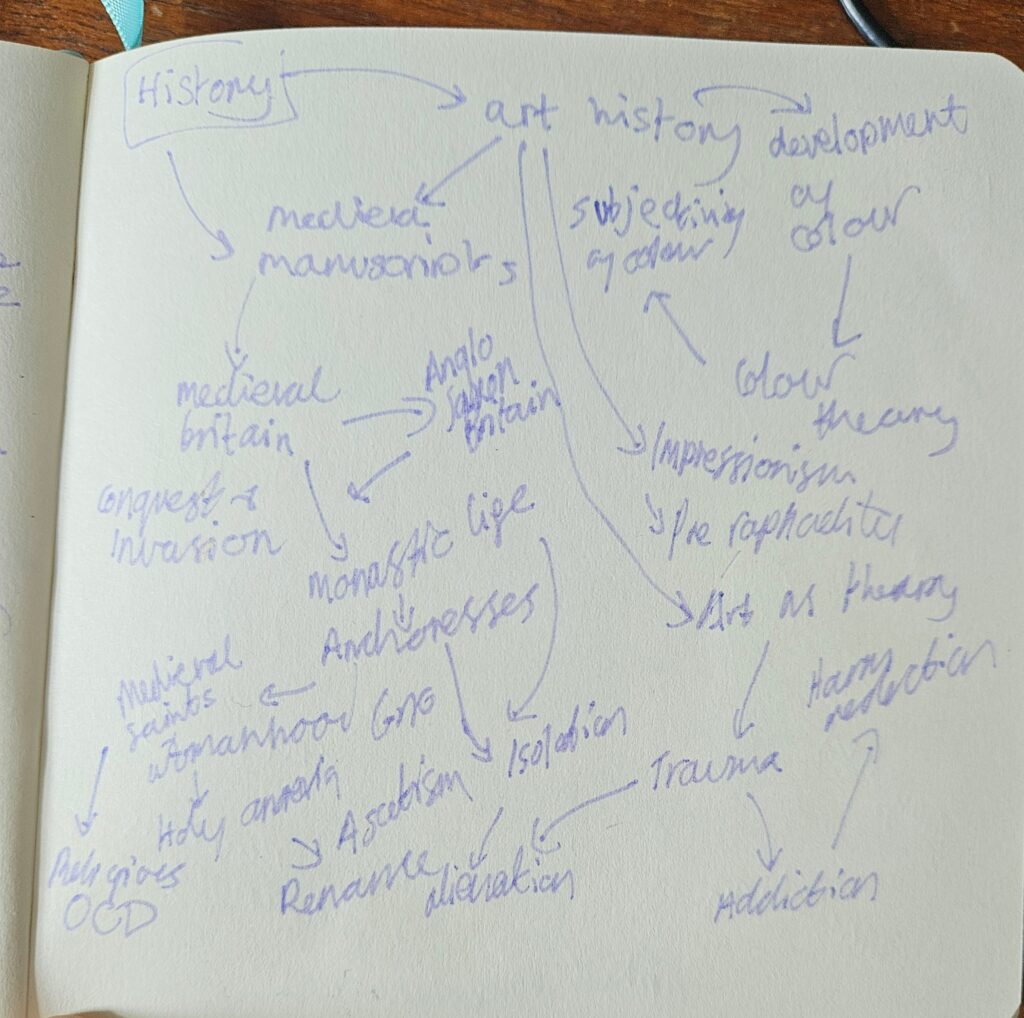
For the mind maps above my goal was to try and connect different ideas that I was interested in to see what kind of bridging topics I could come up with.
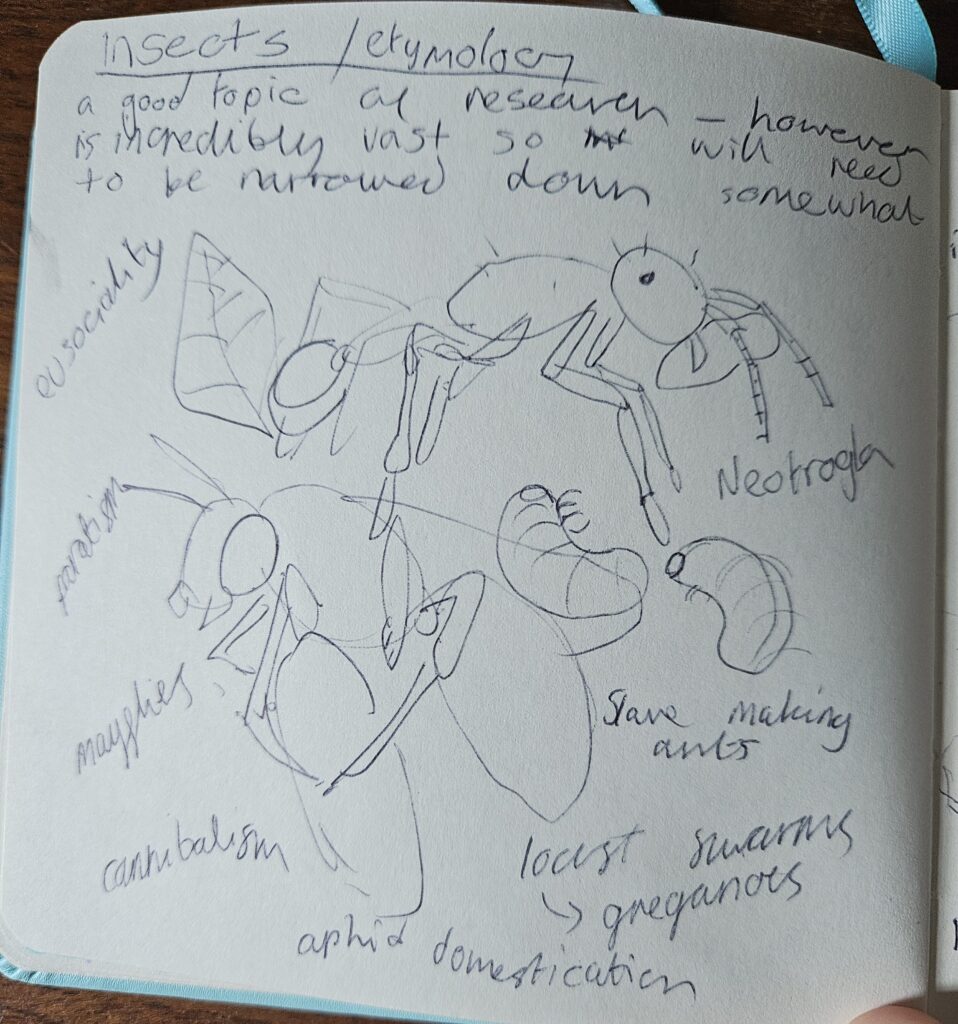
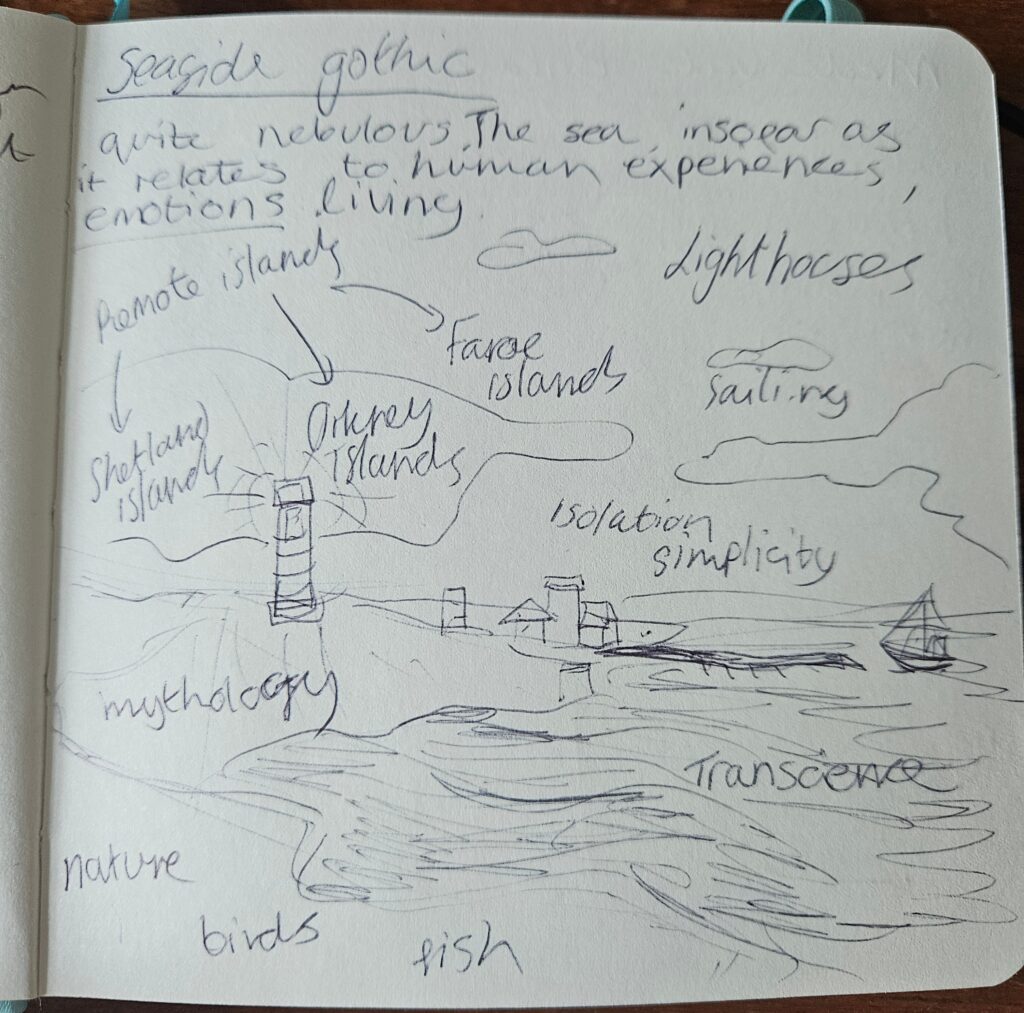
Only after all of this did I feel like I could start doing my proper research on four finalised ideas. Stay tuned for my next post, where I reveal them and their culmination: the powerpoint!
Leave a Reply