What is Folk Horror
First of all, we need to understand the meaning of folk Horror.
According to Norman Rea Gallery, this word can usually be traced back in the modern English context to the 1971 film “Blood on Satan’s Claw” directed by Piers Haggard. Set against the backdrop of a corrupt village in 18th-century Britain influenced by demons, this film establishes the core structure of folk horror, namely the conflict between traditional beliefs and supernatural forces.
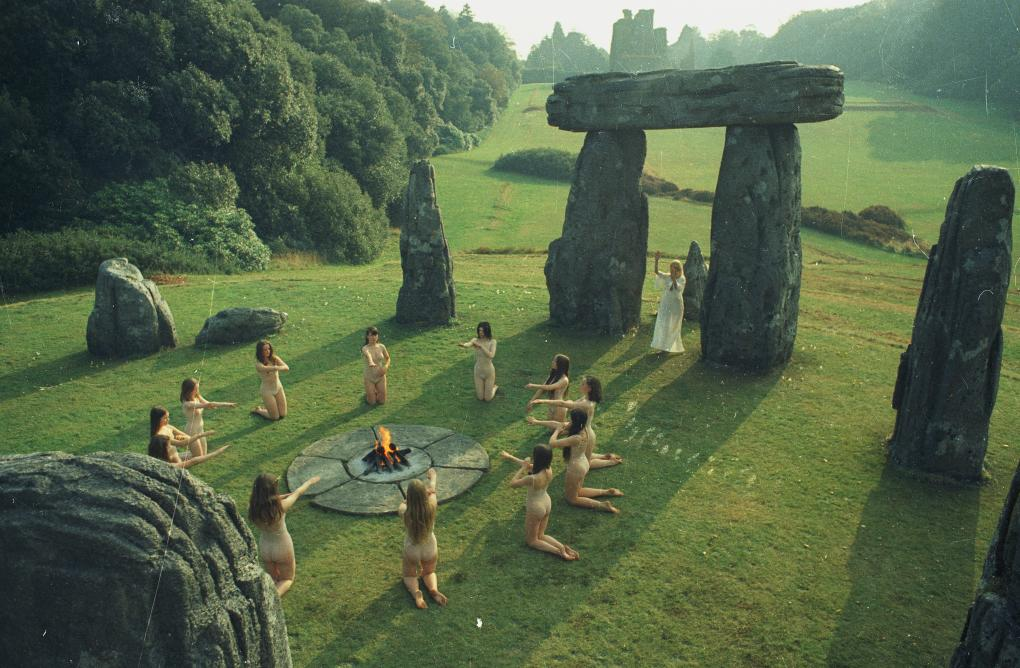
The Wicker Man(1973) of the same period is also regarded as one of the representative works of folk horror. The film showcases the tension between ancient rituals, collective beliefs and modern rationality through an island community isolated from the outside world.
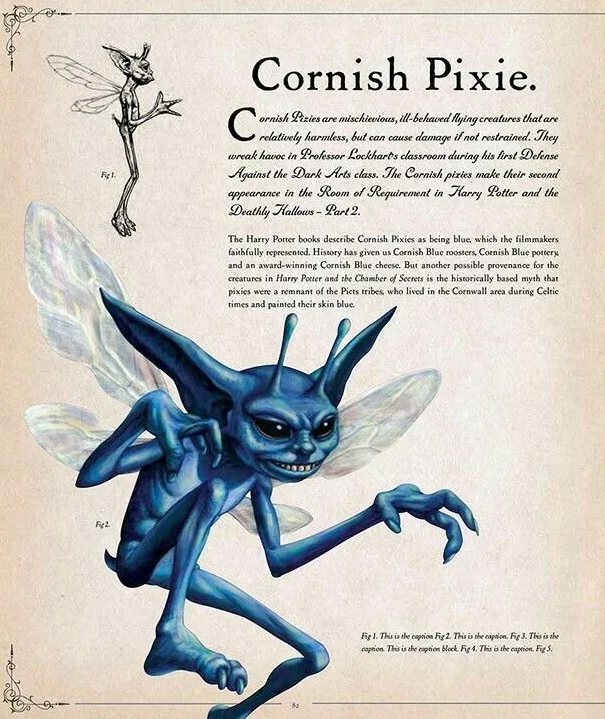
It is also related to Folk tales. In The UK, I have learned about Cornish Pixies, which are called the Fairies in the legends of Cornwall. These creatures like to play pranks on travellers, that is, to make them lose their way by magic. In addition, there are sightings of strange creatures, such as Selkie(similar to a mermaid) and Black Shuck(an evil omen), etc
From this, I think several key words can be used to describe this kind of folk horror in the Western context: countryside, small town, ritual, supernatural and religion, folk tale.
Folk Belief as a Foundation of Horror
After clarifying the meaning of the term “Folk Horror”, we also need to give a definition of “Cantonese Folk Horror”.
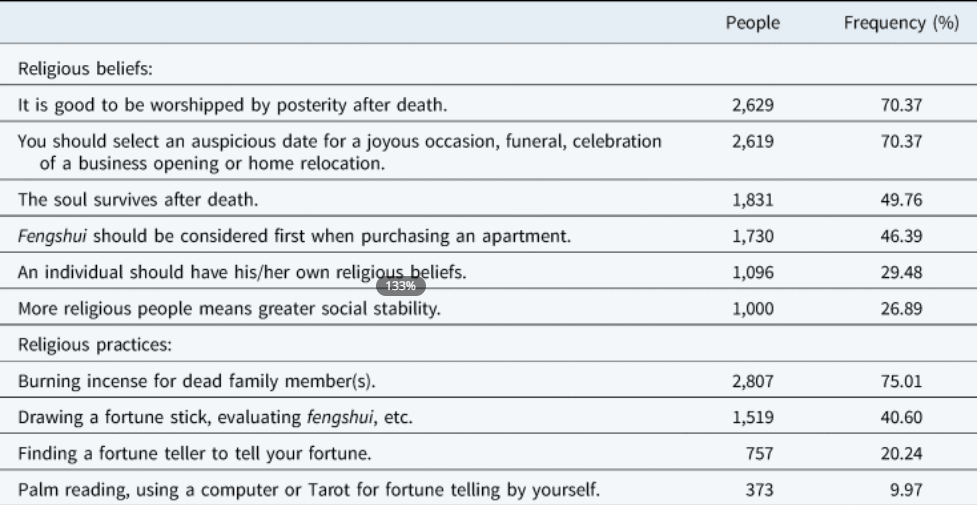
According to the survey by Cai and Hung (2024), more than 75% of the respondents would burn incense for their deceased family members, approximately 70% believed that important events should be chosen on auspicious days, and nearly half believed that the soul still exists after death. This indicates that traditional beliefs in Hong Kong are not marginal cultures but are deeply embedded in the structure of daily life.
It is precisely because these beliefs truly influence people’s concepts of life and death and morality that they have also become the emotional foundation of horror narratives. In such a cultural context, ghosts are not demons from hell, but rather existences closely linked to ancestors, karmic retribution and unfinished business.
The Plausibility of Folk Legends
Most Hong Kong folk horror stories do not sound like traditional “ghost stories”, but rather like distorted versions of real events that have been passed down orally over and over again. They originate from real-life accidents, deaths or social traumas, but have gradually been mystified in community transmission.
For instance, after a fire breaks out, people re-enter the damaged building. Some people were scared and fled because they saw strange shadows due to dust or psychological suggestion.
When these experiences are repeated, the story begins to change. What was originally just a damaged building has gradually been described as “haunted since the fire”.
This mechanism combined with people’s beliefs makes tales more realistic and credible
One-sentence definition: What is Cantonese Folk Horror?
Cantonese folk horror is a form of horror rooted in everyday beliefs, in which ghosts, rituals and ancestral memories transform ordinary urban life into a constantly restless space.
Key words: Village in the city, old building, high-density population, dampness, feng Shui, ghosts and gods, ancestors, karma, Ullambana Festival (the day when ghosts come back to the human world).
The Element of Cantonese folk horror