Research Content
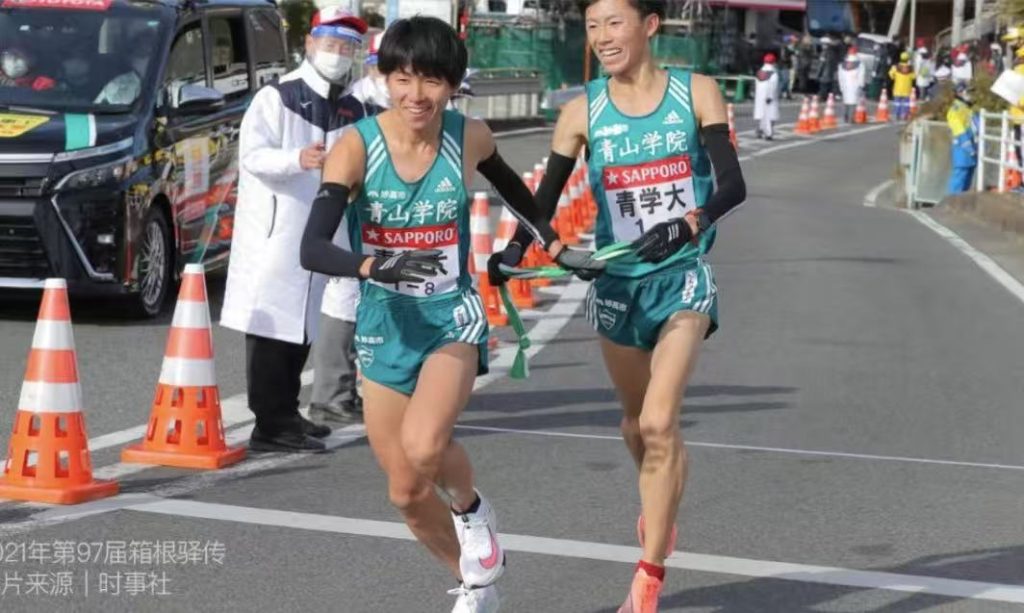
While designing the worldviews and systems, I conducted research into Japan’s Hakone Ekiden. Every year, during the New Year period, an event which has been taking place for over a century. Various runners accomplish the long route from Tokyo to Hakone and back to Tokyo in stages.

Unlike conventional competitive sports, the essence of Hakone Ekiden lies not merely in “winning”, but in relay and transmission.
Runners pass a cloth sash—the Tasuki—symbolising responsibility and trust, signifying:
One completes not the entire journey, but a segment of the collective voyage.
Each runner shoulders only one leg, yet these fragmented efforts collectively weave a continuous, enduring journey.
This mechanism emphasises continuity, shared responsibility, and a process-oriented value that transcends the finish line as the sole objective.
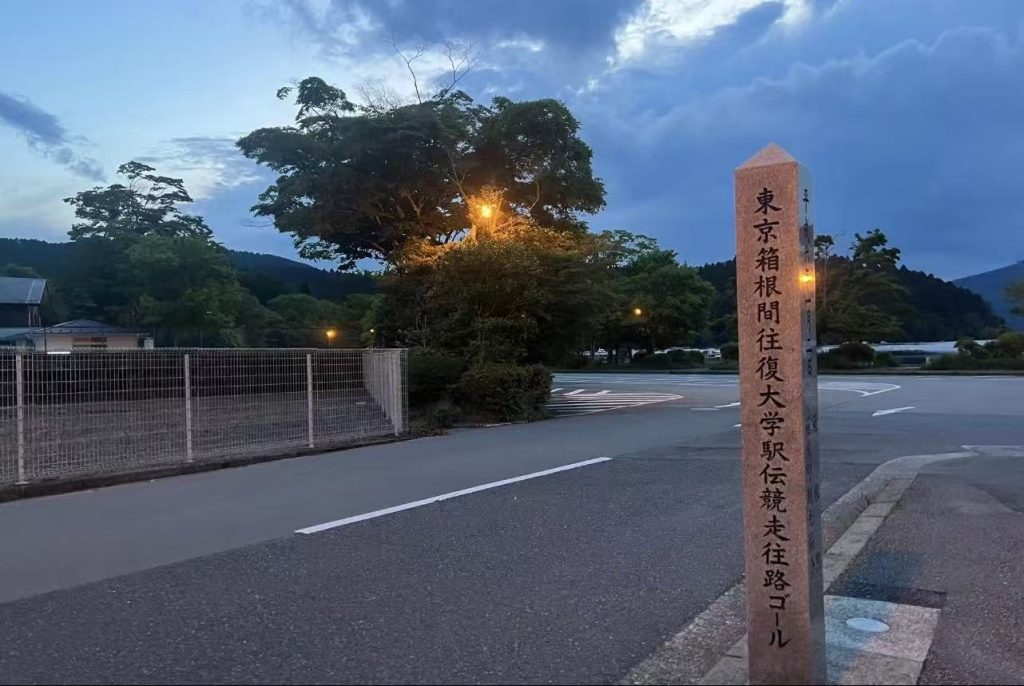
Return Course (Zone 6 Start)
This philosophy profoundly influenced my project.
In my game, players likewise do not strive to “complete the world.” Instead, through ceaseless walking, pausing, perceiving, and gathering fragments of memory, they sustain the world’s existence.
Here, progress is no longer equated with reaching a destination, but rather with an ongoing act of transmission.
The player’s very presence, much like the runners passing the Tasuki,
is not to end the journey, but to ensure its continuation.
Design Translation
• Transmission → The core mechanism sustaining the world’s existence
• Relay → Each segment of the player’s exploration forms part of the whole
• No final endpoint → The game values “continuity” over “conclusion” as its objective
• Presence as meaning → The world continues to breathe only because the player is “here”
This provides a structural foundation for the game’s worldview distinct from traditional goal-driven games.