Solo Trip as Lived Experience Research
Research Context
The primary research for this project stems from two entirely solo city trips I undertook:
Amsterdam (Easter holiday) and Vienna (Semester Week 7).
Both trips lasted four days and three nights, undertaken entirely solo, yet with distinct mentalities.
Amsterdam was the first foreign country I arrived at alone.
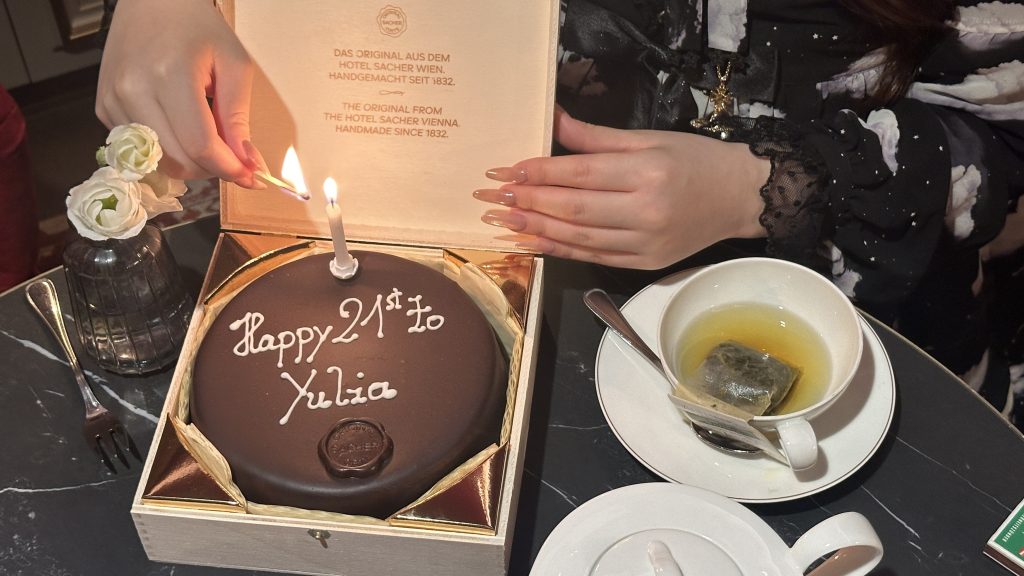
The city where I decided to do solo travel to observe my 21st birthday is Vienna.
My daily routines were remarkably similar.
Neighborhood cafés serve brunch at 11 a.m.
Walking around and taking the public transport (bus/tram/metro/train).
No strict plans, just letting my body flow with the rhythm of the city.
This parallel structure provided a comparative research framework:
Under differing emotional starting points, would solitude still yield comparable psychological states?
Sensory Experience
During these two journeys, I gradually came to realise:
Emotions are not triggered by events, but continuously shaped by sensory environments.
At the level of soundscape, it is not specific words I recall, but recurring everyday sounds:
traffic lights’ chimes, trains pulling in and scraping against rails,
the hum of coffee machines in cafés, the rustle of newspapers being turned, and the near-total stillness of night.
These sounds did not make me feel lonely, but rather imparted a stable, secure sense of freedom— I was simply part of it all, needing no attention.
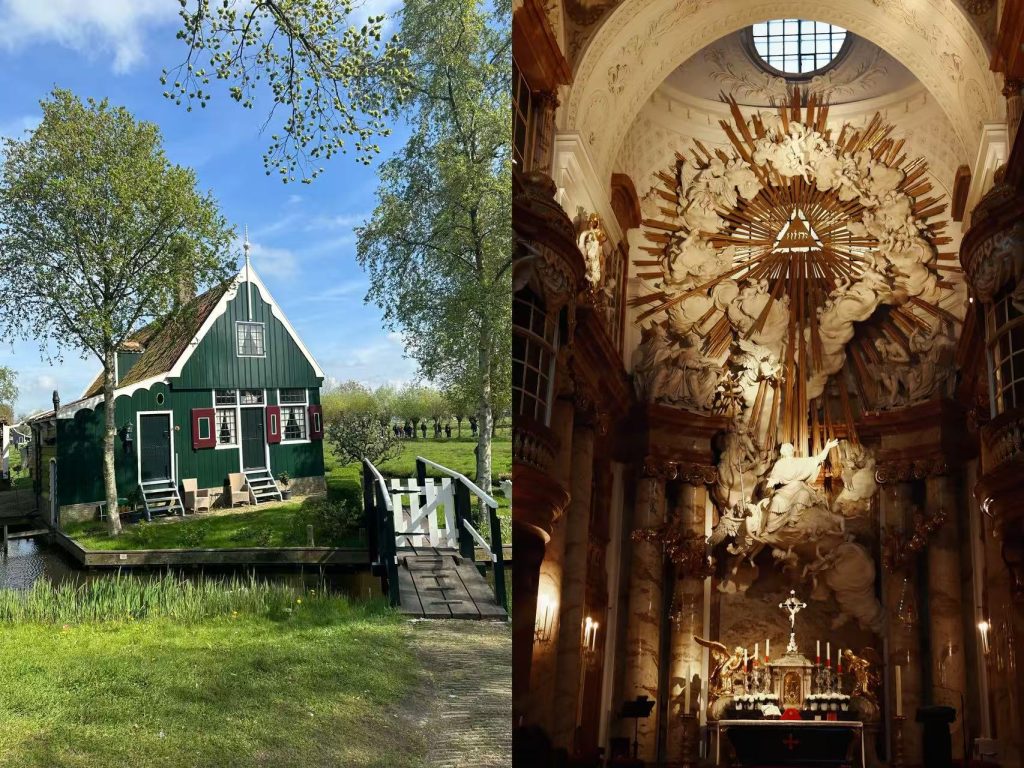
Visually, both cities favouried natural light and muted colors,
though Vienna’s medieval architecture presented an opulent grandeur
that contrasted with Amsterdam’s open fields, streams, and tulips.
The embodied experience flows:
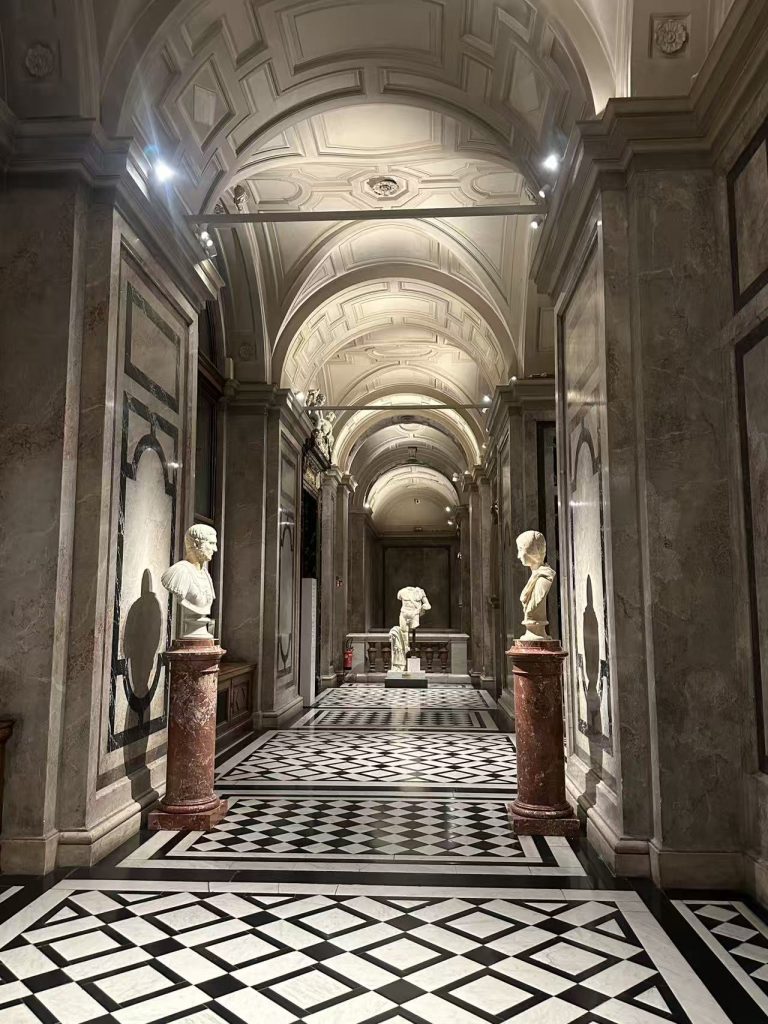
I quicken my pace when moved, yet permit myself complete stillness when weary— sitting beside sculptures until closing at Vienna’s Kunsthistorisches Museum, or watching water perpetually pass by Amsterdam’s canals.
Emotional Transition
Amsterdam’s emotional starting point is tension.
Arriving alone in an unfamiliar country for the first time, my anxiety deepened after purchasing the wrong train ticket.
Yet it was precisely then that I realized:
Even if I made mistakes, no one would blame me.
Here, I possessed immense room for error, free to continually experiment and adjust without being defined.
This realization allowed me to truly ‘enter’ the environment for the first time.
Vienna’s turning point was quieter still.
On the third floor of the Kunsthistorisches Museum,
I sat on a bench between two Baroque sculptures,
watching visitors come and go while I remained still.
In that instant, it struck me:
these sculptures had remained unchanged for centuries,
unmoved by how people viewed, interpreted, or judged them.
For the first time, I sensed that “stillness itself is a way of being”.
Memory as Gathering
The clearest images in my recollection
are not the ‘highlight moments’ of the journey,
but two utterly ordinary instants:
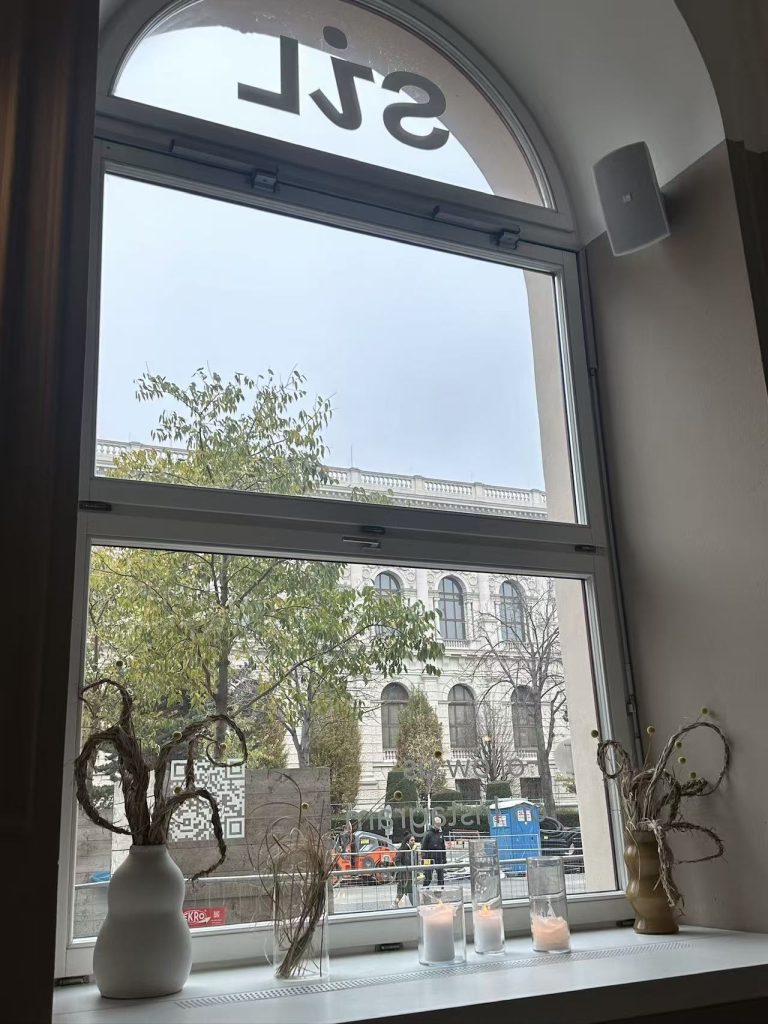
• In a Viennese brunch spot,
holding a steaming latte while watching white pigeons drift past the window
• Amidst Amsterdam’s Keukenhof Gardens,
standing alone amongst tulips in full bloom
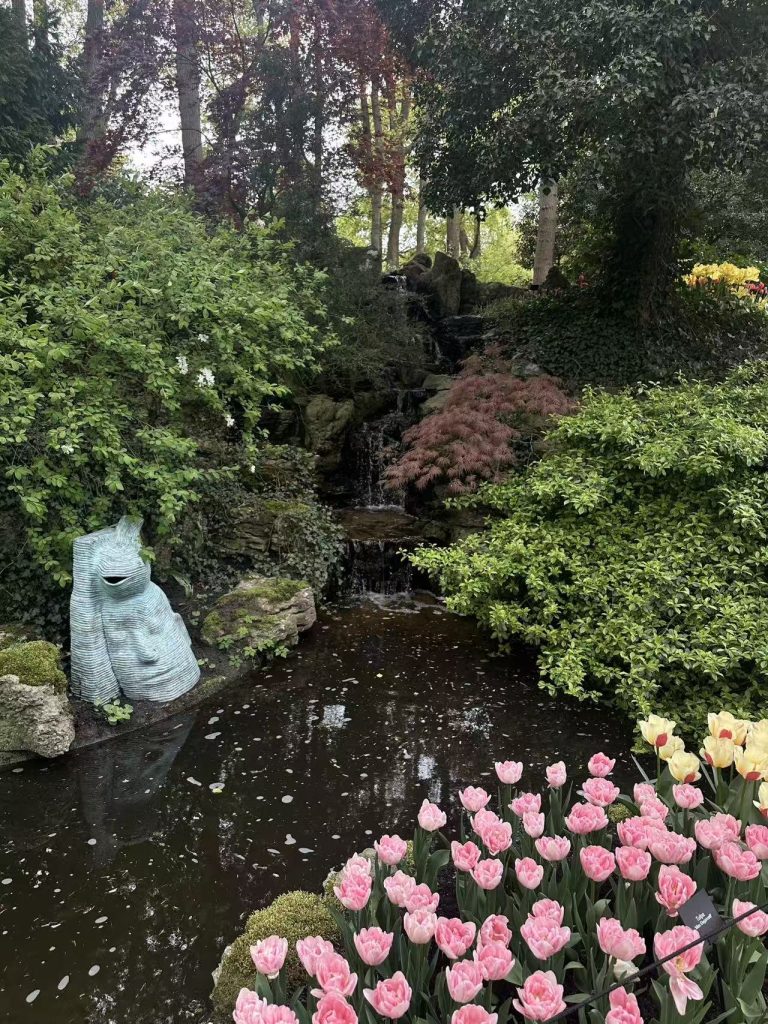
They seem ordinary, yet I find myself wishing time would pause for them again and again.
Precisely because they are not highlights,
but rather reassuring fragments that can be revisited in imagination.
During these two journeys, I gradually came to realize:
Memories are not targets to be actively collected, but rather the natural outcome of relaxation and stillness.
Design Translation
These two solo journeys have cemented my core design choices:
• Slow pacing
• Non-goal-oriented exploration
In the city, I needn’t “accomplish everything in one go”.
Restaurants and sights missed today often reappear along tomorrow’s path.
This made me realise:
Goals need not be completed immediately;
Life and experience themselves permit multiple paths and outcomes.
This has become the foundational logic of my game design:
Players needn’t advance towards a single solution,
but through sustained presence and participation,
naturally arrive at meaning through exploration.