Week 1—2
In the first week, after deciding on the game I wanted to make, I began looking for examples to use as references and learn from.
Week3-5
After deciding what kind of game I wanted to create, I began searching for software to build my light-novel-style text puzzle game. After researching different options, I settled on Ren’Py as my development tool. I then looked up guides on how to make light novel games with Ren’Py. Below are the tutorials I found.
Ren’Py learning resources
【FVN游戏制作入门】特别篇|Ren’Py:入门中的入门
FVN批评
Watch on Bilibili ↗【renpy】层叠式以及表情差分的基础用法
アキナ・ランドール
Watch on Bilibili ↗【renpy】简单代码就能实现的高级特效、漫画式分镜、自定义转场、视频播放
アキナ・ランドール
Watch on Bilibili ↗renpy音频混响和其它音频相关的基础用法
アキナ・ランドール
Watch on Bilibili ↗【四小时速成Renpy】python也要谈恋爱!零基础→精通galgame制作
花间莉萝
Watch on Bilibili ↗[RenPy 教程] 对话框/选择定制
黑凤梨A4
Watch on Bilibili ↗These tutorials greatly improved my Python skills. Before this, I did not know any programming at all.
While it may look like I only completed these exercises in Week Three to Five, I actually started learning Ren’Py as early as Week Two.
Week 6
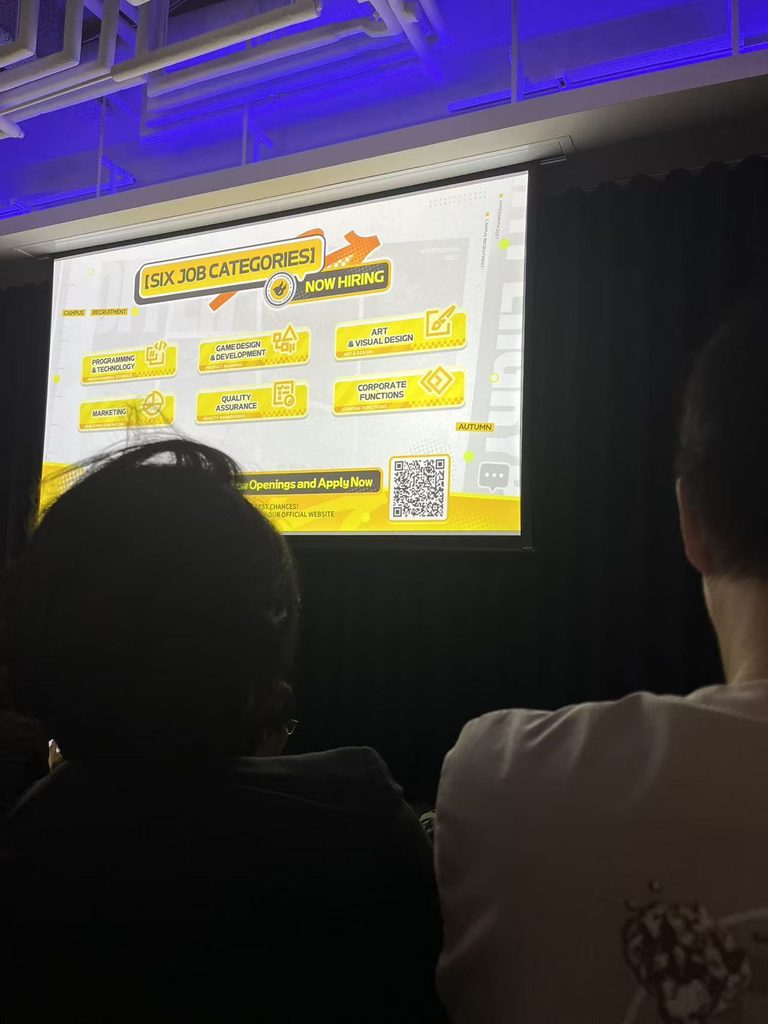
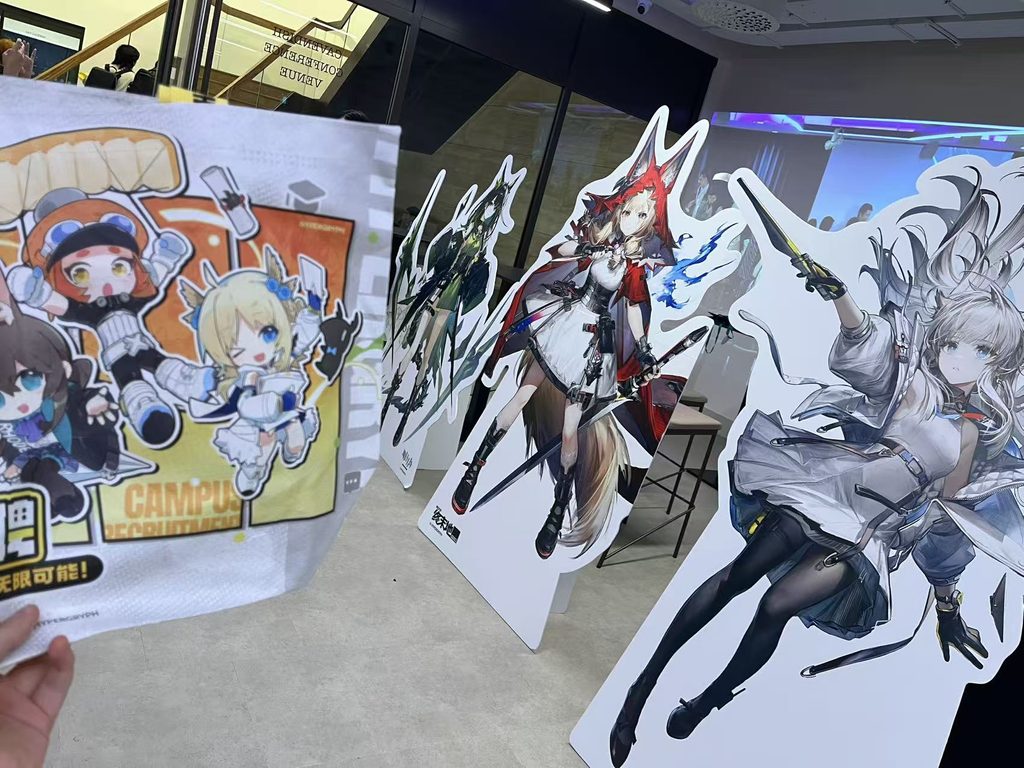
I also attended a career lecture about Arknights: Endfield. The speaker covered many topics on game logic design, including level design and narrative design. I gained a great deal from the session. Unfortunately, photography was not permitted during the lecture, so I have no visual records from it.
Through this lecture, I learned methods for narrative design and creating atmosphere through environments. I plan to apply these techniques to my text-based puzzle game, using gradually introduced puzzles to guide players and environmental details to build atmosphere and enrich the narrative experience.