We started this week off with a lecture by Jordan about some of the game poems he made during his travels in Asia. Held in a collection named The Gametrekking Omnibus, the games are inspired by impactful experiences that were had during his time there.
We had already been introduced to Loneliness in a first-year reading, which was created alongside Freedom Bridge during his stay in Korea. Much of the game poems are characterised by simple yet evocative graphics as well as physics. The simplicity of the graphics, as well as the ambiguity and open-endedness of the experience, allow players to project their own ideas and meanings onto the game poems. Loneliness uses just black squares and a white background, but we see these as stand-ins for people.

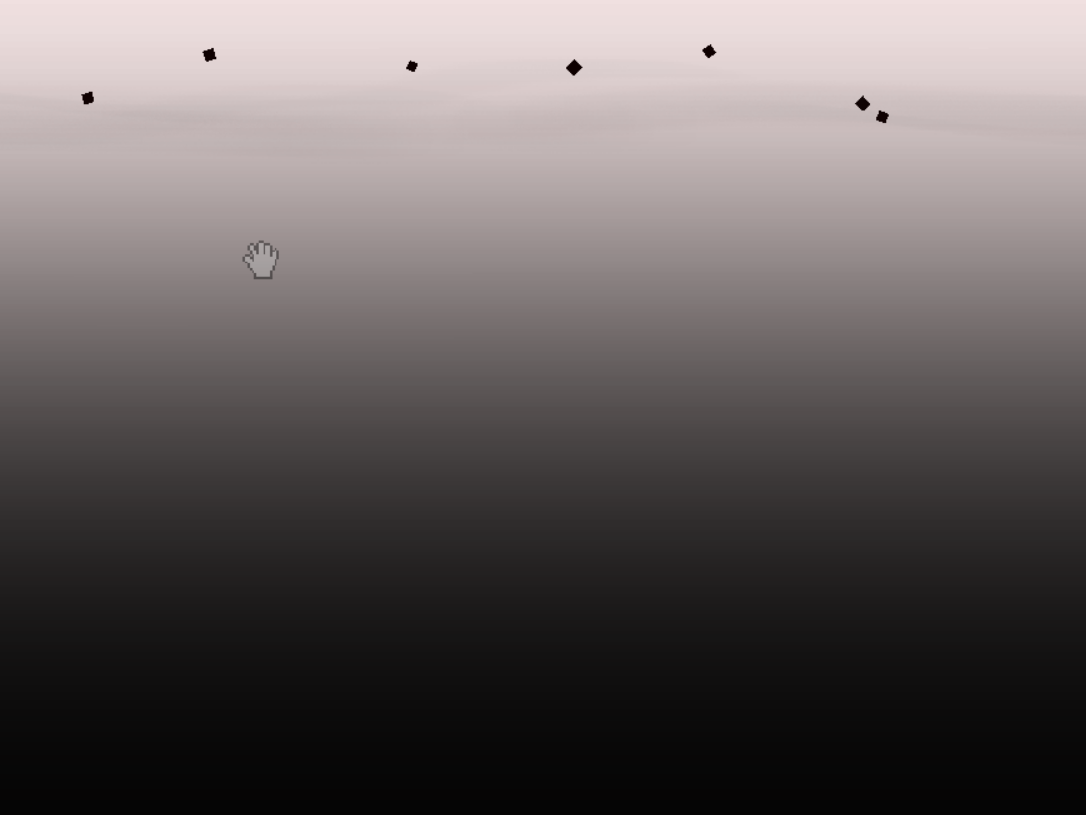
Another game that does this is A Brief History of Cambodia, which we were shown briefly. A few black squares float on the surface of the water, and we can use our hand-shaped cursor to drag them below or move them around. The squares mimic human behaviour: they pulse as if breathing, cower if you “kill” a square, and shake if held for long enough under water.
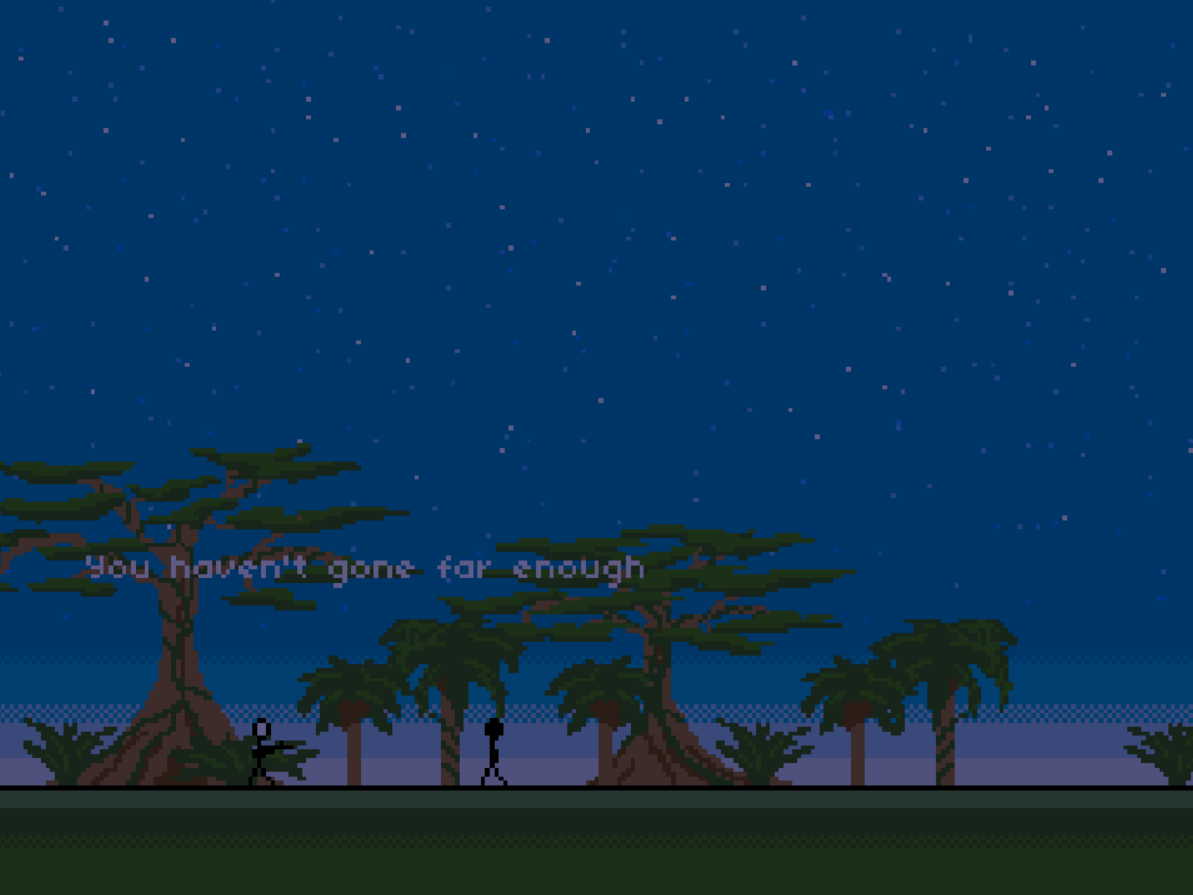
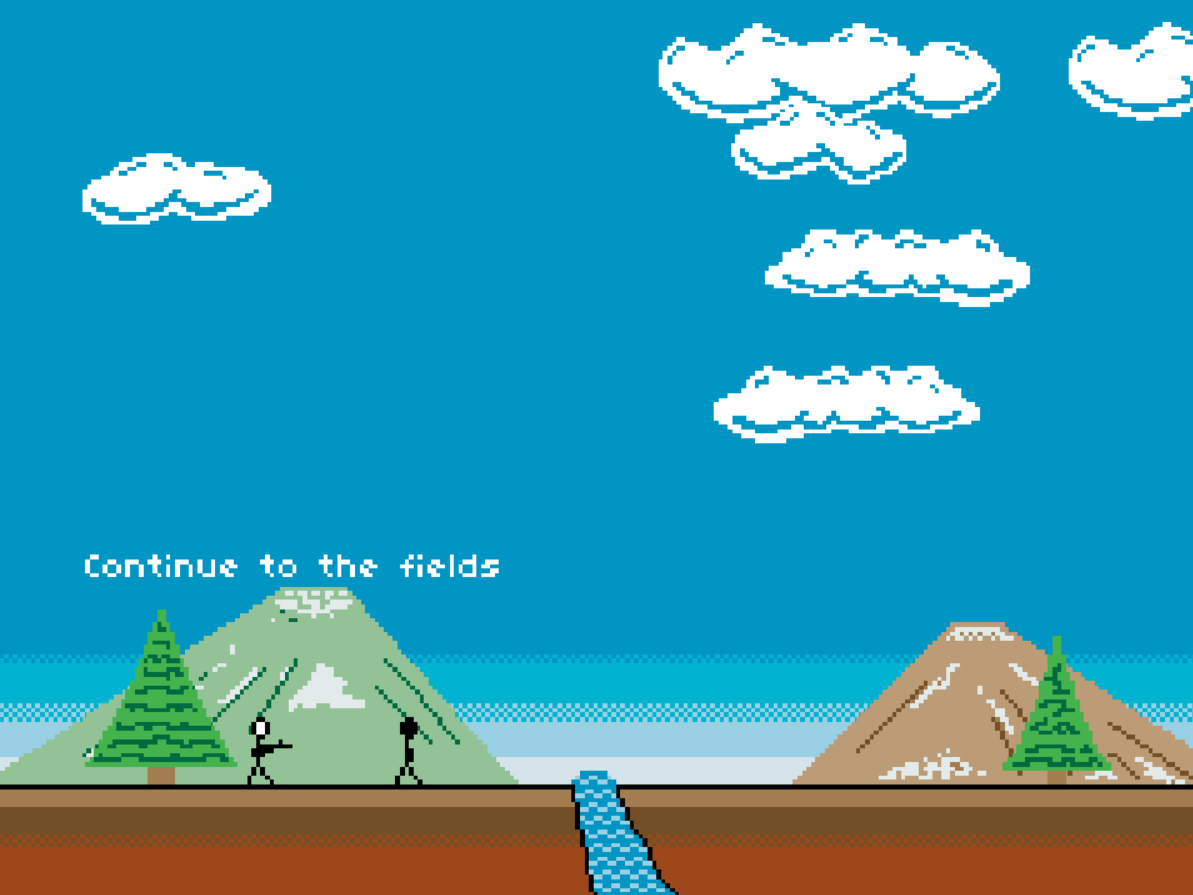
The Killer, inspired by the autogenocide in Cambodia, doesn’t use as simplistic visuals but is still impactful. The player holds a gun as they walk behind another stick figure person past a backdrop of mountains, trees, and fields. After a long while of walking, we are given the choice to either shoot them or show them mercy.
How do we talk about making good games?
- Narrative: telling good stories
- Gameplay: crafting fun, balanced gameplay
What are game poems?
Poetry:
- Intimate and personal
- Subtle and complex emotions
- Exploring beauty and meaning in moments
- Slowing down and prompting reflection
Game poems:
- Short
- Juxtapose signified meaning with material meaning
- Bound to metaphor and ambiguous imagery
- Hyperbolic
- Subjective
- Make use of poetic address
- Exist in a ritual space, rather than a narrative space
Poems and game poems are similar in that they can explore subtle and complex emotions, as well as more serious topics. During the lecture, we were shown a quote by Percy Shelley, “poetry lifts the veil from the hidden beauty of the world, and makes familiar objects be as if they were not familiar”. Because game poems are more metaphoric and ambiguous, they capture the essence of an experience or idea. Stripping away everything but the feeling of an experience can make it more effective in eliciting empathy.
For example, we were shown a snippet of another one of Jordan’s games, Portraits of My Child. We were all children at some point, but we often forget what it was like to be so young and to experience everything for the first time, especially if we aren’t parents or around children often. The sound and flashing light during the first cry stage made it feel turbulent and chaotic, which it can feel like. Ambiguity also lets us see from a different perspective, where we can notice things we didn’t notice before. To add to this, it makes game poems a more accessible and inviting form of game creation.
What can we learn from poetry?
- Strip away the inessential
- Leverage poetic devices
- Embrace ambiguity
- Reimagine “fun gameplay”
- Respect the poetic process
Reply