Category: Research


  • Exploring OpenToonz

    I was recommended a software by my lecturer Spine 2D – https://en.esotericsoftware.com.

    Unfortunately it is behind a paywall, however I was unaware of such softwares existing so this set me on a course of finding a free alternative.
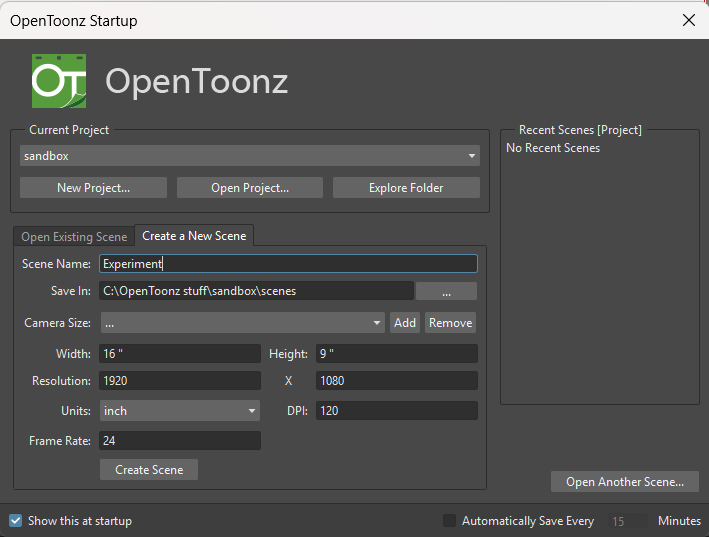
    I found this software called Open Toonz, used by Studio Ghibli for parts of their projects.

    I installed it and created a new project, setting the framerate to 10 and keeping the 1920×1080 aspect ratio.

    To be able to start rigging the character I looked online and found this tutorial on rigging a skeleton.

    https://www.youtube.com/watch?v=LXJUYvEeVQU&list=LL&index=4
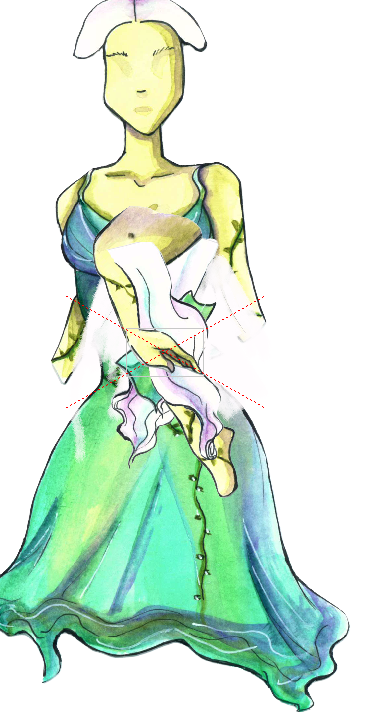
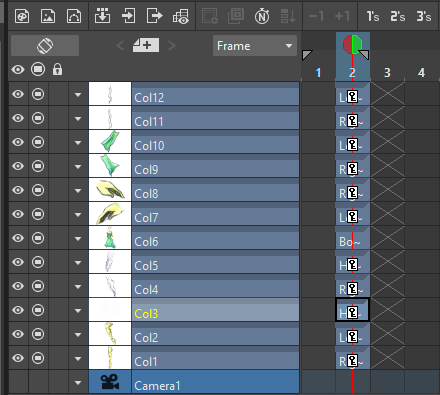
    I then imported the differet pieces of the character into the project. This is how they appear in the timeline/frame view, each piece on a different layer.
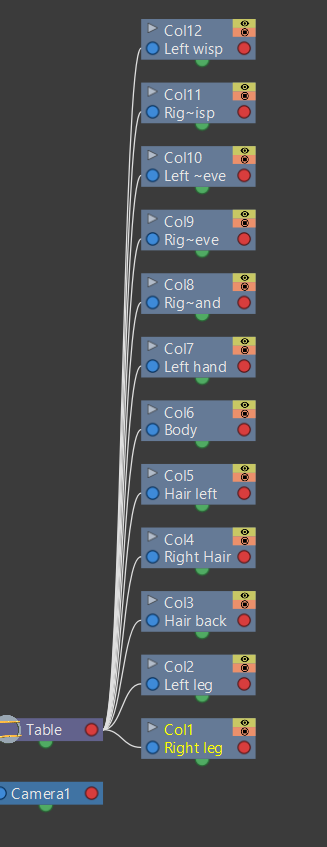
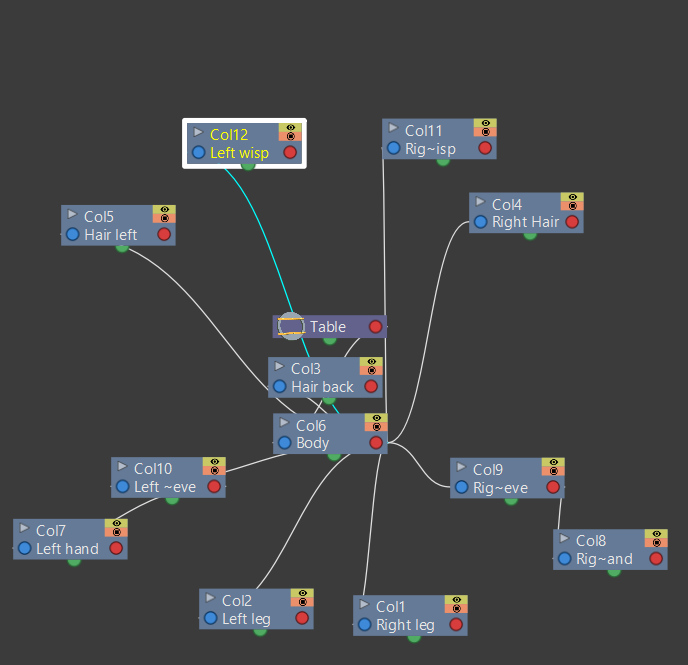
    This is the stage schematic view, when you first import the parts they are all attached to the table in order to create the skeleton yo uhave to reorder the pieces. To do this you match up the blue to red dots and recreate the character by having the legs attach to the body then the hands to the forearms and in turn the forearms to the body.
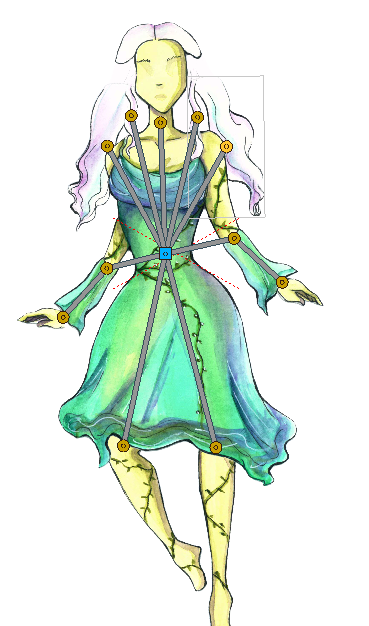
    This is what the final skelton looked like, obviousely it does not match up completely as the sprite is a flying one and the head is part of the body.
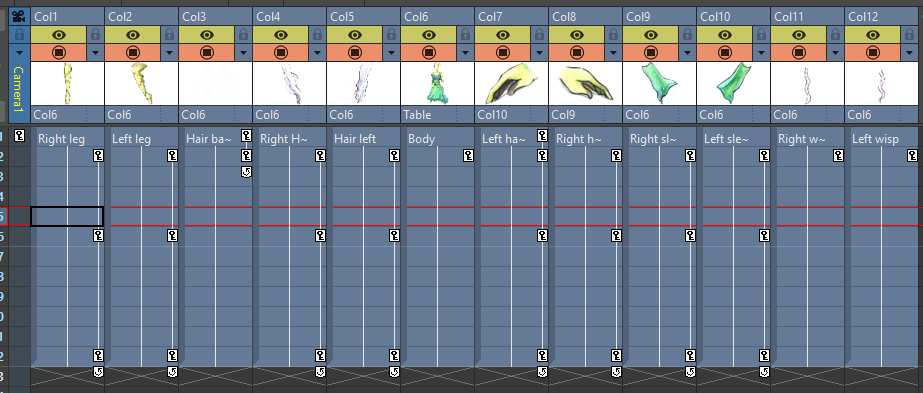
    To make the animation you had to switch to skeleton build mode and then press play and move the parts, if you moved the hand it would move everything attatched to it. Once you had moved it it created a keyframe as seen in this screenshot for the final animation there were three in total for the parts that moved.

    This is the final animation I made with the software. This is not very good, I struggled not being able to control each individual part and due to how the skeleton is set up it caused weird residual movements especially on the hands.

    I can see the use of this software and I am happy I explored it but ultimately I will not be using it for this project, the different kinds of animation I will be doing requires more software knowlegde than I could feasibly gain in the short timespan we have for this project especially as I am animating animals like the deer and the peacock.

    I also just generally prefer to experiment and tweak with my hands until I am happy.


  • Paper Art Research

    For the animation of the player character and animals our group is thinking of using a “paper doll” kind of animation where the character is seperated into pieces that are then assembled in the game software. As I am responsible for the characters I am condustcing research into not only this technique but also some artists that use paper because that is our medium of choice.

    Ryan Riller

    https://www.instagram.com/ryanriller_/?hl=en

    Ryan Riller is a Paper and 2D freelanmce artist based in the SF Bay area. He often works with established studios and brands such as Disney and Laika. His work is incredibly detailed, he utilises multiple layers to create a dynamic depth effect. He also uses textured paper to create more variation amongst his artwork. What I like about his work is how instantly recognisable it is and the scale that he creates these pieces at. Instead of focusing on one subject he will create large group pieces.

    Nathanna Erica

    https://www.instagram.com/theartofnathannaerica/?hl=en

    Nathanna Erica is an illustrator and paper artist from brazil. She mostly illustrates books with a combination of paper and traditional art. Her work is less obvious that it is paper. She does not use textured material but smooth coloured paper. Upon first look you could be mistaken that the art is digital. What I love about her work is how organic she makes the shape feel. Hair flows beautifully creating a real sense of movement, this will be useful in my own work as our character is characterised by her hair a lot.

    How I will use this research

    After looking at these artists I have decided to take their work practices of clearly defining pieces of the characters so that they can be put together in the larger artwork.


  • GDD Breakdown

    To fully understand this project and my role within it I looked at the GDD we would be working from and identified the key parts – especially for my role.

    These are the game intentions and game pillars, this helps me to understand the atmosphere and mood of the game.

    Essential Experience

    I want players to feel connected with nature and animals by restoring the order of life in the forest. I would like them to think of the choices they make and how it can affect the world around them.

    I wish for the role of the forest keeper to bring sense of responsibility and awareness when players are walking through the beautiful landscapes and meeting animals who they’re bound to protect and take care of.

    Design Intention 

    Compassion and resonation with wildlife is essential to establishing connection with animals that you might find. The player will be able to experience it during interaction with animals and through the process of building trust between them. If I was to describe how it would look, I would say it’s something that has etherial, spiritual motifs. An animal offering a part of their soul to you, a bubble of light that has its assigned colour; you keep it close to your own, absorbing the light in your chest.

    Game Design Pillars

    Connect with animals and gain their trust through your surroundingsContinue your adventure into the depths of unfamiliar woodsStop and think
    The world around you is constantly giving you clues and guidance on how to assist the creatures in need. Collecting objects and learning animal behaviour will help you to understand what you’re truly trying to achieveDiscover scenic landscapes and their inhabitants, learn more about the species and fill your notebook with interesting facts about flora and fauna of your home. Let your imagination wander and give animals names you think suit them best.Making decisions shouldn’t be hard, but their weight shouldn’t be underestimated either. How far are you willing to go to help, and if there is a limit, are you willing to take losses? Stay true to yourself, accept the fate of those who can’t be helped and take care of the things that matter the most. 

    Art Direction

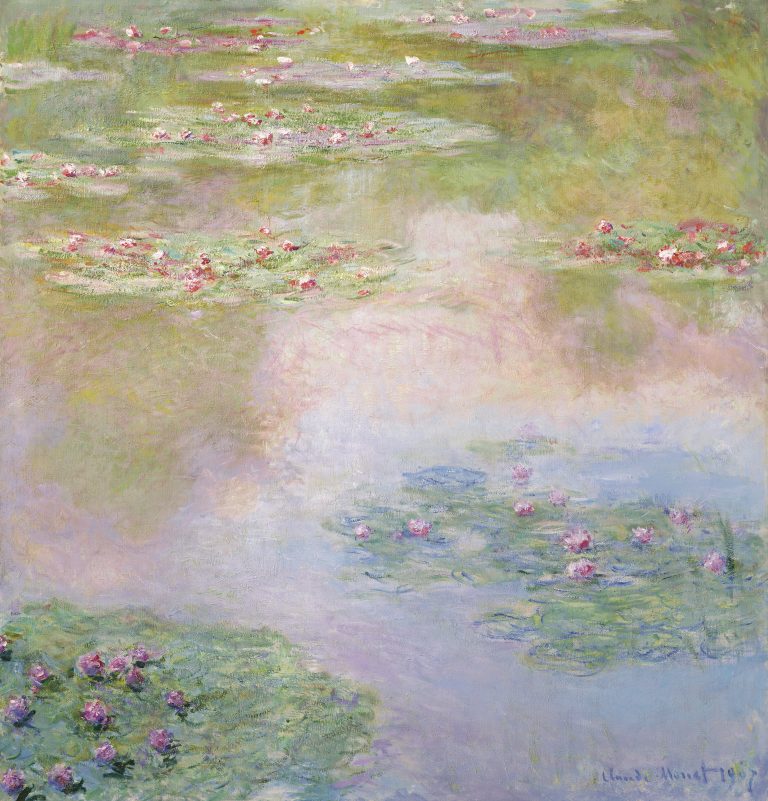
    Impressionism and its use of colours are important to the game, I will need to research into it and attempt my own artworks.

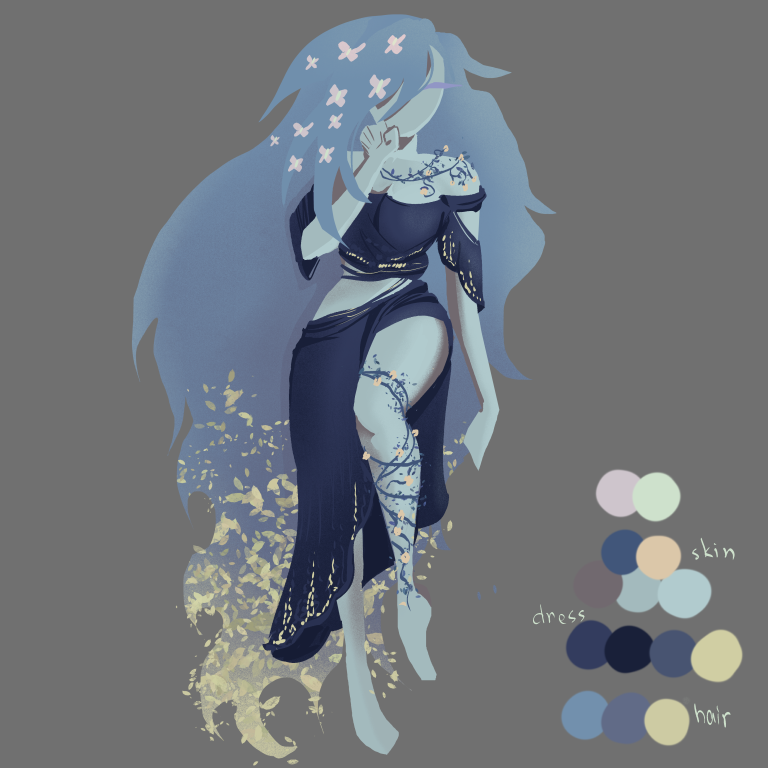
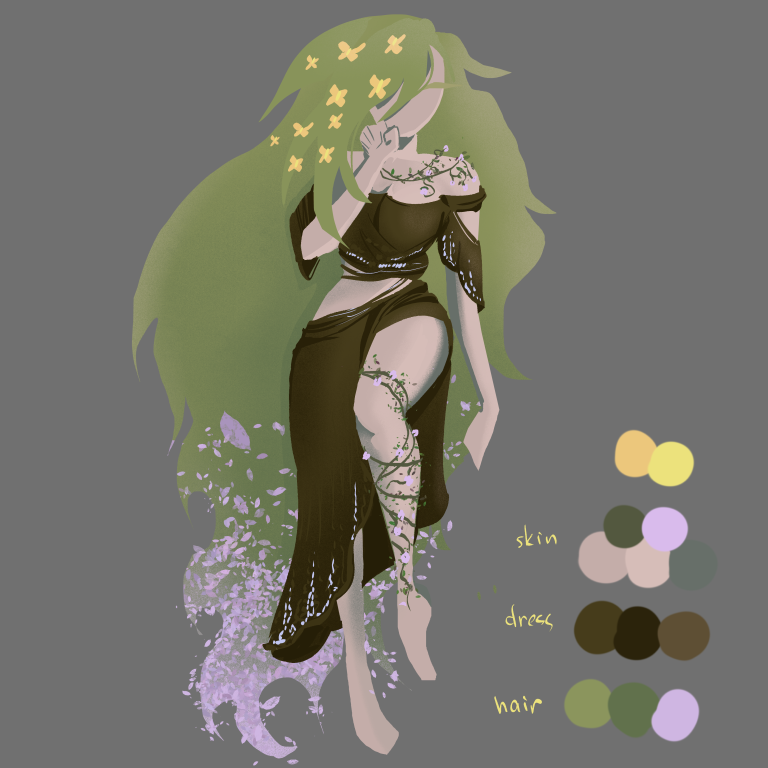
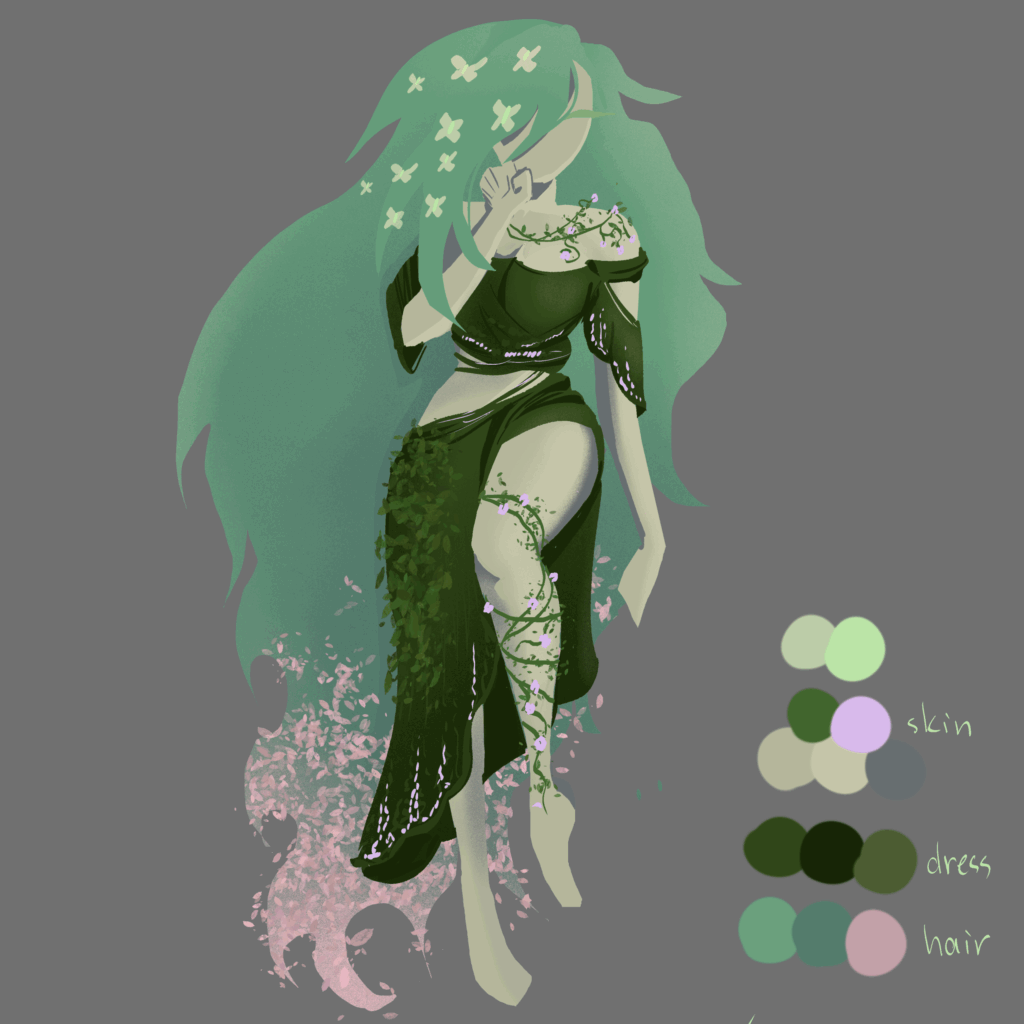
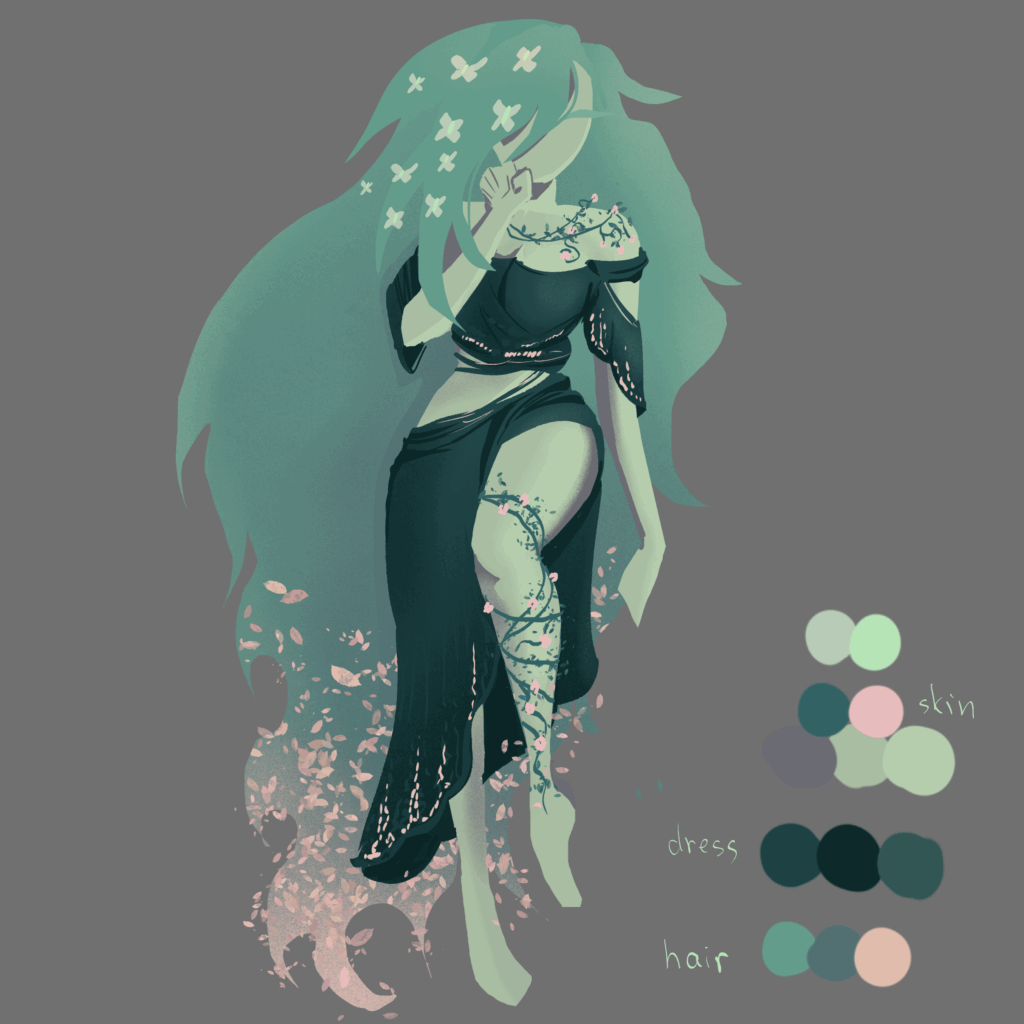
    These are colour palette mock-ups for the character, each one is attached to a specific area of the game.

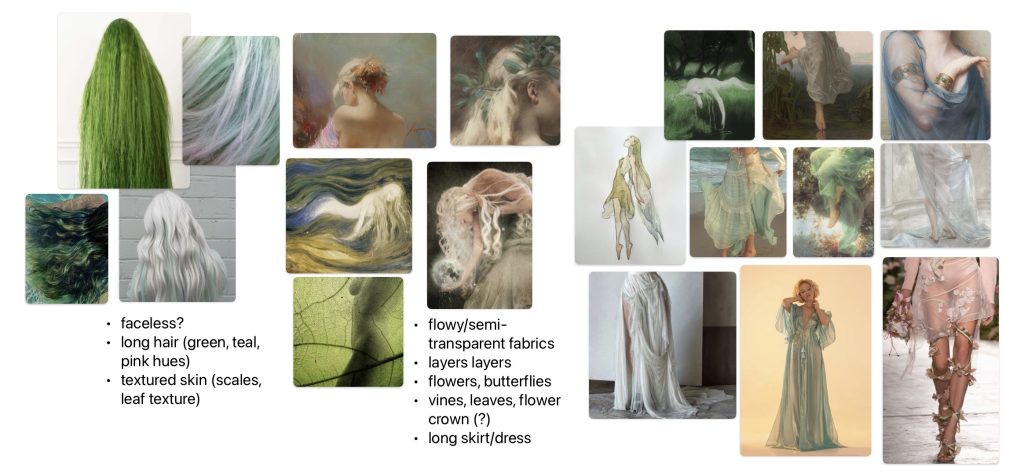
    This is the characters reference board this will help me when I develop my design for her.

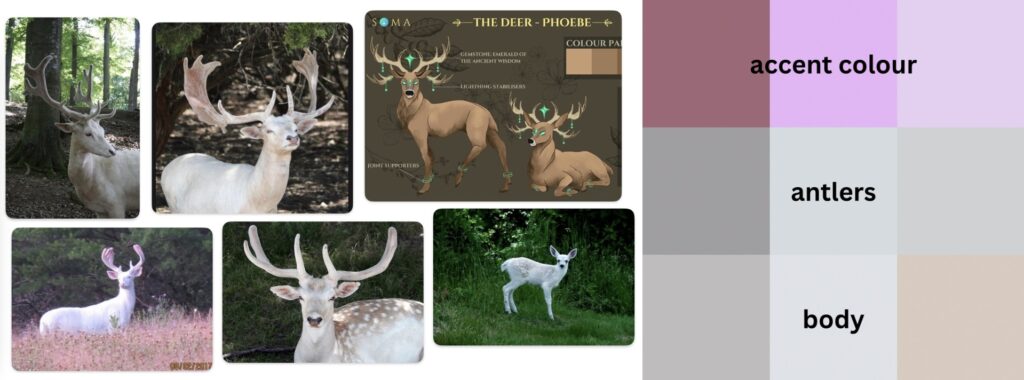
    This is the reference board for the deer that is found in the lake. I will need to use the impressionist attiutude with colours to incorporate the accent hues of pink.

    The opening of the game is a short animation sequence where the character materialises from the earth – this is going to be an interesting part to adapt as I have not attempted animation before. However I am excited to take on a challenge.


  • Role Research

    For this project I have been assigned the role of the character artist. To better understand my role and what will be expected of me I am conducting research into what professionals of the industry do. For this research I looked at a job profiles website, a career pathways website and finally a job application guide.

    Job Profile

    https://www.screenskills.com/job-profiles/browse/animation/pre-production/character-designer

    What does a character designer do?

    visualise and create the look of characters. Often using research into relevent fashions and cultures. Mostly using the directors descriptions and concept art to infrom the work. A high standard of drawing skills are required as the character will have to be drawn both digitally and physically.

    You must be good at collaboration and willing to take constructive critisicsm to iterate and better the design.

    Career Pathway

    https://www.cgspectrum.com/career-pathways/character-designer

    What makes a good character designer?

    The ability to take abstract ideas and visually incorporate them into a character. Being able to quickly visualise and represent your idea for the character. A keen eye for detail in expressions body language etc. Researching the style required of the character.

    Job Application Guide

    https://atomhawk.com/resources/applicant-qa-guide-character-artist/

    This is an applicant guide for character artists to apply to AtomHawk, an outsourcing company for the creative production in video games.

    • Strong understanding of the fundamentals of art
    • key eye for design
    • clothing design
    • The ability to iterate upon a design multiple times
    • creative problem solving

    Character Designers I Admire + Materials I Already Own

    Character design is a huge passion in my life so I already own a number of books revolving around it and follow many character designers, for this project I revisited some of these inspirations

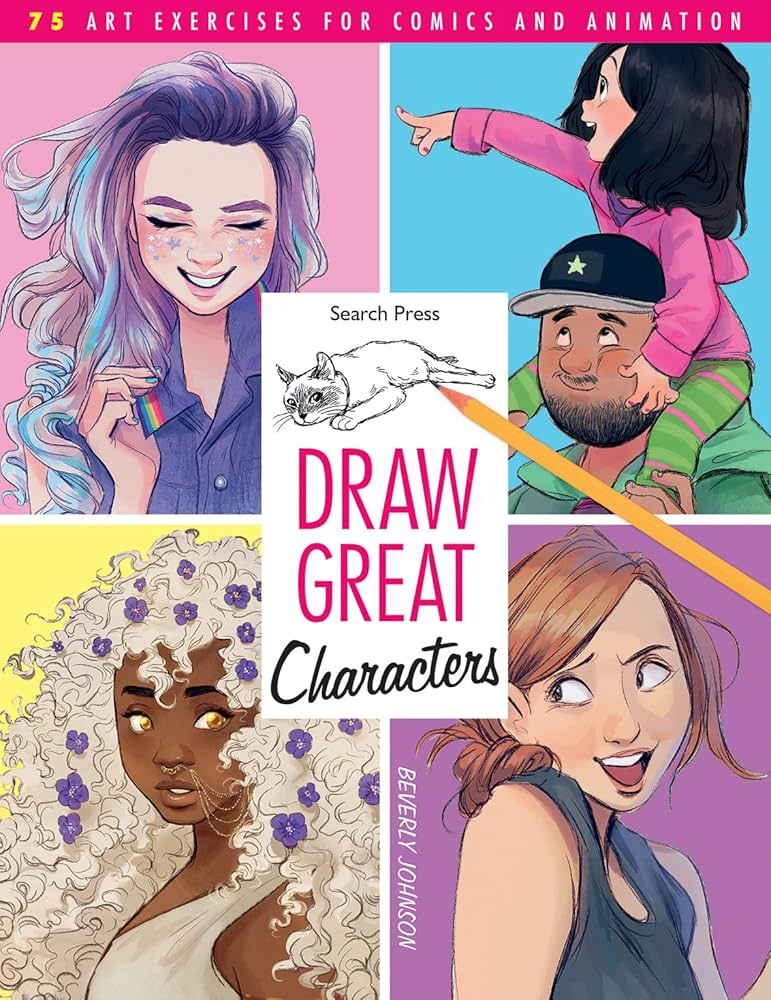
    Beverly Johnson – Draw Great Characters

    Bev Johnson is an illustrator and character designer, I love her simple but effective designs.

    This book contains 75 exercises for designing characters, I often use it when I am stuck or have art block.

    Johnson, Beverly. Draw Great Characters and Creatures. Penguin, 3 Dec. 2019.

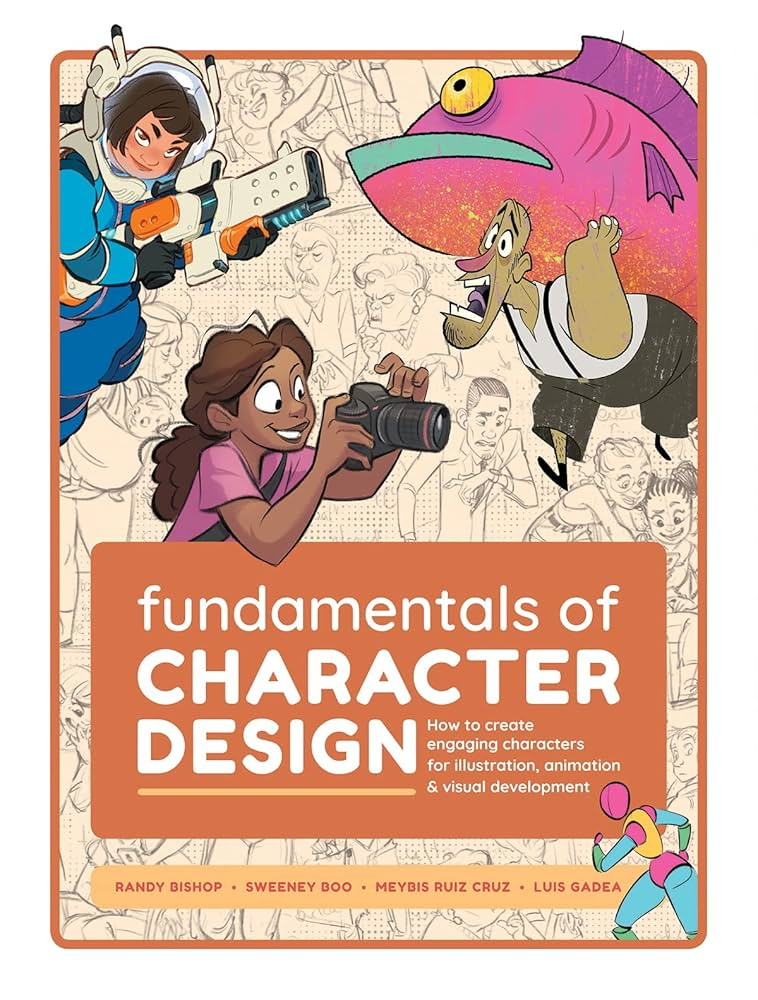
    The fundamentals of Character Design

    The Fundamentals of Character Design is a large book filled with advice from over 15 different character artists. It contains not only advice on how to create characters but also how to turn this into a career.

    I use this book for inspiration from all the different artists, the myriad of styles allows me to draw from each different one.

    Bishop, Randy , et al. FUNDAMENTALS of CHARACTER DESIGN : How to Create Engaging Characters For. 3dtotal Publishing, 2020.

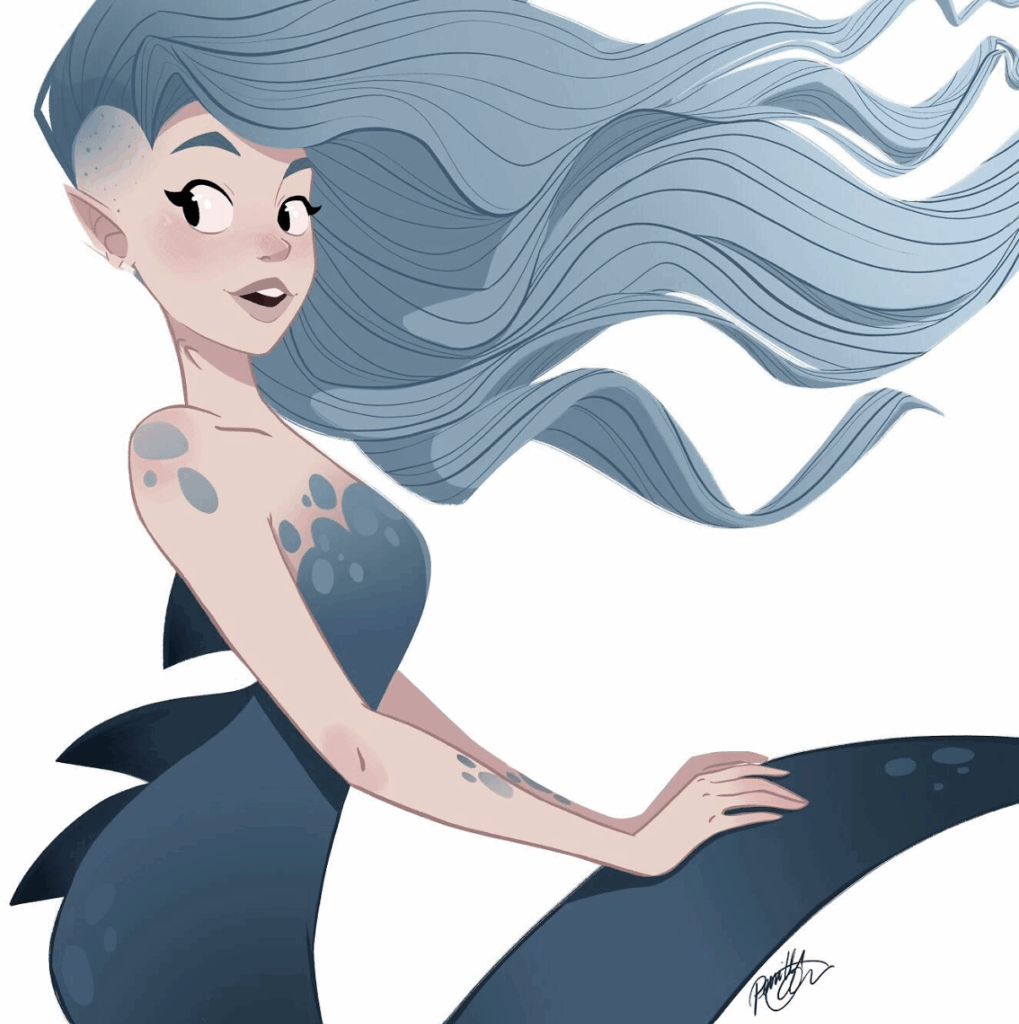
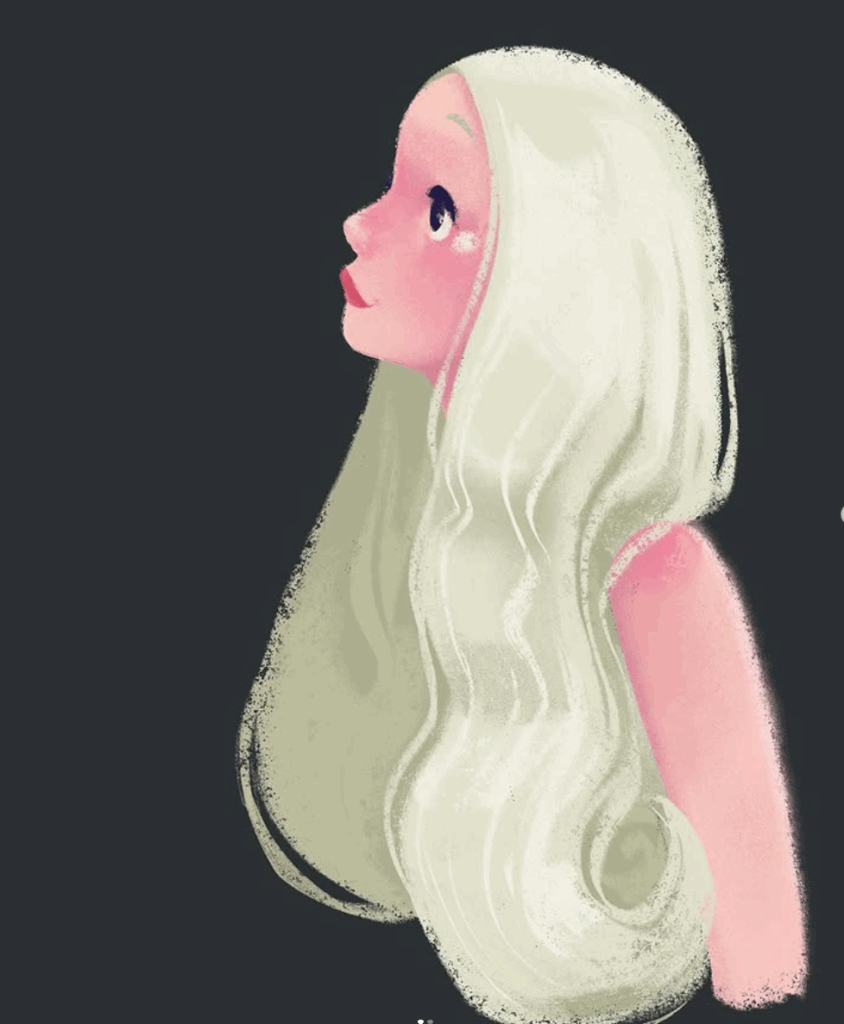
    Pernille Orum

    https://pernilleoe.com/myportfolio

    Pernille Orum is singlehandedly my bviggest inspiration when it comes to character design, I have been following her for years and aspire to have as strong a style as her.

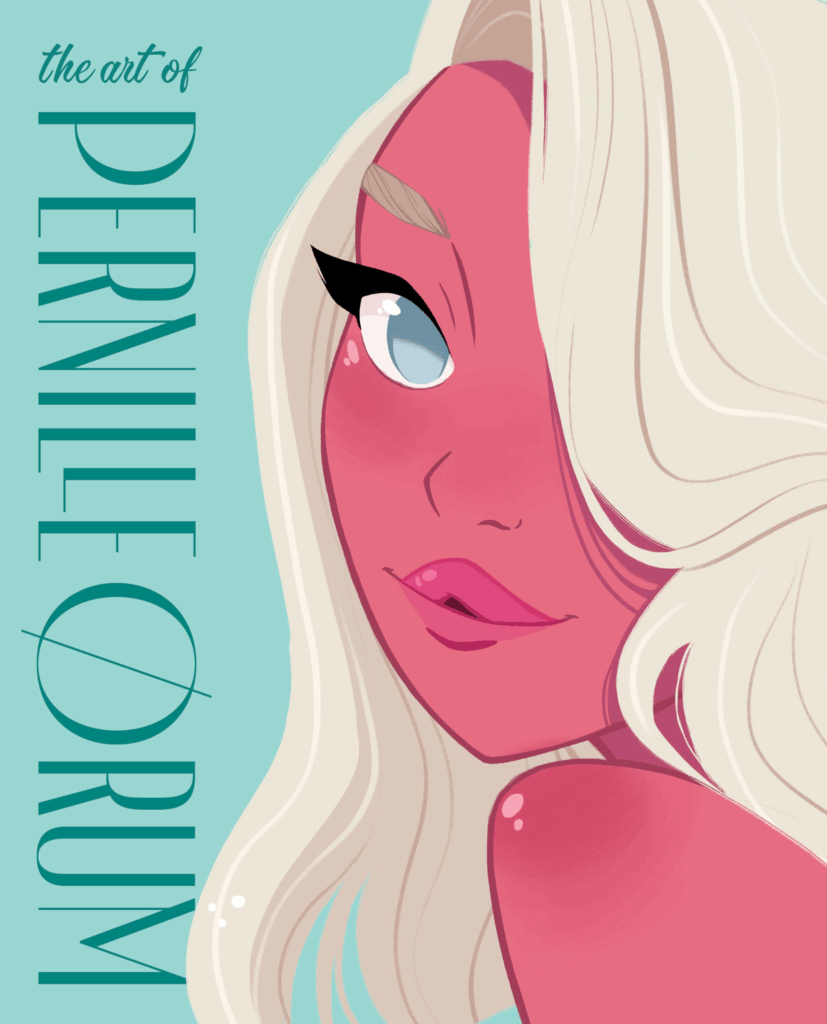
    Her work as a character designer has led her to work for Disney, DC and publish a number of books. I own her book the art of Pernille Orum which details her process of designing characters and how she approaches artworks.

    Pernille Ørum. The Art of Pernille Ørum. Worcester, 3Dtotal Publishing, 2020.