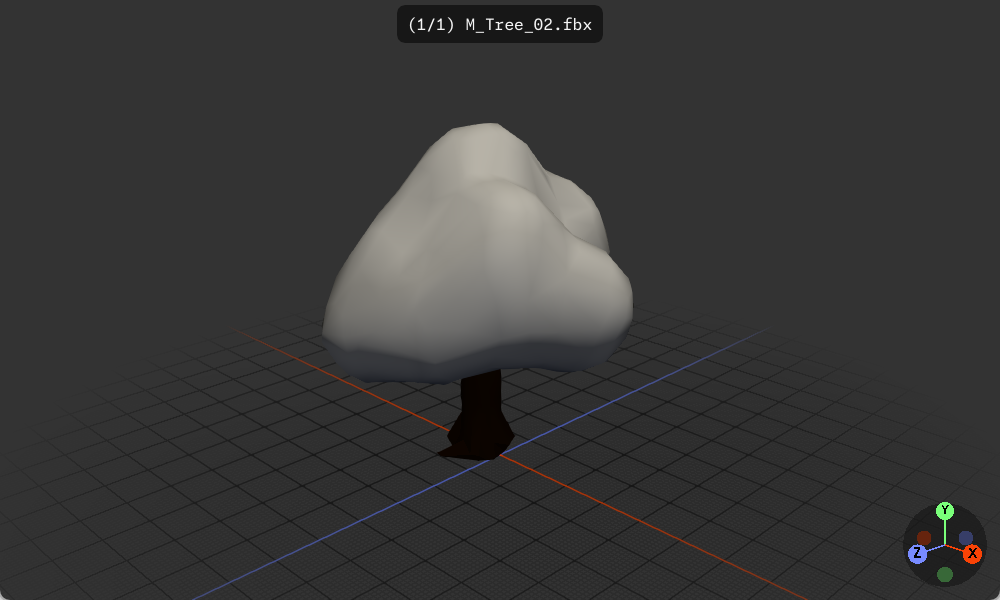
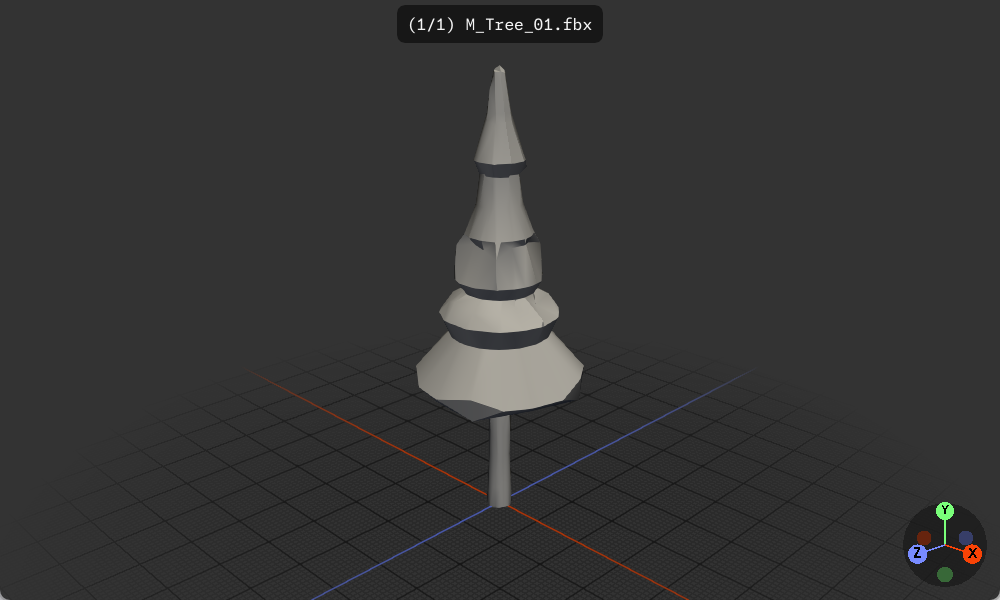
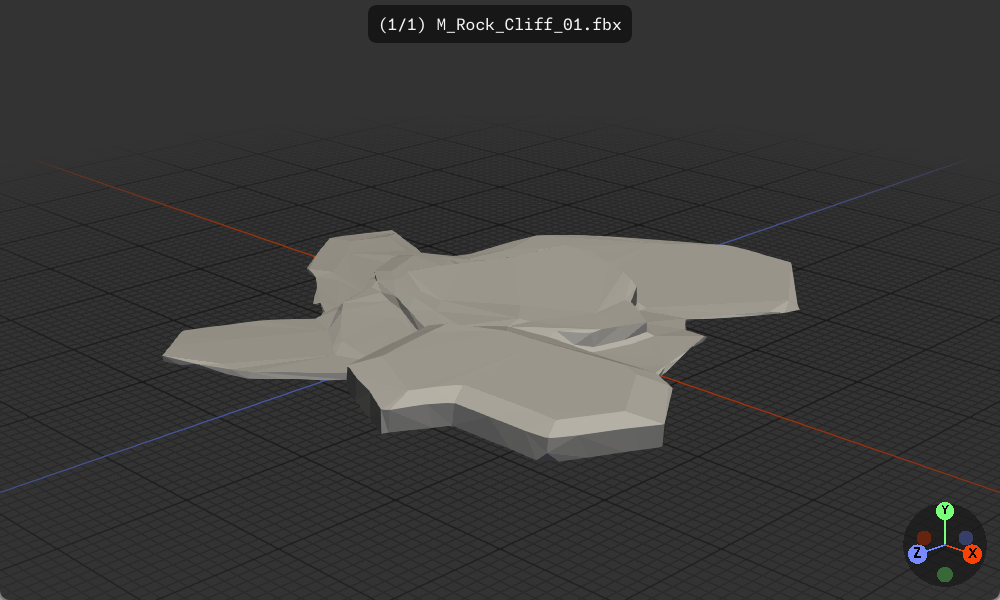
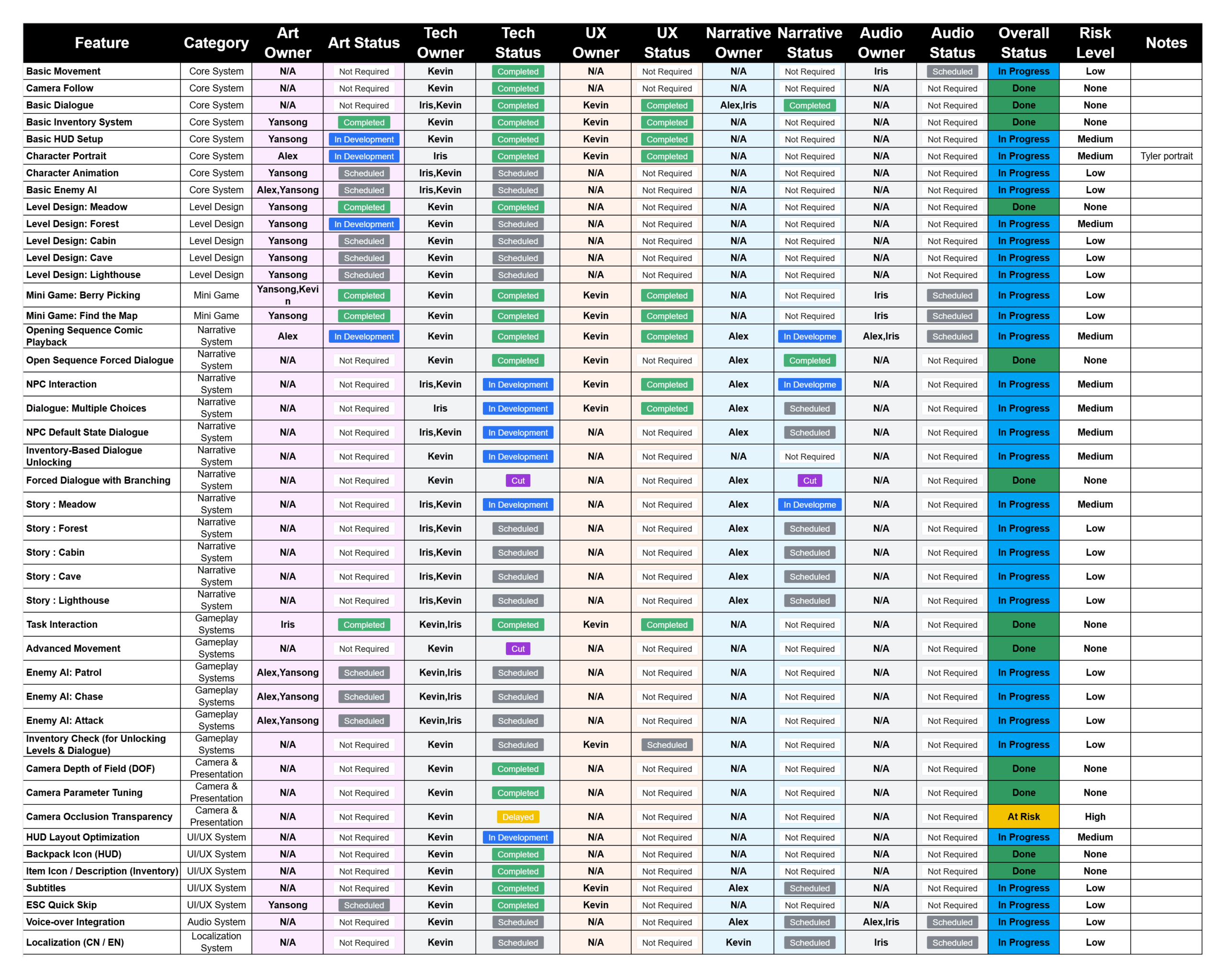
Before starting the actual development, I broke down the expected game loop and required systems for The Verdant Trail based on the project’s core gameplay goals. The game was not planned to be a simple collecting game, but a camp-based survival interaction experience built around story progression, NPC relationships, item delivery, and chapter unlocking.
Game Loop
The expected core game loop could be summarised as:
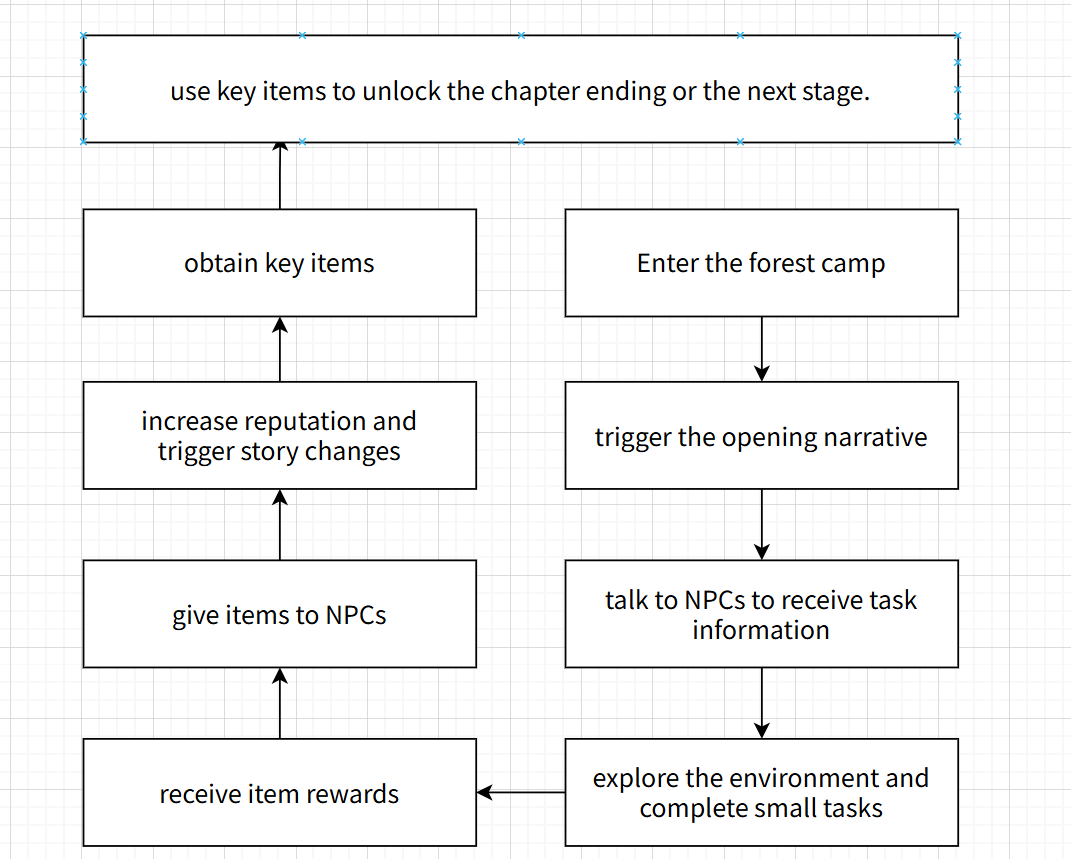
This loop would act as the main design guideline for the whole project. As the Technical Designer, I needed to break this loop down into practical systems that could be implemented in Unity, so that each gameplay step had clear technical support behind it.
Player Movement and Exploration System
The game would first need a basic player movement system, allowing the player to explore the forest camp.
Opening Narrative and Player Lock System
At the beginning of the game, I expected the player to first experience an opening narrative sequence. The purpose of this design was to help the player understand the current situation, character relationships, and main objective before freely exploring the scene.
This system would need to include:
- Automatically triggering the opening story after entering the map
- Temporarily locking player movement and interaction
- Hiding or delaying some UI elements
- Unlocking player control after the dialogue ends
- Returning the player to normal exploration mode
NPC Dialogue System
The NPC dialogue system was expected to be one of the main systems for progressing the game. The player would talk to Marcus or Sierra by pressing E, receive task information, deliver items, and access different dialogue branches based on the current game state.
This system would need to include:
- Press E interaction prompts
- Different dialogue for the first conversation and later conversations
- Dialogue text reading
- Dialogue choice display
- Character portrait switching
- Dialogue changes based on inventory items, reputation, and story state
Task Mini-game System
The game was expected to include several lightweight tasks, allowing the player to obtain items through small interactions rather than receiving rewards directly.
Possible tasks included:
- Collecting berries
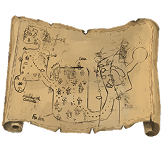
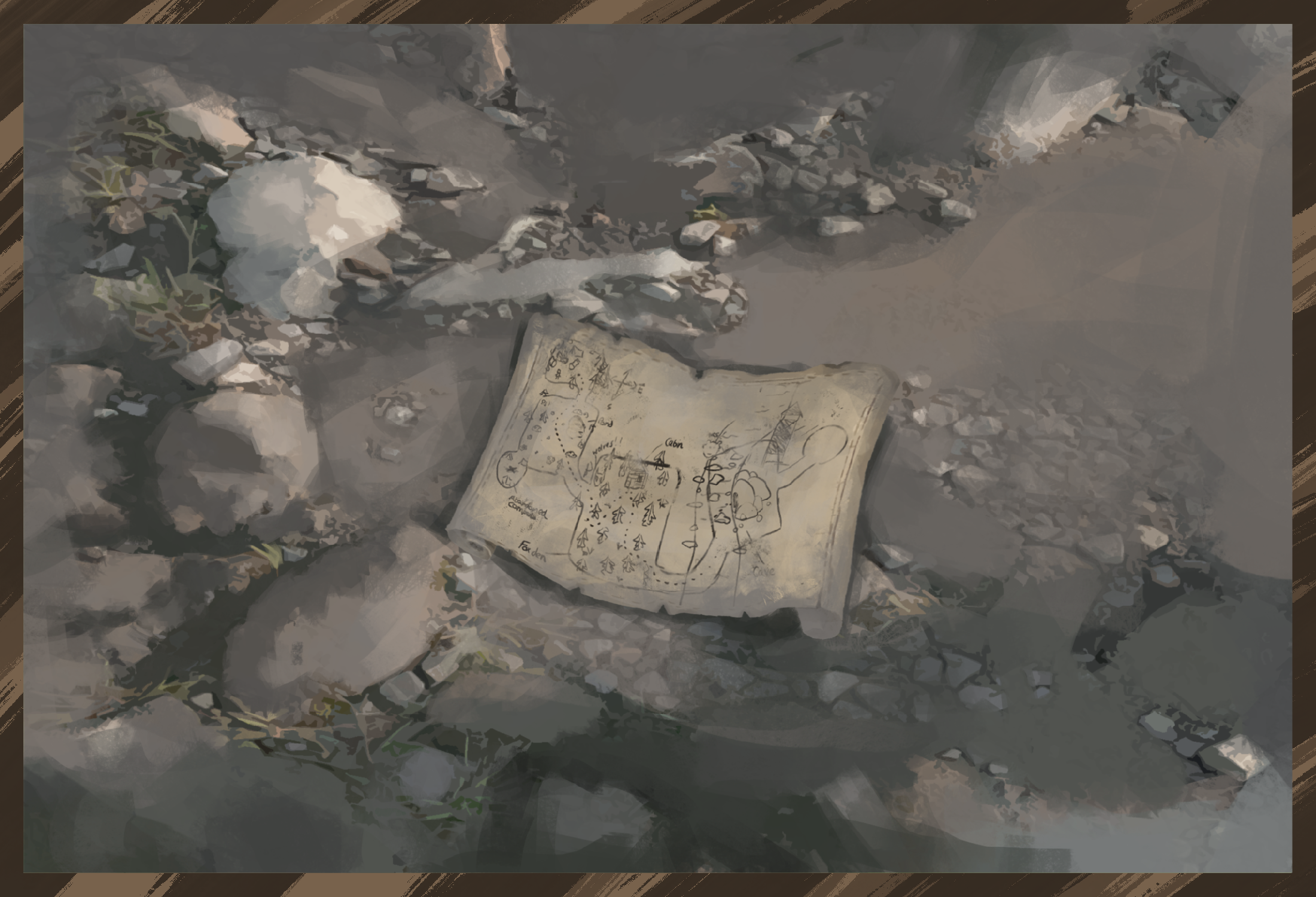
- Moving stones to find a map
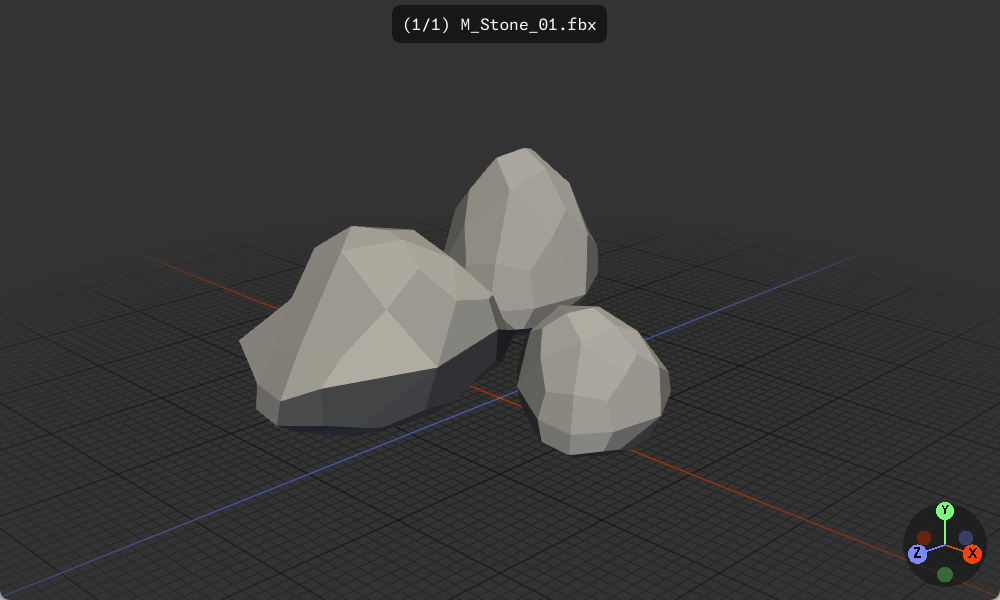
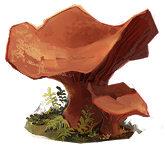
- Picking up special items in the scene, such as a mushroom
This system would need to include:
- Showing a Press E prompt when the player approaches a task point
- Opening the task UI after pressing E
- Changing the game state to prevent other interactions from interfering
- Allowing the player to complete clicking, dragging, or picking-up actions
- Giving a reward after the task is completed
- Closing the task UI and returning to normal exploration
Item and Inventory System
The inventory system was expected to record the items obtained by the player, while also acting as an important data layer for story progression and chapter unlocking.
This system would need to include:
- Adding items
- Consuming items
- Checking whether the player owns a specific item
- Displaying item icons, names, and descriptions
- Showing items in the order they were obtained
- Task reward pop-ups
- New item notifications
Reputation System
The reputation system was expected to represent the changing relationship between the player and the NPCs. By delivering items or choosing suitable dialogue options, the player could increase their reputation with Marcus or Sierra.
This system would need to include:
- Recording reputation values for different NPCs
- Increasing or decreasing reputation
- Limiting the value range
- Passing reputation values into the dialogue system
- Unlocking new dialogue or key items based on reputation levels
Key Item and Chapter Progression System
The chapter progression was expected to depend on key items. The player would need to obtain certain items, such as a Map and a Compass, through tasks and NPC relationships before being able to pass the forest boundary or enter the next stage.
This system would need to include:
- Checking whether the player owns the required key items
- Showing a warning message if the player is missing equipment
- Triggering the chapter ending screen when the conditions are met
- Showing “Chapter II Coming Soon” or moving to the next level
User Interface and Feedback System
To help the player understand the current game state, the game would need a clear UI and feedback system.
This system would include:
- Press E interaction prompts
- Inventory interface
- Item detail panel
- Task completion feedback
- Reward pop-ups
- Inventory notification dots
- Dialogue choice buttons
- Chapter ending screen
- Warning text when key items are missing
Global State Management System
Since the player might be close to NPCs, task points, items, and exits at the same time, the game would need a global state management system to prevent multiple interactions from being triggered at once.
This system would need to include:
- Normal exploration state
- Task UI state
- Inventory UI state
- Opening lock state
- Preventing dialogue, tasks, inventory, and movement from conflicting with each other