Early Art Direction & Engine Feasibility
Technical Exploration
At the early stage of development, the team faced a fundamental question: how the visual direction defined in the GDD could be realistically implemented within the technical constraints of a small team project.
The GDD proposed a pixel-based visual style inspired by narrative exploration games. However, the team initially explored several different technical approaches to achieve this aesthetic.
Three potential development paths were discussed:
1. Unity
2. Unreal Engine 5
3. A lightweight narrative-focused engine
At the same time, we also evaluated two possible visual production approaches:
1. A stylised 3D environment workflow
2. A traditional hand-drawn 2D pixel art pipeline
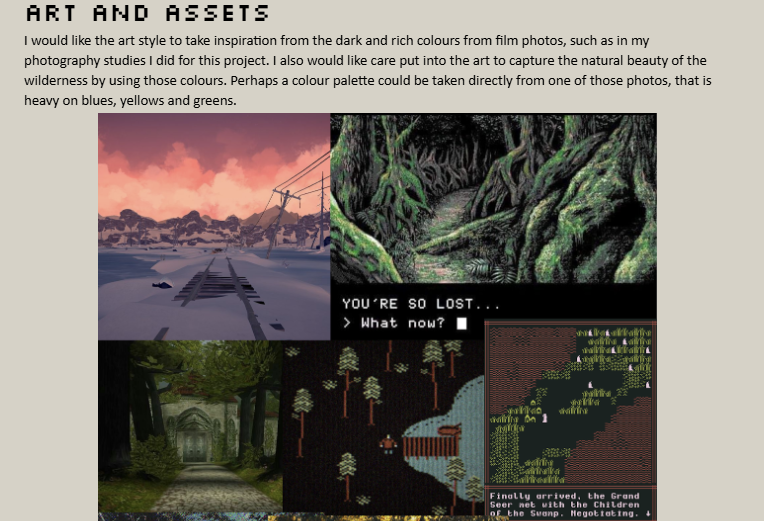
GDD art
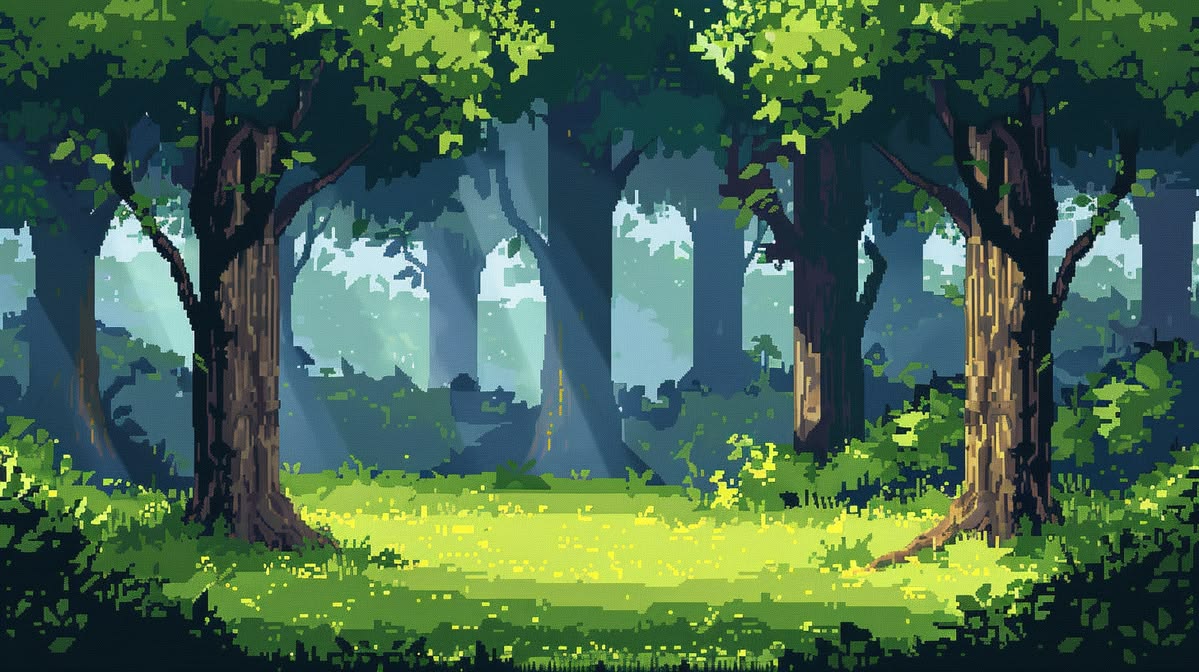
2D pixel art
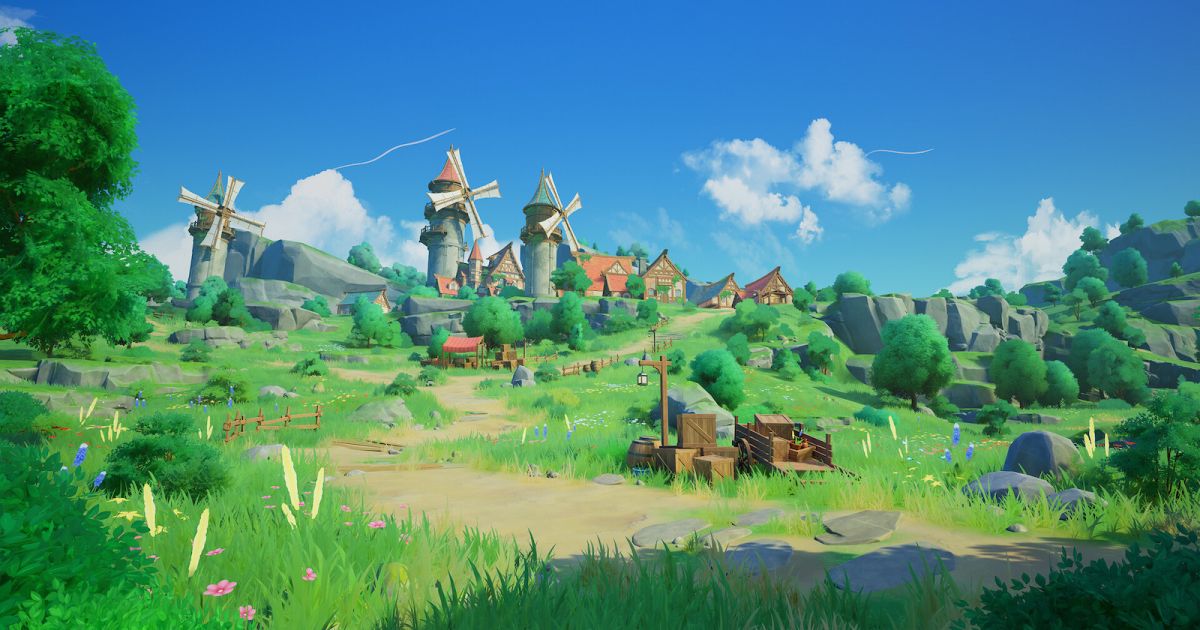
3D environment
Problem
During these discussions, a key issue quickly became apparent.
A fully hand-drawn pixel art workflow would require producing a large number of tiles, environment sprites, and animation frames. For a small team with limited production time, this approach would significantly increase the art workload and slow down iteration speed.
On the other hand, adopting a purely stylised 3D approach risked drifting away from the pixel aesthetic defined in the GDD, potentially weakening the intended visual identity of the project.
This created a production challenge:
How could the team maintain the pixel-art visual identity while keeping the production workflow manageable?
Solution
To address this challenge, I proposed a hybrid visual pipeline based on Unity.
The core idea was to construct environments using stylised 3D assets while applying a camera-driven pixelisation filter in Unity to convert the final rendered image into a pixel-style presentation.
Using tools such as Unity’s Stylizer color grading and camera filter system, scenes could be processed in real time so that the final output visually resembled pixel art while still benefiting from the flexibility and efficiency of 3D scene construction.
This approach provided several advantages:
1. Faster environment construction through 3D blockouts
2. Greater control over scene composition and camera framing
3. Reduced sprite production workload
4. A final visual output closer to the pixel style defined in the GDD
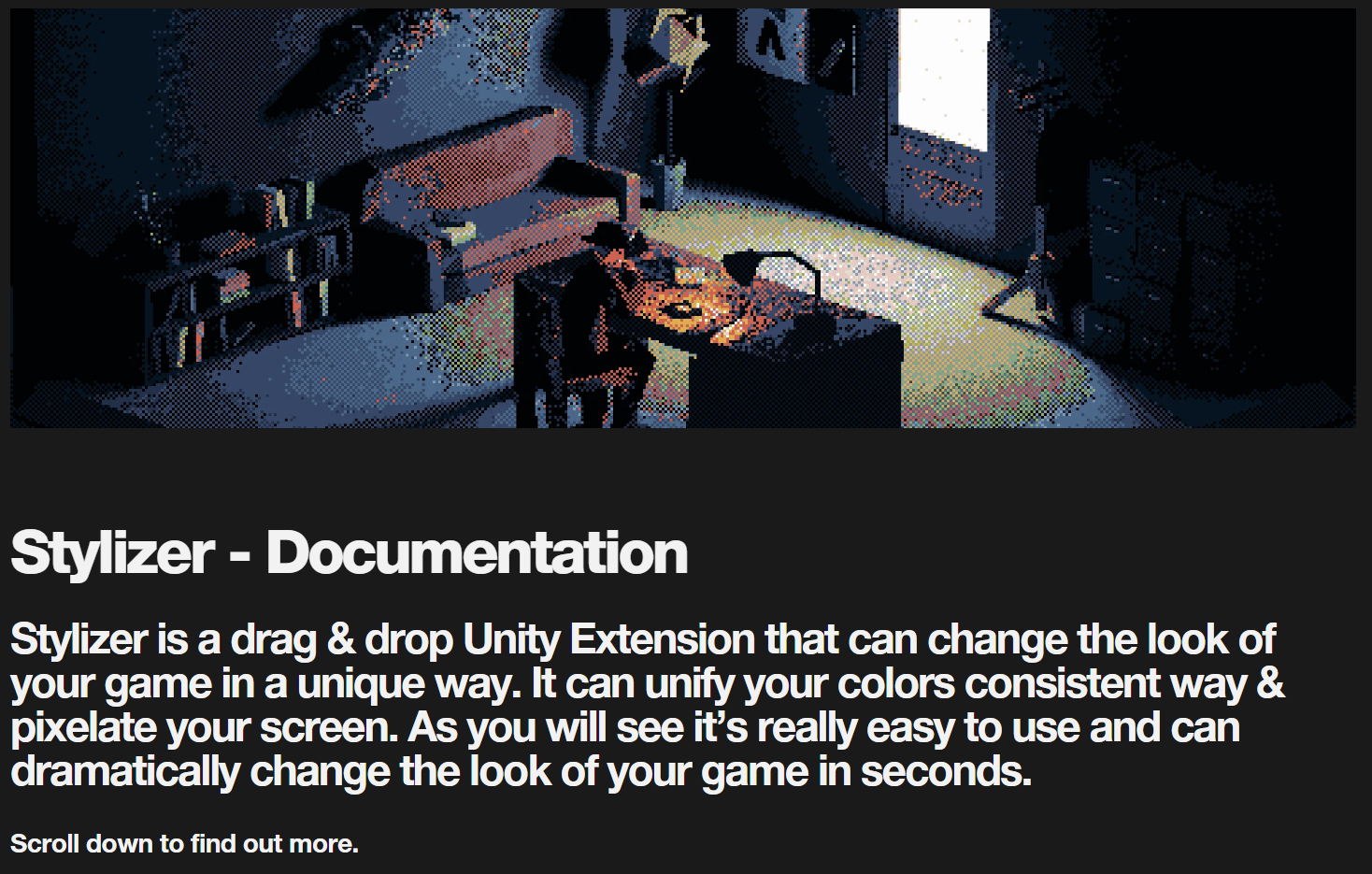
After discussing this pipeline within the team, we decided to adopt Unity as the project engine and develop the game using this hybrid 2.5D visual workflow.
Outcome
Following this decision, I began developing the project’s Art Bible and visual pipeline documentation as both the technical art lead and art lead.
This documentation was created after validating the visual implementation approach inside Unity and served as a production guideline for the team.
The document formalised several key aspects of the project:
1. defining the project’s visual philosophy
2. establishing pixel presentation standards
3. documenting asset structure and hierarchy
4. outlining scene implementation rules within Unity
By translating the early technical decisions into a structured visual guideline, the team was able to maintain stylistic consistency while ensuring that all art production remained compatible with the technical pipeline established during early development.