Technical Artist / Art Implementation
1.Research Aim
The aim of this research was to understand the role of a Technical Artist in game development and how this role could be applied to my contribution in The Verdant Trail. Since my work involved Unity implementation, camera testing, pixel-style presentation, and scene readability, I needed to understand how Technical Artists support both visual direction and technical production.
2.What Is a Technical Artist?
A Technical Artist works between artists, designers, and programmers. Their role is to help make sure that visual ideas can be implemented effectively inside the game engine. Based on industry role research, I understood that Technical Artists often support asset workflows, shaders, materials, lighting, tools, optimisation, and technical problem-solving. Their work helps protect a project from visual inconsistency, inefficient workflows, and art direction that cannot be realised properly in production.
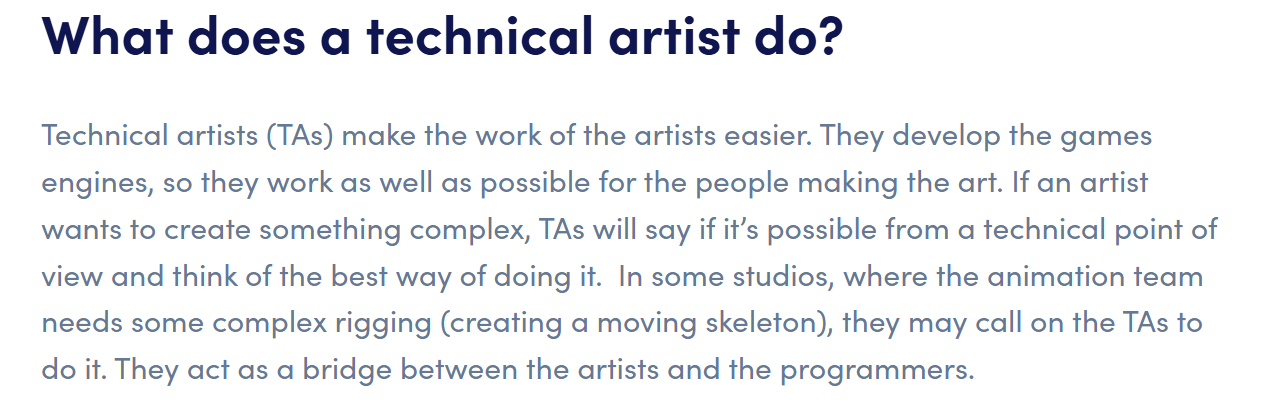
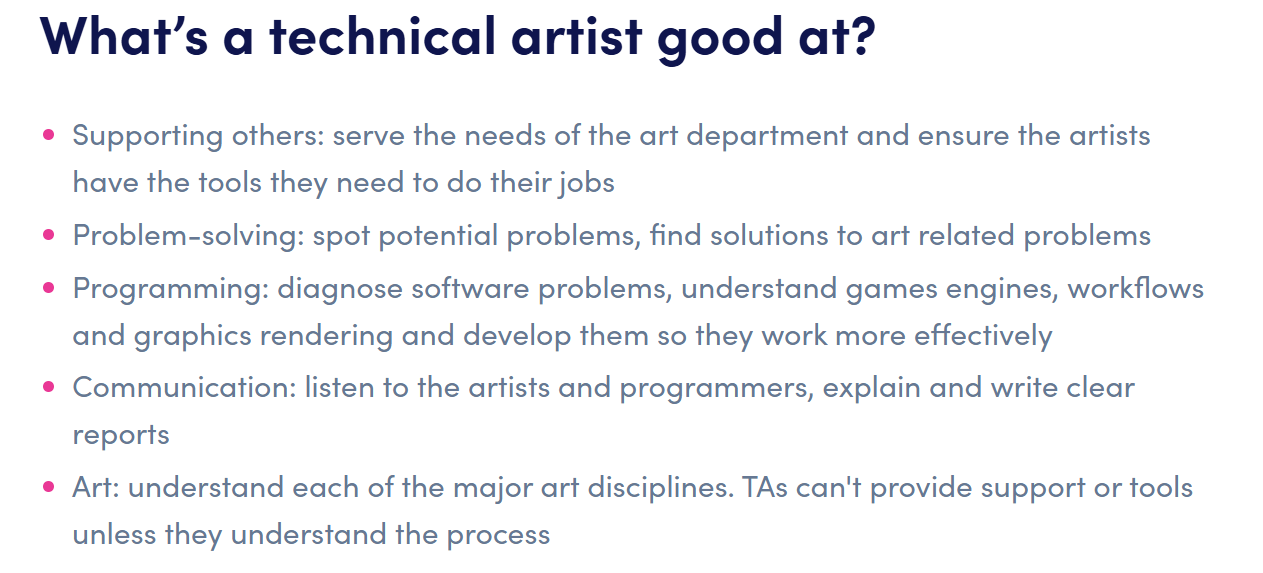
Figure 1. Forest Path Width and Character Scale TestTechnical artist in the games industry – ScreenSkills
3.Technical Artist in Relation to My Project
This research was relevant to The Verdant Trail because our project uses a 2.5D pixel-inspired visual style in Unity. The game was not developed as a full multi-level product, but as a focused prototype scene. Therefore, the Technical Artist role in this project was mainly about testing how the forest scene could remain visually atmospheric while still being readable as a playable space.
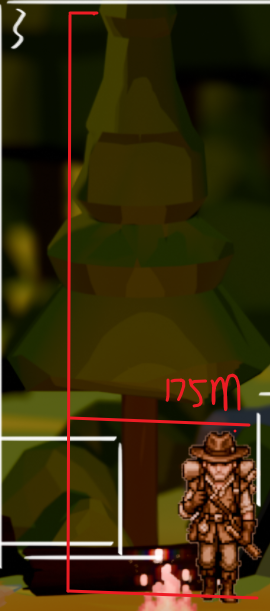
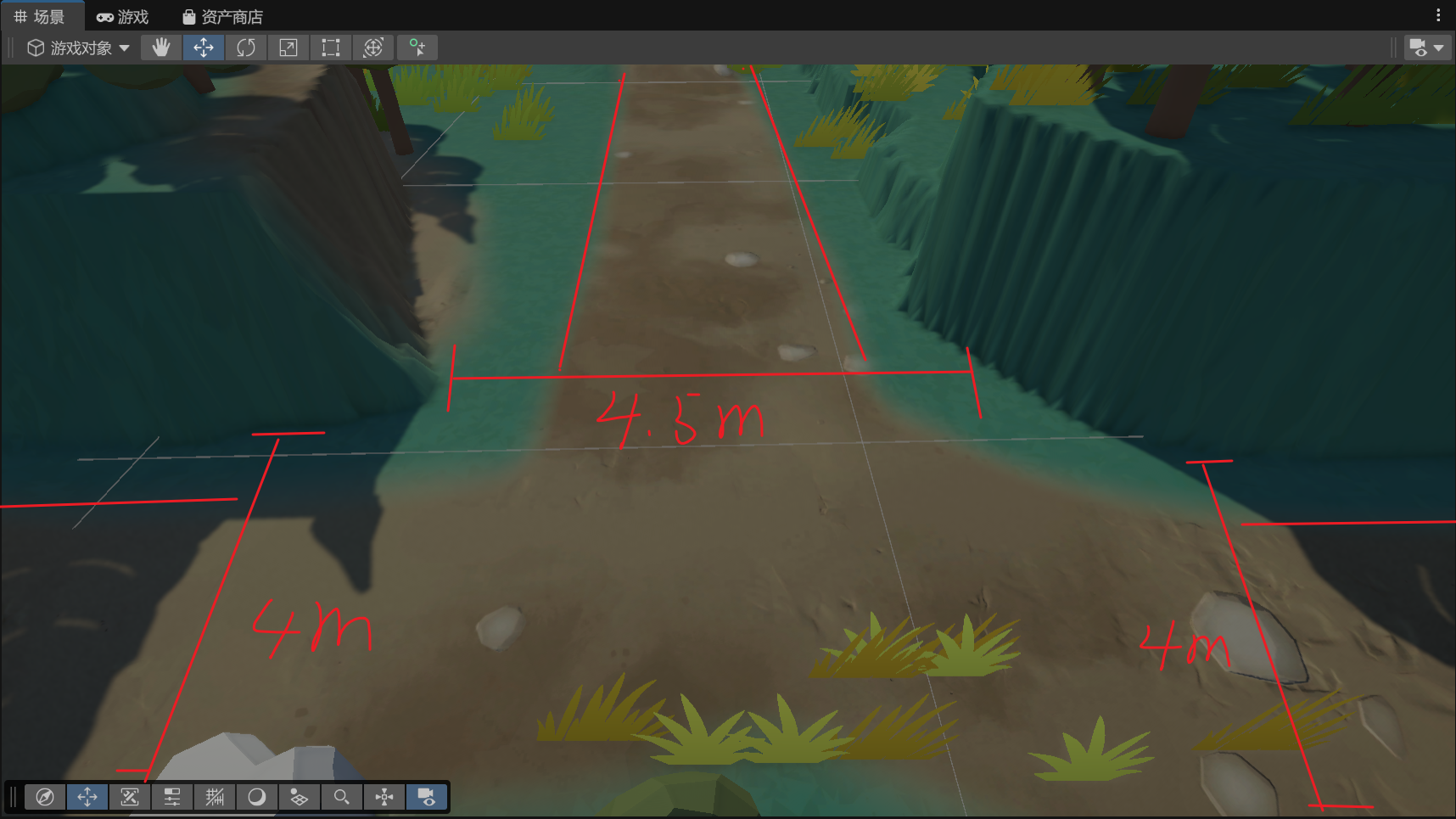
Figure 2. Technical Artist Application in the Forest Prototype
4.Research into Pixel / 2.5D Presentation
I also researched pixel-inspired 2.5D presentation. This helped me understand that pixel style does not only come from drawing pixel assets, but can also be created through camera distance, resolution control, filtering, lighting, and post-processing. This was important for our project because the forest scene needed atmospheric depth and scale, while still keeping a controlled pixel-like visual identity.
Figure 3. HD-2D / 2.5D Pixel Presentation Research
5.How This Research Informed My Decisions
This research informed my own project decisions in three ways. First, it helped me treat the pixel style as a final presentation layer rather than only an asset-production method. Second, it made me focus on camera distance, character scale, and path readability as technical art problems. Third, it helped me understand that visual atmosphere must be balanced with gameplay clarity. In the forest prototype, this meant controlling tree placement, asset density, path width, and visual hierarchy so that the scene could feel enclosed and oppressive without becoming confusing for the player.
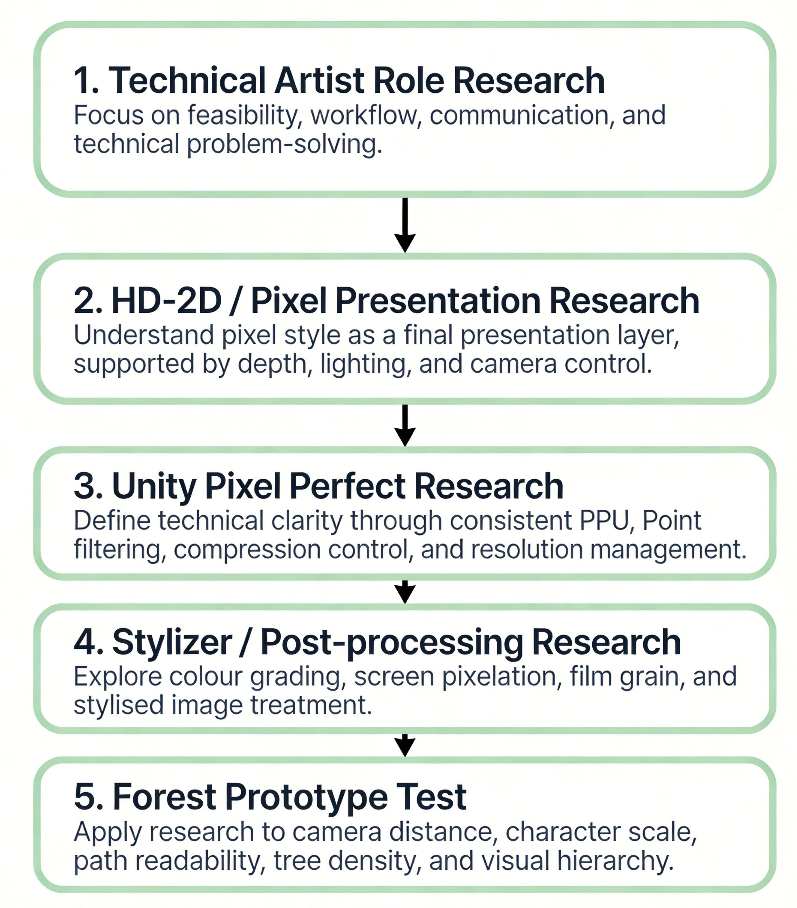
Figure 4. Research-to-Prototype Decision Diagram
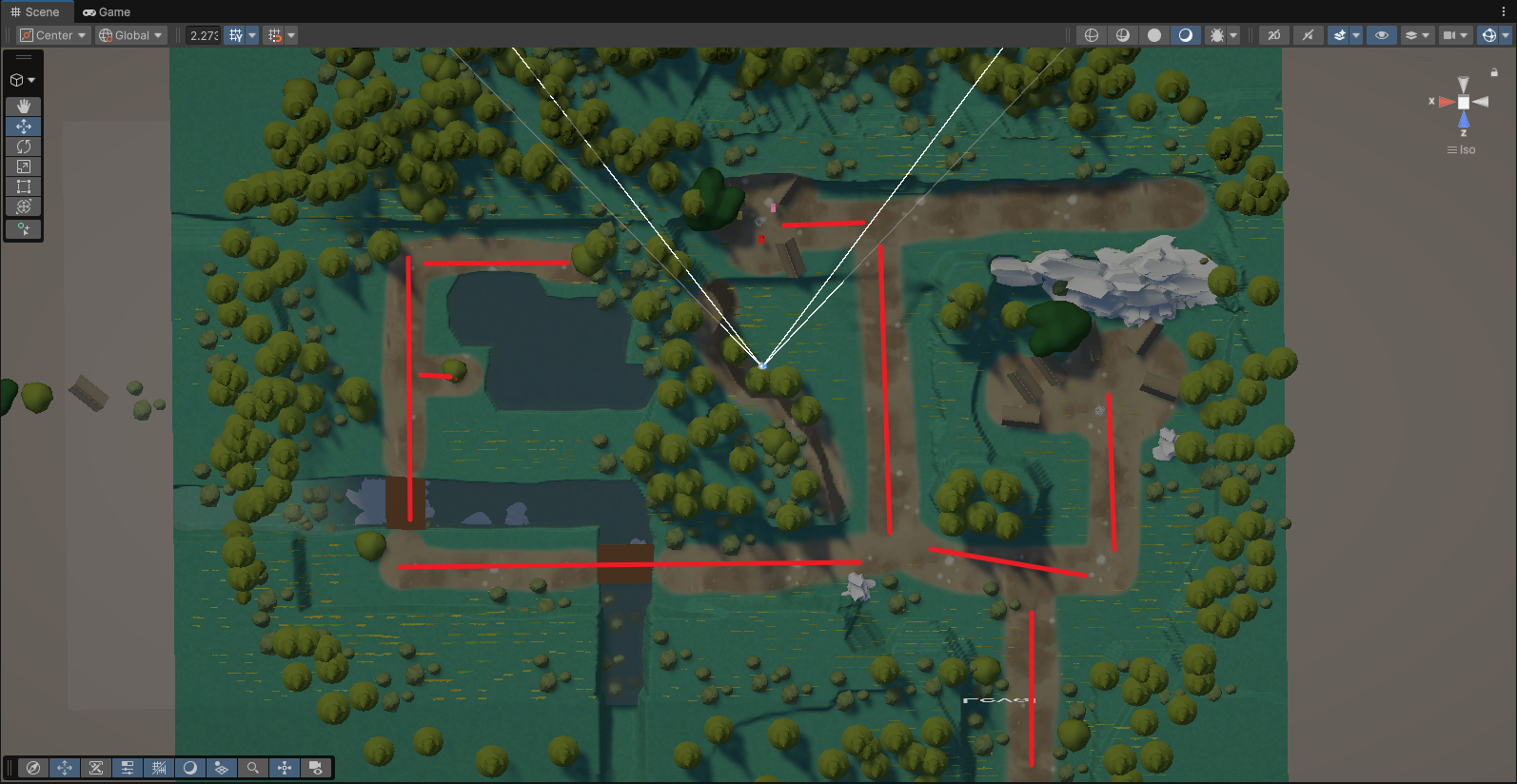
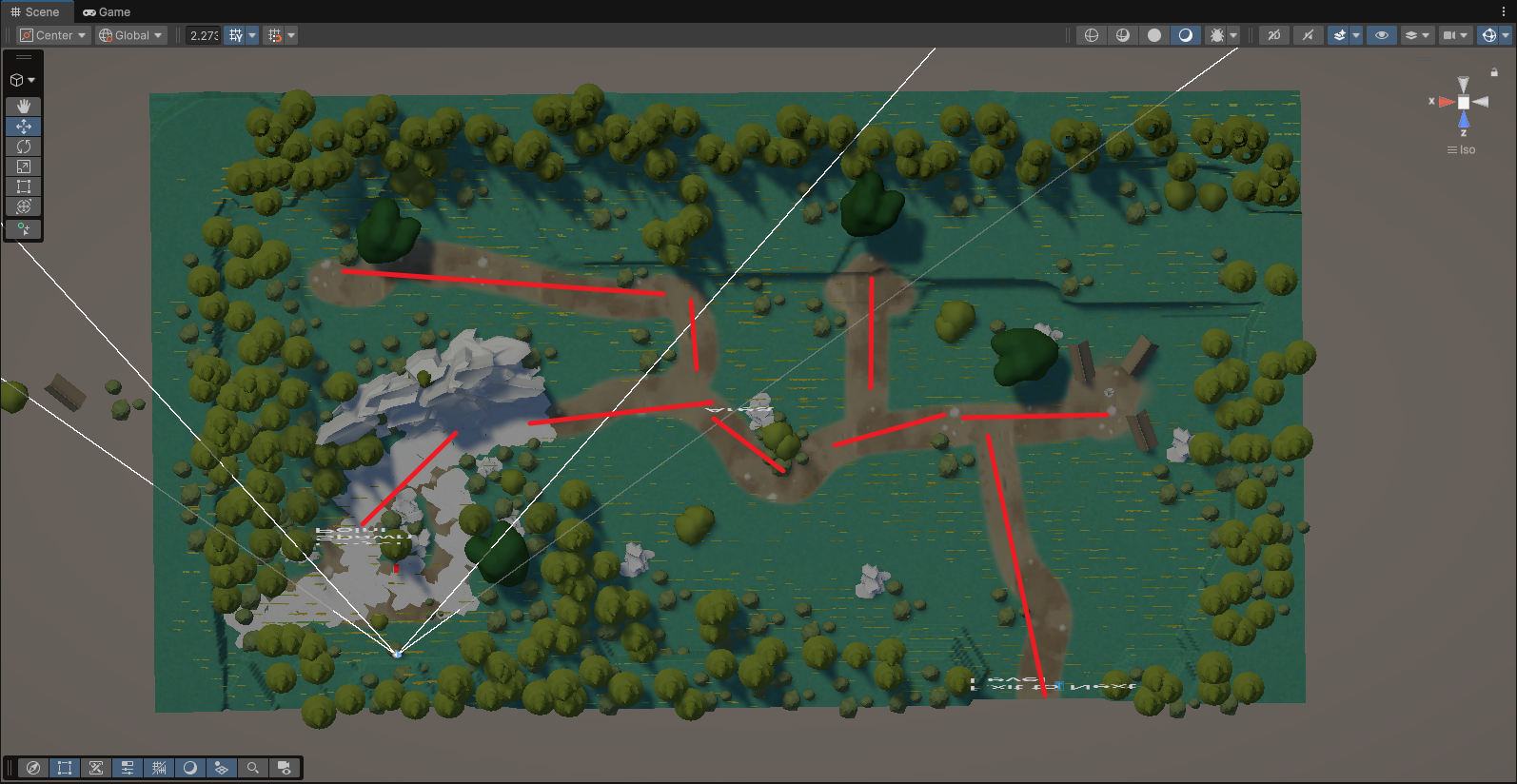
Figure 5. Before / After or Iteration Comparison
6.Reflection
Through this research, I learned that Technical Art is not only about technical execution, but about making artistic decisions practical, testable, and usable in production. For The Verdant Trail, this helped me understand my role more clearly: I was not only supporting the visual style, but also helping the team test whether the style could work inside Unity as a readable game scene.
Sources Used
ScreenSkills. (n.d.) Technical artist in the games industry. Available at: https://www.screenskills.com/job-profiles/browse/games/technical-art/technical-artist/
Used to understand the Technical Artist role as a bridge between artists and programmers, and how TA supports feasibility, workflow, communication, and technical problem-solving.
Unity Technologies. (n.d.) 2D Pixel Perfect documentation. Available at: https://docs.unity3d.com/Packages/com.unity.2d.pixel-perfect@latest/
Used to understand pixel-style technical settings, including Pixel Perfect Camera, sprite clarity, Pixels Per Unit, Point filtering, and compression control.
Epic Games / Unreal Engine. (2023) Octopath Traveler II builds a bigger, bolder world in its stunning HD-2D style. Available at: https://www.unrealengine.com/developer-interviews/octopath-traveler-ii-builds-a-bigger-bolder-world-in-its-stunning-hd-2d-style
Used to research how HD-2D combines pixel-inspired visuals with 3D space, lighting, camera depth, and modern spatial presentation.
beffio studio. (n.d.) Stylizer. Available at: https://www.beffio.com/stylizer
Used as early research into Unity-based colour grading, screen pixelation, film grain, and stylised image treatment.