2D Asset & UI Production
Gameplay-Driven Asset Design
uring level development, Kevin established the core gameplay mechanics for the first level based on the design documentation and early layout sketches.
These mechanics introduced several interactive elements within the environment, including collectible items and navigation tools.
To support these gameplay systems, I was responsible for designing the 2D visual assets used for interactive props and player interface elements.
The assets were created in Photoshop, ensuring that their visual style remained consistent with the overall art direction defined in the project’s Art Bible.
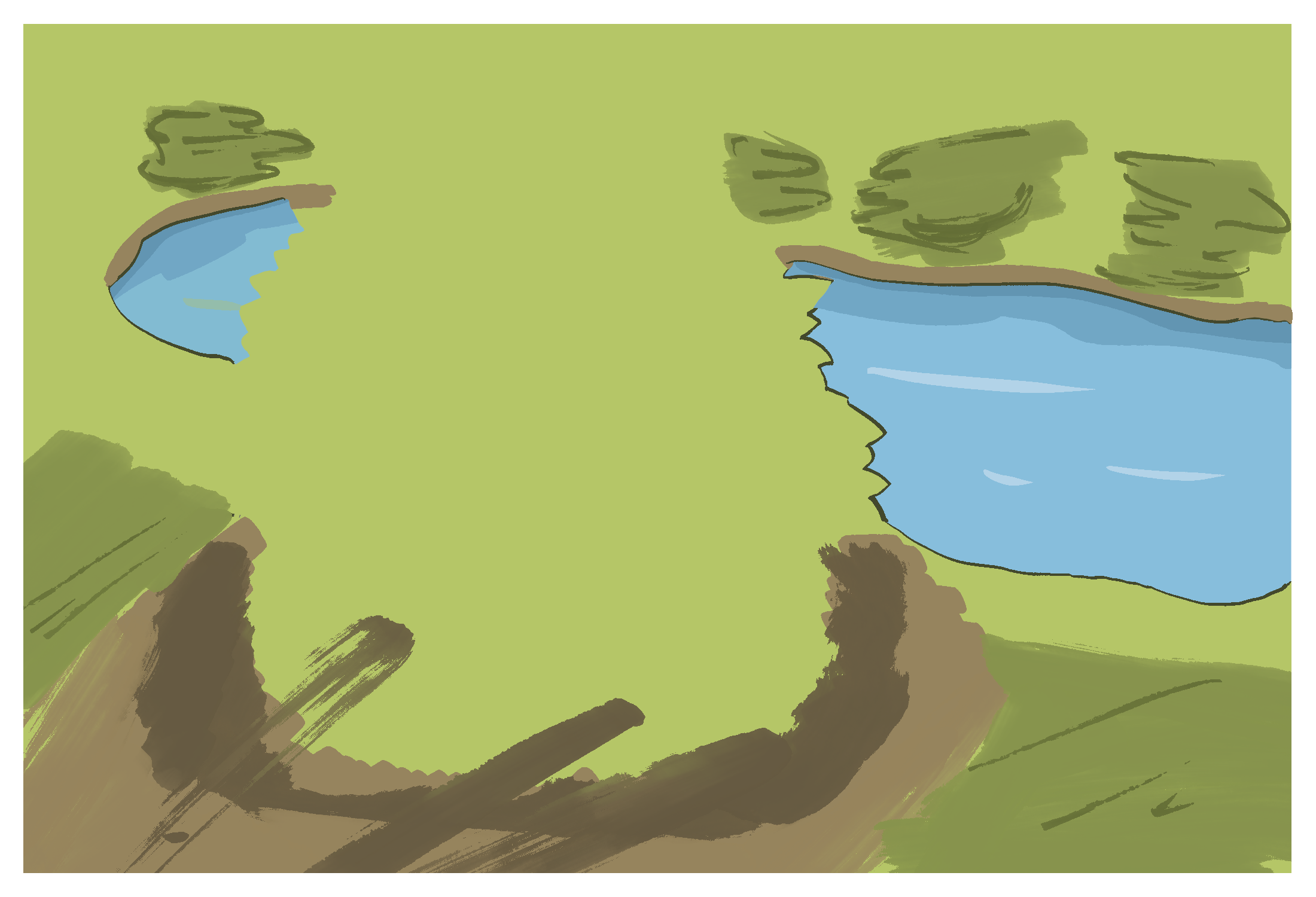
Kevin sketches
Interactive Props
Several key interactive props were designed to support the narrative exploration gameplay of the level.
Examples include:
Rock pile obstacle (environment interaction asset)
Signal pistol used as a narrative exploration tool
Hand-drawn exploration map discovered during gameplay
Compass navigation tool to assist player orientation
These props serve both functional and narrative purposes.
They provide gameplay feedback while also reinforcing the theme of exploration within the wilderness environment.
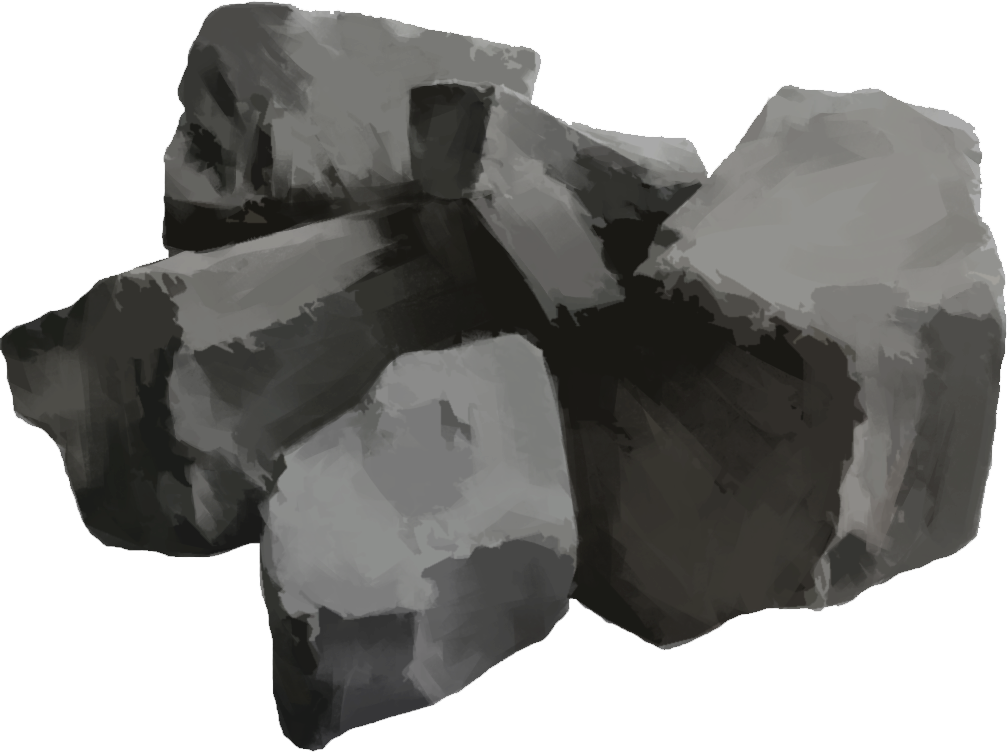

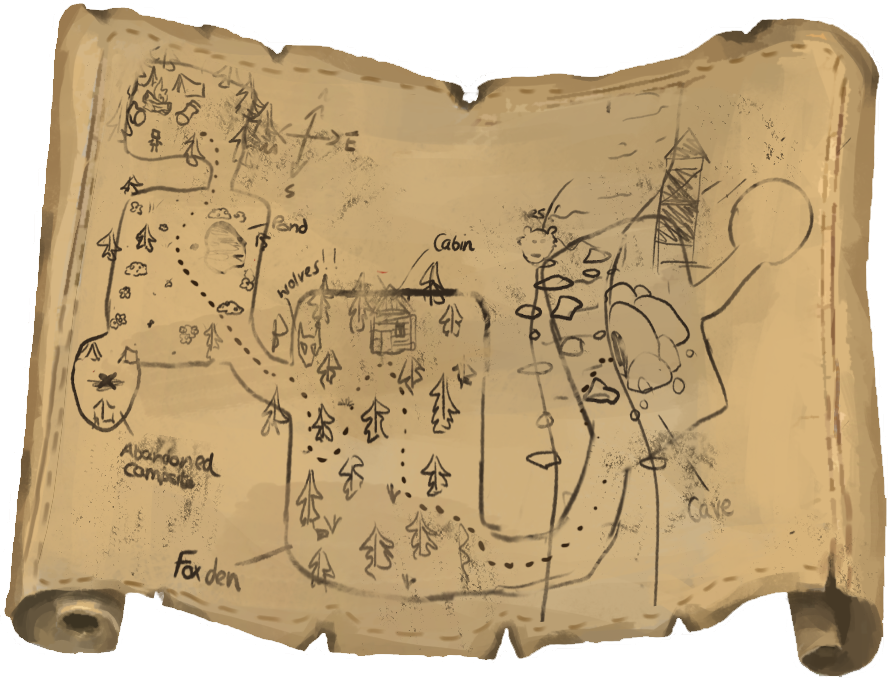
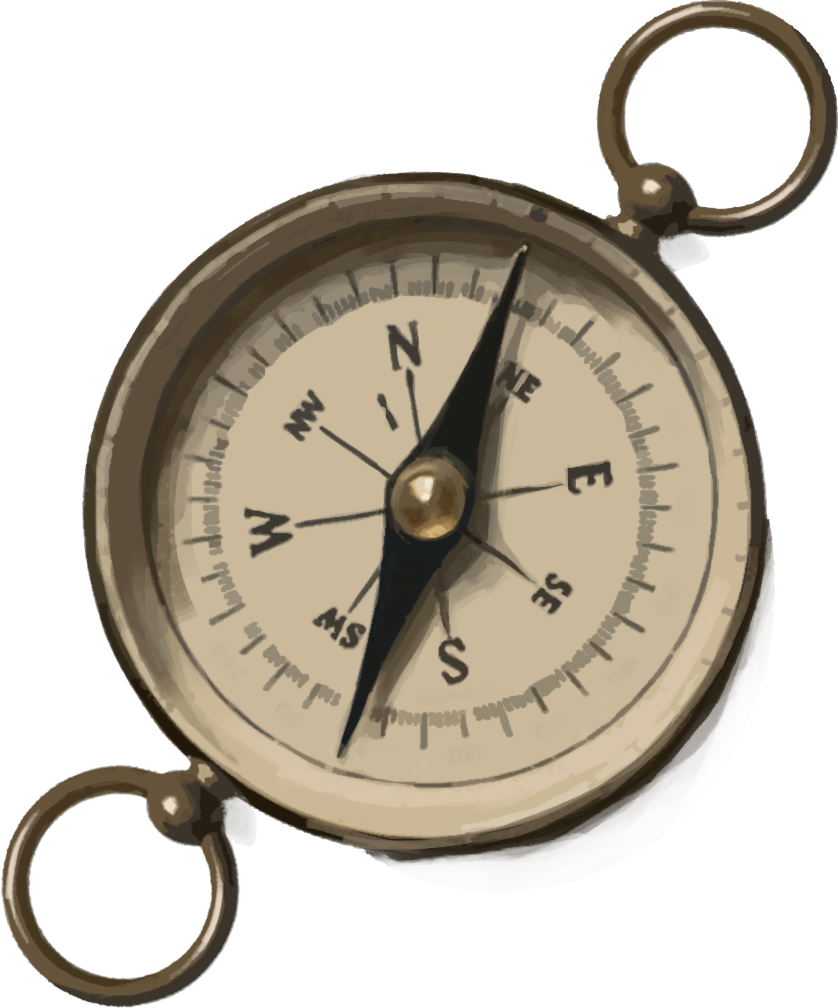
The UI design includes
UI & Inventory Elements
In addition to environmental props, I designed several UI elements for the player’s inventory system.
These interface components were created to support item collection and interaction feedback during gameplay.
The UI design includes:
Backpack inventory layout
Item slot structure
Collectible interaction prompts
The visual design follows the hand-drawn journal aesthetic, allowing the UI to feel integrated with the game’s narrative world while remaining clear and readable for gameplay.
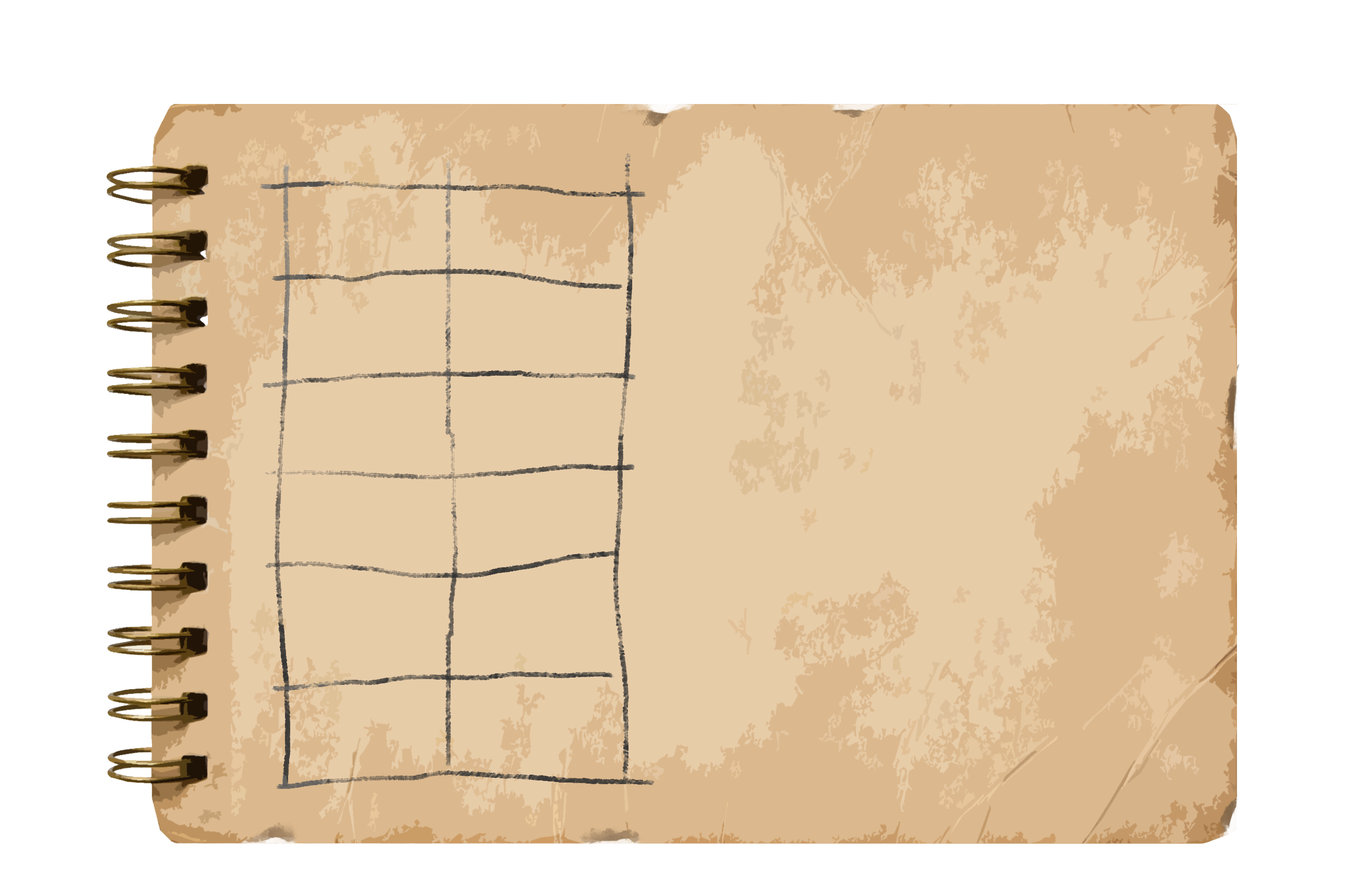
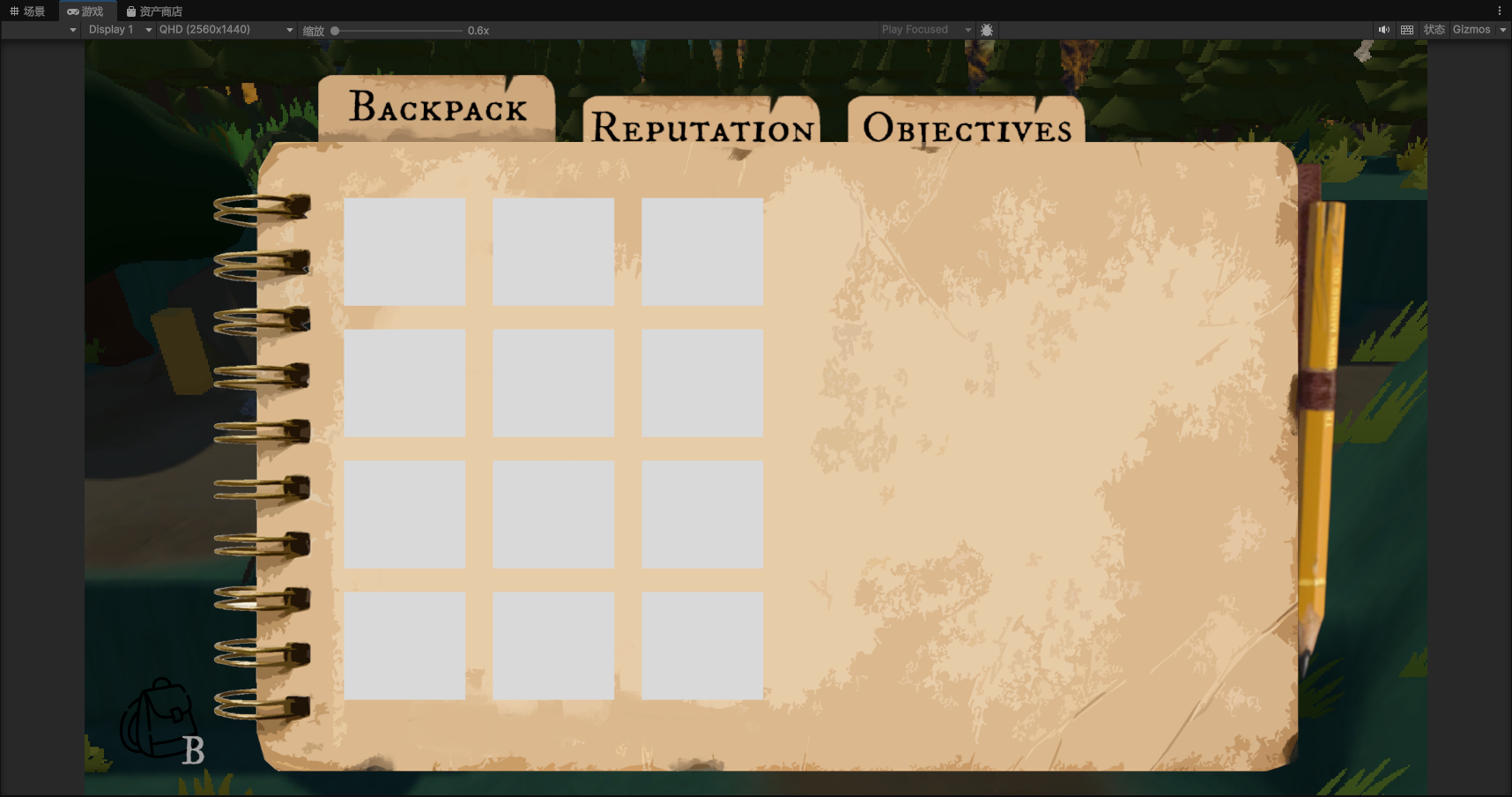
Backpack UI Layout
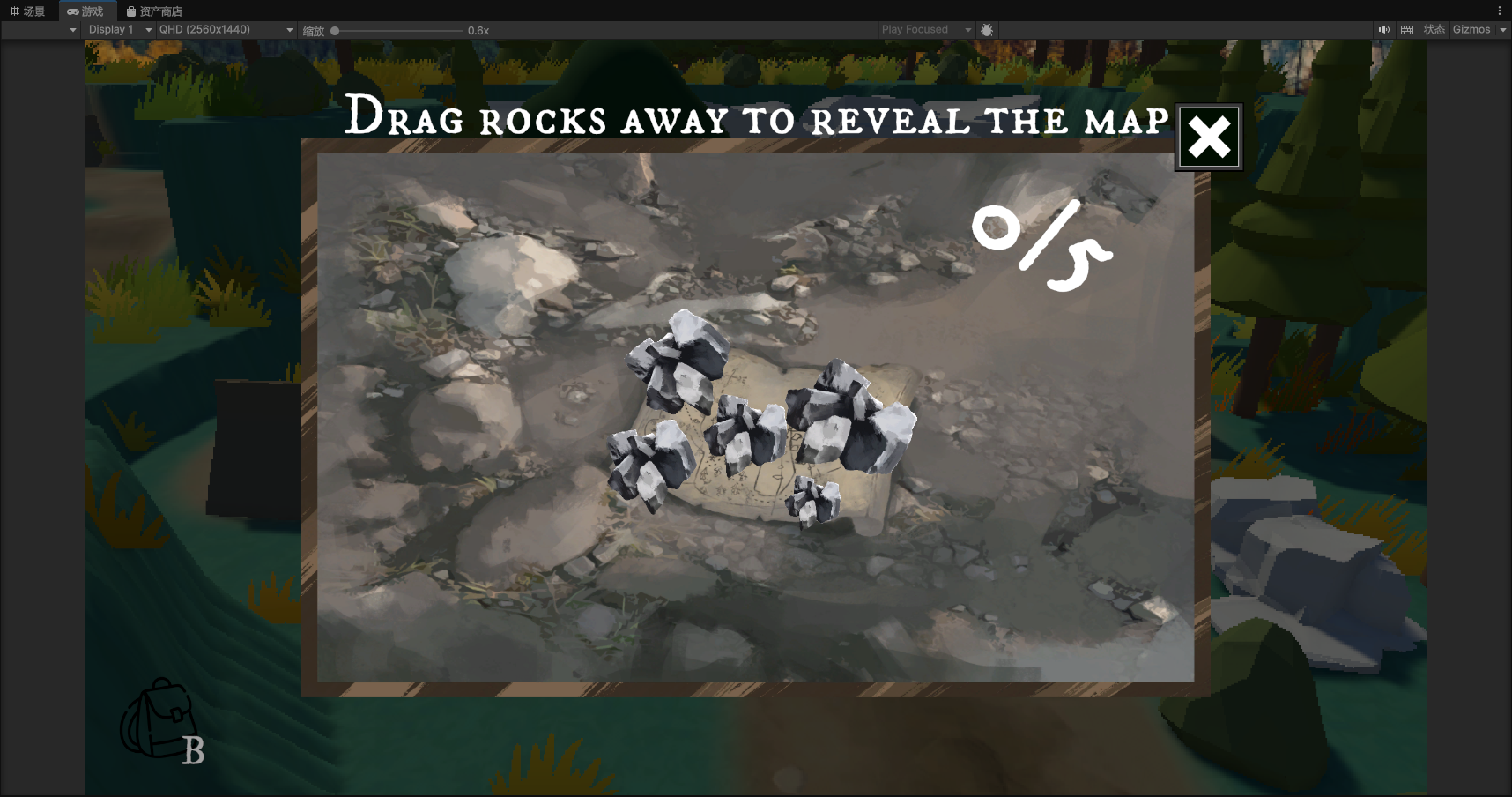
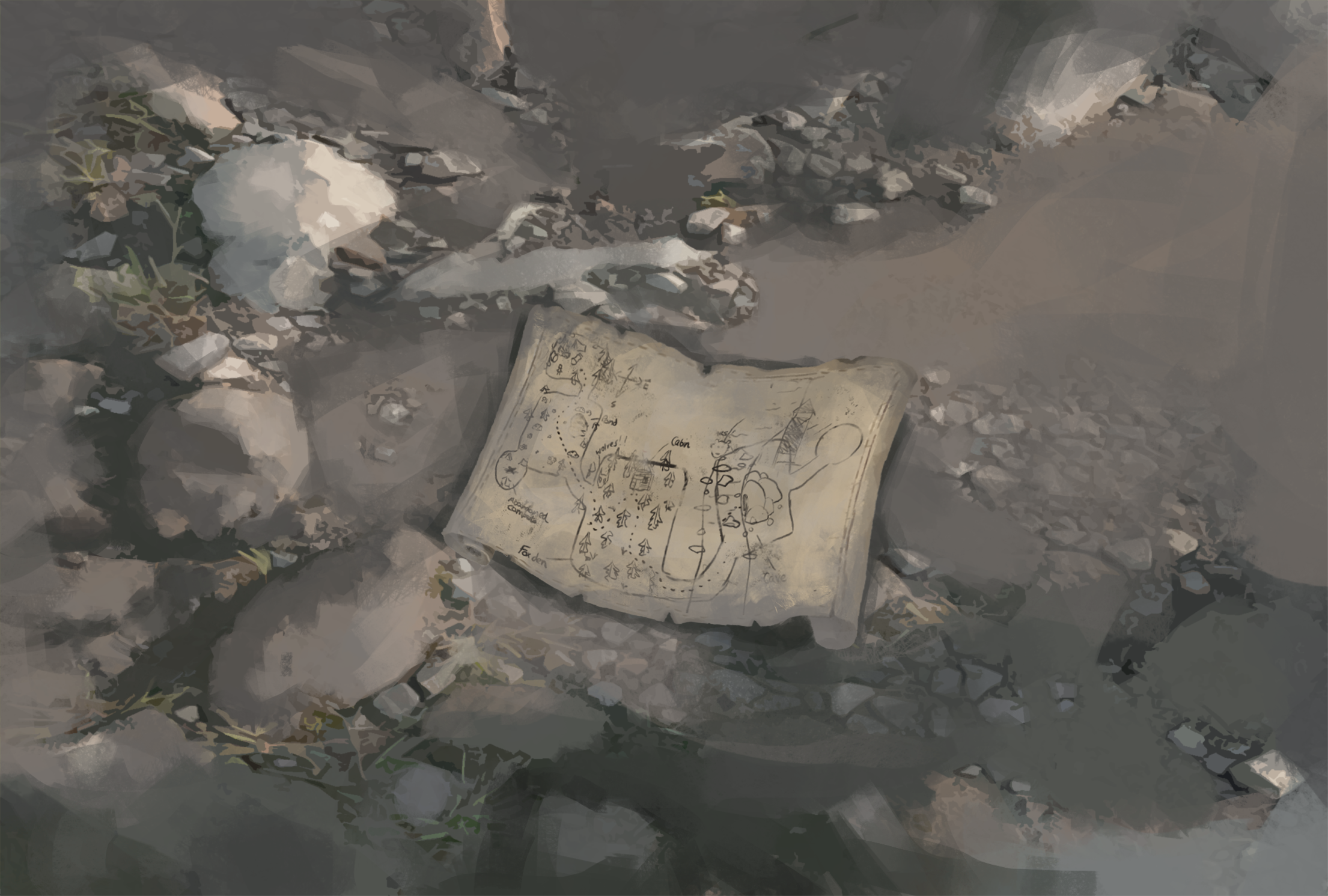
Interaction Prompt UI
Integration with Environment
These 2D assets were designed to integrate seamlessly with the environmental storytelling of the level.
For example, the hand-drawn map was presented as an in-world object discovered by the player, connecting gameplay navigation with narrative discovery.
This approach helps maintain a consistent relationship between gameplay mechanics, environmental design, and visual storytelling.