Conceptual Visual Design Research
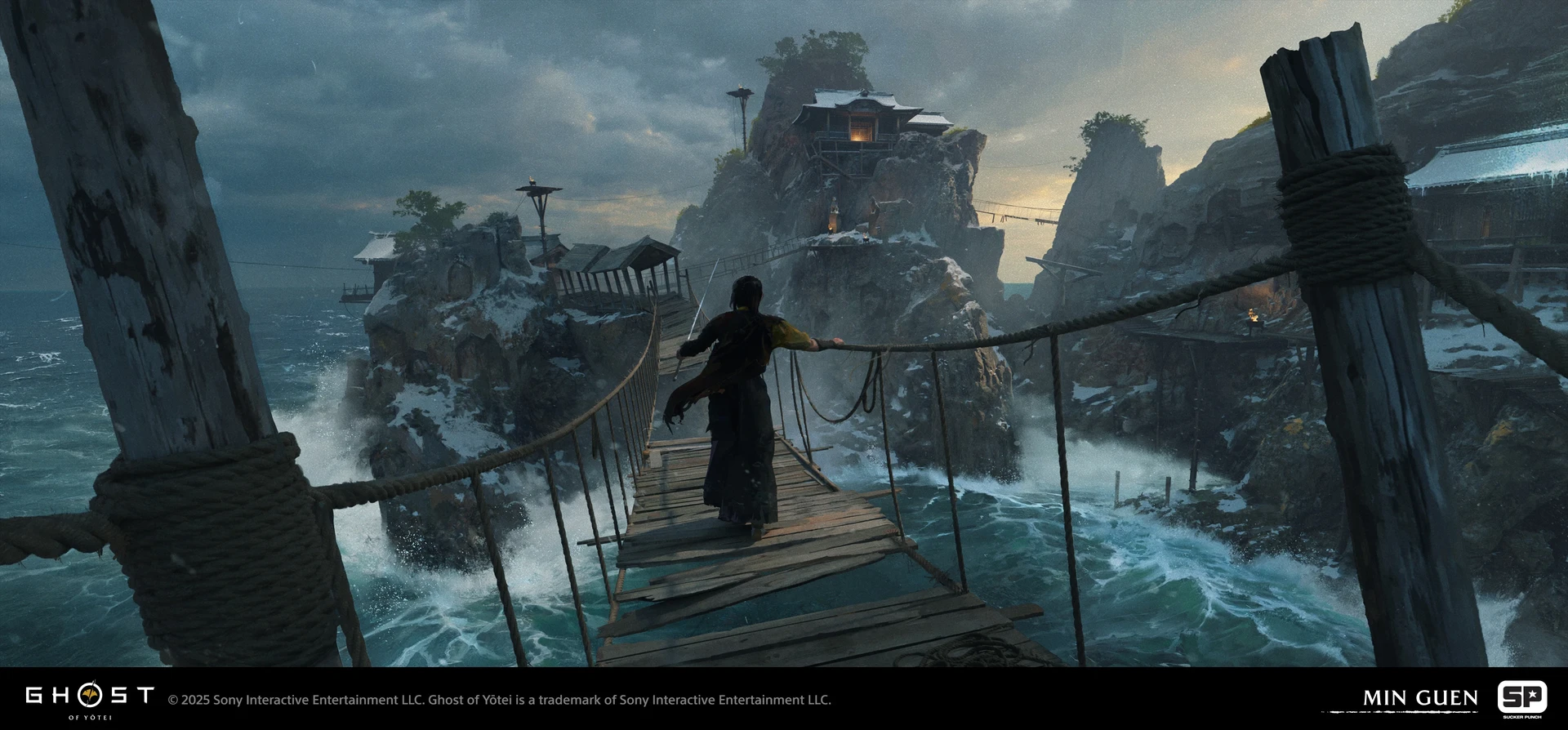
1.Visual Hierarchy as Information Control
In systemic world design, visual hierarchy operates as a mechanism for controlling information rather than guiding attention toward objectives. Contrast, scale, lighting, and compositional framing determine what is legible, ambiguous, or concealed at any given moment. Concept art therefore functions as an early-stage system design tool, testing how visual emphasis shapes player interpretation and decision-making before interaction occurs.
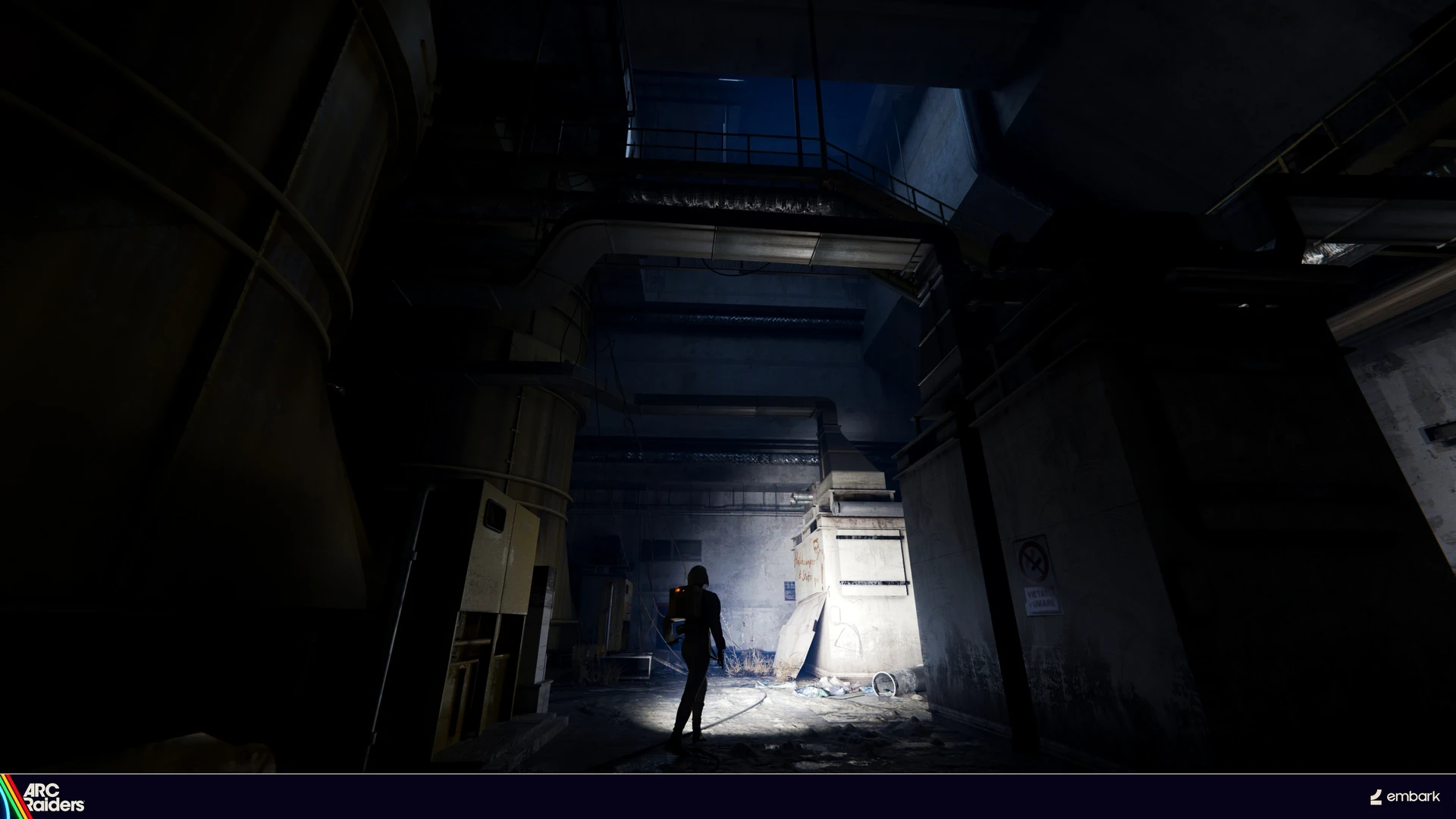
2.Architectural Language as World Logic
Architecture in systemic stealth environments communicates rules rather than story. Circulation paths, vertical layering, structural density, and material repetition encode possibilities and constraints directly into space. Conceptual worldbuilding focuses on how built forms regulate movement, exposure, and control, allowing the world to “explain itself” through spatial logic instead of narrative exposition.
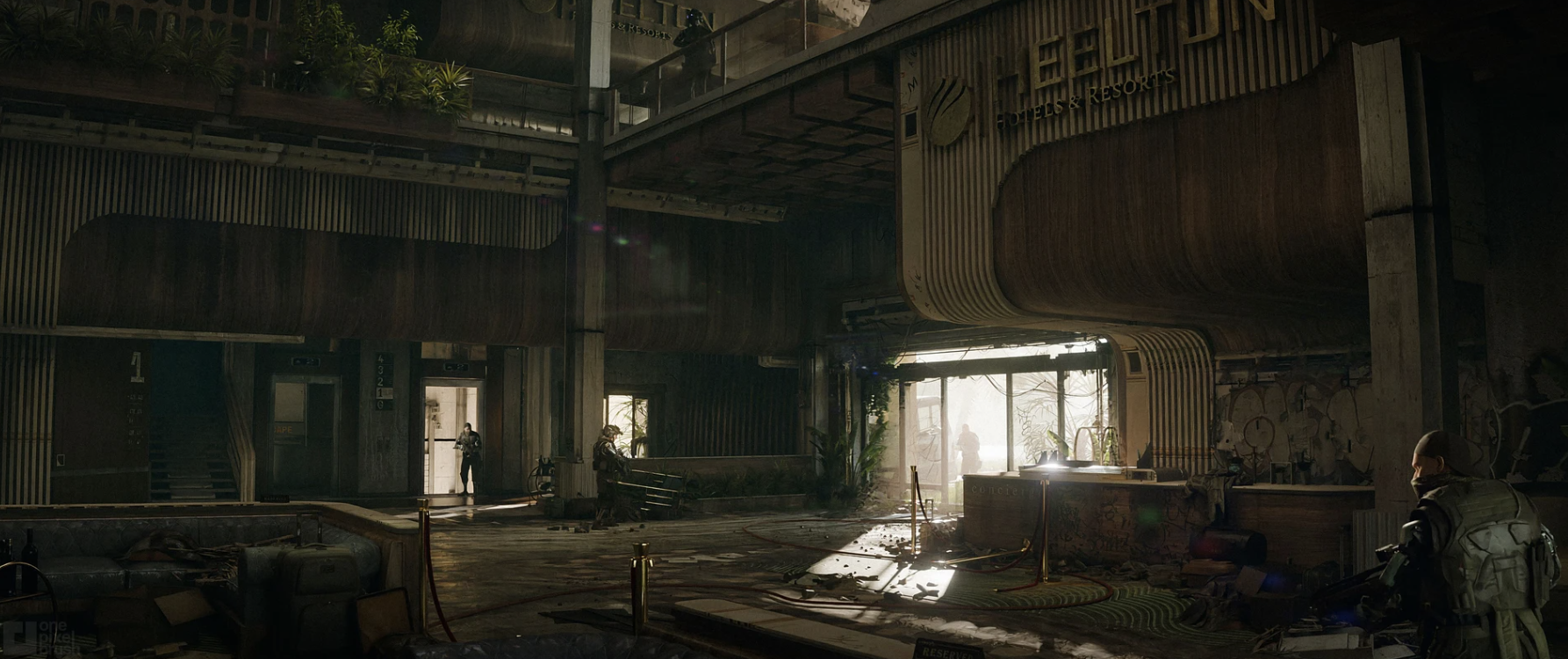
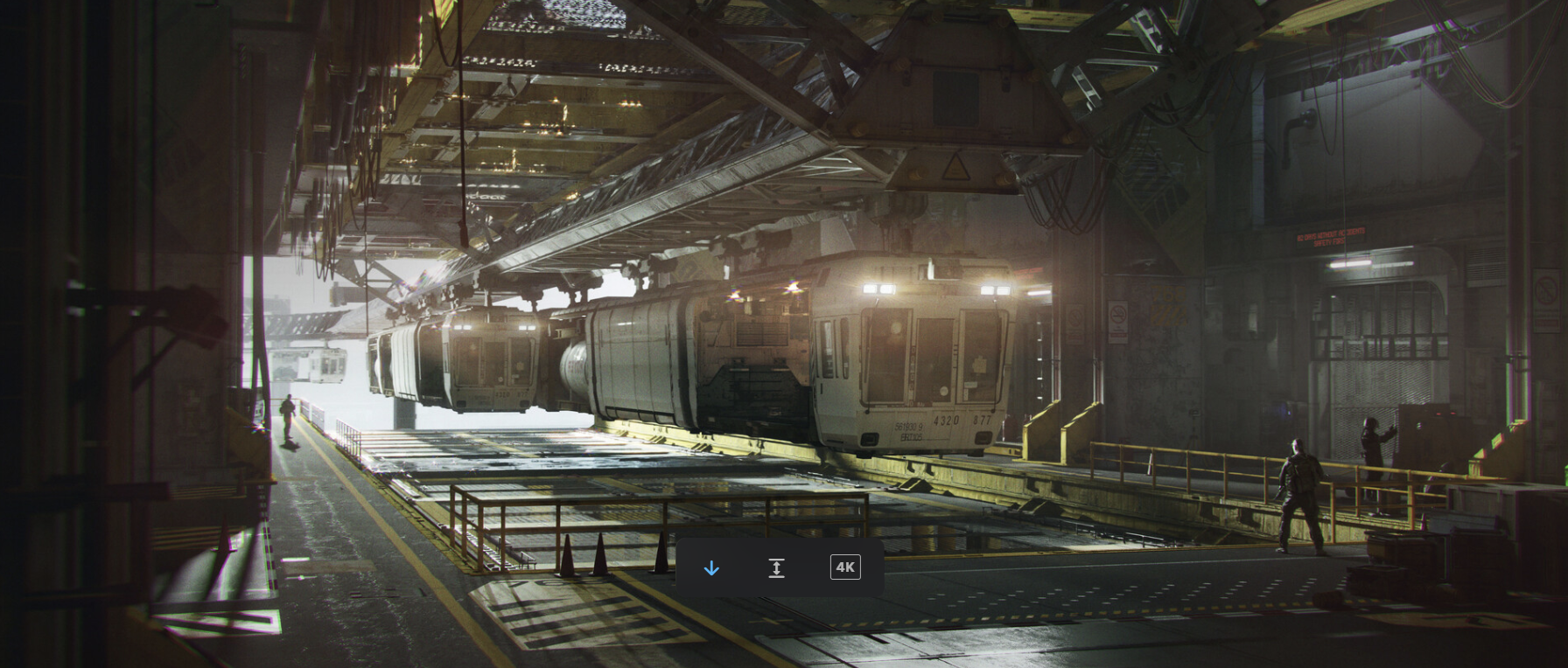
3.Atmosphere as Interpretive Tension
Atmosphere in conceptual design functions as a tool for sustaining uncertainty rather than providing mood alone. Controlled color palettes, restrained lighting, and material decay contribute to interpretive tension by preventing immediate clarity. Visual ambiguity becomes an intentional design resource, ensuring that meaning is constructed through prolonged observation instead of instant recognition.