NARRATIVE WORLD & CHARACTER
THRESHOLD: SIGNAL AT THE EDGE
Narrative World & Character Overview
The narrative world of THRESHOLD: SIGNAL AT THE EDGE is constructed as a system in decline rather than a story with a clear beginning or resolution. The game presents a fragmented post-collapse environment in which infrastructure, signals, and spatial hierarchy function as the primary carriers of meaning. Narrative understanding emerges through exploration, environmental interpretation, and prolonged exposure to systemic instability.
Characters within this world are intentionally understated. The player is not positioned as a savior or agent of restoration, but as a participant embedded within failing systems that continue to operate without purpose. Identity, motivation, and history are left partially undefined, allowing narrative meaning to be shaped through player action, restraint, and survival rather than explicit exposition.
Rather than delivering a singular truth, THRESHOLD invites players to construct their own understanding of the world through observation and inference. The narrative experience is defined by ambiguity, endurance, and the psychological weight of operating within a hostile environment that resists closure.
1.Narrative Philosophy
Narrative as Interpretation
In THRESHOLD the narrative is not conveyed directly through explicit narration or linear story structure, but is constructed incrementally through the player’s interpretation. The game intentionally leaves a great deal of information missing, positioning ‘meaning’ as an object to be inferred rather than as something to be given directly. In this way, observation, restraint and situational awareness become part of the narrative act itself.
The player does not exist as a spectator or consumer of the story, but as a participant who interprets it in an incomplete system. The information conveyed by the world derives as much from what is presented as from what is deliberately absent, thus encouraging the player to piece together their own understanding through deliberate intervention and active reflection, rather than relying on passive advancement.
Fragmentation and Environmental Storytelling
In THRESHOLD narrative progression is deliberately designed to be indirect and fragmented. Rather than unfolding through scripted events, the story is dispersed and embedded in spatial structures, system operations, and environmental states. The decay of buildings, the failure of infrastructure, residual signals, and the system’s response to player behaviour collectively form the narrative’s information vehicle.No single element can provide a complete explanation.Instead, meaning emerges gradually through repetition, contrast and spatial association.Narrative understanding is generated through comparison rather than description as players encounter similar systems under different conditions but present different patterns of behaviour, thus presenting the world as a layered, unstable and constantly rewritten historical record.
Uncertainty as Narrative Condition
THRESHOLD does not trive to lead the player to some clear truth, but establishes uncertainty itself as an essential condition for the story. The game deliberately avoids the end of the story by avoiding giving decisive conclusions and authoritative explanations about the collapse of the world. The understanding that the player obtains is always provisional and variable, and is shaped by a combination of specific circumstances, personal opinions, and incomplete evidence. As players understand how the signal decays over time, the infrastructure fails, and the environment reacts, rather than relying on deterministic storytelling, the accumulation of real-life experiences deepens the perception of the story.
Design Takeaway: Narrative meaning in THRESHOLD is not delivered, but constructed through prolonged exposure, restraint, and interpretation.
2.The World as a Narrative System
2.1 Silent Zones as Narrative Spaces
Silent Zones are not empty ruins, but functional infrastructures that have lost their original purpose but are still functioning.Communication towers, relay stations and industrial corridors still continue to operate in a partial or degraded state, retaining the structure but losing the clarity of intent.This rupture between form and function constitutes a source of narrative tension.The space hints at the systems of control and collaboration that once existed, but fails to provide a clear explanation for their continued operation.The absence of human presence further amplifies the sense of abandonment, so that the environment is no longer just a static backdrop, but is shaped as a fragmented vehicle of historical record.
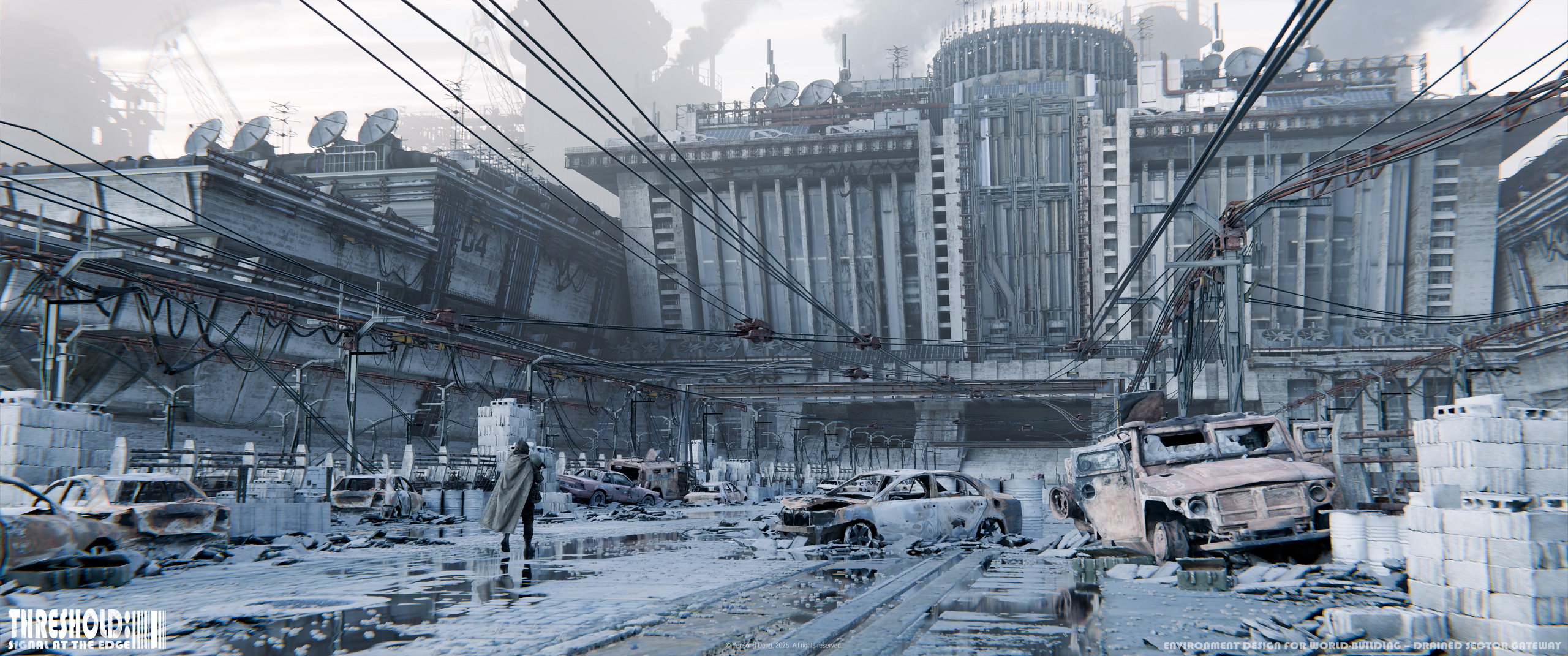
Figure 1. Silent Zones as Narrative Spaces — Infrastructure persists without human intent, transforming space into a fragmented historical record rather than an active system.
2.2 Signals as Residual Narrative
Signals act as the predominant narrative residue in the world. They do not convey clear, direct information, but rather appear as distortions, echoes, or incomplete transmissions-suggesting the presence of some intent, but always lacking clarity.
The persistence of signals suggests that systems that were intended for co-ordination and control have long outlived their design life but are still functioning. Signals thus embody a systemic inertia that reinforces the central themes of decay, autonomy, and a world that cannot completely collapse.
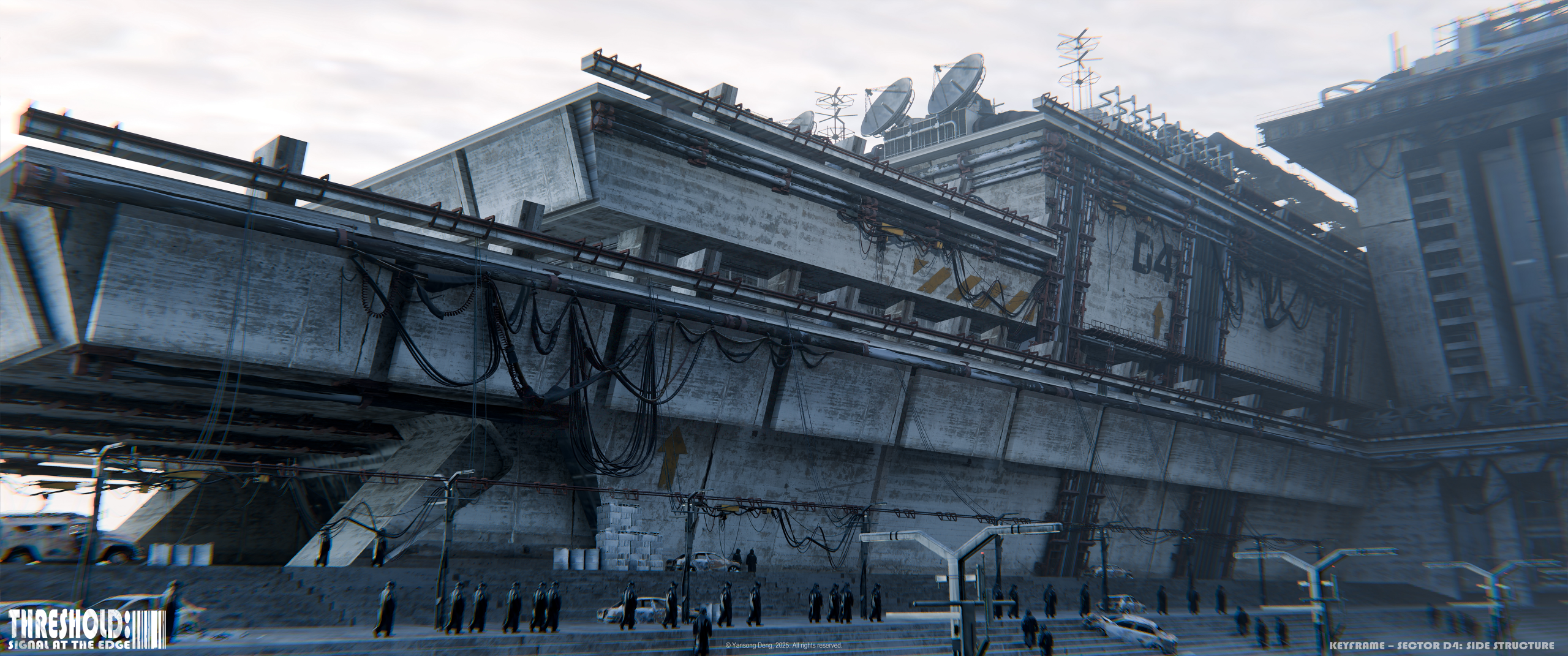
Figure 2. Signals as Residual Narrative — Distorted transmissions and unstable signals imply intent without clarity, reinforcing systemic inertia and narrative ambiguity.
Design Takeaway: The world communicates its history not through explanation, but through malfunction, persistence, and spatial contradiction.
3.The Player Character
3.1 The Last Signal Carrier
The player takes on the role of the last signal carrier – an Enforcer who is still able to establish a connection with the residual communication systems that have long since ceased to respond to any conventional form of control.
The character’s identity has been left intentionally weak and white. His past experiences, affiliations and motivations are kept vague, so that narrative meaning is not unfolded through explanatory texts, but rather through the actions and choices of the players. The character is not defined by authority or power, but by its proximity to a system that has long outlived its purpose but is still functioning.
3.2 Agency Through Absence
The player’s agency is not demonstrated by dominating or radically transforming the world. The player cannot repair civilisation or restore order in any decisive way. Instead, agency is manifested in survival, interpretation, and selective intervention.
By deciding when to act, when to remain hidden, and when to disengage from the system, the player progressively defines his or her relationship to this hostile system. Meaning does not come from the resolution of a problem or the closure of a narrative, but rather from persistence and endurance in an unresolved state.
Design Takeaway: The player’s identity is defined by proximity to failure, not by authority over the system.
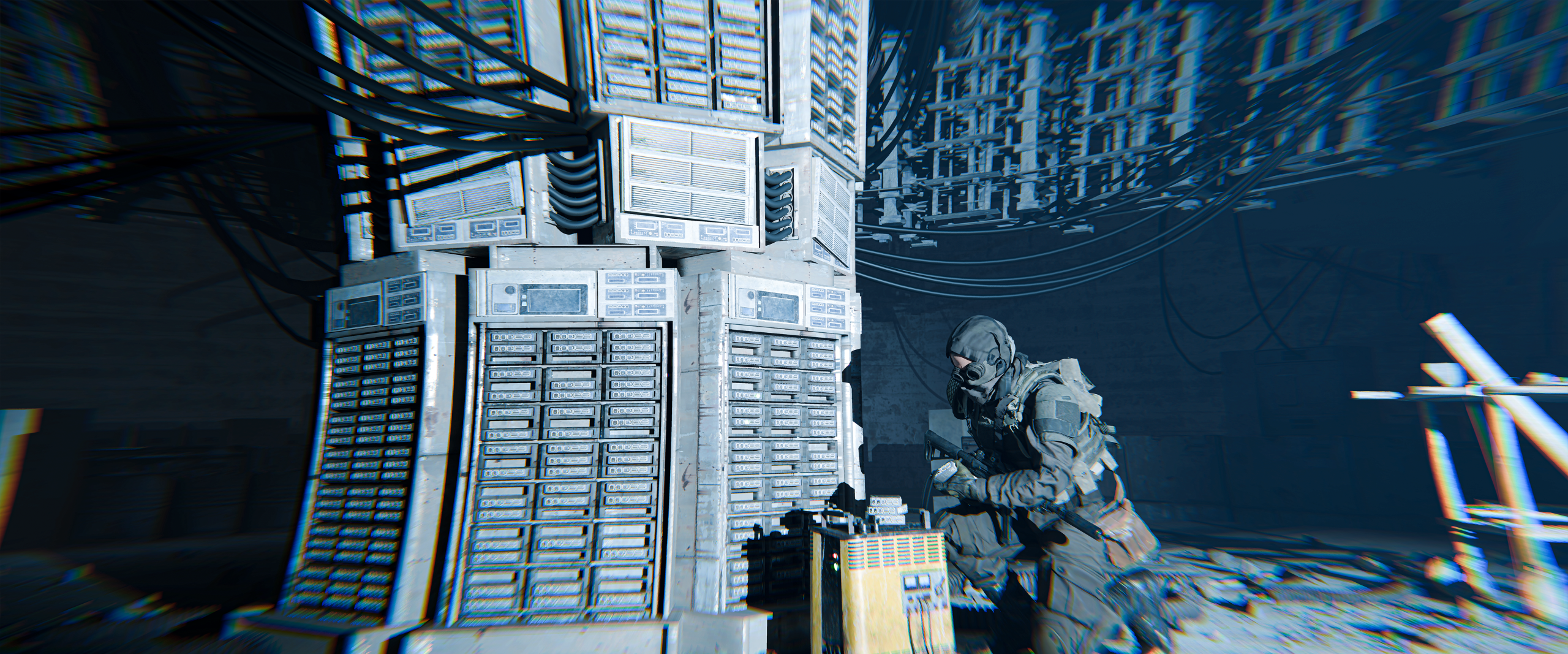
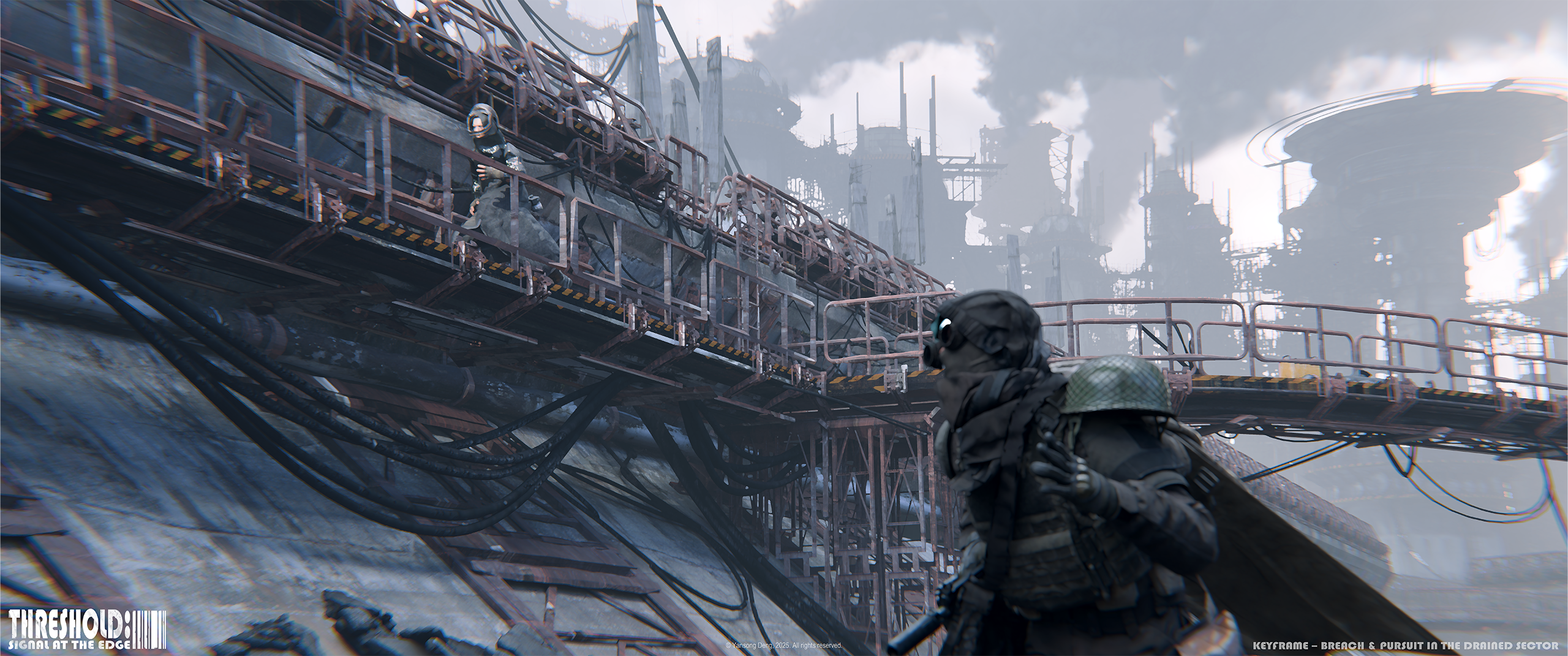
Figure 3. The Last Signal Carrier — The player character is intentionally underdefined, existing as an interface between residual systems rather than as a figure of authority or power.
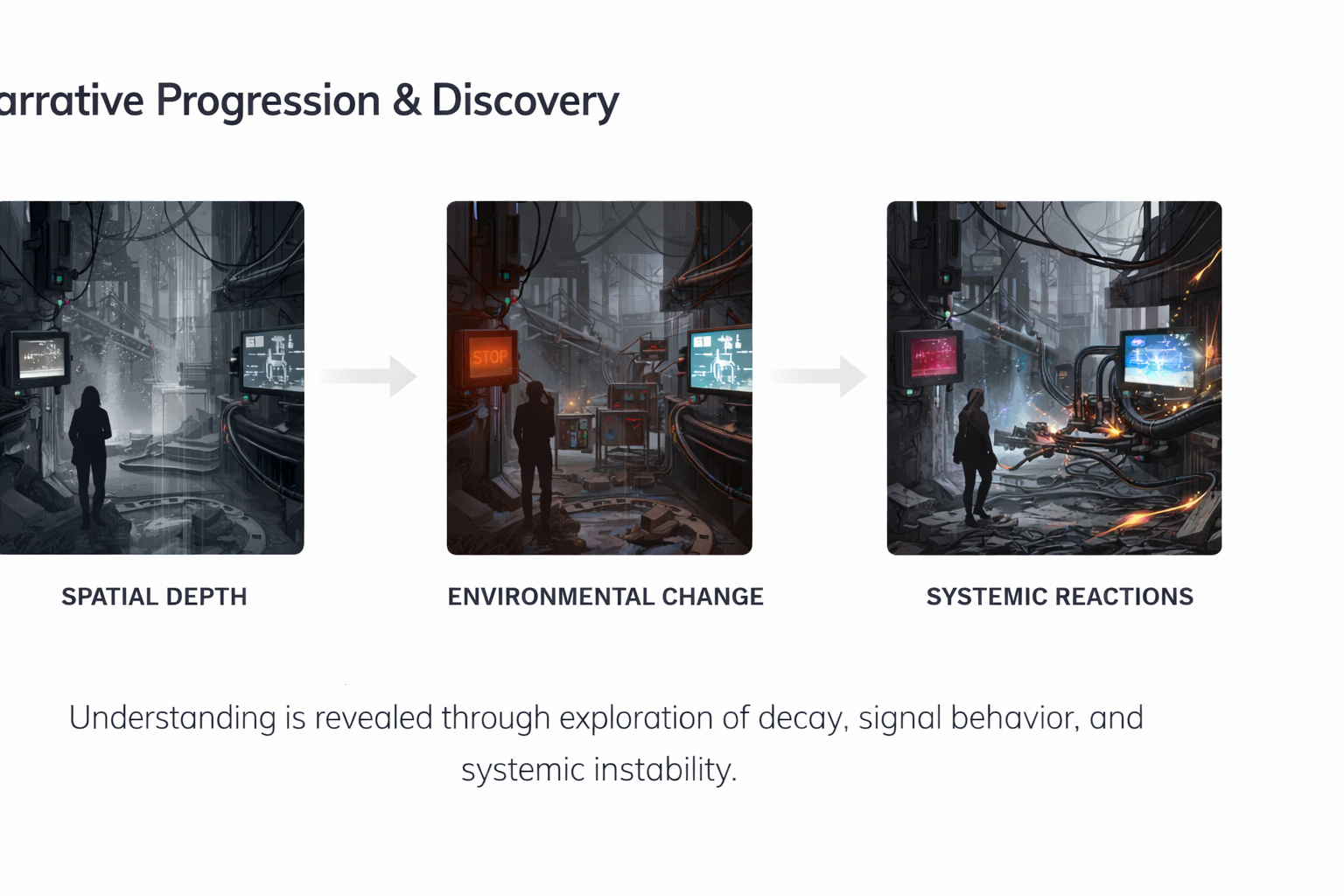
4.Narrative Progression & Discovery
In THRESHOLD, narrative advancement does not rely on scripted events, but rather on spatial exploration and layer-by-layer discovery. As the player continues to enter deeper and deeper infrastructural systems, environmental changes, signaling behaviours, and system-level responses gradually reveal the history of the world and its inherent instability.The game does not have a single, definitive narrative endpoint. Understanding accumulates through sustained exposure to repetitive patterns, system failures, and internal contradictions. Progress is measured not by whether or not the plot is solved, but by how the player’s knowledge of the system in which they live evolves and deepens.