Conceptual Worldbuilding Research
1.World as a Designed System
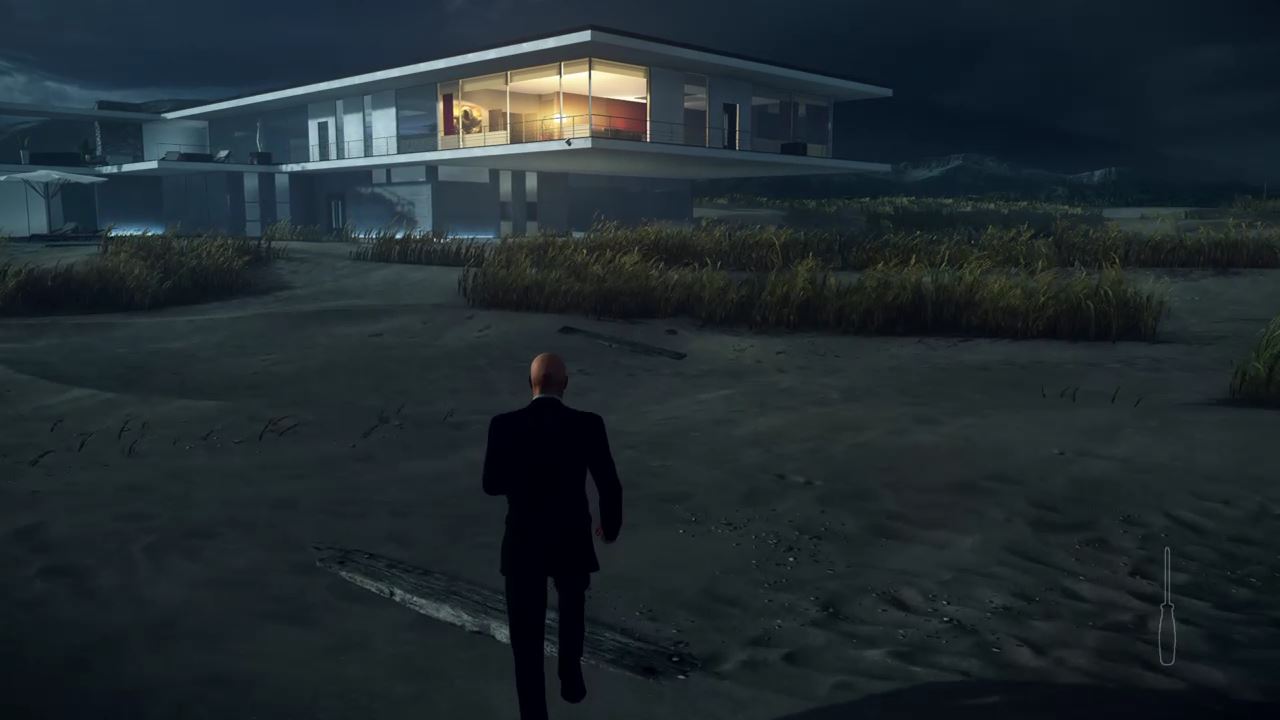
Within systemic stealth design, the game world functions not as a backdrop for authored events but as an active system that structures perception, risk, and decision-making. Worldbuilding is therefore less about narrative delivery and more about how spatial structures regulate player behavior over time. Architecture, circulation, and vertical layering become systemic tools through which agency emerges via negotiation rather than control.
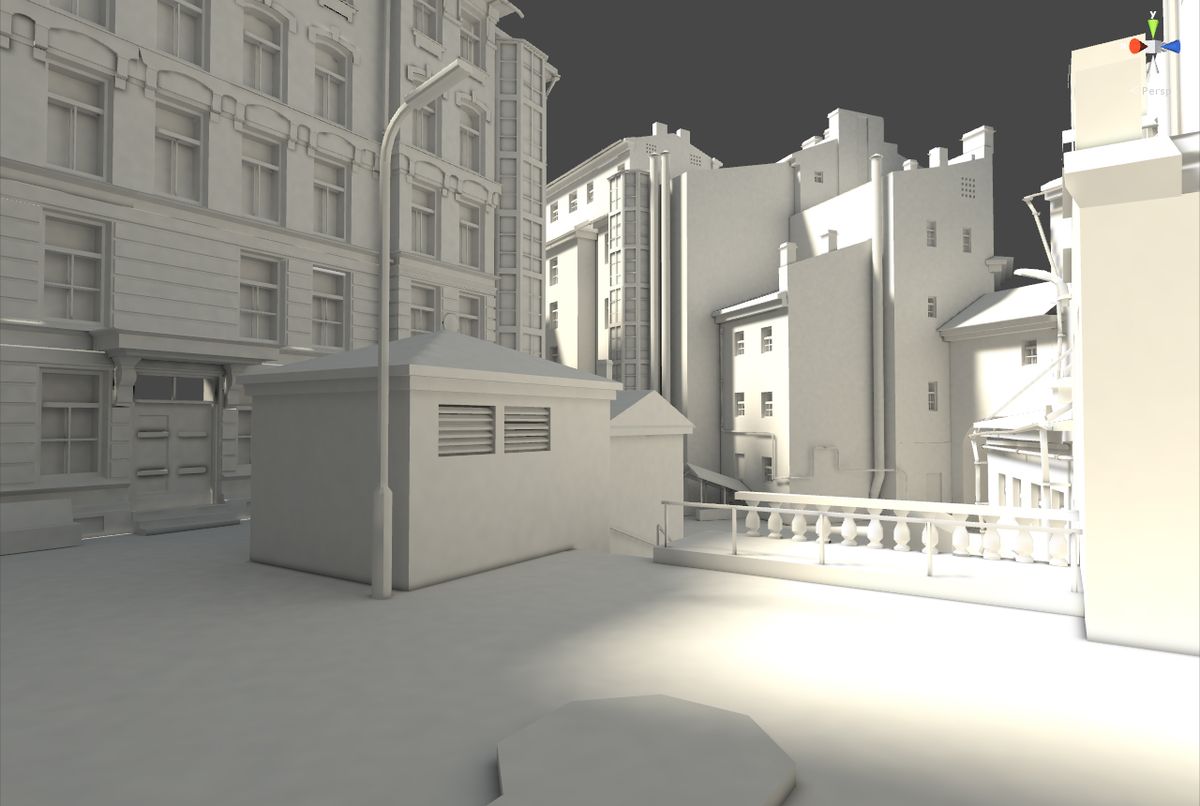
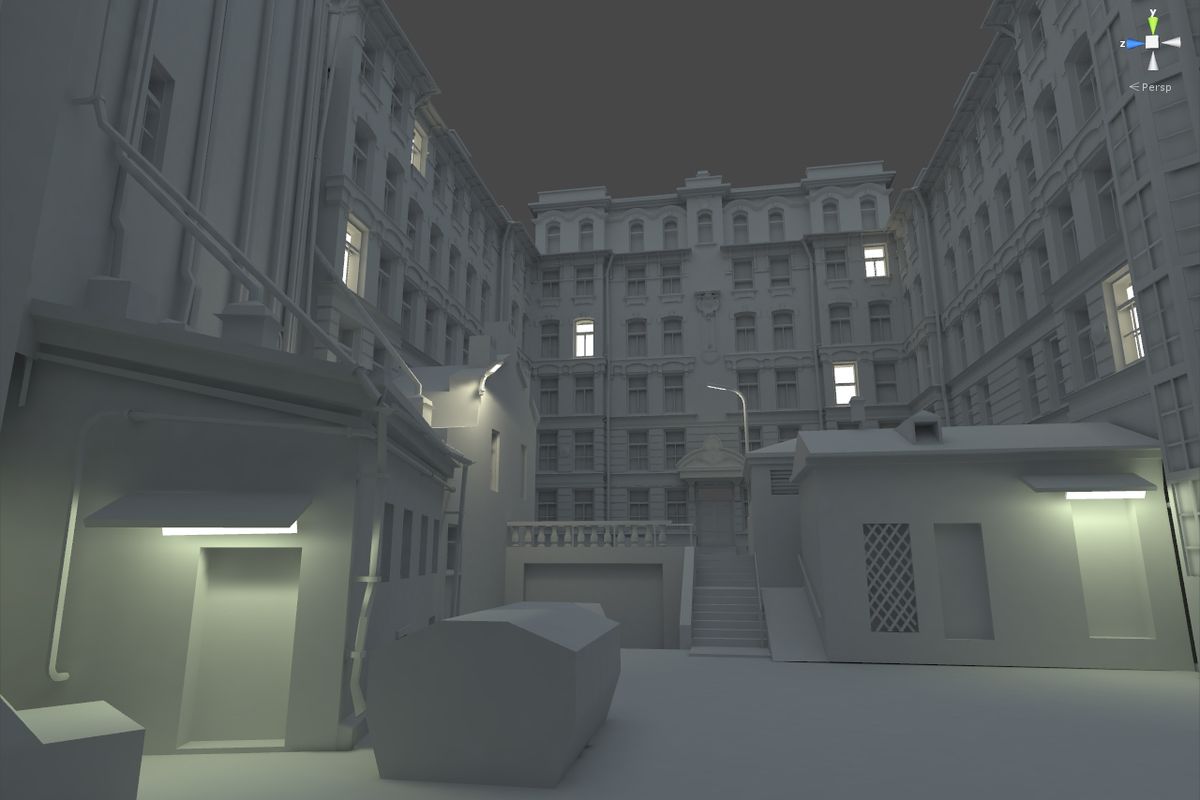
Figure 1 World structure designed as a behavioral system rather than a narrative set.
2.Spatial Design as Information Design
From a concept design perspective, space operates as a primary carrier of information. Rather than explicit indicators, players rely on sightlines, occlusion, scale, and spatial layering to infer danger and opportunity. Partial visibility and fragmented layouts intentionally prevent total comprehension, encouraging players to construct understanding through observation and comparison over time.
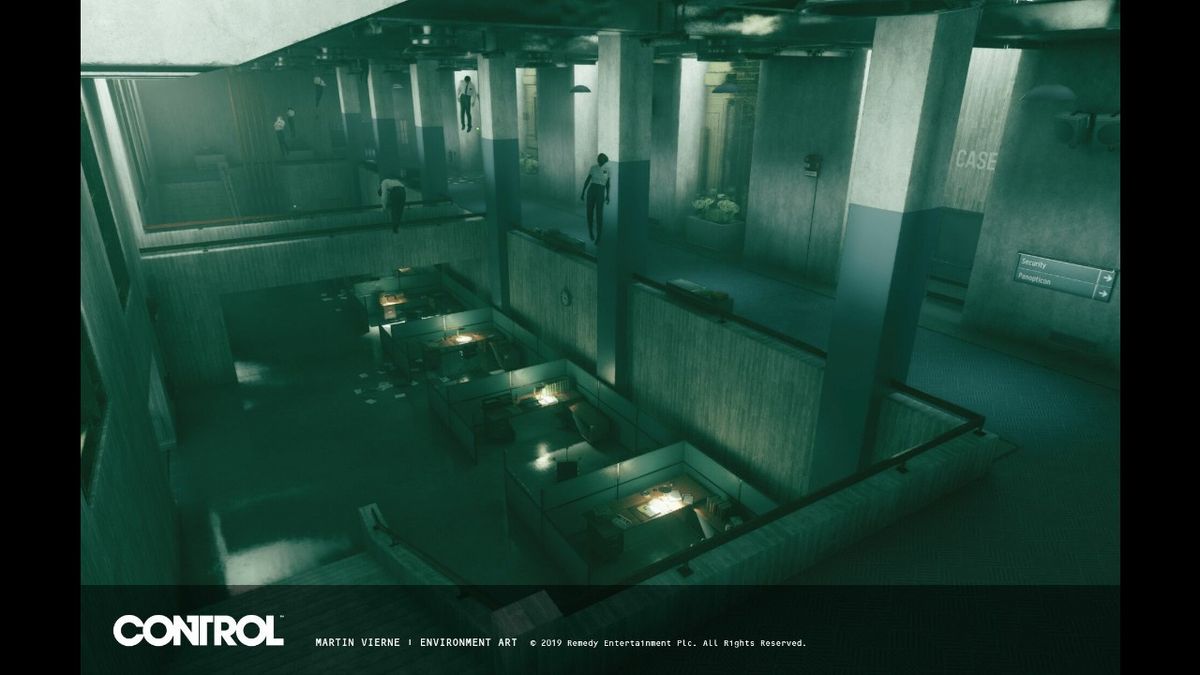
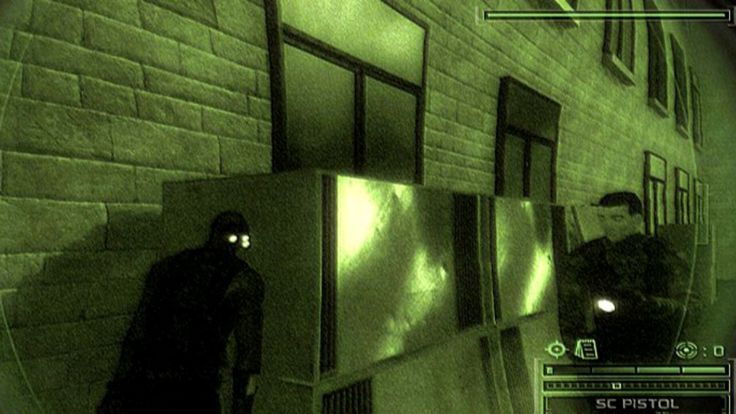
Figure 2 Sightlines and occlusion function as primary information channels, forcing players to infer threat and opportunity through partial visibility.
3.Visual Language Supporting Systemic Stealth
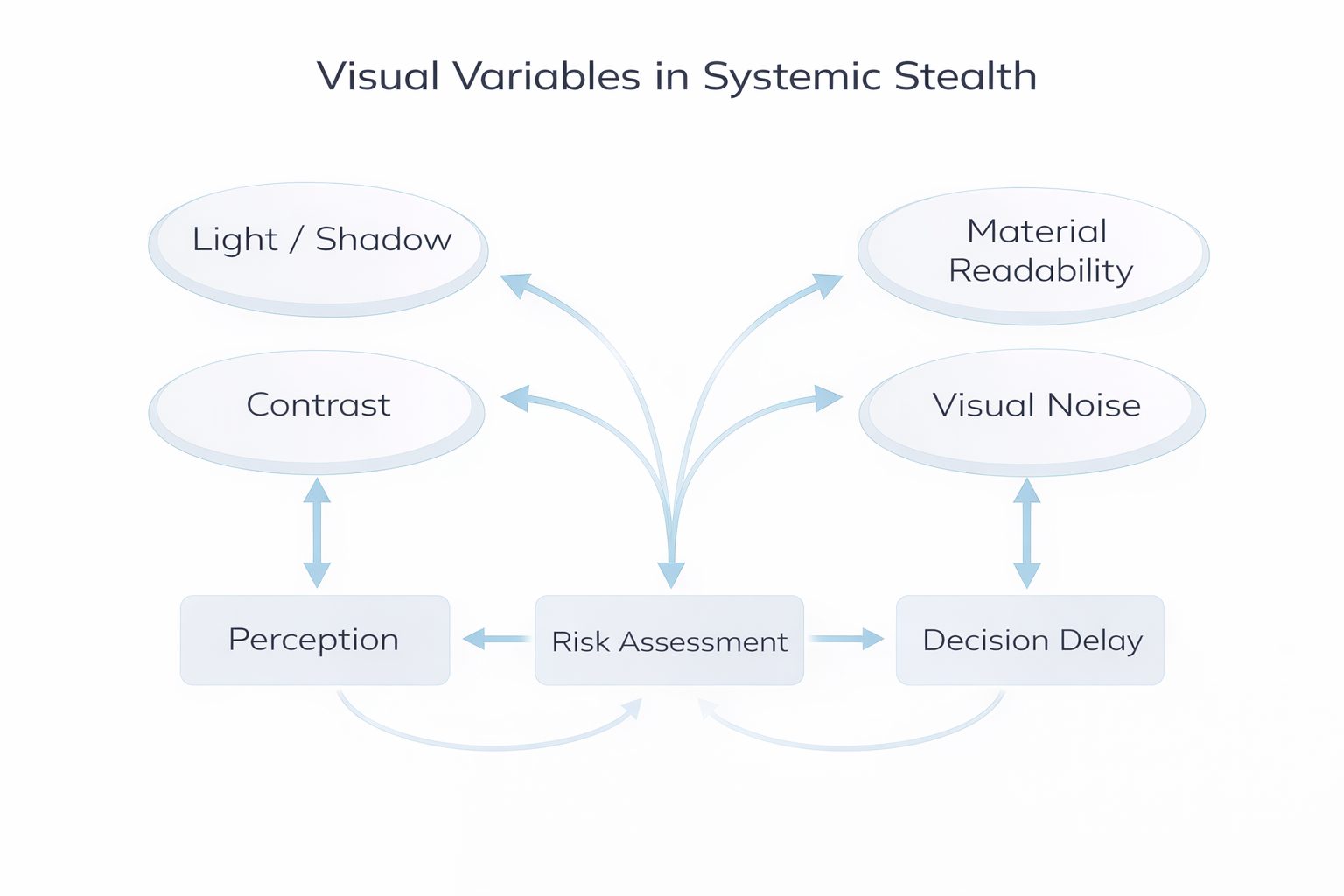
Visual design in systemic stealth environments directly shapes player perception before interaction occurs. Light, contrast, and material readability influence how exposure and safety are assessed. Visual restraint plays a critical role, preserving ambiguity and preventing premature mastery. The visual language supports stealth not by clarity alone, but by sustaining interpretive tension.