Sound & Music Direction
THRESHOLD: SIGNAL AT THE EDGE
Sound & Music Direction Overview
The sound and music direction of THRESHOLD: SIGNAL AT THE EDGE is developed as a world-building system rather than a reactive feedback layer.
Audio is treated as an infrastructural element—shaping perception, reinforcing scale, and conditioning player experience through absence, persistence, and systemic behavior.
Sound and music do not aim to guide, reward, or comfort the player, but instead operate as an atmospheric and narrative force aligned with the project’s visual and architectural language.
1.Creative Vision — Sonic Identity
The sound and music design of THRESHOLD: SIGNAL AT THE EDGE is viewed as an extension of the world’s systemic decay rather than as a means of intensifying the player’s emotional response.
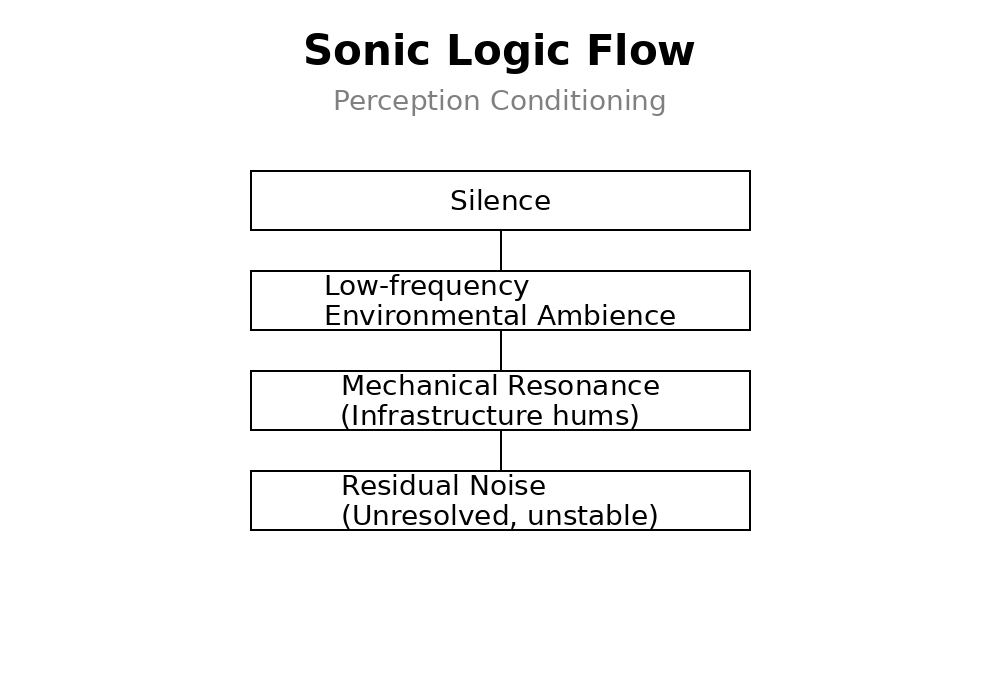
The audio design emphasises restraint, repetition and unresolved tensions, focusing on the representation of a sense of scale, distance, and the continued functioning of the infrastructure rather than emotional, immediate feedback. Low-frequency ambient sounds, mechanical resonance and residual noise form the basis of the overall soundscape, suggesting systems that continue to function despite unmediated intervention. Silence is seen as an active design element, reinforcing spatial perception and environmental weight through absence and sparseness.
The music is kept minimal and textural, becoming more integrated into the environment itself rather than explicitly directing mood or narrative direction. In this way, sound becomes a perceptual conditioning layer, positioning the player as an ephemeral observer in a system of grandeur and indifference.
Tone Keywords
Muted · Industrial · Distant · Mechanical · Unstable · Residual

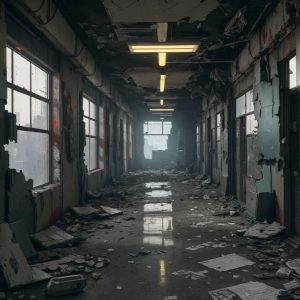
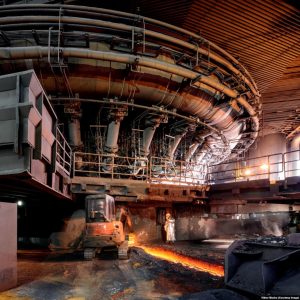
2.Sonic Moodboard — Directional References
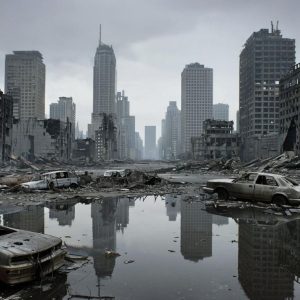
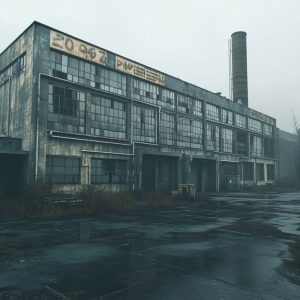
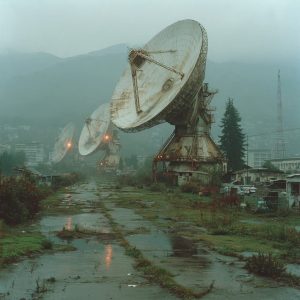
Audio references are used as calibration tools rather than stylistic targets.
They help define scale, texture, and emotional restraint, focusing on how sound behaves within space rather than how it entertains the player.
Game References
Inside · Death Stranding2 · Control · Metro 2033
Film / TV References
Blade Runner 2049 · The Last of Us (HBO)
Non-Media References
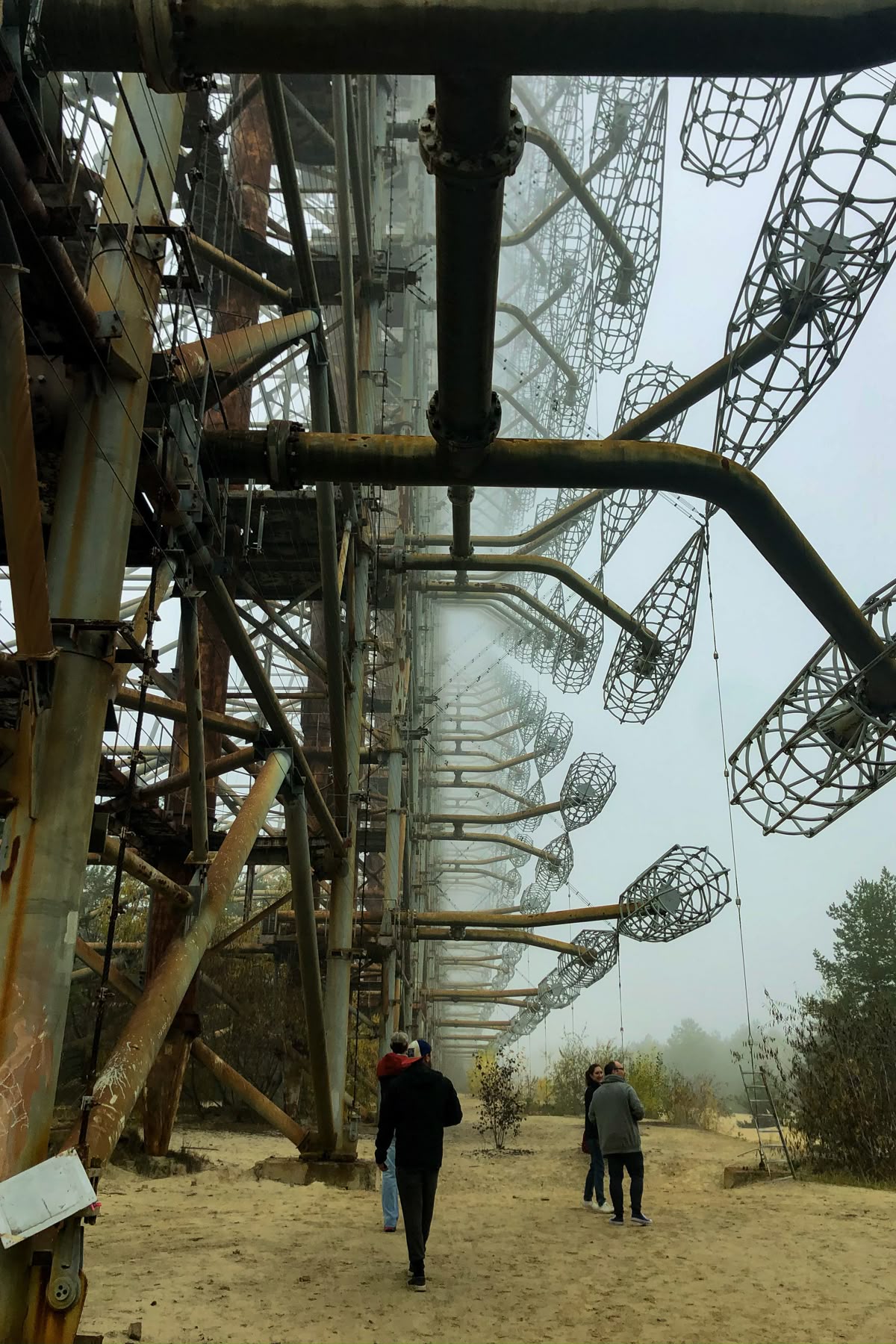
Abandoned industrial sites, electrical substations, failing radios, wind interacting with exposed structures.
2.1Game References
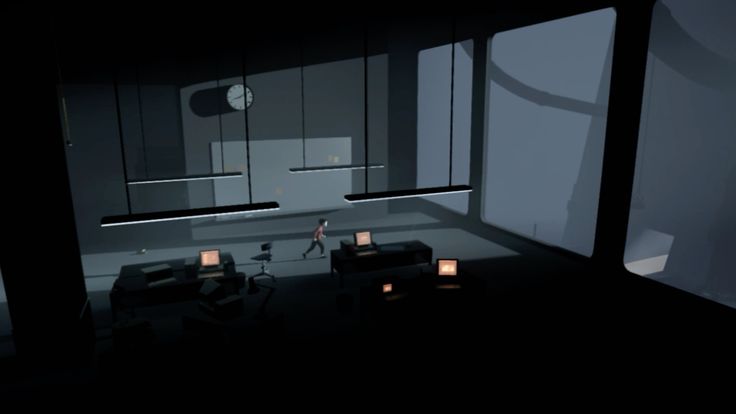
INSIDE — Mechanical Rhythm & Oppressive Control
Controlled Audio Palette:
Sound design is tightly restricted, avoiding excess layers or expressive flourishes.
Rhythmic Machinery:
Mechanical loops and industrial pulses establish a persistent sense of systemic control.
Audio as Timing Mechanism:
Sound cues guide player action through rhythm and pressure rather than explicit instruction.
Emotional Detachment:
Music and effects avoid emotional cues, reinforcing a cold, procedural atmosphere.
Takeaway:
Audio functions as a control system, shaping player behavior through rhythm and restraint.
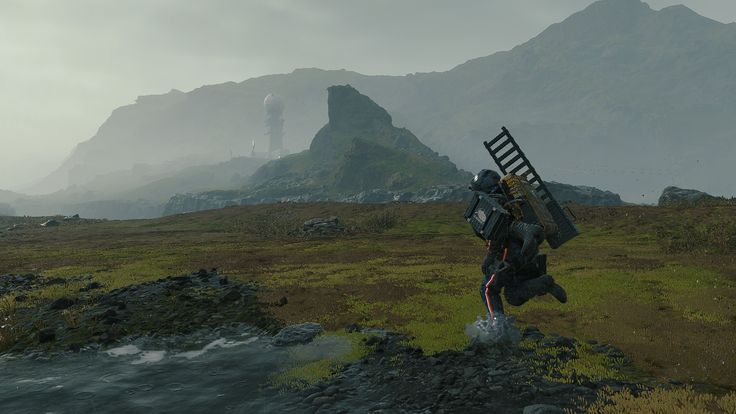
Death Stranding — Isolation, Distance, and Environmental Presence
Minimalist Soundscape:
Large portions of traversal are underscored by near-silence and natural ambience.
Environmental Dominance:
Wind, terrain interaction, and weather sounds replace traditional musical guidance.
Delayed Musical Entry:
Music appears sparingly and contextually, emphasizing emotional weight through contrast rather than continuity.
Human Fragility:
Footsteps, breathing, and physical exertion foreground the player’s vulnerability within vast space.
Takeaway:
Sound design creates meaning through absence, distance, and environmental indifference.
Control — Spatial Power & Environmental Resonance
Architectural Acoustics:
Sound emphasizes vast, brutalist interiors through long reverbs and low-frequency resonance.
System Over Humanity:
Mechanical hums, HVAC noise, and building systems dominate the mix over character-driven audio.
Reactive Space:
Audio subtly responds to spatial scale and player position, reinforcing the building as an active entity.
Abstract Threat Cues:
Sound often suggests presence or power without direct visual confirmation.
Takeaway:
Audio reinforces architecture as authority, using resonance and scale to condition player perception.
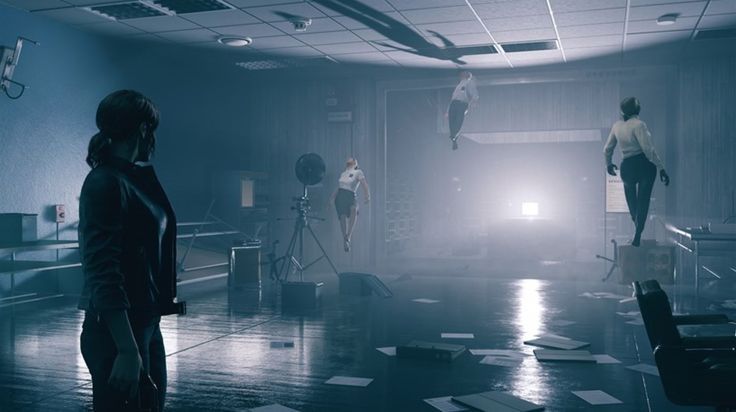
Metro 2033 — Claustrophobic Signal & Survival Audio
Restricted Soundscape:
Audio is tightly contained, emphasizing enclosed spaces and limited air rather than open environments.
Breath & Body Presence:
Breathing, gas mask filters, and player movement sounds are foregrounded, making the body part of the soundscape.
Uncertain Threat Cues:
Environmental sounds imply danger without clear source localization, maintaining constant psychological pressure.
Radio & Signal Fragmentation:
Communication is distorted, intermittent, and unreliable, reinforcing isolation and systemic breakdown.
Takeaway:
Sound in Metro 2033 constructs tension through confinement, bodily vulnerability, and unreliable signals rather than spectacle.

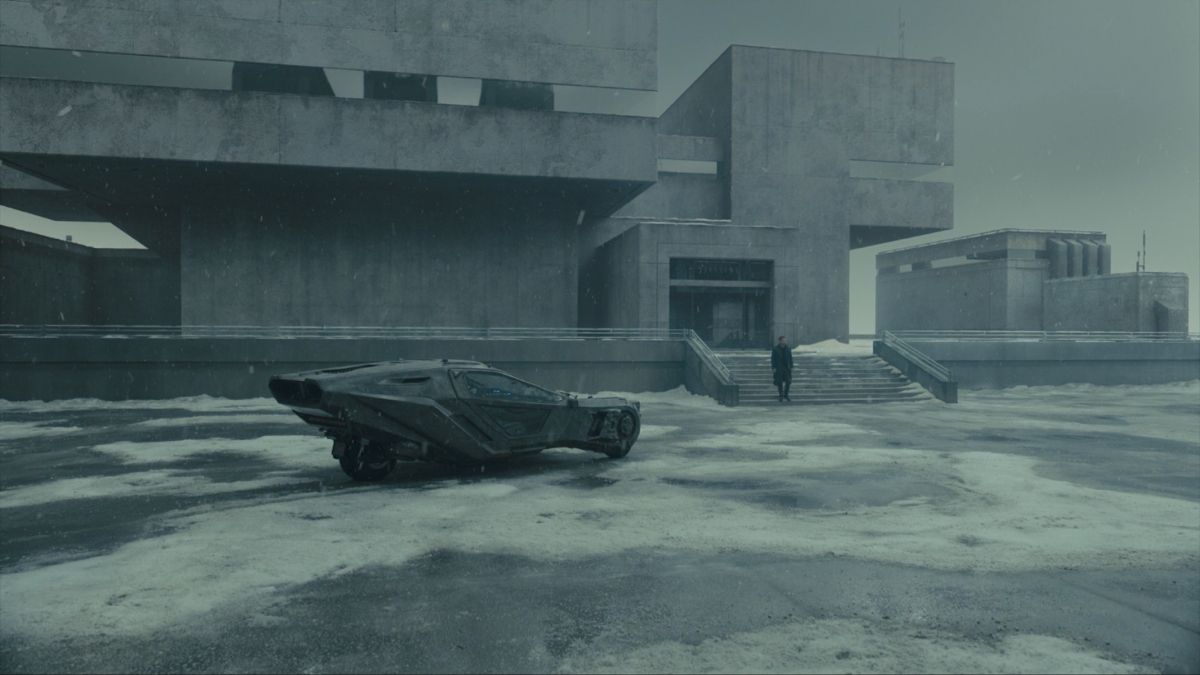
2.2Film / TV References
Blade Runner 2049 — Distant Signal & Atmospheric Weight
Sparse Soundscape:
Audio design favors wide spatial gaps, long reverbs, and restrained sonic density, emphasizing emptiness over activity.
Environmental Scale & Echo:
Sound reinforces monumental architecture through delayed reflections and vast spatial decay, making environments feel indifferent to human presence.
Synthetic & Residual Signals:
Electronic tones, drones, and artificial hums function as residual system noise rather than expressive musical cues.
Muted Emotional Delivery:
Music avoids clear melodic resolution, maintaining emotional distance and preventing catharsis.
Takeaway:
Sound constructs atmosphere through scale, restraint, and persistence, positioning the listener as insignificant within a larger system.

The Last of Us (HBO) — Environmental Decay & Human Fragility
Naturalistic Soundscape:
Audio emphasizes wind, distant wildlife, structural creaks, and environmental silence rather than constant musical presence.
Human Vulnerability in Sound:
Breathing, footsteps, fabric movement, and subtle vocal strain foreground physical fragility and survival tension.
Environmental Threat Cues:
Sound often signals danger indirectly through absence, muffling, or distant noise rather than explicit alerts.
Decay as Sonic Texture:
Crumbling structures, abandoned interiors, and overgrown spaces are reinforced through organic, irregular sound layers.
Takeaway:
Sound supports storytelling by embedding emotion within environmental decay, allowing silence and restraint to carry narrative weight.
3.Music Direction — Meaning Through Absence
Music in THRESHOLD is sparse and fragmentary, never dominating the soundscape.
The score emphasizes atmospheric pressure rather than melody, reinforcing isolation and temporal weight instead of emotional guidance.
Music Style Guide
Ambient drones · Sparse synth textures · Low-frequency resonance
Themes & Motifs
No character themes; tonal identities are tied to locations and spatial conditions.
Adaptive Behaviours
Music responds subtly to spatial depth and enclosure rather than gameplay states. Implementation Note
Music layers are driven by spatial metrics (enclosure, distance, vertical depth) rather than combat or narrative triggers.

This track represents the project’s musical baseline — not a theme, but a persistent atmospheric pressure that frames the player’s entry into the world.
4.Sound Design Direction — What the World Is Made Of
In THRESHOLD, sound design is constructed as a systemic layer rather than a feedback system that responds instantly to player behaviour. The world is continuously sounding, its operation governed by environmental conditions, infrastructural behaviours and material presence, and exists independently of player intent or progression.
The sound hierarchy is deliberately set to ensure that large-scale systems take precedence over immediate interactions. Electrical installations, environmental forces and material resonances form the dominant soundscape, while the player’s own self-generated sound is contextual and fragile, often absorbed and drowned out by the larger surrounding noise system.
This approach takes sound design away from reward, validation or empowerment. Sound is no longer used to reinforce the player’s sense of control, but rather exists as evidence of scale, distance and continuity – reinforcing the perception that the world existed before the player and will continue to function after the player has left.
By suppressing player-centred sonic expression and elevating the acoustic presence of environmental systems, sound becomes a world-building tool rather than a means of guidance. Listening no longer implies control, but an act of interpretation within an unstable and indifferent system.
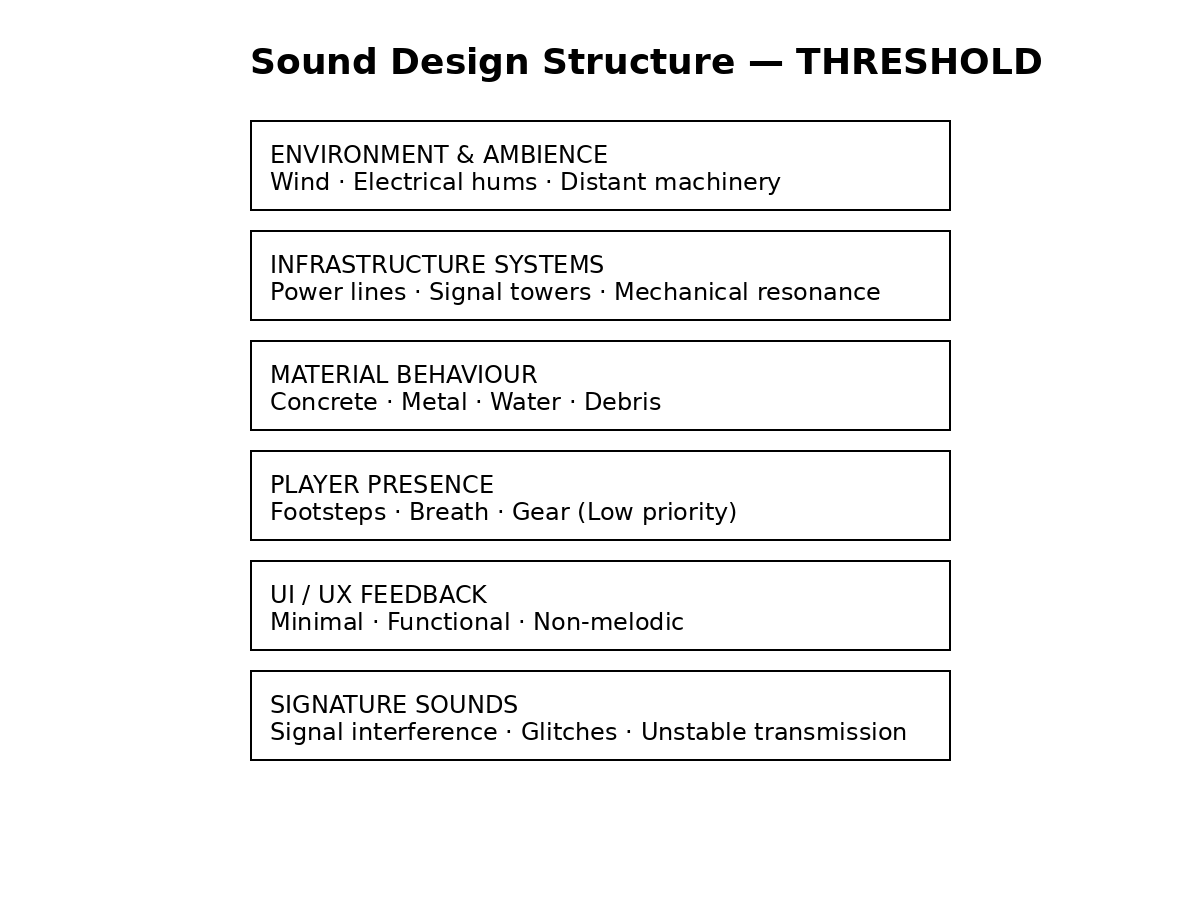
Hierarchy Principle
World systems dominate the soundscape.
Player-related sounds are intentionally suppressed unless required for survival or navigation.
Player Sounds
Muted and fragile, reinforcing insignificance.

Environment & Ambience
Electrical hums, wind, distant machinery, structural resonance.

Creatures / NPCs
Human sounds are rare, distant, and obscured.

UI / UX Sounds
Minimal, functional, non-melodic.

Materials
Concrete is dull and heavy; metal resonates unevenly.
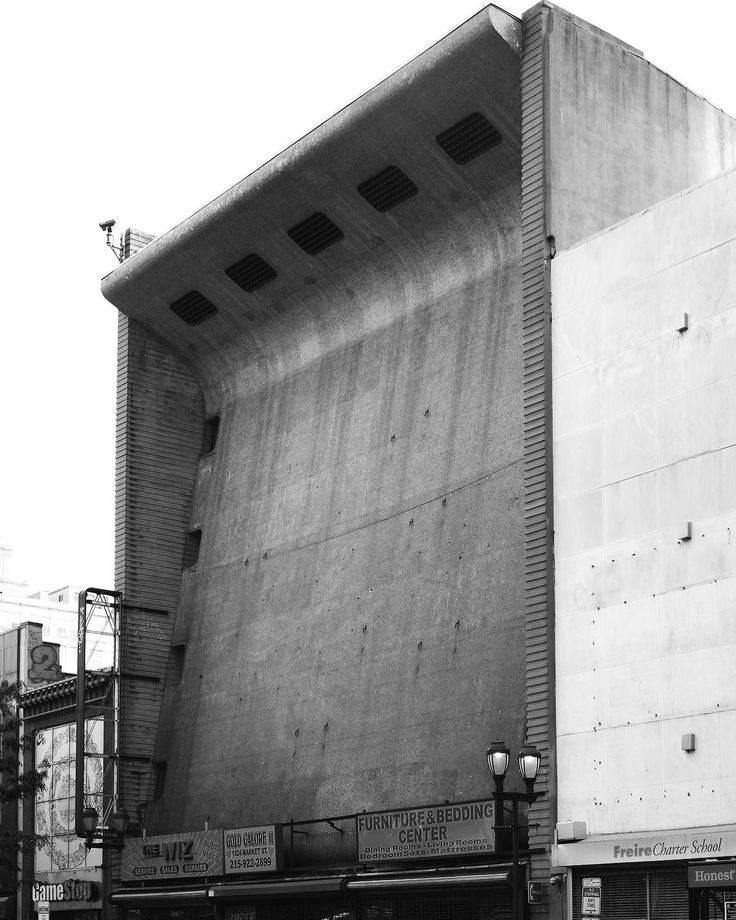
Signature Sounds
Signal interference, glitches, unstable transmissions.
5.Sound & Music as World-Building System
Sound and music in THRESHOLD function as structural components of world-building rather than decorative layers.
They reinforce the player’s role as a temporary observer, shaping navigation, emotional distance, and narrative interpretation through restraint and systemic behavior.
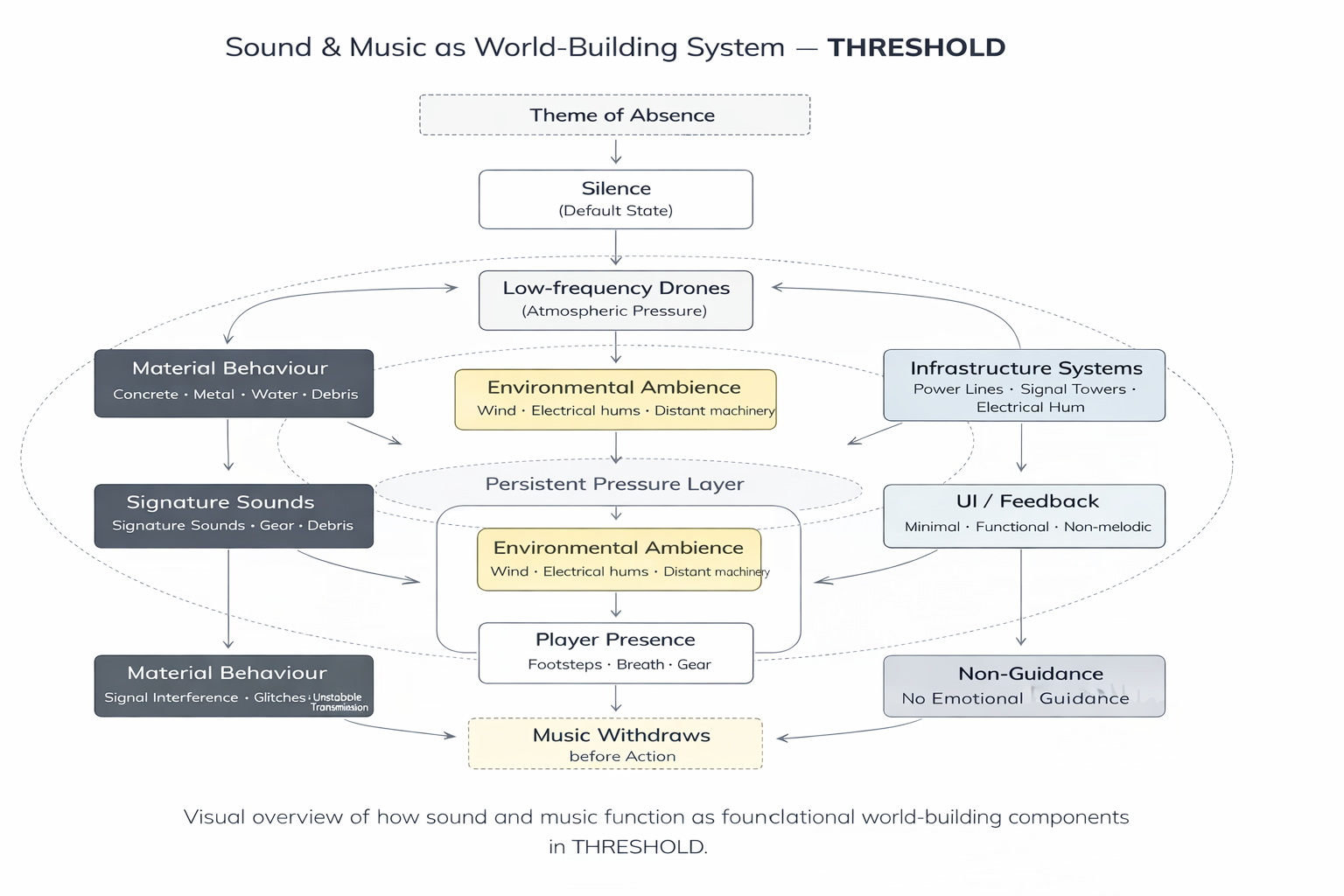
Environmental ambience exists both as a world-generated system and as a persistent perceptual layer that outlasts player actions.
5.1Sound & Music as Structural Systems
In THRESHOLD, sound and music do not primarily respond to the player’s success, failure, or progress. Instead, they exist as continuously functioning world systems governed by environmental states, infrastructural behaviours and spatial conditions.
Audio is used to establish a sense of scale, distance, and continuity in the world, reinforcing coherent functioning on a systemic level rather than a feedback mechanism based on transient events. Together, sound and music place the player as a temporary presence in a functioning system, guiding interpretation through absence, restraint and repetition, rather than relying on explicit narrative cues or emotional guidance.
5.2Sound × Music
Sound establishes physical reality and material truth, while music operates as an atmospheric pressure layer that modulates perception rather than emotion.
Together, they form a cohesive system that defines how the world feels, persists, and resists interpretation.
5.3perception
As a result, navigation, tension, and narrative understanding emerge indirectly.
The player listens not to gain advantage, but to orient themselves within a world that remains largely indifferent to their presence.
5.4egative Design Principle
What Sound & Music Do NOT Do
Do not signal safety
Do not reward exploration
Do not resolve narrative uncertainty