This is what I think is the most important part in the first week, and it is also something that I have been exposed to through game analysis.
When we analyze games, we focus more on the game system, gameplay, and style. Although we can analyze the gameplay logic, we basically describe the game experience from the player’s perspective. Just like what I wrote in the PPT, I still analyze it as a player.
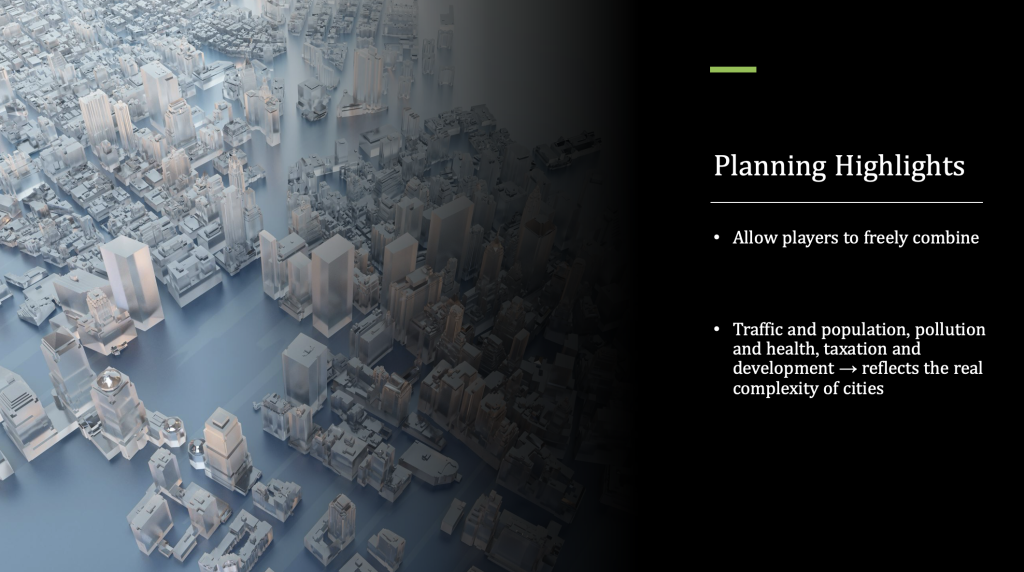
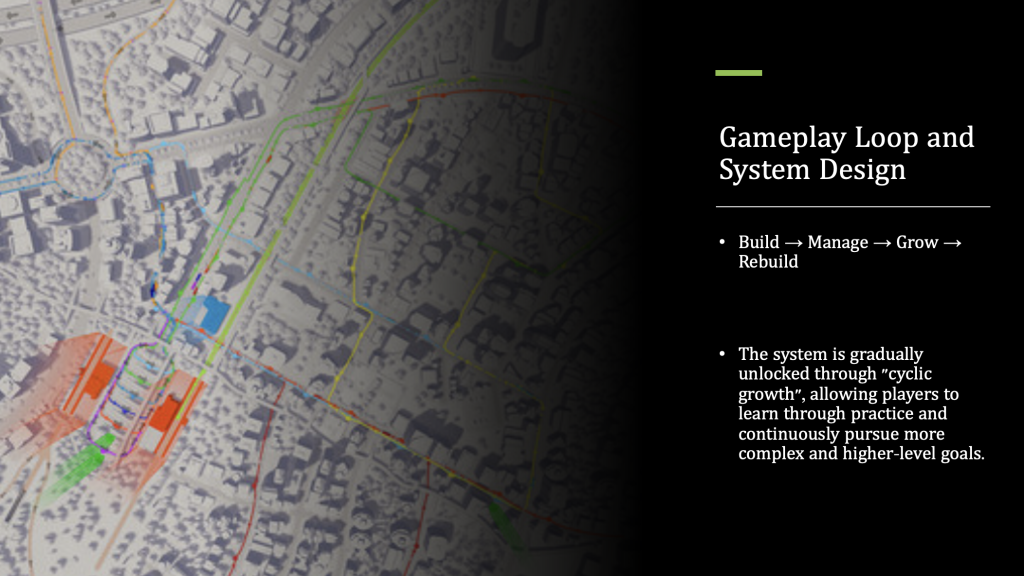
This is something I suddenly realized during a group discussion. Thinking from the player’s perspective is important because it helps us understand how players will experience the game. However, if we are going to make a GDD (Game Design Document), we need to actively think about what kind of experience we want players to have and what kind of design can give players the expected experience. How do I give players the experience I want them to have? That was a problem for me, but it was solved on Thursday.
This Thursday we were thinking about how to get ideas and creativity from experiences, history, etc. It occurred to me that if I want players to have a certain emotion or experience, I just need to find events that cause similar experiences, or consult with people who have had similar experiences, and then use creativity to try to break the rules and make appropriate changes to make them fit the game content.
When I studied it in depth, I found some new problems.
Can designers really “create emotions,” or can they only “provide triggering conditions”?
Will the player’s point of view cause me to ignore the limitations of the technical or system level? Is there a conflict between “what players want” and “design goals”?
In fact, no one can control their emotions. What we can do is to collect data on which events trigger the emotions we want players to experience, and then adjust them accordingly. Players are not passive recipients; we need to recognise their agency. In addition, the responsibility of design is not control, but adjustment.
My idea is that we cannot deny the existence of these two situations. This also accurately illustrates that we need to create GDD (Game Design Document) data in the most detailed way to control and predict, while considering all aspects to avoid conflicts. This is my answer.
When I have completed all the courses and look back at this question, what is a GDD? I have a clear summary:
Enable other collaboration teams to clearly and quickly understand what your game is like, which parts need to be made to produce your game, and explain every detail of your game clearly and carefully.