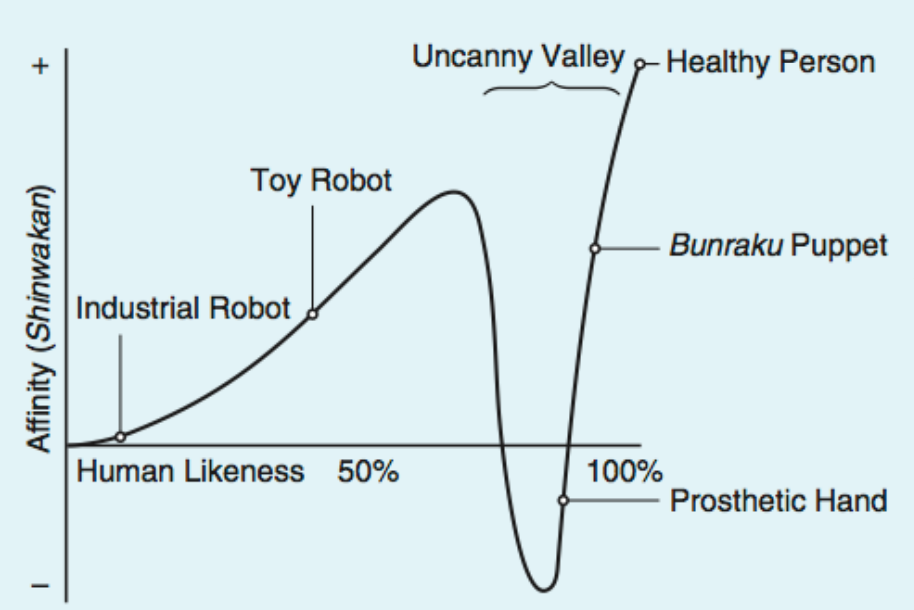
Figure 1. The original uncanny valley graph illustrating the relationship between human likeness and emotional affinity (Mori, 1970).
The concept of the “uncanny valley” was introduced by Masahiro Mori, a professor of robotics. It describes how people emotionally respond to human-like objects. When the appearance or behaviour of a robot becomes closer to that of a human, people usually feel more comfortable. However, when it looks almost human but not fully real, this sense of comfort suddenly drops and turns into unease or fear. When the object becomes very close to a real human, this uncomfortable feeling can reduce again. This change in emotional response is known as the uncanny valley.
My Understanding
This explanation can feel quite theoretical, so I prefer to understand the uncanny valley in a more direct way. In my view, the uncanny valley happens when something looks human, but not completely human. This creates a quiet sense of discomfort that is hard to explain clearly, but stays with the viewer. Rather than coming from obvious horror, this feeling comes from a subtle sense that something is not quite right.
Figure 2. Thomas the Tank Engine is often cited as an example when discussing the uncanny valley effect.
Movement and Perception in the Uncanny Valley
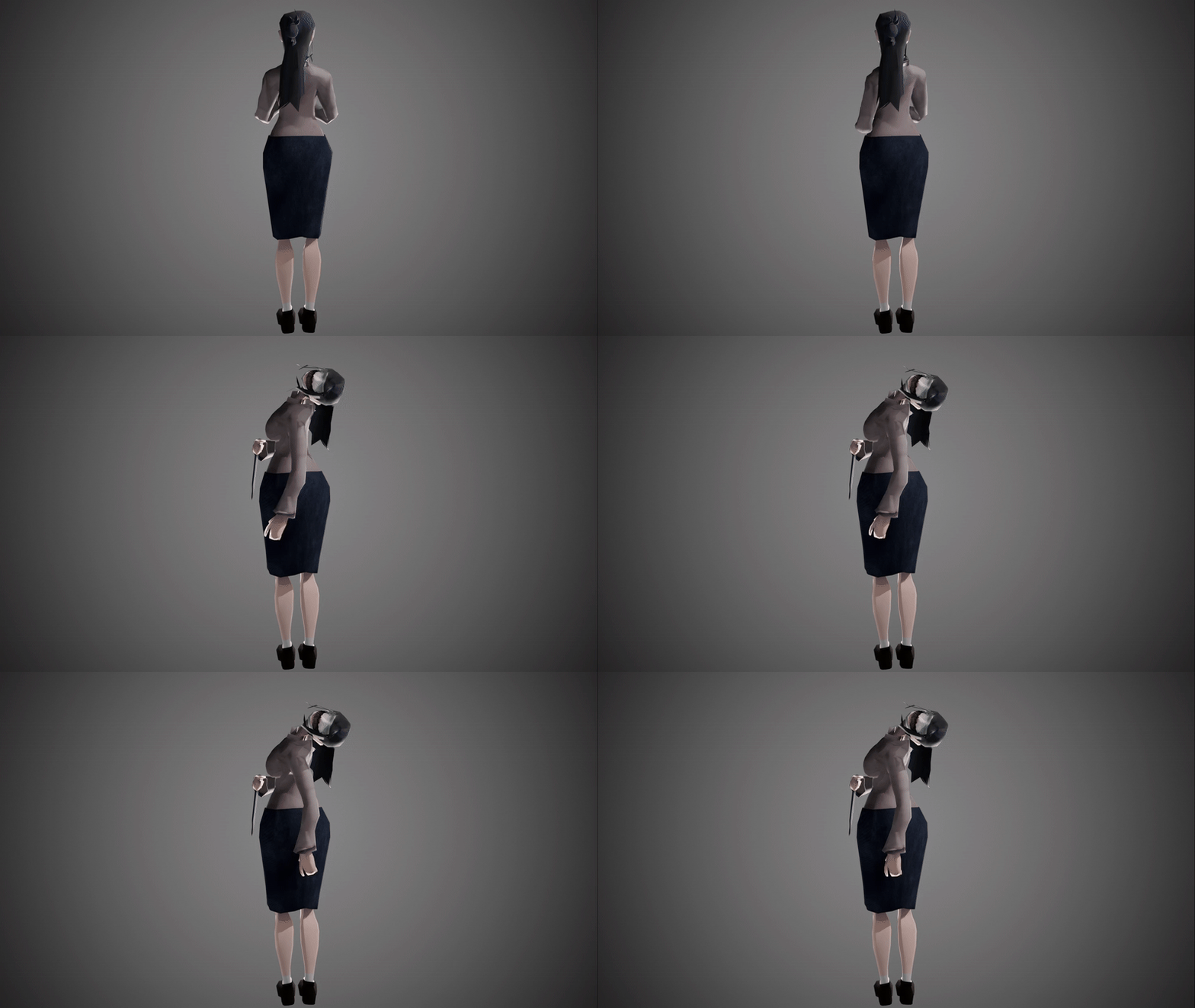
The uncanny valley effect is often not caused by appearance alone. Facial expressions, body movement, and overall behaviour play a much more important role. When a character moves in a stiff or slow way, or shows unnatural facial expressions, players may feel uncomfortable even if the character looks very realistic. This discomfort does not come from clear horror elements, but from small differences between the character’s behaviour and what we expect from a real human.
Figure 3. An animation reference illustrating how restrained and unnatural movement can amplify the uncanny valley effect (Sit Ben, n.d., ArtStation).
A Failed Attempt at Realism
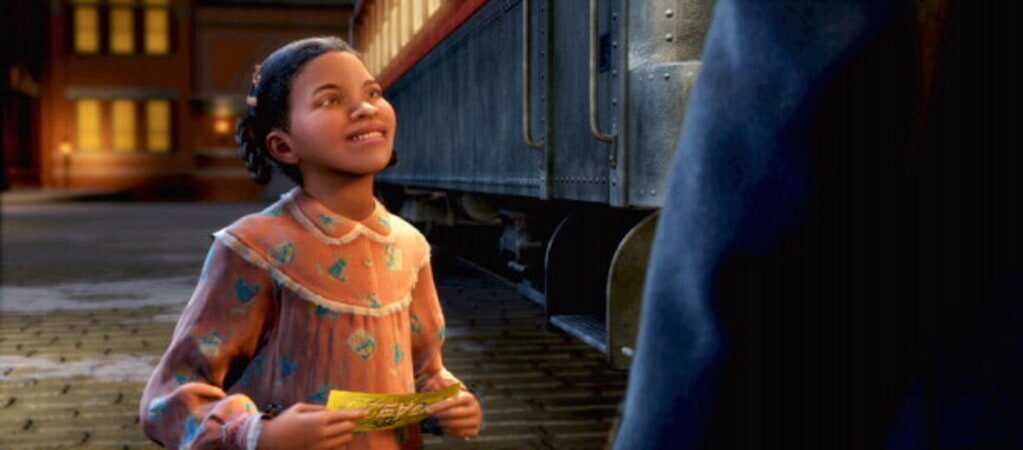
A well-known example is the film The Polar Express. The movie used a large amount of facial motion capture to create realistic human characters. However, because the facial expressions and eye movements did not feel natural enough, many viewers experienced an uncanny and uncomfortable feeling. This is often seen as a failed attempt at realism.
Figure 4. Screenshot from The Polar Express.
In horror games, being slightly unnatural is not always a bad thing. Characters do not need to move or react like real people. When movement or behaviour feels a little wrong, it can make players feel uncomfortable in a quiet way. Over time, this can build strong psychological horror.
Examples of the Uncanny Valley in Games
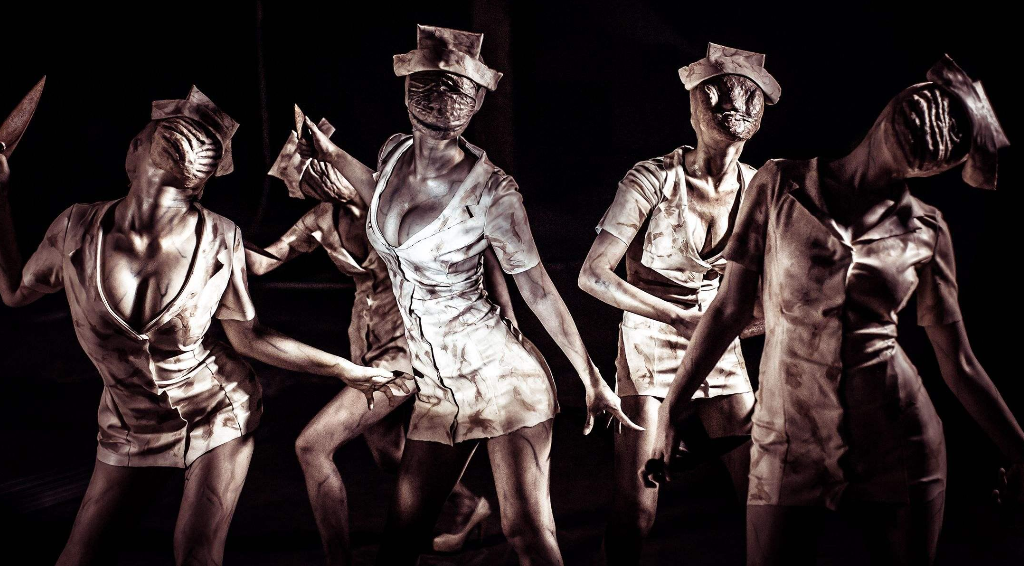
Figure 5. Silent Hill – Nurses
The nurses in Silent Hill are unsettling because of their stiff and unnatural movements. Although they look almost identical to real humans, their behaviour breaks normal expectations, which creates strong discomfort for the player.
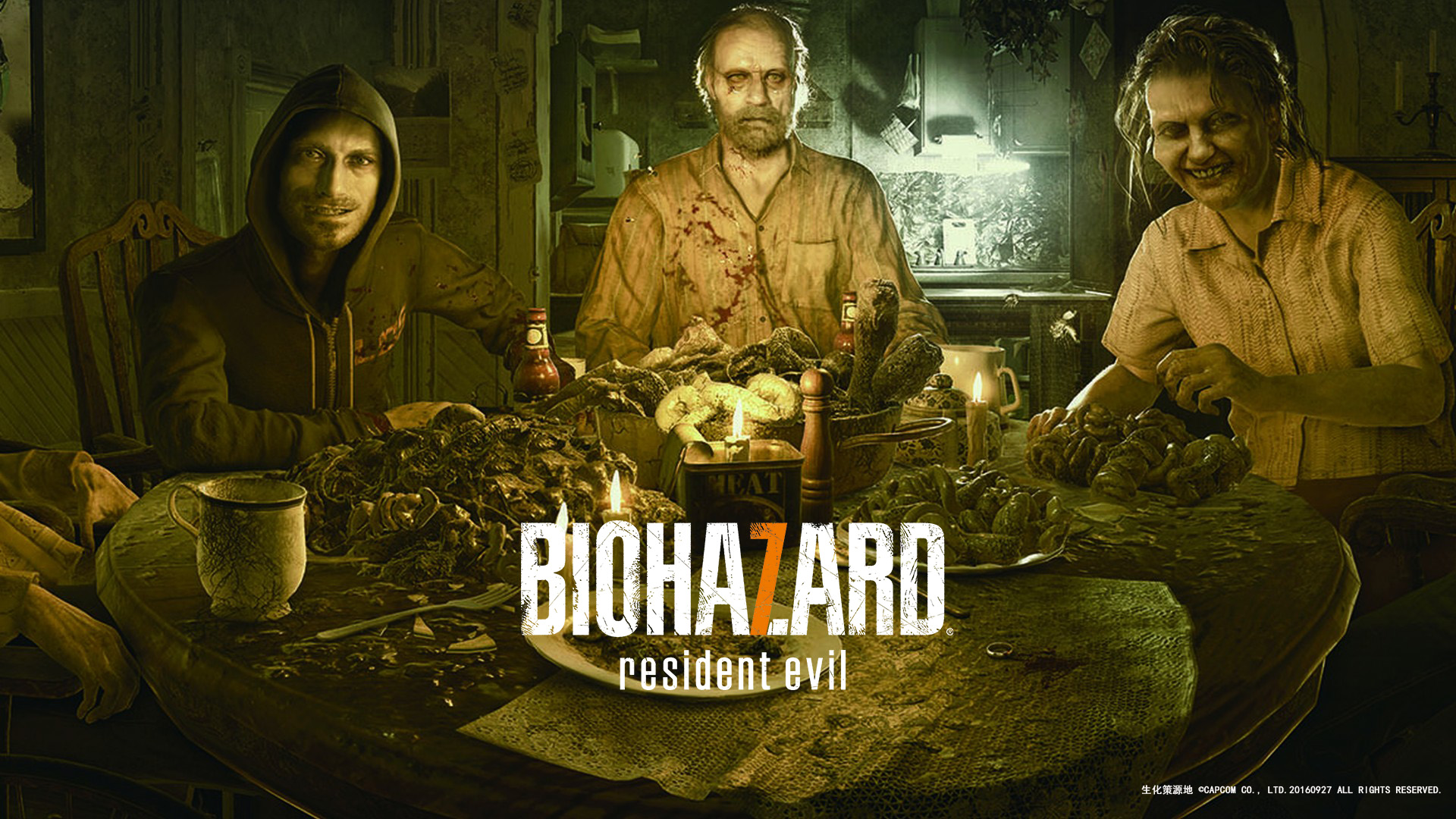
Figure 6. Resident Evil 7
Characters in Resident Evil 7 appear very close to real humans, but their unnatural behaviour, facial expressions, and emotional changes make players feel deeply uncomfortable.
Implications for Horror Game Design
For my horror game, the uncanny valley offers a useful approach to character design. Even when characters are humanoid, unnatural movement and behaviour can create psychological discomfort, rather than relying only on traditional jump scares.
To learn more about how I apply the uncanny valley to my horror character design, please visit CHARACTER DEVELOPMENT.