Prevalence and Trends

Substance misuse among older adults in the UK is a growing concern. As of March 2024, over 310,000 individuals received treatment for drug or alcohol problems, marking the highest number recorded in recent years (Gov UK, 2024). Notably, the number of people over 50 receiving drug treatment has increased significantly over the past two decades, with more than a quarter of those individuals aged over 60 (Castle Craig, 2025).
Contributing Factors
Several factors contribute to substance misuse among the elderly:
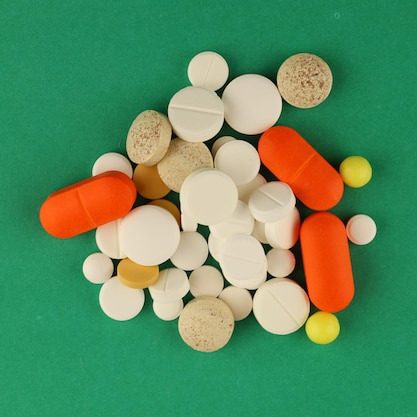
- Chronic Pain and Medication Use: Long-term use of prescription medications, especially opioids and benzodiazepines, increases the risk of dependency (Castle Craig, 2025).
- Mental Health Issues: Untreated depression and anxiety can lead older adults to self-medicate with alcohol or prescription drugs (Rao, 2019).
- Loneliness and Isolation: Social isolation due to retirement, bereavement, or reduced social networks is a significant risk factor for substance misuse (Rao, 2019).
Challenges in Detection
Substance misuse in older adults is often underdiagnosed. Symptoms such as confusion, memory loss, and fatigue are frequently attributed to ageing, which can result in missed diagnoses (Rao, 2019). Additionally, healthcare providers may lack training in recognising addiction within this demographic, further complicating detection.
Treatment and Support
Treatment for elderly individuals with substance misuse requires a tailored approach. Specialised programmes that consider age-related health concerns are essential. In the UK, facilities like Castle Craig provide residential rehabilitation services specifically for older adults (Castle Craig, 2025). Age-appropriate interventions and regular medication reviews are critical for preventing misuse and improving outcomes (National Institute on Drug Abuse, 2020).
Addiction among the elderly is a pressing issue that requires increased awareness and age-sensitive care. Recognising the unique challenges faced by older adults and providing specialised support can significantly enhance their quality of life and overall well-being.
Castle Craig. (2025). Substance Misuse and Addiction in the Elderly. [online] Available at: https://www.castlecraig.co.uk/addiction-resources/addiction-in-the-elderly/
Government of the United Kingdom. (2024). Adult substance misuse treatment statistics 2023 to 2024. [online] Available at: https://www.gov.uk/government/statistics/substance-misuse-treatment-for-adults-statistics-2023-to-2024/adult-substance-misuse-treatment-statistics-2023-to-2024-report
National Institute on Drug Abuse. (2020). Substance Use in Older Adults DrugFacts. [online] Available at: https://nida.nih.gov/publications/drugfacts/substance-use-in-older-adults-drugfacts
Rao, R. (2019). Substance misuse in later life: challenges for primary care. [online] Available at: https://pmc.ncbi.nlm.nih.gov/articles/PMC6650788/
Steffens, D.C. (2024). Alcohol Use Disorder in Older Adults: A Review of Recent Literature. [online] Available at: https://www.sciencedirect.com/science/article/pii/S2950386824000066
Leave a Reply