1. Overview
High Concept
Sea Sketcher is a cosy, exploration-driven ocean adventure where players sail across a vibrant, living world, documenting their discoveries through sketches, photographs, and captains’ notes. As they chart islands, ecosystems, and gentle sea monsters inspired by real marine life, players uncover a quiet story about the importance of understanding, not exploiting, the world beneath the waves.
Core Pillars
- Gentle Exploration – Discover a vast ocean at your own pace, rich with islands, wildlife, and secrets.
- Creative Documentation – Sketch, photograph, annotate, and collect samples to build your personal world atlas.
- Living Creatures – Encounter curious sea “monsters,” each based on real marine biology and ecological behaviours.
- Cosy Narrative – A reflective story encourages players to explore, learn, and connect with the ocean’s mysteries.
- Environmental Appreciation – Discover how ecosystems thrive — and how human activity changes them.
2. Setting & Tone
World
The world is an archipelago-filled ocean dotted with unique islands, coral atolls, fog-covered cliffs, mangrove labyrinths, and volcanic reefs. Beneath the waves lie species ancient and strange, their behaviours rooted in real-world ocean ecology.
Tone
- Soft, warm, reflective
- Curious rather than threatening
- Inspired by nature documentaries, travel journals, and watercolour art
- Comfortably paced, no combat
- Emotional undertones tied to wonder, growth, and connection
3. Narrative
Premise
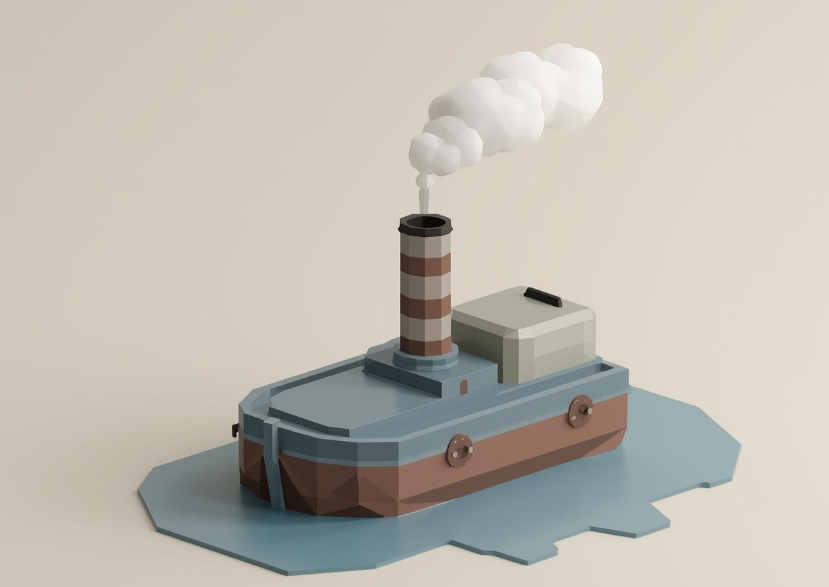
You are an apprentice cartographer aboard a small research vessel left to you by your mentor, a renowned explorer who vanished on their final expedition. Their incomplete world atlas sits on your desk, full of blank pages and half-finished sketches.
Your goal: complete the Atlas and uncover what your mentor was searching for.
Story Themes
- Curiosity over conquest
- Learning to see the world with intention
- How ecosystems interconnect
- Respect for the unknown
- The value of documentation and storytelling
Story Progression
The narrative gently nudges players forward:
- Lost letters and logs from your mentor
- Rumours from island communities
- Clues hidden in creature behaviour
- Environmental mysteries: coral bleaching, migrating species, underwater ruins
The story unfolds naturally as players document the world.
4. Gameplay
4.1 Exploration
- Sail a customisable ship across an open ocean.
- Discover new islands, currents, biomes, and underwater zones.
- Weather, tides, and time of day affect what you can find.
- Use tools to navigate: compass, star charts, sonar, wind maps.
4.2 Documentation Tools
Players choose how they want to log discoveries. Every discovery type creates an entry in the Atlas.
Sketchbook
- Freehand sketch mode (simple, cosy-friendly).
- Choose from watercolours, pencil, and ink.
- Sketch creatures, coastlines, ruins, or ship logs.
- Improves with player practice but stays stylistically charming.
Camera
- Capture photos of wildlife, weather, and landmarks.
- Unlock lenses: macro (for tidepools), wide (for leviathans), low-light.
- Creatures react differently to cameras (curiosity, surprise, playful interactions)

Notes & Journaling
- Type or select pre-written notes.
- Document behaviour patterns, migrations, feeding habits, and island folklore.
- Works hand-in-hand with story clues.
Environmental Samples
- Ethically gather non-harmful items: shells, fallen coral, driftwood, algae.
- Each sample unlocks educational notes about ecosystem functions.
- Combines with sketches/photos to deepen entries.
Mapping Tools
- Manually outline coastlines by sailing near them.
- Mark points of interest.
- Add your own symbols (campsites, ruins, currents, creature sightings).
- Completing a region’s map unlocks narrative beats.
5. Sea Creatures
General Design Philosophy
Creatures are:
- Curious, not aggressive
- Inspired by real animals (whales, jellyfish, oarfish, squid, manatees)
- Larger-than-life but gentle in demeanour
- Behaviour-driven (schools, migration, bioluminescent patterns)
Interactions
- Sketch their outlines from afar
- Photograph unique behaviours
- Follow them on their routes
- Learn how their environment shapes them (and how human activity affects it)
- Some creatures guide you to story landmarks
Example Creatures
- Glassback Ray – A manta-like giant with translucent wings glowing like stained glass.
- Echolight Pod – A family of “whales” that communicate through visible pulses of colour.
- Crescent Tide Serpent – An oarfish-inspired ribbon creature that follows ocean currents.
- Bloomback Jelly – A titan jellyfish whose tendrils feed entire reef ecosystems.

6. Ship & Progression
Upgrades
- Faster sails
- Better cameras
- Sketch tools
- Atlas expansions
- Lanterns for night exploration
- Drones for underwater photography
- Environmental sensors (salinity, temperature, pollution levels)
Upgrades are gained through:
- Exploration milestones
- Helping island communities
- Documenting new species or terrains
- Story progression
7. Core Gameplay Loop
- Set sail toward uncharted territory
- Discover an island, anomaly, or creature
- Document it using tools (sketch/photo/note/sample/map)
- Add it to your Atlas
- Return to your ship to rest, reflect, or analyse findings
- Receive new clues or story hints guiding your next journey
Leave a Reply