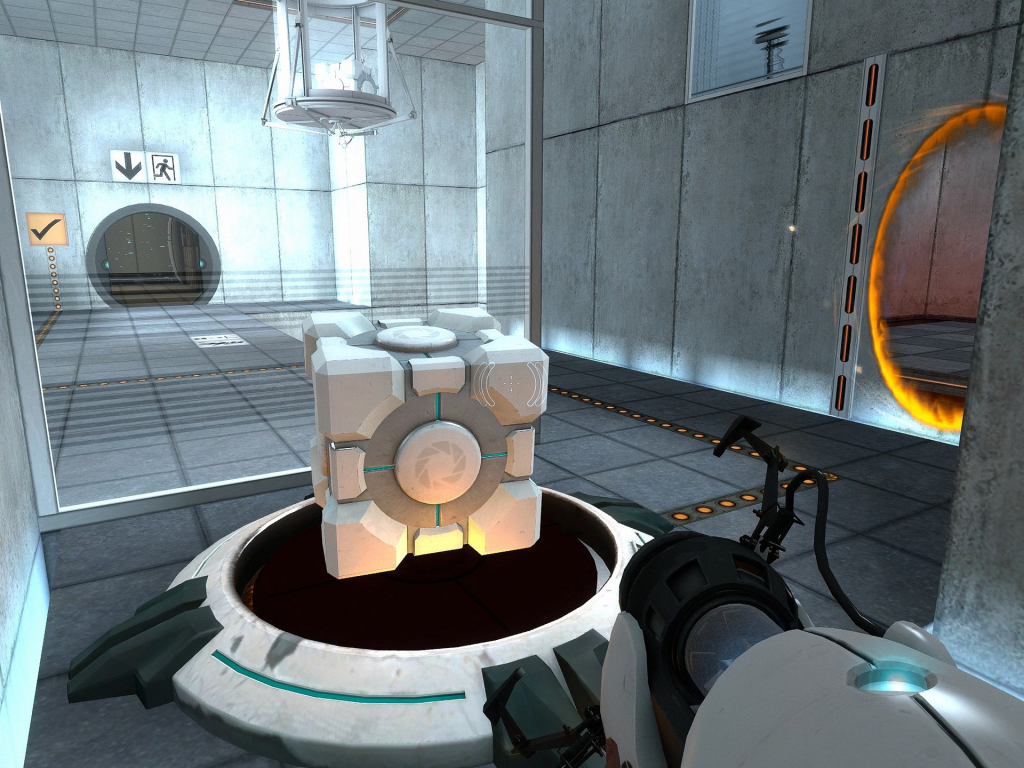
Valve’s Portal series stands as a prime example of environmental design guiding player behaviour with elegance and subtlety. The games employ a restrained visual language, where lighting and colour are meticulously applied to highlight interactive surfaces and points of interest. Brightly lit panels and the distinctive hues of the portals contrast sharply with the stark laboratory backdrop, ensuring that players are always aware of where to focus their attention. Carefully crafted sound design—from the mechanical whir of moving platforms to the unique resonance of portal activations—provides further orientation and reinforces a sense of progress through each puzzle chamber.
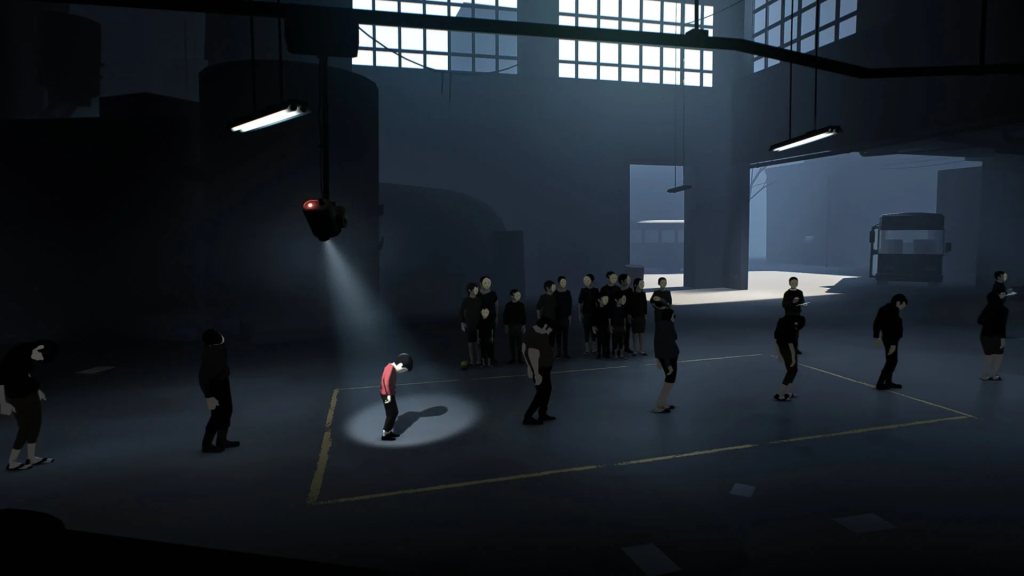
Playdead’s Inside similarly demonstrates masterful use of environmental cues. The game’s monochromatic palette is punctuated by deliberate flashes of light and judicious colour, guiding players towards interactive elements and away from danger. Objects and architectural features are positioned with precision, nudging players along the intended path without the need for explicit direction. Subtle audio cues and ambient soundscapes heighten tension and prompt curiosity, ensuring the player’s journey unfolds naturally and remains deeply immersive throughout.
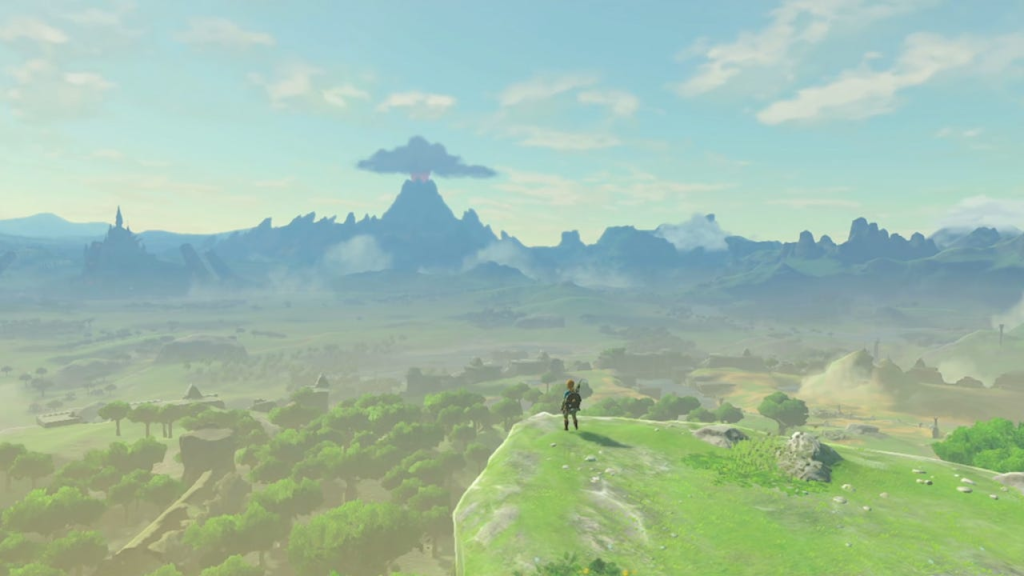
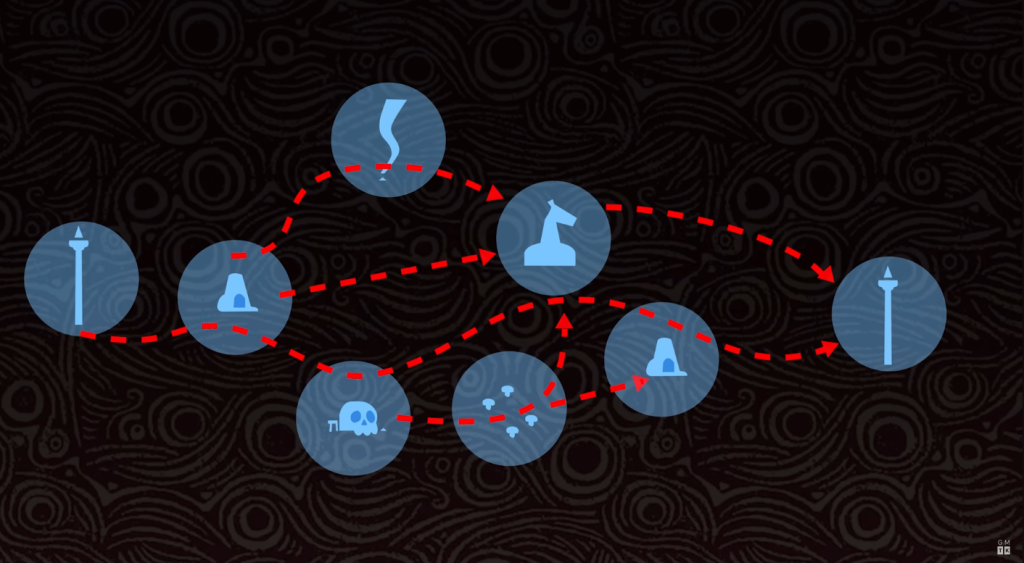
The Legend of Zelda: Breath of the Wild offers a striking illustration of these techniques within an open-world context. The landscape itself is designed to entice exploration, with natural landmarks, shifting light, and bold colour contrasts drawing players towards areas of interest. The glow of shrines, the flicker of distant fires, and the nuanced layering of environmental sounds work in concert to encourage organic discovery. By embedding such cues within the very fabric of the world, the game ensures that navigation is intuitive and the sense of adventure remains ever-present.
Lighting, objects, colour, and sound are fundamental instruments in guiding player behaviour within a game world. When thoughtfully orchestrated, these elements direct attention, encourage exploration, and reinforce narrative intent, all without recourse to overt on-screen prompts. By integrating such techniques, designers can shape a player’s journey in ways that feel organic and immersive, ensuring the experience is both intuitive and engaging throughout.
Lighting serves as one of the most immediate means of influence. A well-placed pool of light can highlight a significant object or pathway, naturally drawing the player’s eye and suggesting a route forward. Shadows and dimly lit areas, conversely, can introduce an element of uncertainty or hint at hidden dangers, subtly managing the player’s sense of safety and curiosity. Used skilfully, lighting not only enhances atmosphere but also provides silent guidance, allowing the environment itself to communicate priorities.
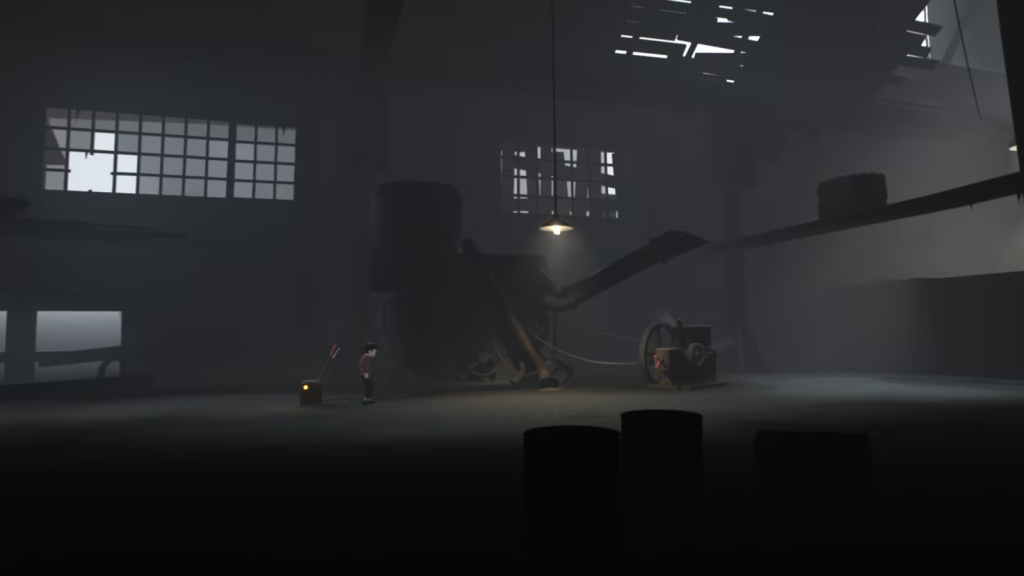
Objects within the environment act as visual signposts, carefully arranged to lead players through a space. Distinctive props or architectural features can serve as landmarks, while the placement of interactive items along a desired path gently steers the player’s movement. The arrangement of objects can also suggest narrative context or puzzle logic, ensuring that progress feels like a natural consequence of observation and deduction, rather than arbitrary trial and error.
Colour is an equally potent tool in the designer’s palette. Strategic use of contrasting or vibrant hues can make crucial elements stand out against more muted backgrounds, instantly signalling importance. Warm colours may evoke comfort or progression, whereas colder tones can impart a sense of caution or danger. A coherent colour scheme not only aids navigation but also underpins the emotional tenor of the entire game world.
Sound design, meanwhile, envelops the player and shapes perception of space. Ambient noises, directional cues, and musical motifs can all indicate where attention should be focused or suggest that something of significance lies nearby. Subtle changes in soundscape as a player moves reinforce their sense of orientation and progress, while well-timed audio cues can reward discovery or gently nudge players towards solutions. Together, these elements ensure that guidance is woven seamlessly into the fabric of the environment, deepening immersion and enhancing the overall experience.
In developing our single-room puzzle game, I intend to employ these techniques to create a space that is both intuitive and atmospheric. Careful lighting will be used to draw attention to essential clues or interactive objects, ensuring they are immediately recognisable without resorting to overt signals. The placement of distinctive props will suggest the order in which puzzles might be approached, while a considered use of colour will help distinguish interactive elements from the background. Subtle audio cues—a faint chime when a puzzle piece is in the correct position or a soft change in ambience as progress is made—will provide reassurance and guidance without disrupting immersion. By weaving these principles together, I hope to craft an environment that rewards careful observation, encourages thoughtful interaction, and maintains a cohesive, engaging atmosphere throughout.
Leave a Reply