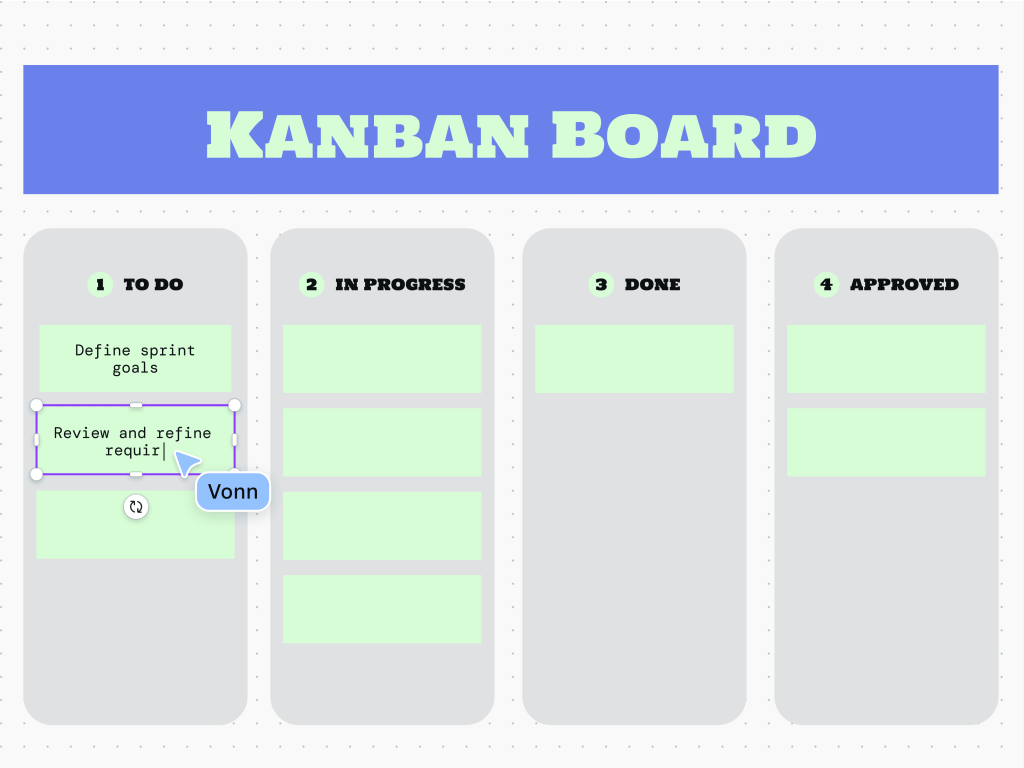
Kanban is an effective project management methodology for creating video games within a short time frame because it emphasizes flexibility, clarity, and con
Kanban is an effective project management methodology for developing video games within a short timeframe as it emphasises flexibility, clarity, and ongoing progress. By visualising tasks on a Kanban board, developers gain a clear overview of what needs to be done, what is currently underway, and what has been completed. This transparency enables teams to remain focused on priorities and minimises time lost to unclear objectives or miscommunication—crucial when working to strict deadlines.
A key strength of Kanban is its focus on limiting work in progress. By preventing too many tasks from being undertaken simultaneously, developers can concentrate on completing features rather than frequently switching between them. This results in quicker completion of core mechanics, more polished gameplay, and fewer unfinished systems. In game development, where features often depend on each other, this approach helps maintain momentum and ensures essential elements are playable as early as possible.
Kanban also facilitates rapid iteration, which is vital in short-term game projects. Tasks can be added, adjusted, or reprioritised at any point without upsetting the overall workflow. This enables developers to respond swiftly to playtesting feedback, resolve bugs, or refine mechanics as the project develops. Overall, Kanban’s adaptable structure and focus on continuous delivery make it particularly well suited to fast-paced video game development, helping teams produce focused, playable, and polished games within limited timeframes.
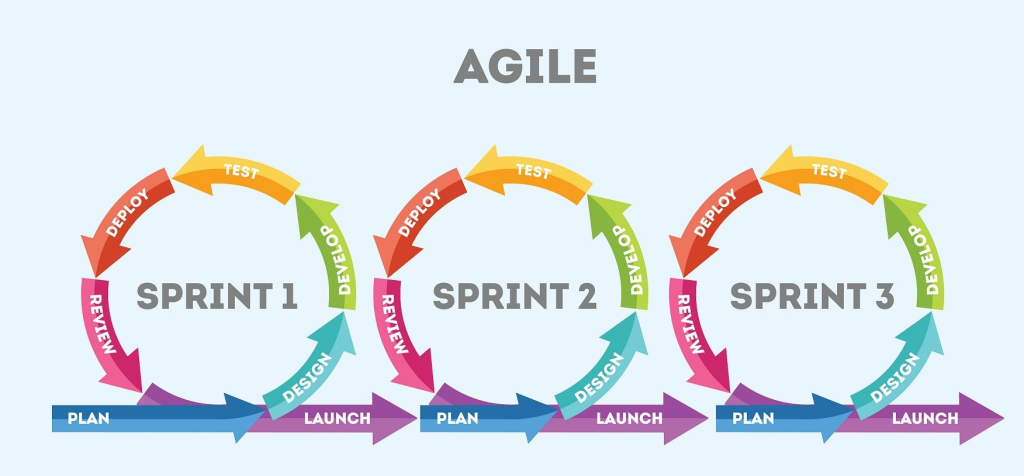
Agile is a practical and adaptable approach to managing game development, particularly when working within tight time constraints. Rather than planning every detail in advance, Agile divides the project into smaller, manageable sections—known as sprints. This enables teams to make steady progress and deliver early, playable versions of the game, allowing everyone to see how the project is progressing from the outset.
One of Agile’s greatest strengths is its emphasis on regular feedback and ongoing improvement. After each sprint, the team reviews and playtests what has been produced, identifying what is effective and what requires adjustment in the next cycle. This is particularly beneficial in short projects, where it is preferable to refine the essentials rather than develop numerous features that may not be included. Agile enables teams to adapt quickly if something is not working, reducing time spent on ideas that do not fit the project.
Effective communication lies at the heart of Agile, which is essential when deadlines are approaching. Daily stand-ups and clear objectives ensure everyone remains aligned, help prevent bottlenecks, and guarantee the team is working towards what matters most. In summary, Agile’s iterative, improvement-focused approach is ideal for developing a game swiftly, while ensuring the outcome is focused, playable, and engaging.
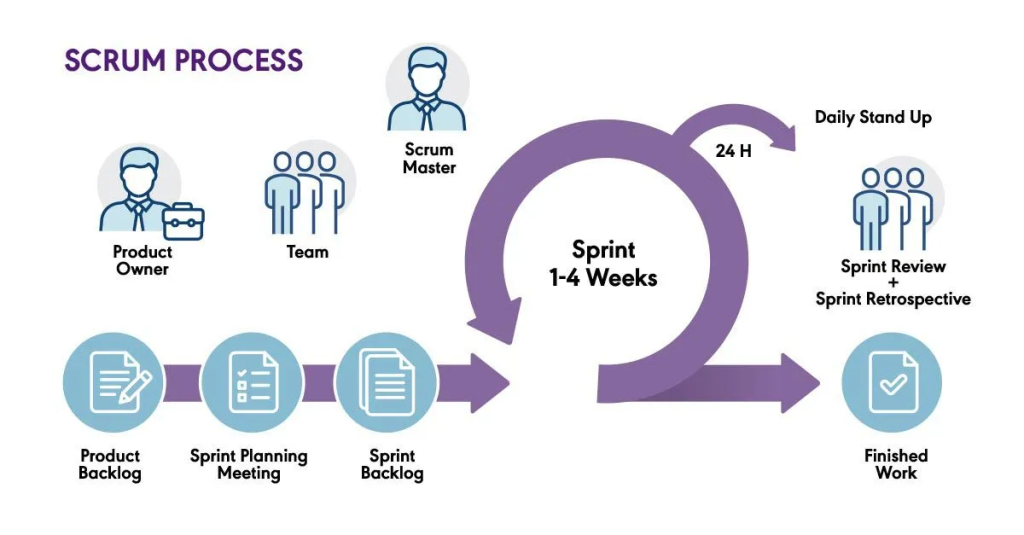
Scrum is an effective project management framework for game development as it offers a clear structure whilst supporting flexibility and creativity. By organising development into short sprints with defined goals, Scrum ensures steady progress and keeps the team focused on delivering playable and meaningful features within a limited timeframe.
A key benefit of Scrum is its emphasis on regular review and reflection. Sprint reviews allow the team to test new mechanics, puzzles, or level designs and evaluate how well these support the overall vision of the game. Sprint retrospectives encourage reflection on what was successful and what was not, helping smaller teams enhance communication and workflow with each iteration.
Scrum also fosters accountability and clarity of roles, which is particularly useful in small teams. Clear sprint backlogs and daily check-ins ensure both team members understand priorities and responsibilities. This reduces confusion and prevents tasks from being overlooked. Overall, Scrum’s structured yet adaptable approach supports efficient collaboration, rapid iteration, and consistent progress, making it well suited to small-scale game development projects.
Leave a Reply