Sea Monsters is the first topic I looked into, reduced from ‘The Origins Behind Classic Stories’. Sea Monsters don’t just exist as childrens stories antagonsits to keep them up at night, but mostly as dramatisations behind sailors stories that have gotten out of hand.
What are Sea Monsters?
Sea monsters are seen as great beings from folklore believed to live in the sea, taking many forms, shapes and sizes. Often, they are portrayed as having attacked ships sailing the seas.
Looking into the topic, I have followed the Natural History Museums discussions on the topic.
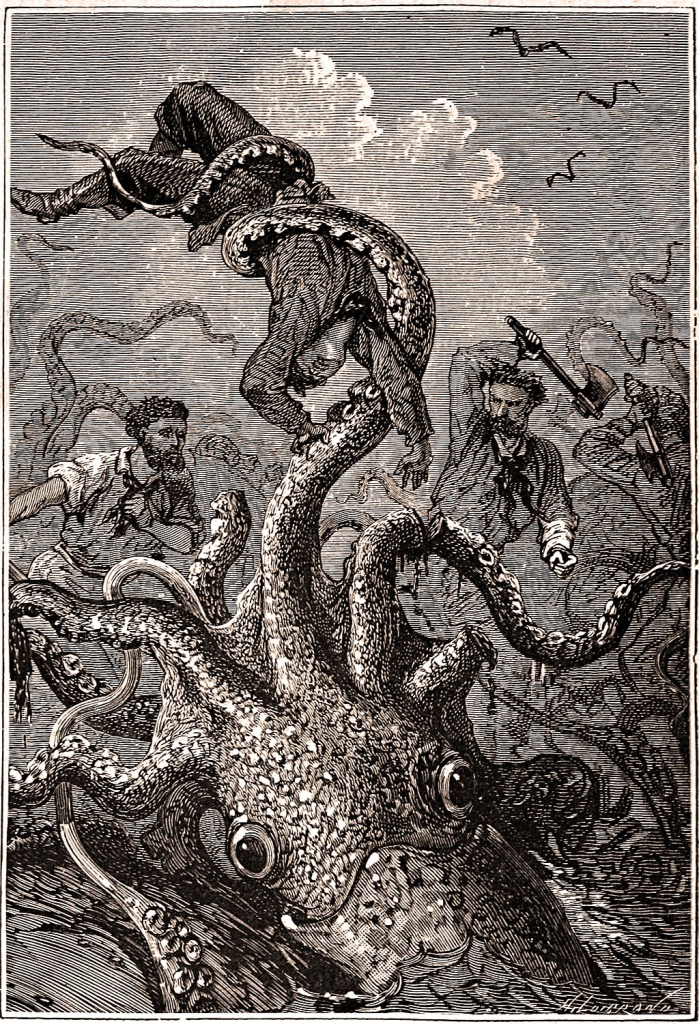
Sea monsters like the Kraken originates in Scandinavian folklore, depictedd as an aggressive cephalopod capable of sinking entire ships. Pulling them to the depths. The Kraken is normally a mix between a squid and an octopus. Their unusual bodies aren’t really found anywhere else in the world and stimulate our fear of the unknown.
A leading theory is that partially digested remains of giant squid had washed up on beaches which caused people to start guessing and telling the tales of what may have happened.
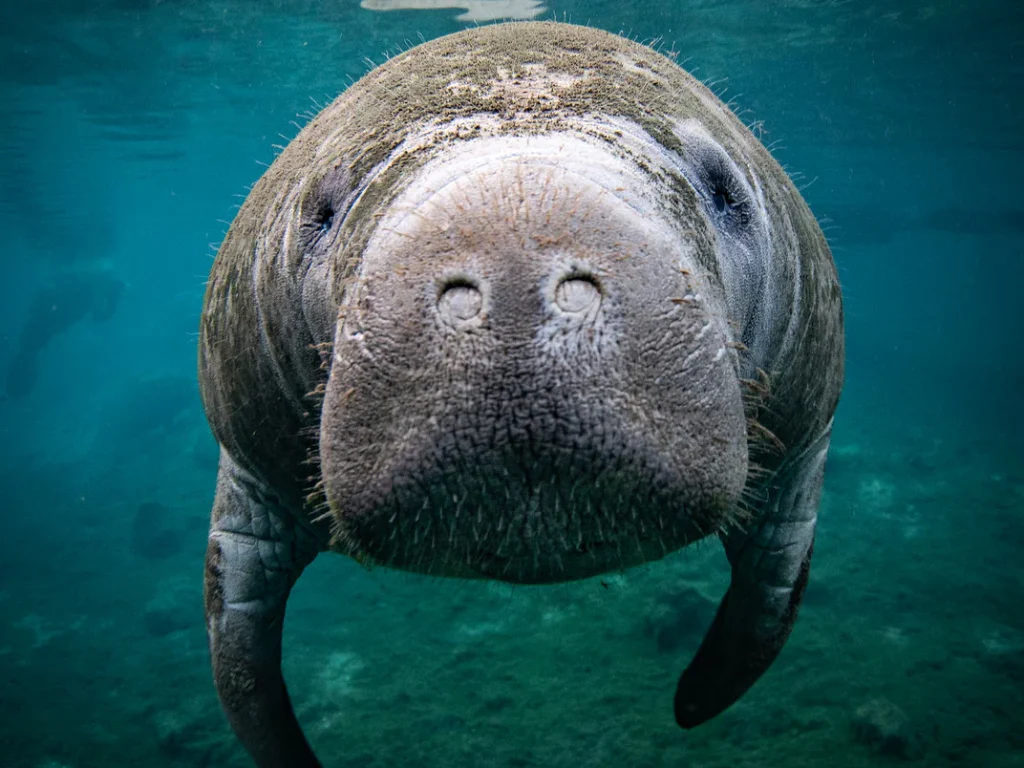
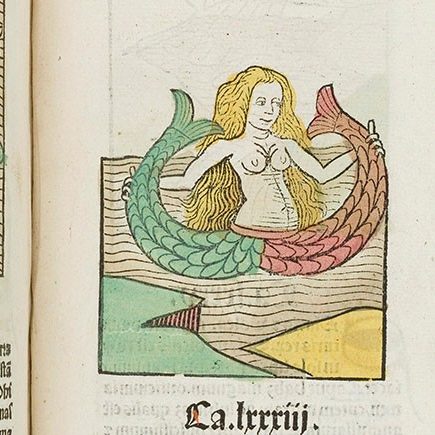
Before science unveiled the mysteries of the ocean’s depths, the sea was viewed as a realm of mystery. People attributed human characteristics to it, both beautiful and deadl leading to the emergence of human/sea hybrids. Sailors and coastal residents frequently narrated tales of strange sea creatures. When they encountered unfamiliar sights, such as manatees, dugongs, or seals from a distance, they often interpreted them as “sea people.”
For instance, Christopher Columbus recorded in his journal that he observed “mermaids” near the Dominican Republic, which were likely manatees.
As I expected going into this research topic, Sea Monster Tales mostly come from the fear of what is not understood in the oceans, mixed in with fear for what we have found. Things like Giant Squid and Oarfish are so huge in size that they likely would scare our ancestors that hadn’t seen anything larger than themselves. These stories were also believed to be inspired by peer pressure. The idea that being away from home for years at a time and having nothing of note to talk about is believed to be one of the reasons that certain stroies took hold in homes.
Space
We can see this form of story telling today, just now it is mostly told about things off of our planet. Life (2017) follows a team of astronauts studying some life they found on Mars, reviving it from which point it evolves, kills the crew and crashes down on the planet.
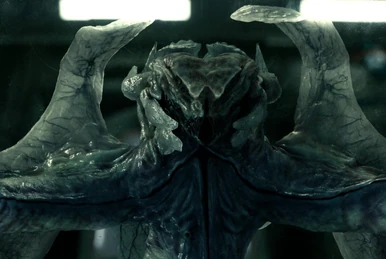
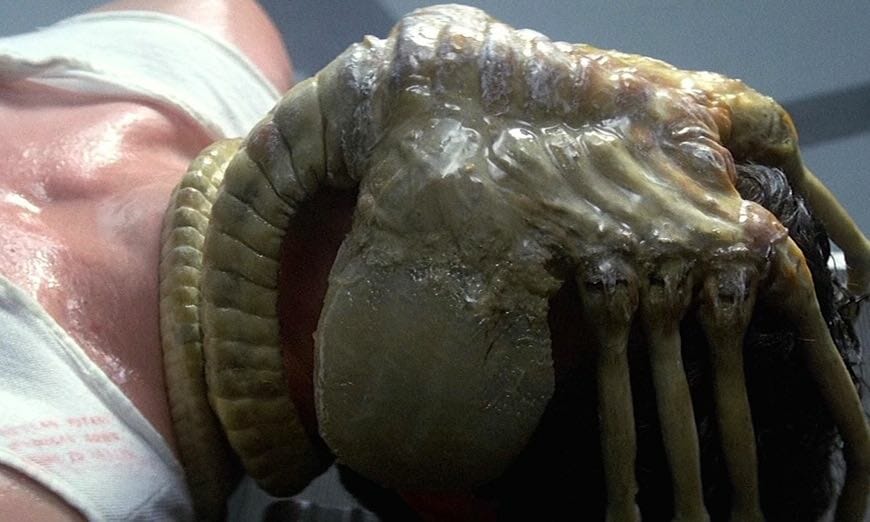
We can see a similar sense of fear in the unknown in ‘Life’s’ predecessor, Alien(1979) which displays similar themes and more distressing scenes.
While these ideas are slightly more disturbing that a giant squid, that is only because we have come to slowly understand more of the ocean than we have of the space outside our skies.
Stories and Warnings
Historical mapmakers often depicted sea monsters to mark unexplored or dangerous areas of the ocean. These myths served both moral and practical purposes, alerting sailors to hazardous waters. By identifying specific dangers, early mariners transformed these threats from seemingly arbitrary fears into manageable challenges. For example, the legendary Kraken symbolizes the whirlpools and sudden storms that pose significant risks to seafaring vessels.
The region known as the “Devil’s Triangle,” situated between Miami, Bermuda, and Puerto Rico, has gained notoriety for the mysterious disappearances of ships and planes. This phenomenon began capturing public attention in the 1950s, fueled by articles and accounts in media. Over time, the myth has expanded to include a range of theories, such as alien involvement and time warps. However, more plausible explanations for the disappearances involve factors like weather, navigational errors, and human mistakes.
Both the ancient tales of sea monsters and the contemporary myth surrounding the Bermuda Triangle exemplify how natural hazards can be woven into captivating narratives, reflecting humanity’s efforts to understand and navigate the dangers of the ocean.
| Ancient Myths | Modern Parallels |
|---|---|
| Kraken, Scylla, Charybdis | Bermuda Triangle, deep-sea aliens, cryptids |
| Warned sailors of hidden reefs or whirlpools | Warns pilots/sailors of mysterious disappearances |
| Blended fear and awe of the unknown | Expresses modern anxieties about science, technology, and exploration |
| Explained the unexplainable through monsters | Explains it through pseudoscience or conspiracy |
Institute of Marine Research (2021) ‘Sea monsters – and the natural explanations for them’, Science Norway. Available at: https://partner.sciencenorway.no/history-institute-marine-research-marine-biology/sea-monsters–and-the-natural-explanations-for-them/1867876
Lotzof, K., (2019) ‘Sea monsters and their inspiration: serpents, mermaids, the kraken and more’, Natural History Museum. Available at: https://www.nhm.ac.uk/discover/sea-monsters-inspiration-serpents-mermaids-the-kraken.html
Leave a Reply