Research Context & Literary Inspiration
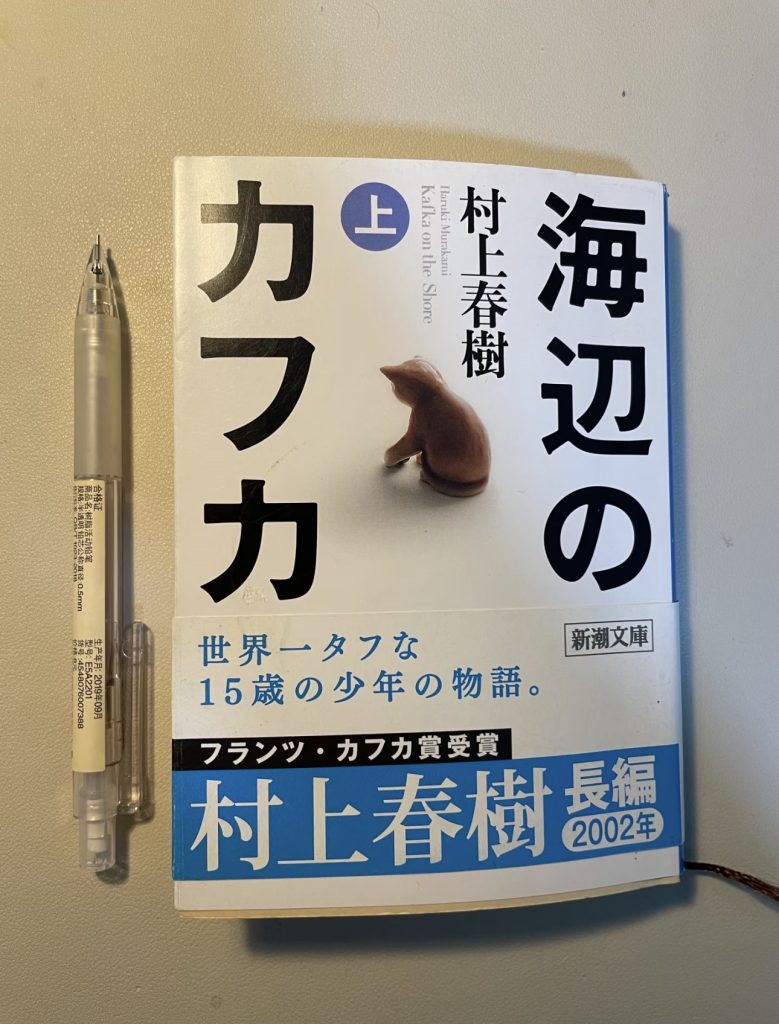
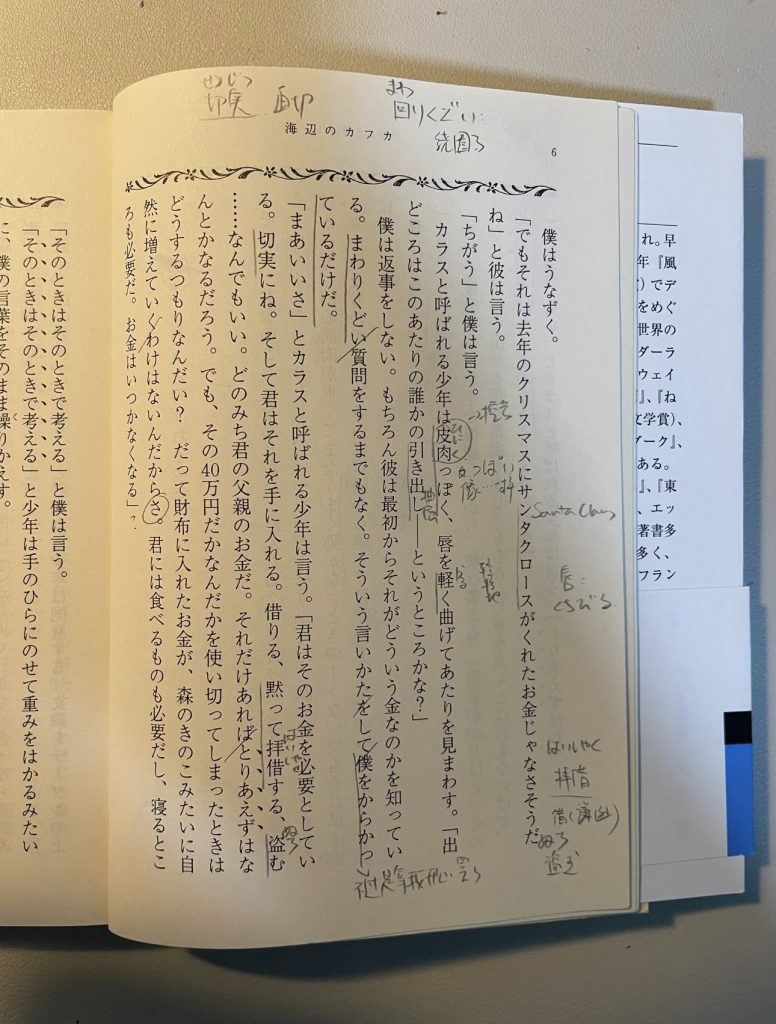
The idea of ‘memory’ in this project is inspired partly by Murakami’s Kafka on the Shore. In this work, memory is not conceived as something that records the past in order to visit it again. On the contrary, memory actively shapes our being and state of existence. Characters embrace their memories and do much more. They walk and make choices that steer them toward versions of themselves in the future. The idea that appears throughout the novel is that the “present” we experience is already memory. The present moment is not a mere point in time; it is a process. It is propelled by the past and creates the future.
Rethinking Memory & Beyond the Past
Based on the above understanding, this project redefines “memory” as follows:
Memory is not merely a record of the past, but a guide for the future.
In Kafka on the Shore, memory possesses both warmth and weight.
It may bring tranquillity, yet it may also stir confusion;
but whether characters consciously look back or not, memory perpetually shapes how they move forward.
Thus, memory here is not an “object requiring resolution”,
but a force that continually operates, perpetually engaged in the fabric of individual existence.
Emotional Weight of Memory
Memories in fiction are not always dramatic highlights;
on the contrary, many pivotal emotions and turning points often occur during seemingly ordinary, quiet moments.
These recollections may not be sharply defined, yet they subtly shape a character’s manner of acting and inner rhythm.
They remind us:
memory is not equivalent to the event itself, but rather resembles an emotional residue.
Design Translation & Memory in Game Structure
This interpretation of memory is directly translated into the game design logic of this project.
Within the game, Memory Fragments are not one-off collectibles to be gathered and completed,
nor do they exist merely as narrative unlock rewards.
Instead, they are designed as an experiential structure that can be revisited repeatedly, re-examined, and gradually alters the player’s understanding.
Memories do not provide definitive ‘correct answers’,
but instead continually influence how players comprehend the world and choose their path forward.
Ordinariness and Continuity
This research is also closely intertwined with another core theme of the project: ‘ordinariness’.
As depicted in the novel, life is often composed of countless ‘days where nothing happened’.
These ordinary days may not be clearly remembered,
yet it is precisely they that constitute a person’s continuity and inner sense of stability.
In this project, memory serves not only to look back upon the past,
but also as a gentle and enduring presence, guiding the player forward.
Core Experience & Memory as Guidance
Ultimately, this project seeks to convey a non-goal-oriented approach to experience:
Players journey not to reach a destination,
but to gradually discover their own rhythm and direction whilst dwelling with memory.
Much like the journey presented in the game—
from drifting to inner stillness memory becomes a gentle guide towards self-rebirth.
Conceptual Synthesis
At its core, this project is guided by the following understanding:
Memory guides future movement.
Ordinariness sustains existence.
Persistence creates a gentle eternity.