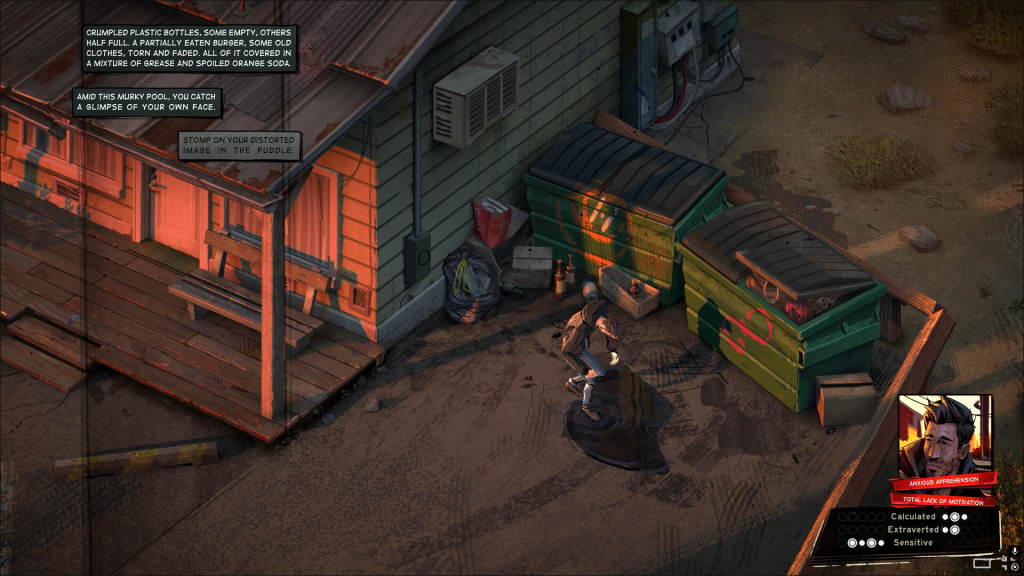
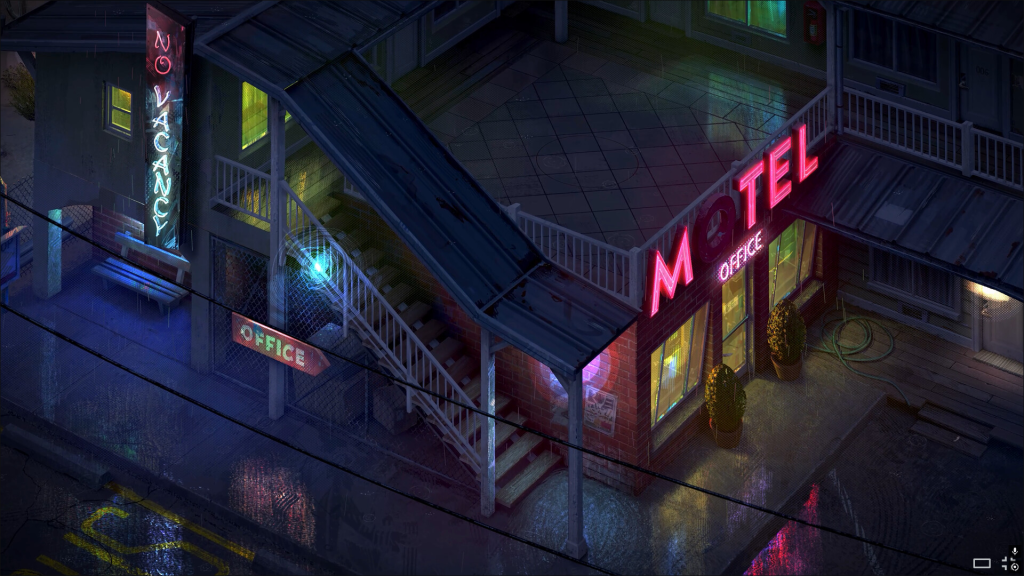
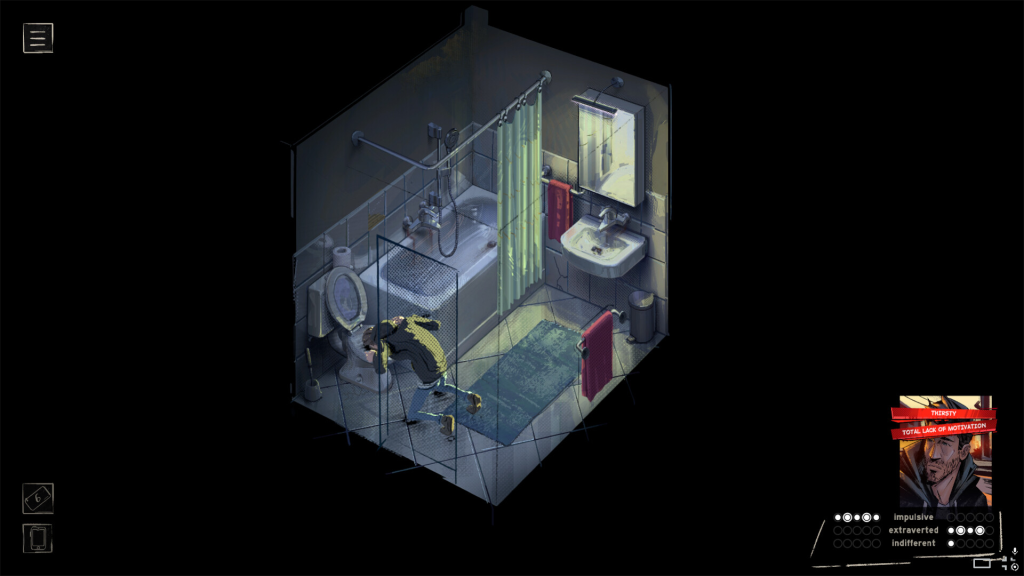
Most of the time, especially when exploring the world, the game is played in this 2.5D perspective
Outdoors, it usually looks like this
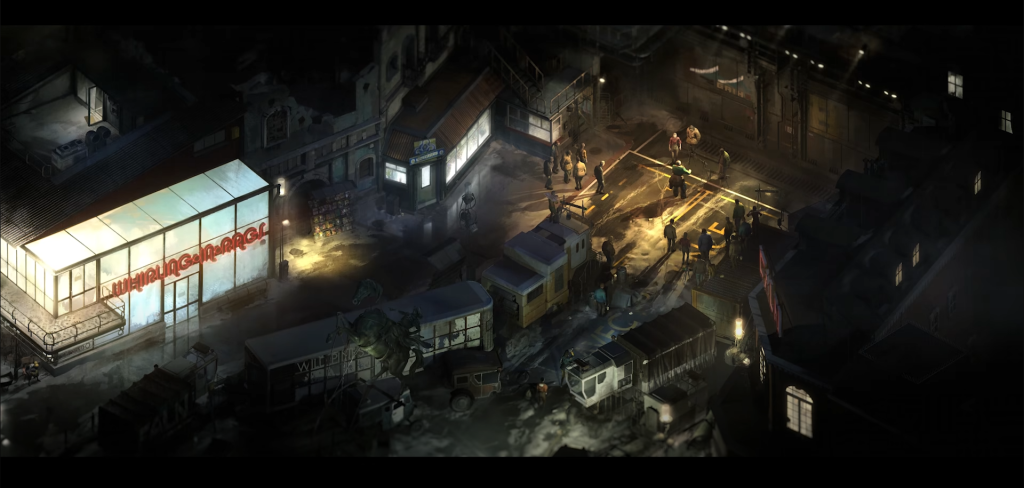
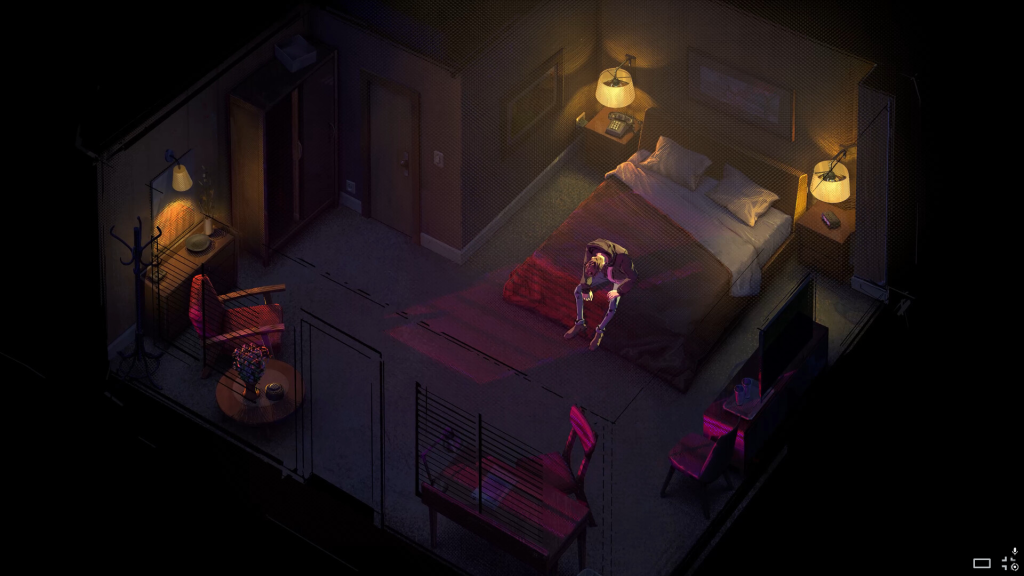
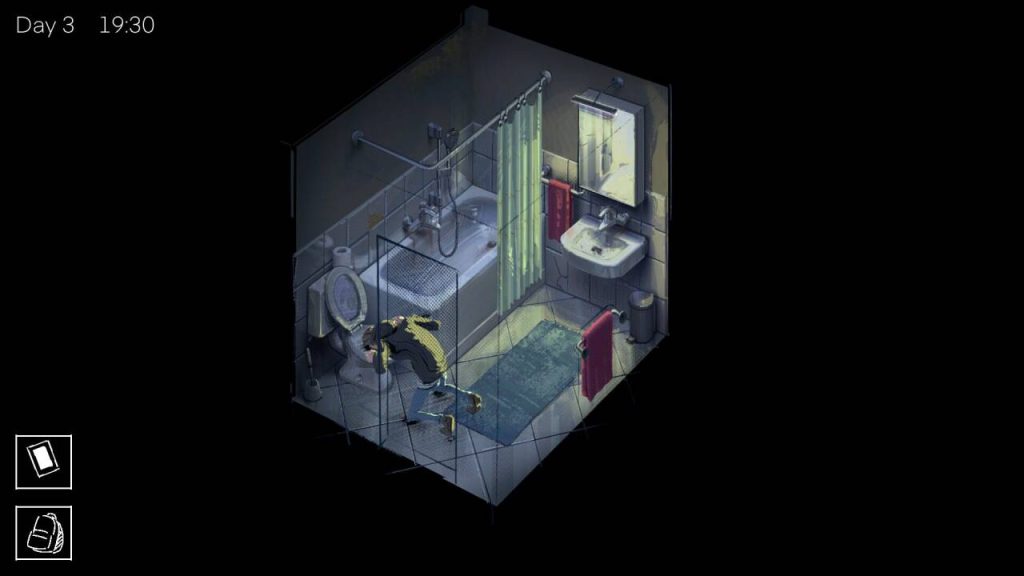
Indoors, it will show this kind of Isometric view
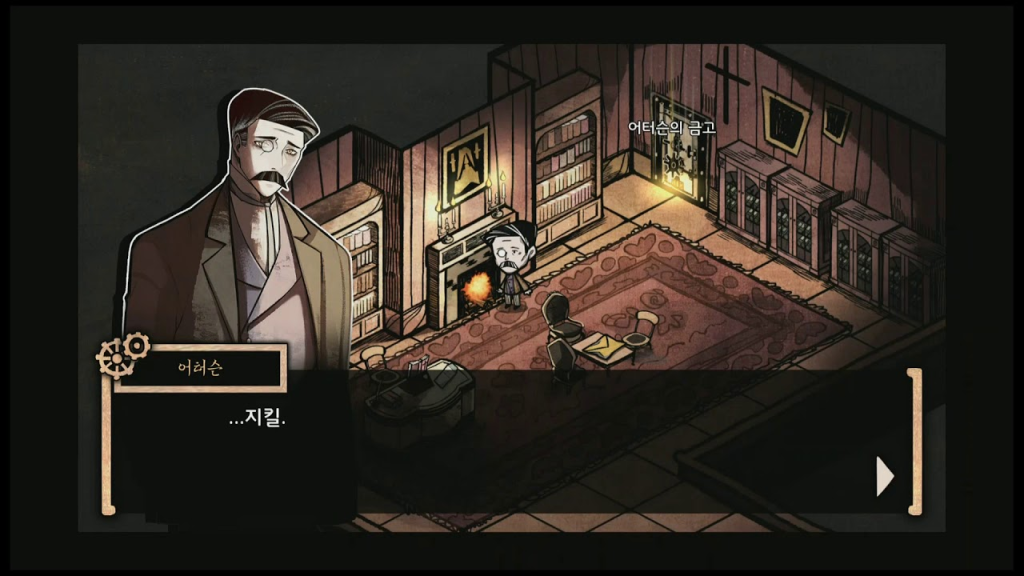
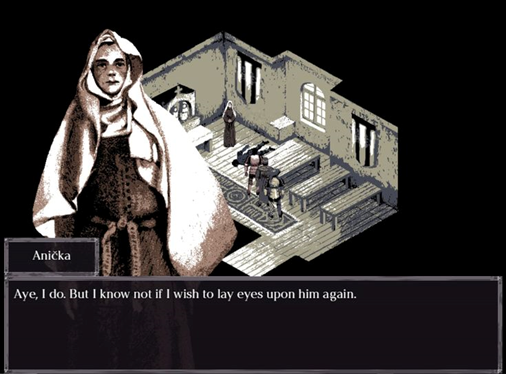
When talking to NPCs, dialog boxes and current character busts will be displayed based on the current scene.
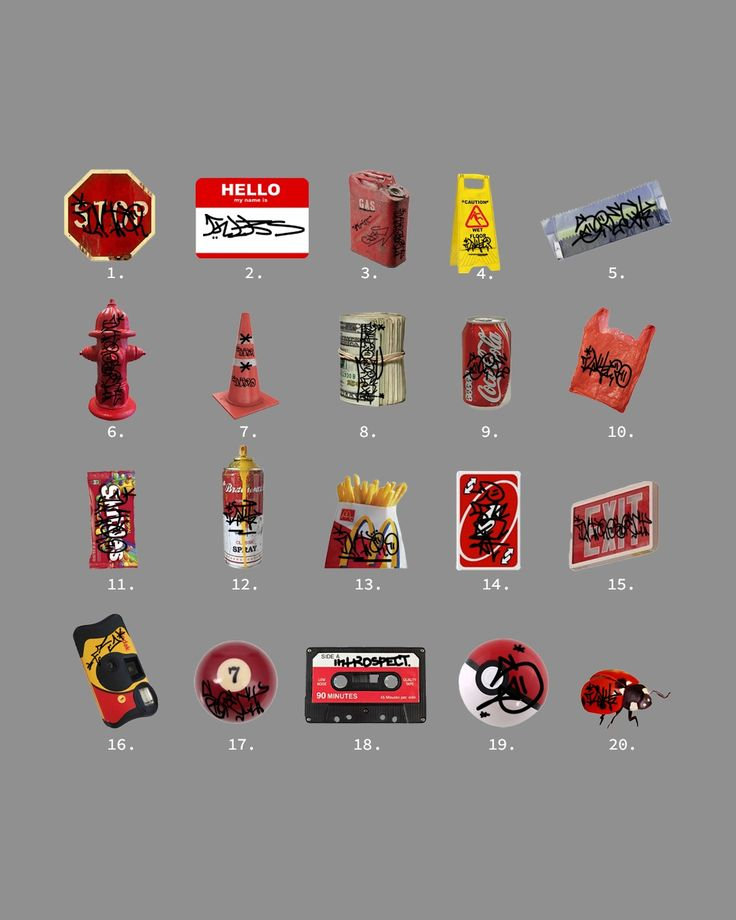
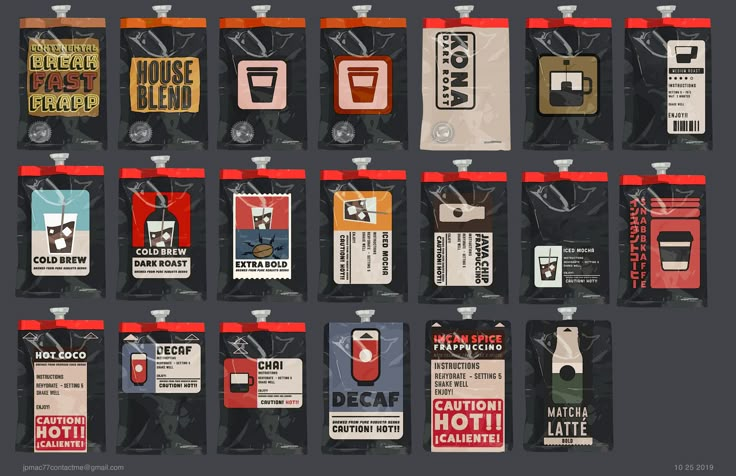
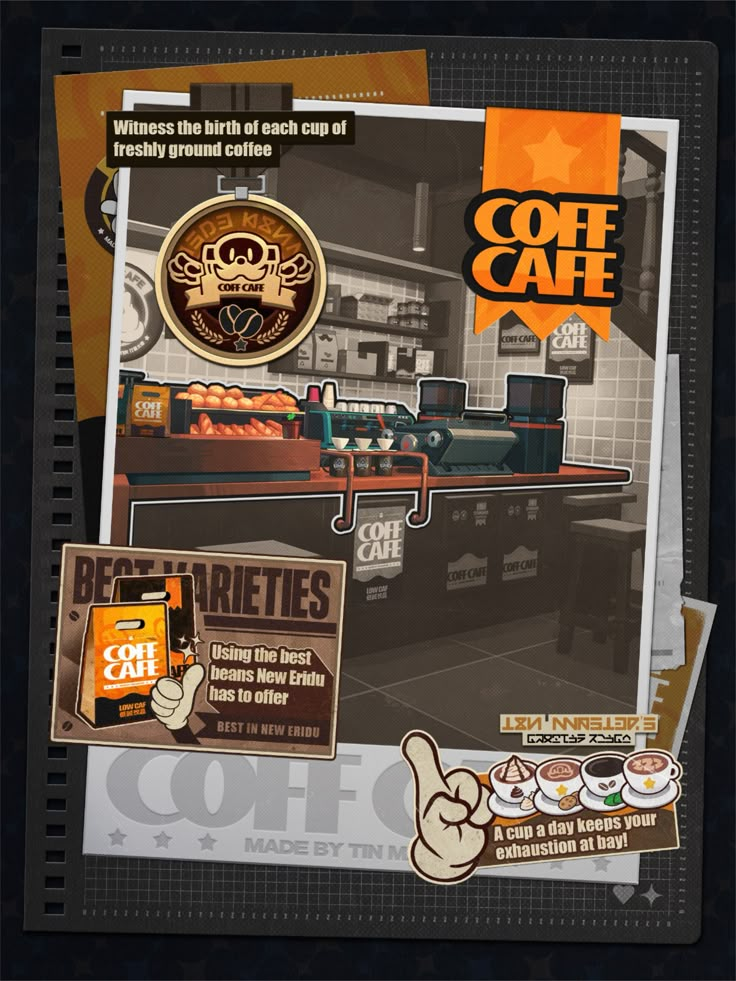
In order to match the style of the game, I would prefer this 3D feel in the item design
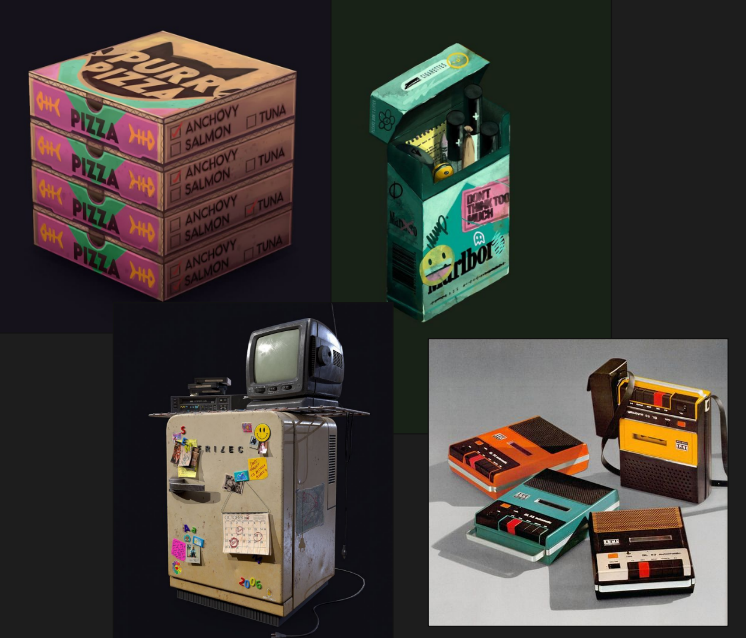
But because we have to think about the development cycle, a slightly more cartoonish 2D work like this would be nice, but I don’t think it will be less than 3D.
UI and HUD
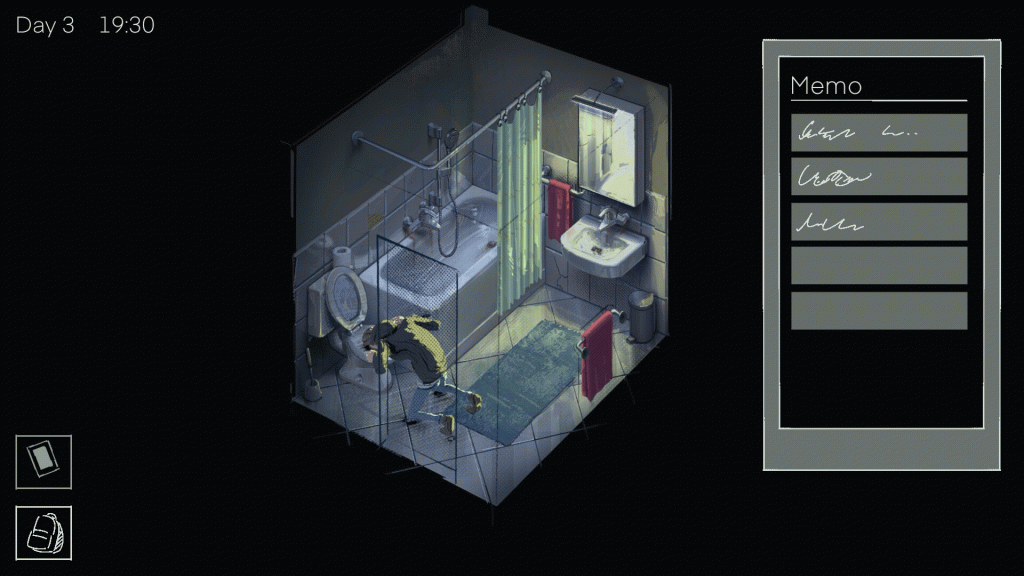
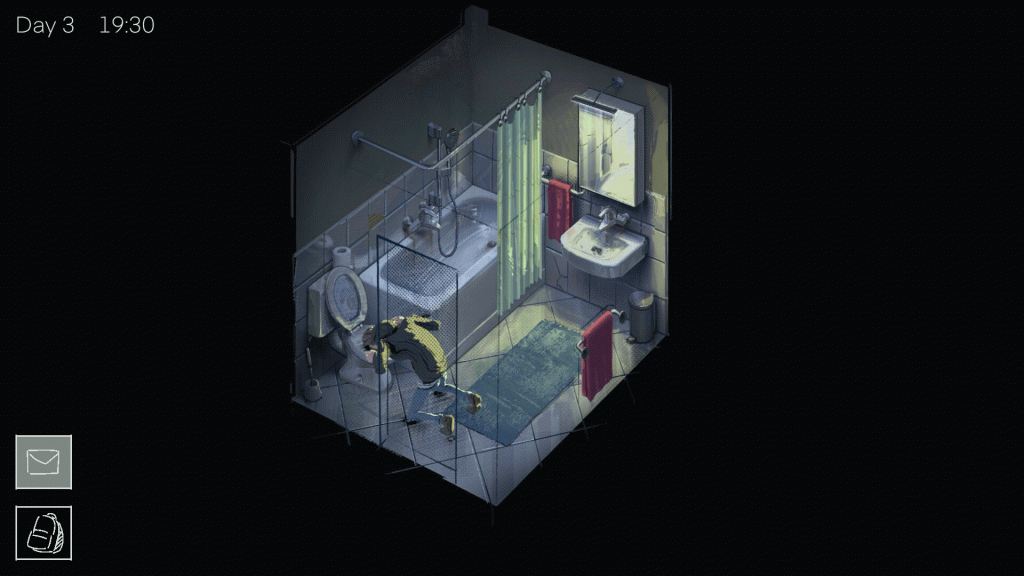
Based on the Rue Valley scenario, I made a simple UI and HUD design. The UI and HUD are mainly made up of three parts: time, phone, and backpack.
Time suggests to a certain extent the progress of the game, and the mobile phone does not assume the function of “task prompts” or “navigation tools” in the traditional sense, but exists as an interface that exposes information. Players can view messages, news, announcements, or other fragmented information from their phone, but “viewing” is an act in itself, not a neutral action. The system considers the player’s level of attention to information as a signal that can be interpreted: frequent checking of the news may be seen as nervous or uneasy, while long-term ignorance of information may be interpreted as avoidance or indifference. Mobile phones are not only a way to obtain information, but also one of the ways players are “seen” by the world.
While I’m not going to tell players “what tasks you need to do”, players can still check the tasks they’ve received in their phone notes (not “complete xxx”, but “don’t forget to find xxx tomorrow morning”). These quests do not automatically appear in the player’s memo, but are naturally obtained when the player interacts with the environment). Although it looks more like a task list in terms of function, the memo will still be mixed with some ordinary shopping lists and the like. Completing the Shopping Order will not advance the story, because the shopping list exists only to make the player-controlled character look more like an ordinary, ordinary, living person. But I’ll probably add a game achievement to the completion of the shopping list… It always has to give players some fun to explore
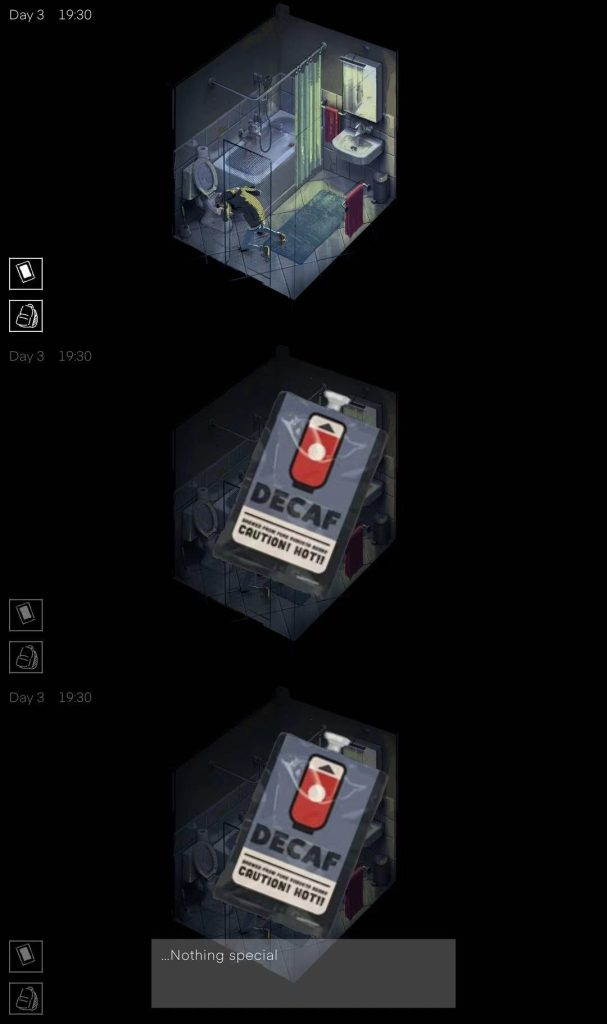
Backpacks are used to store items acquired or touched by players during gameplay, but their function is not limited to managing resources or providing ability buffs, but rather serves as a recording space for traces of player actions.
The items themselves may not have a clear purpose or even be reused, but their presence means that certain actions have already occurred. The system will reinterpret the player’s behavior based on the items they carry or discard.
In this design, the backpack does not assume the function of “optimizing choices”, but is more like a set of persistent physical evidence that reminds the player of the decisions that have been made. Players have no complete control over what these items mean in the system and can only choose whether or not to keep them alive.
Character Design
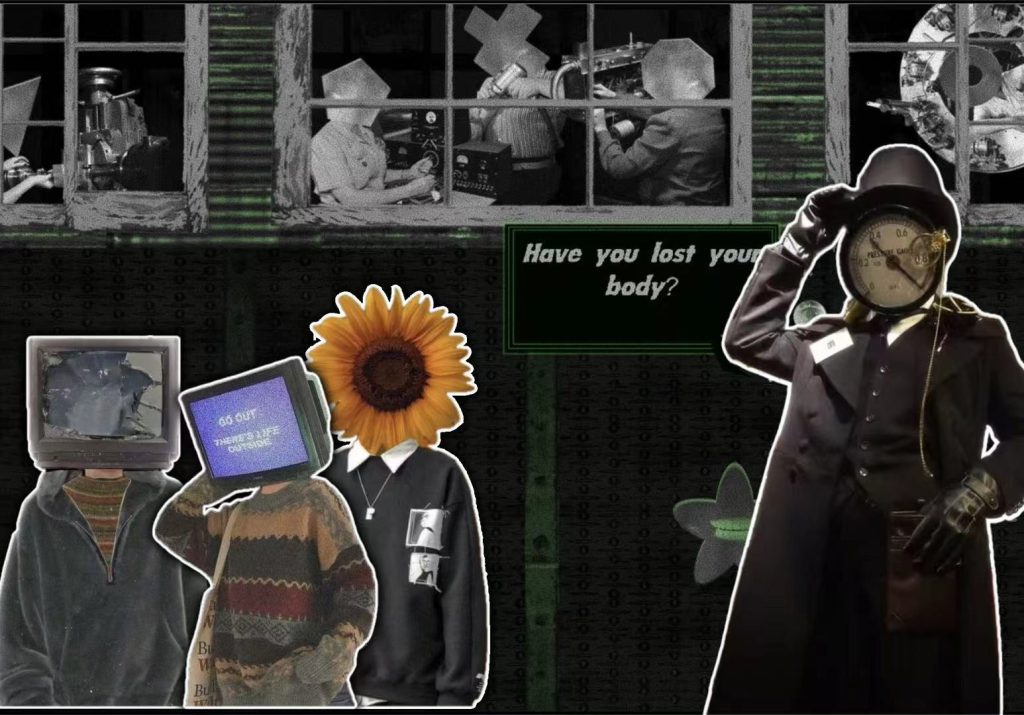
The character design avoids the appearance of human faces, non-important characters appear in the form of silhouettes, and important characters are non-human heads
Human faces carry extremely strong emotional signals. Even a neutral face can suggest intent, morality, or emotional state. By removing human faces, characters are no longer primarily expressive subjects, but interpretable objects.
The use of non-human heads allows characters to remain recognisable but not fully readable.
Leave a Reply