
The power of words
I personally love reading romantic literature, deep confessions, forbidden love, stories consisting of a passionate, angst story. I feel as If the renaissance theatre does this very well either through their overwhelming stories.
Renaissance theatre plays?
English Renaissance theatre, also known as early modern English theatre, or (commonly) as Elizabethan theatre, refers to the theatre of England between 1562 and 1642. This is the style of the plays of William Shakespeare, Christopher Marlowe and Ben Jonson.
But why theatre plays?
Elizabeth thought that having theatre, music and art at her court made her look like an educated and prosperous monarch, so she encouraged them by supporting artists, actors and musicians. This support was called patronage. As the capital city – and the home of the royal court – London was at the centre of this cultural growth. The city’s population was keen on spectacle of all kinds – and with its high drama, music and elaborate costumes, the theatre became increasingly popular with people from all walks of life. – Theatre, Shakespeare and the arts – Popular culture in Elizabethan England – OCR B – GCSE History Revision – OCR B – BBC Bitesize
WHAT WAS THE IMPORTANCE OF THE THEATRE ?
- Theatre, in all its varied forms, holds an enduring significance, not only as an entertainment but also as a crucial element of societal, educational, and emotional development.
- It served as a way of communicating with the divine, sharing myths, and passing on moral lessons. Over centuries, theatre has evolved into diverse genres, such as tragedy, comedy, and farce, each offering a unique way of exploring human emotions and social dynamics.
- By engaging with classic plays such as the works of Shakespeare or ancient Greek tragedies, modern audiences can gain a better understanding of the past and reflect on timeless human concerns—love, power, loss, and identity—through the lens of those who lived centuries before us. – The Enduring Importance Of Theatre I Oxford Open Learning
The first Renaissance theatres, like those of early antiquity, were temporary wooden constructions in gardens, ballrooms, and assembly halls. Sometimes they were hastily erected affairs, put up to celebrate the births and weddings of ducal offspring or to commemorate victories in war – Theatre – Renaissance, Architecture, Design | Britannica
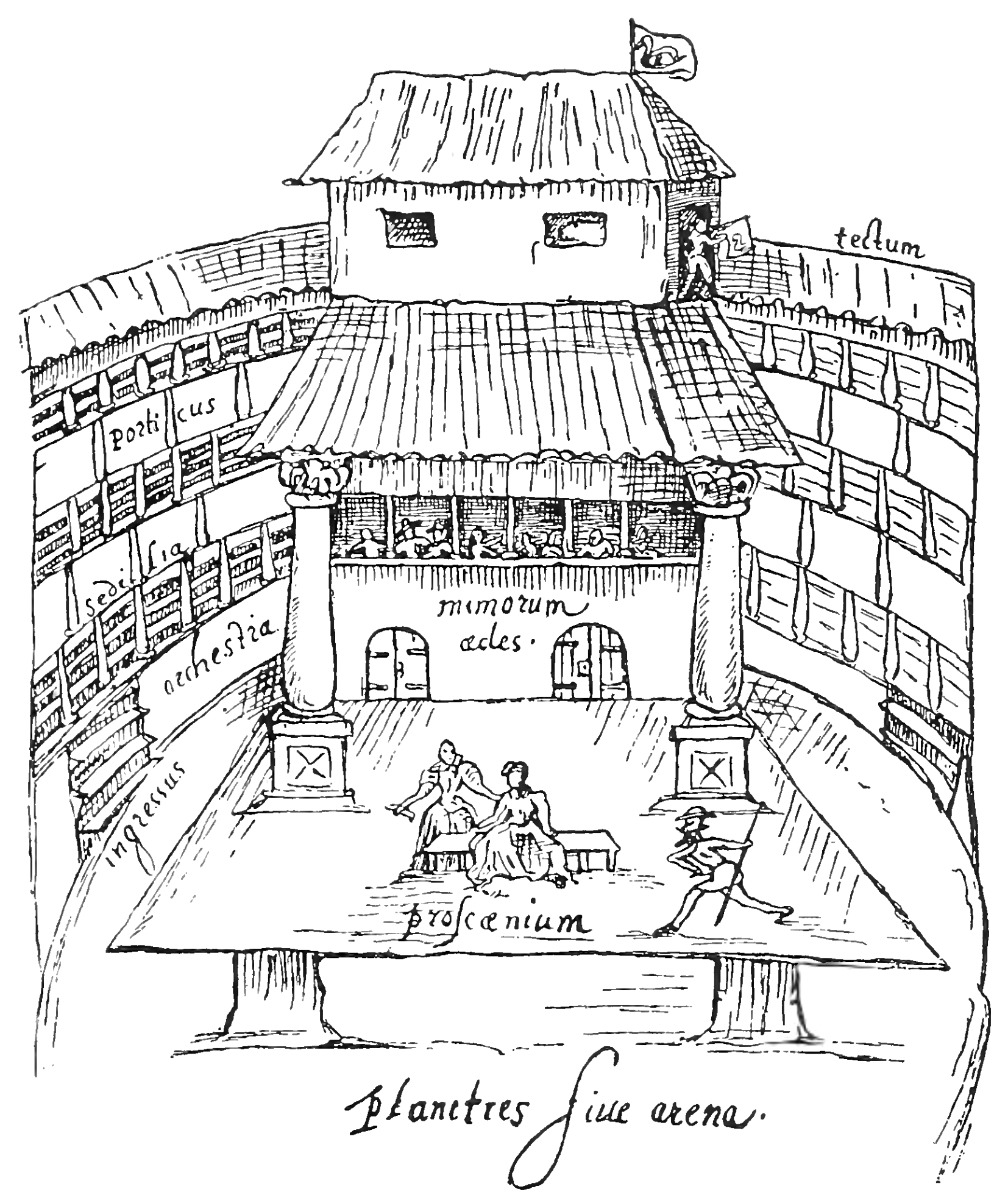
In any of these settings, men and boys played all the characters, male and female; acting in Renaissance England was an exclusively male profession. Audiences had their favorite performers, looked forward to hearing music with the productions, and relished the luxurious costumes of the leading characters. The stage itself was relatively bare. For the most part, playwrights used vivid words instead of scenery to picture the scene onstage. – Shakespeare’s theater | Folger Shakespeare Library

Prior to Elizabeth’s influence on theatre play, mainly religious plays were performed and when she reigned over. Many dramatists came forward most famously; William Shakespeare as well as Christopher Marlowe, Thomas Dekker, Ben Jonson and Robert Greene. For now, Ill focus on William Shakespeare…
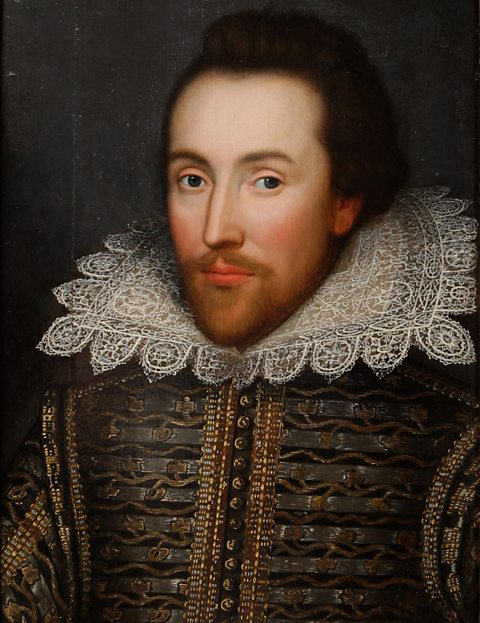
Shakespeare began writing his plays during Elizabeth’s reign, and a number of them had themes connected to English history. Shakespeare was an incredibly versatile playwright, able to produce comedies, romances, history plays and tragedies with ease, which made him very popular. – Theatre, Shakespeare and the arts – Popular culture in Elizabethan England – OCR B – GCSE History Revision – OCR B – BBC Bitesize
Difference between past / present theatres
| Past | Present | |
| Actors | Women were not allowed to participate. Instead female characters were played by teenage boys. | Everyone and anyone is allowed to participate. |
| Audience | Audience would wander, talk out loud, shout and could also throw things at the actors (if really unimpressed) | Nowadays audience will be silent throughout the play to respect the actors. |
| The stage | Stages back then were often wooden and were round or octagonal with no curtains. | Stage lighting, more seats and space for the audience, more styles. |
| Literature | 1. Focuses more on tragedy, allegorical , good and evil plays. 2. Aimed to showed moral lessons to guide Christian behaviour. | 1. Focuses on experimentation and innovation. 2. Sough to challenge audiences perceptions of reality. |
How has the design of theatre buildings changed over time?
Guide to Modern Stage Design in Theatre – Refresh LED
Modern Slovak Theatre Architecture — Google Arts & Culture
Theatre – Architecture, Scenery, Performance | Britannica
Key characteristics of Modernist theatre | Modernism to Postmodernism Theatre Class Notes
Why was theatre so popular?
- The theatre was a good place to socialise
- Affordable entertainment
- Dealt with topics that appealed to the audiences: love, magic, tragedy,etc,
- Encouraged by Elizabeth, which made it fashionable
Playwrights – English Renaissance Theatre | English Literature I
The growing population of London, the growing wealth of its people, and their fondness for spectacle produced a dramatic literature of remarkable variety, quality, and extent. Although most of the plays written for the Elizabethan stage have been lost, over 600 remain.
Costumes – English Renaissance Theatre | English Literature I During this time period were often bright in colour, visually entrancing, and expensive. Due to the fast-paced nature of the plays and their runs, there was sometimes not even enough time to create period specific costumes for the actors. Occasionally costumes were donated to actors by patrons, but more often than not, actors wore the clothes of their day. Costumes were also used to recognize characters.
Colours symbolized class, and costumes were made to reflect that. For example, if a character was royalty, their costume included purple. The colours as well as the different fabrics of the costumes allowed viewers to know the roles of each actor when they came on stage.
Even though the English Sumptuary Law of 1574, a law which clearly defined the colour, style, and fabric of the clothing different castes could wear, was in effect, a clause was built in that allowed actors to dress in clothes that were above their rank so long as they belonged to a licensed acting troupe.
Continue back to – Renaissance era°•*⁀➷
Leave a Reply