Inspiration:
Final Fantasy XIV: Miqo’te
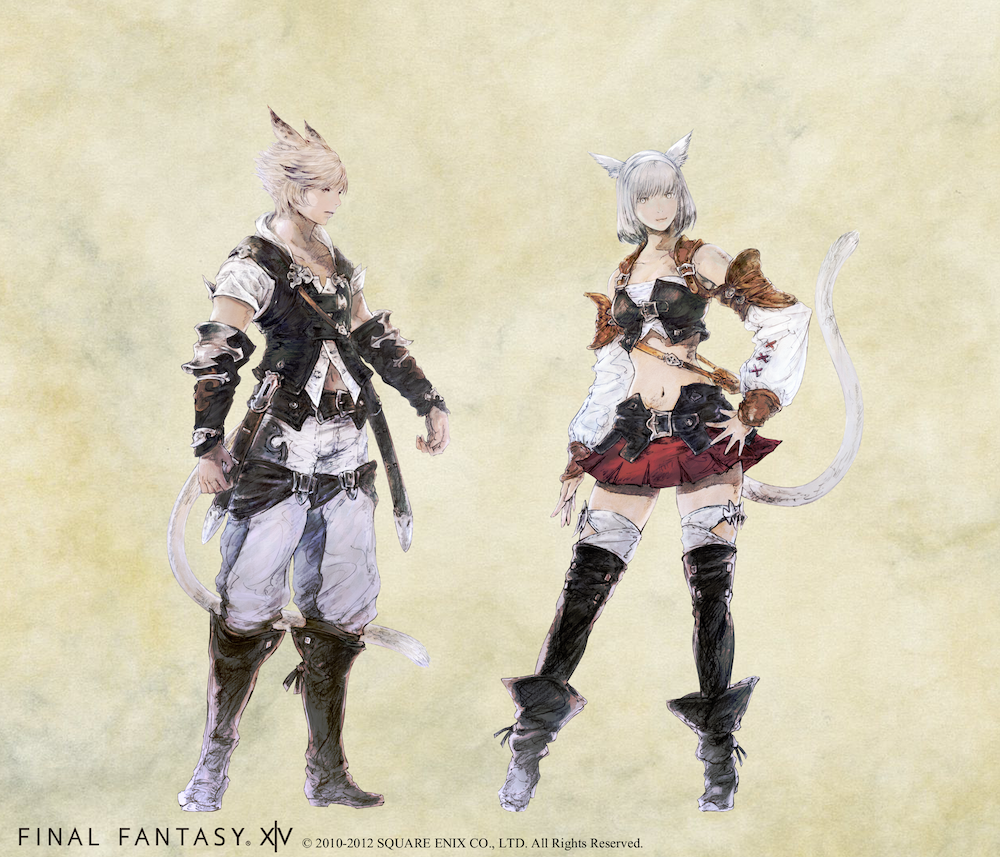
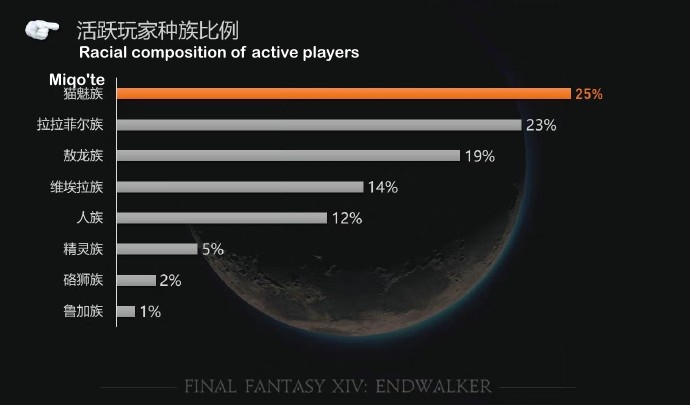
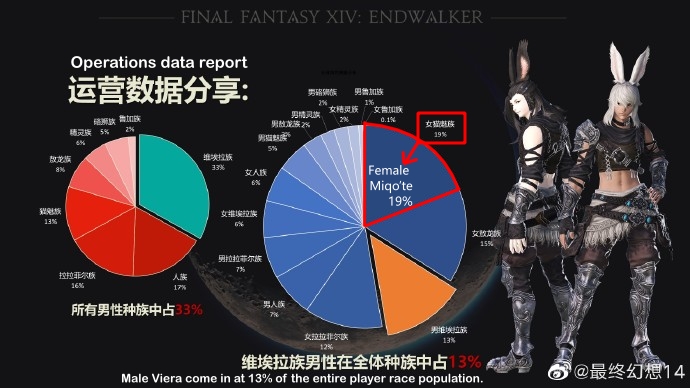
Even though the Miqo’te are classified as a minority race in the worldview of Final Fantasy XIV (FFXIV), which is a massively multiplayer online game. It’s really hard to say no to a race with cute cat ears and tails. FFXIV China 8th Anniversary statistics and the Endwalker expansion data show that female Miqo’te players made up the largest percentage of the player base.
I’m also a Miqo’te player. At the beginning, I created my Warrior of Light, the protagonist of the game plot, but as I explored more of the game, I gradually stepped into the realm of role-playing.
Role-Playing:
Role-playing (RP) is an important part of many multiplayer online games. For example, both GTA 5 and World of Warcraft have dedicated RP servers.


In multiplayer online games, role-playing essentially means immersing yourself in the game’s world and creating a character that fits its lore. To maintain balance between players, most characters are designed as ordinary people within the world’s setting. If I want to start my RP experience, I need to know about Miqo’te as a race. So I started researching the lore and background setting of the Miqo’te.
Seekers of the Sun
History:
During the Third Astral Era, the Allagan Empire persecuted them, and all Miqo’te were expelled from Eorzea (where the game plot mainly happened). When the Fifth Umbral Calamity brought about the Fifth Umbral Era, known as the Age of Endless Frost, they were finally able to cross the frozen seas and make their way back to Eorzea.
Appearance:
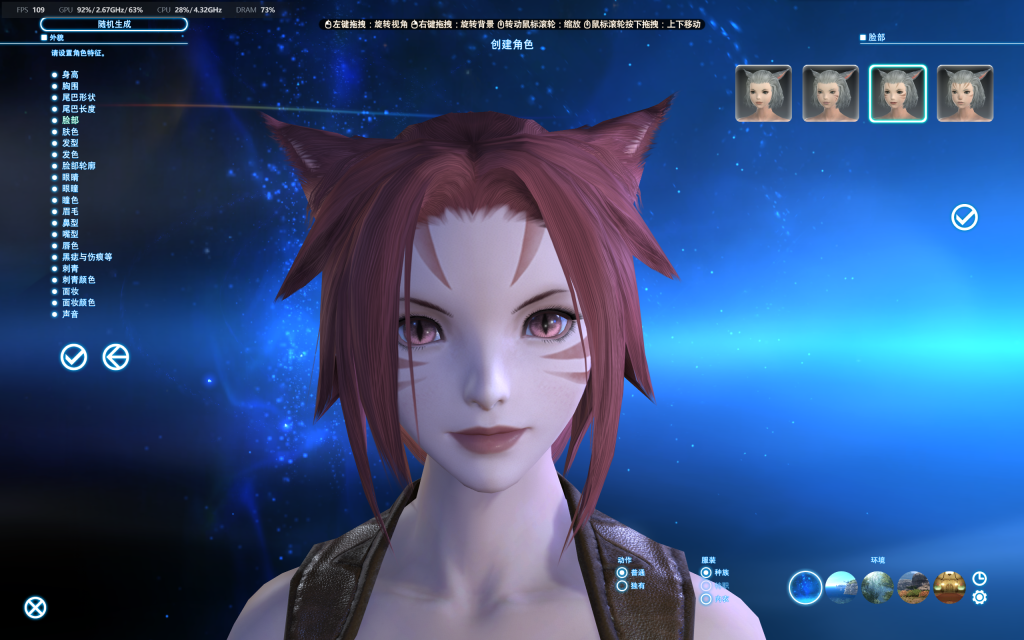
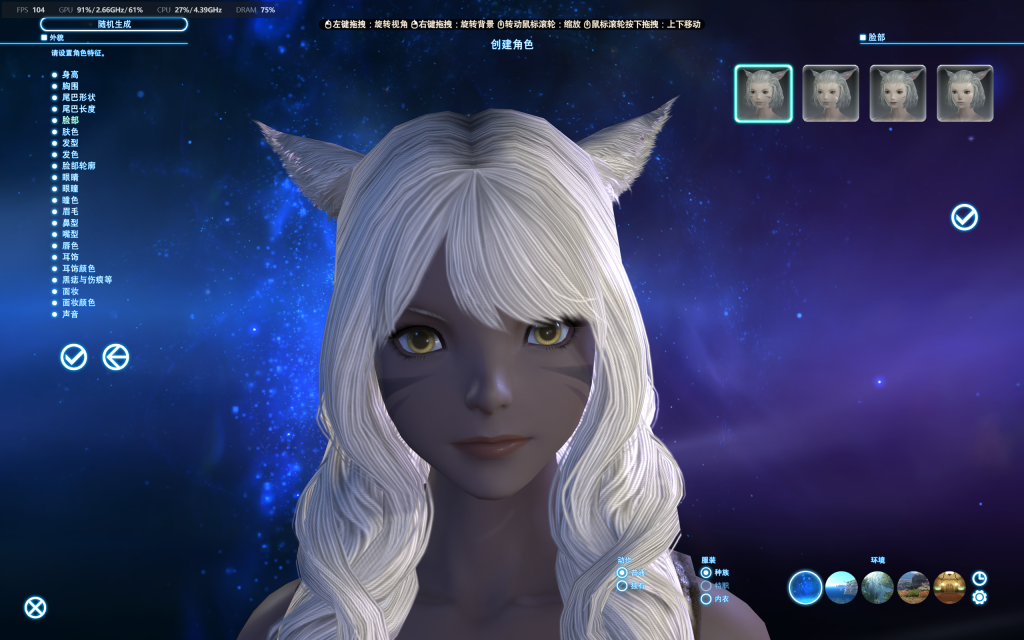
The Miqo’te consist of two clans: the Seekers of the Sun and the Keepers of the Moon. Aside from their different facial markings, the main visual distinction is their eyes. Seekers have vertically-aligned pupils, while Keepers have rounder eyes with large pupils
Culture:
As their name and appearance suggest, the Seekers of the Sun love sunlight and excel at hunting. The Seekers of the Sun follow a strongly patriarchal structure, much like a real lion pride. At the centre stands a powerful male, known as the nunh, who forms his harem and leads the tribe toward prosperity. When young males reach maturity, they can either defeat their father to become the tribe’s nunh, leave to establish their own tribe, or become adventurers.
Nomenclature:
A total of twenty-six Miqo’te tribes made the journey across the frozen seas. This number coincidentally matches the twenty-six letters of Eorzea’s basic alphabet, so each tribe chose one letter to use as a prefix in their names.
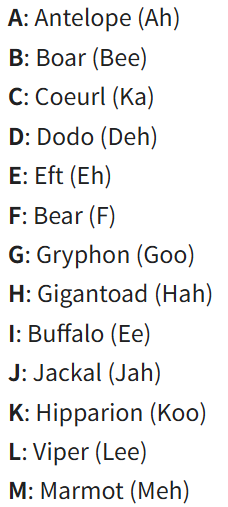
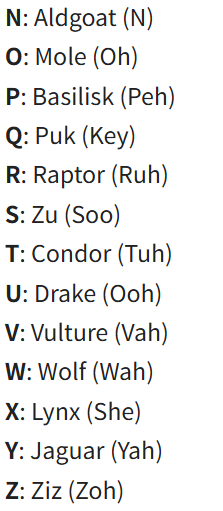
After the clan prefix is their personal name, and the patronymic is placed at the end.
For example, Y’shtola Rhul, “Y” represents her tribe, shtola is her given name, and Rhul came from her father.
Other than the tribe pronunciations listed above, names follow rules similar to common English phonics. Though followed by an apostrophe, the tribe sound flows into the name. For example, Y’shtola is pronounced “Yash-toe-lah” not “Yah-sh-toe-lah”. Sometimes the tribe letter is dropped from the first name in colloquial speech amongst close friends and companions. (FFXIV Forums)
The extra aitches seen in these names represent a slight hissing or spitting sound that is made when the name is pronounced by the feline Miqo’te. Many of the other races in Eorzea cannot accurately reproduce this sound, so the aitches end up going silent when read. (FFXIV Forums)
As the Inspiration
First of all, the Miqo’te’s appearance is extremely iconic. Their cat ears and tails make them easy to recognise, and the four player-selectable face types each include unique facial markings that further differentiate them in the game (these face variations do not seem to carry meaning within the established lore and primarily serve as customization options for players).
Second, as the game has progressed through its expansions, many of the limitations originally placed on the Miqo’te have been eased. And with the Fifth Umbral Calamity, the most recent catastrophe in the game’s timeline and the key event marking the end of Version 1.0 and the rebirth of 2.0, caused widespread death and memory loss among the population. Because of this, many ambiguous aspects of the lore can be explained through that event, giving players much more freedom when creating RP characters.
Therefore, through this investigation, I discovered a lot of information that the game doesn’t directly explain, as well as many interesting aspects of the race’s lore. This led me to create my first original character inspired by the game’s world: N’winnie Fallant.
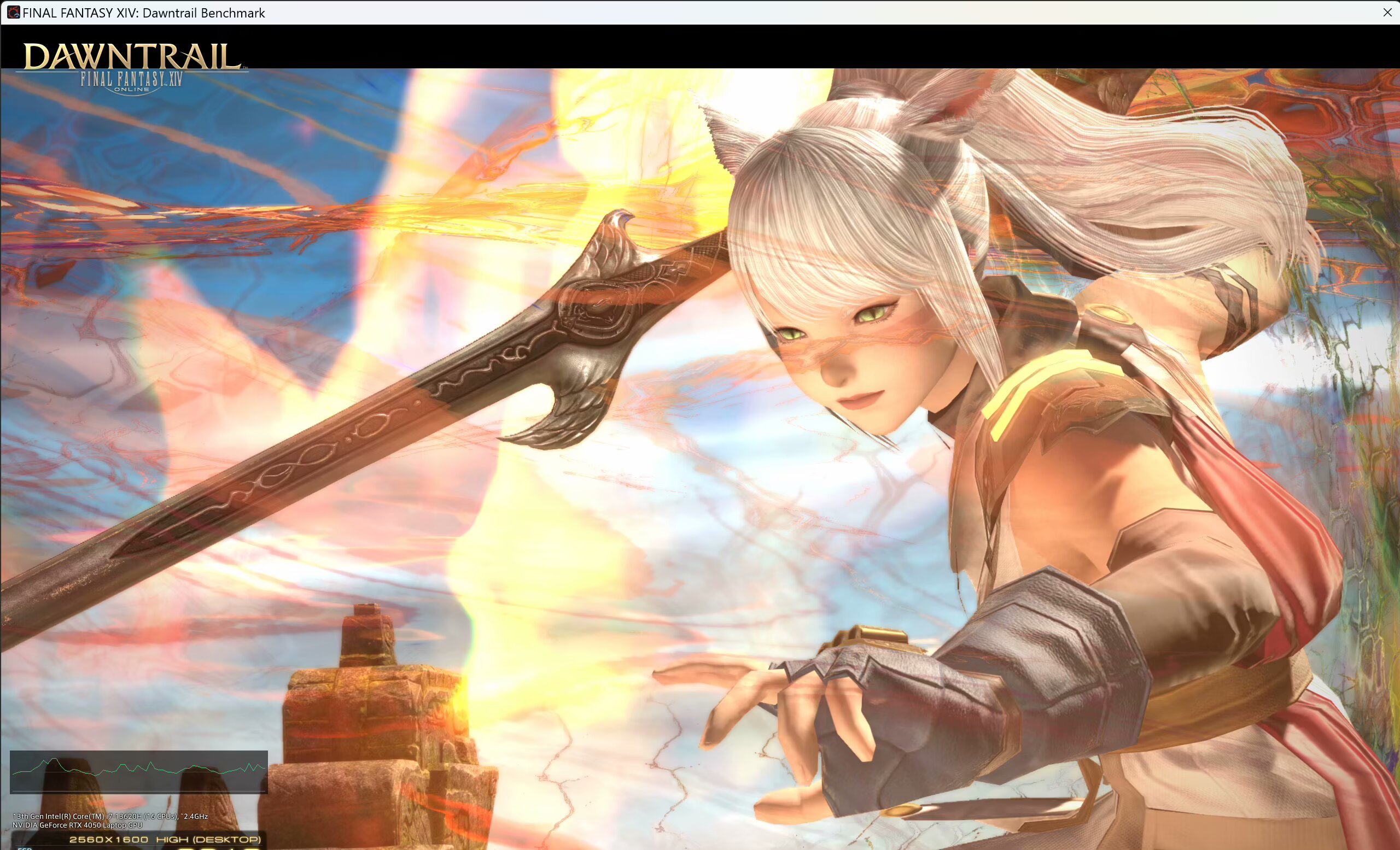
However, as you may notice, the name isn’t entirely faithful to the official naming conventions, since this character is essentially derived from my Warrior of Light.
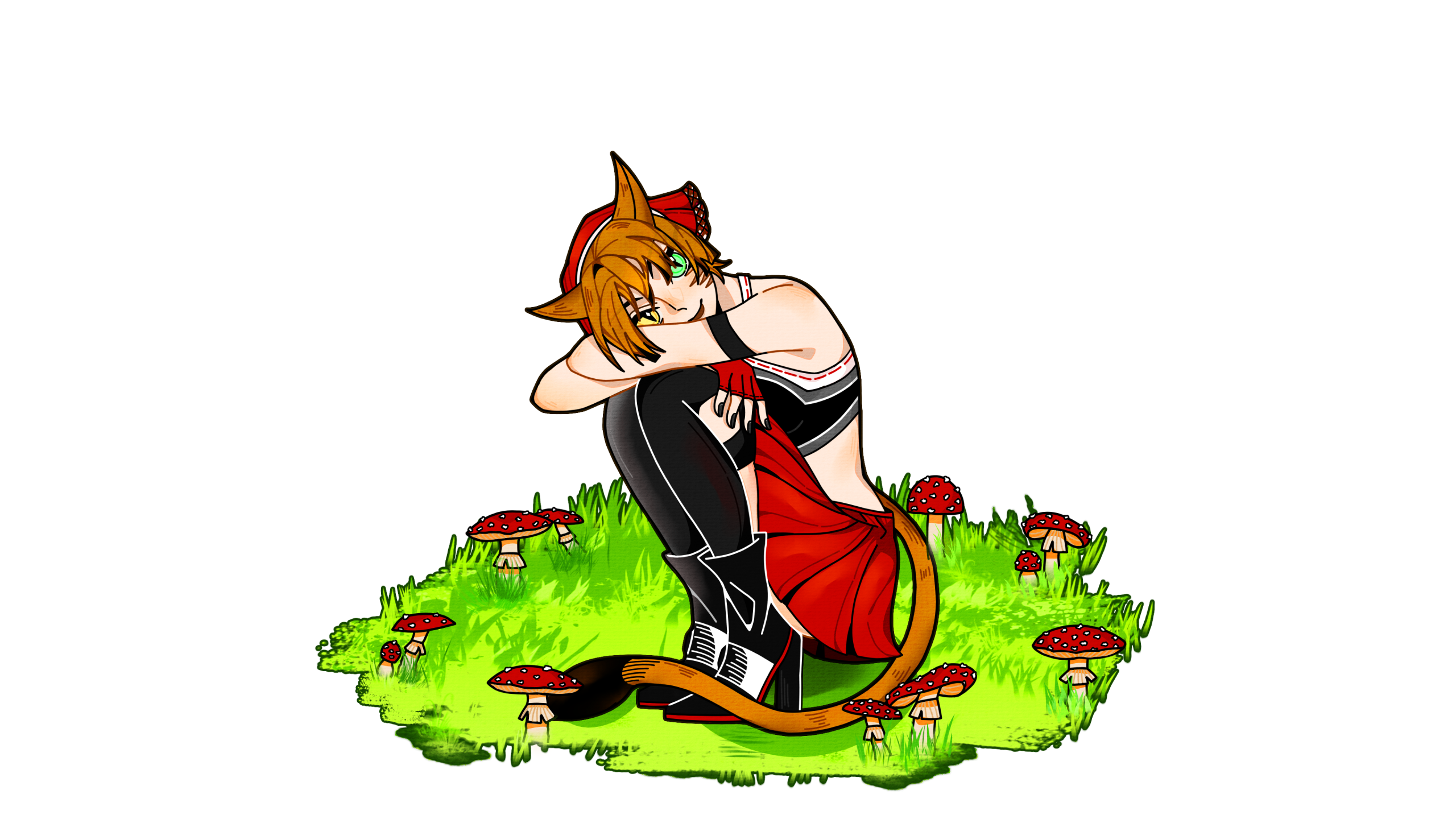
After participating in some player-organised RP activities, I developed a more nuanced understanding of this style of play. As a result, I chose to keep N’winnie Falllent as my Warrior of Light and created a new, more lore-accurate Miqo’te original character: L’ona Khurt.
L’ona Khrut
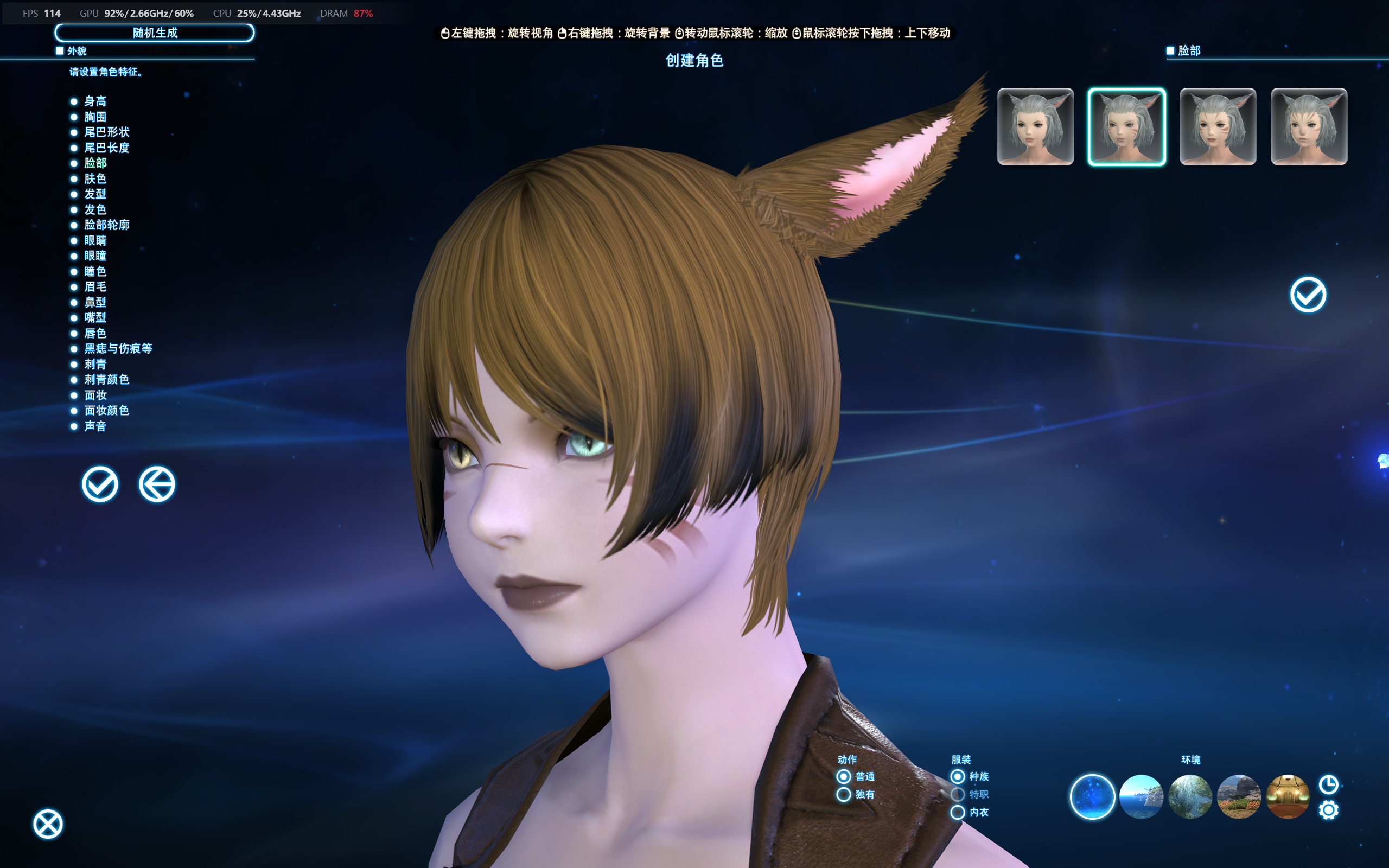
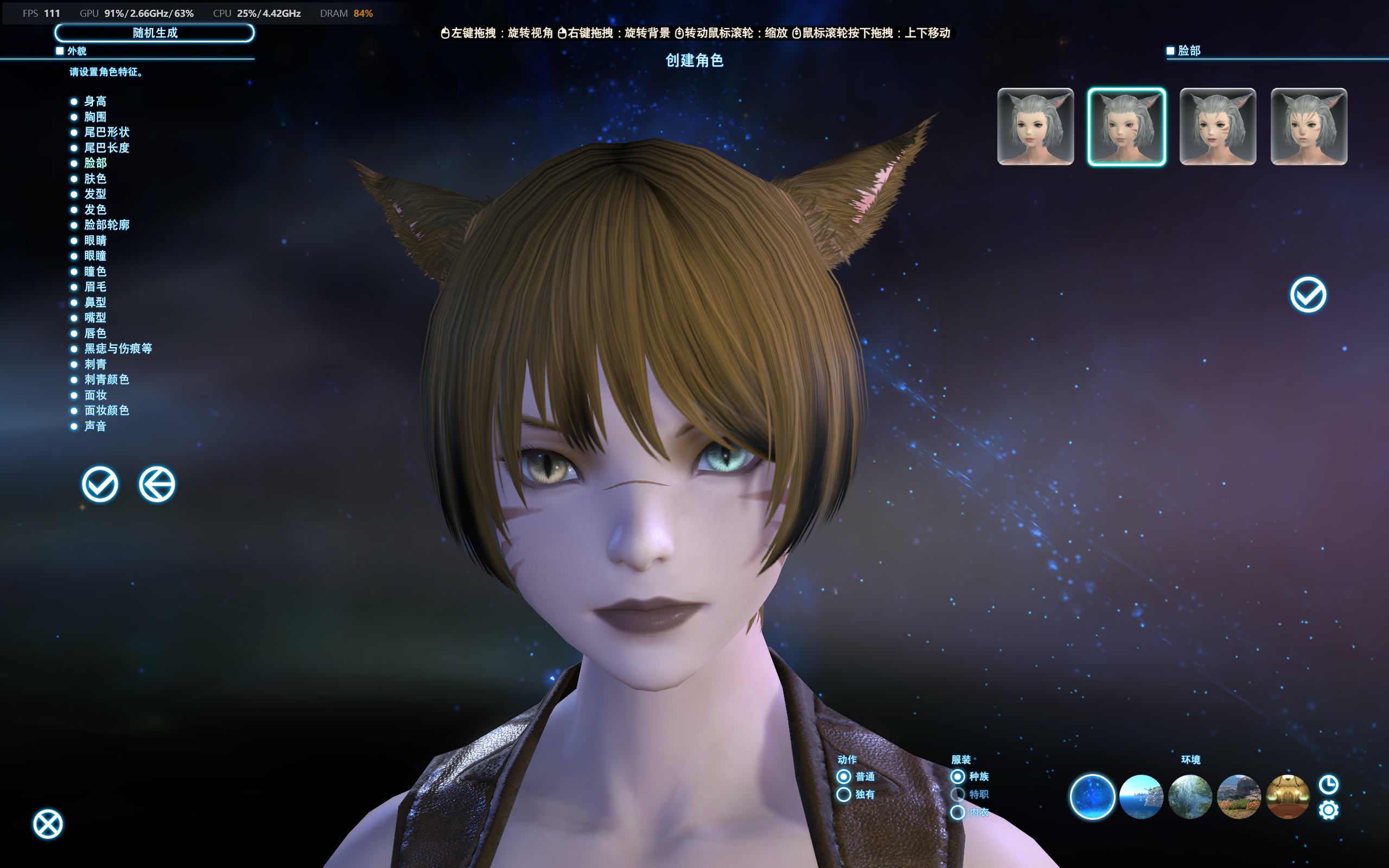
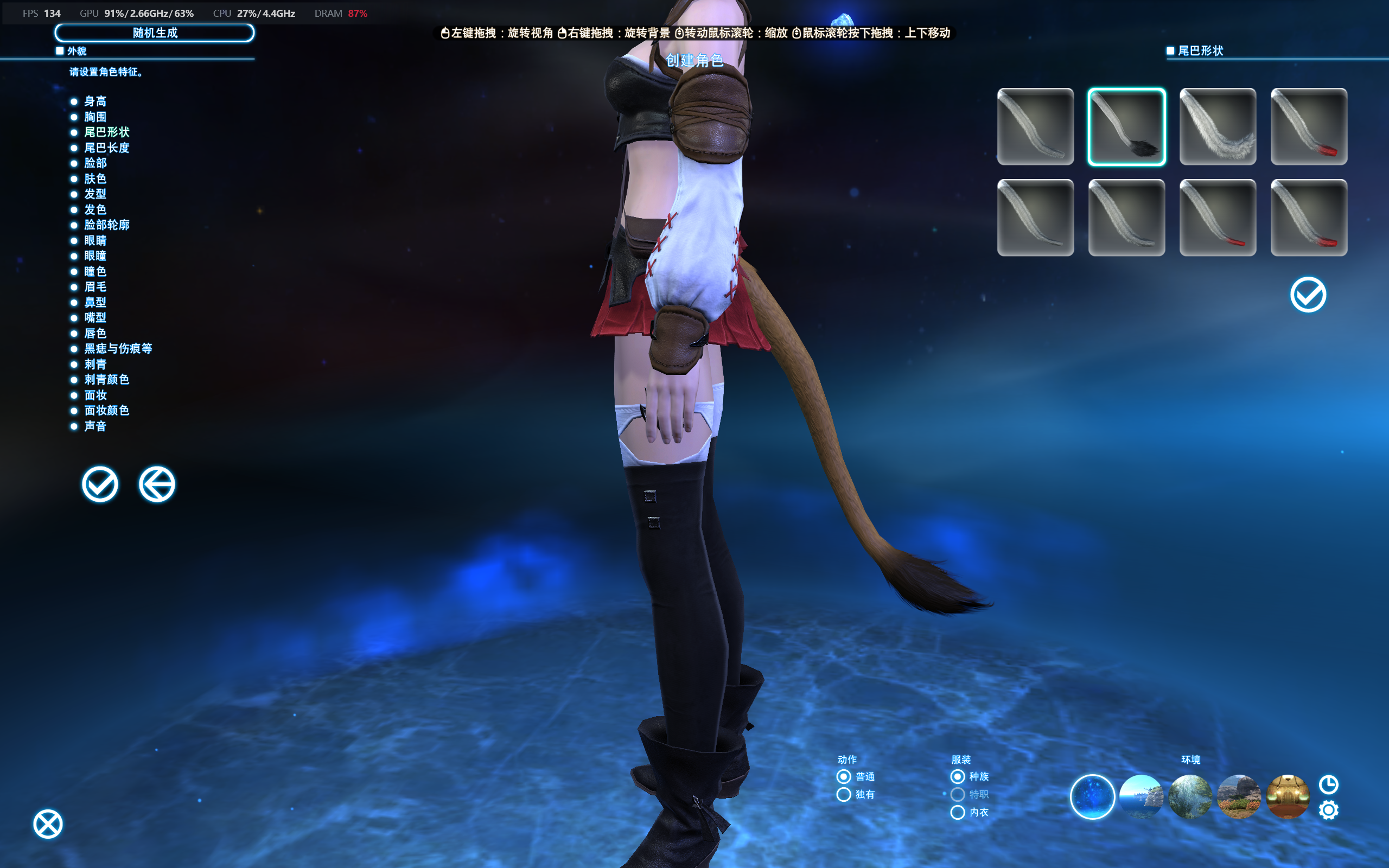
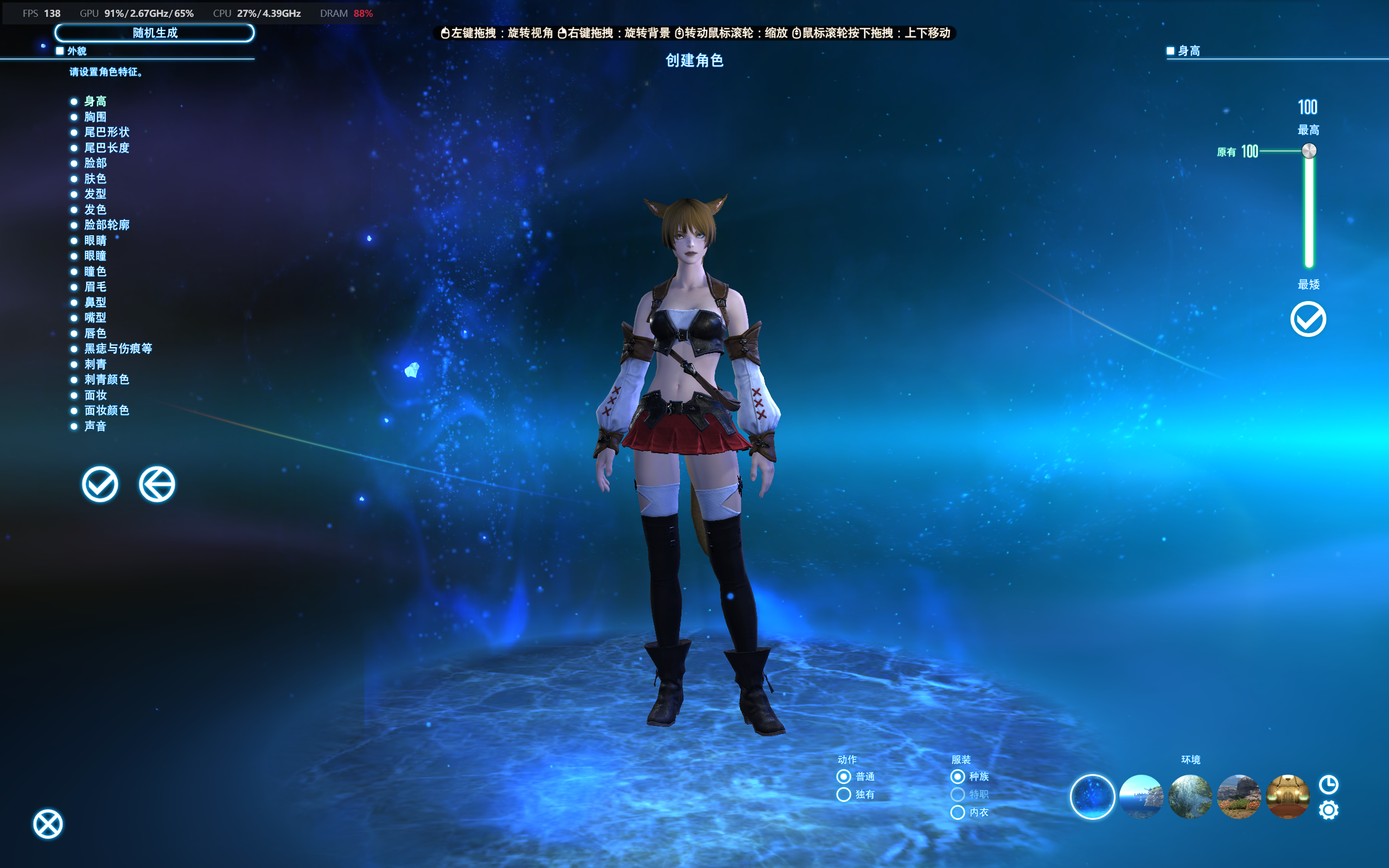
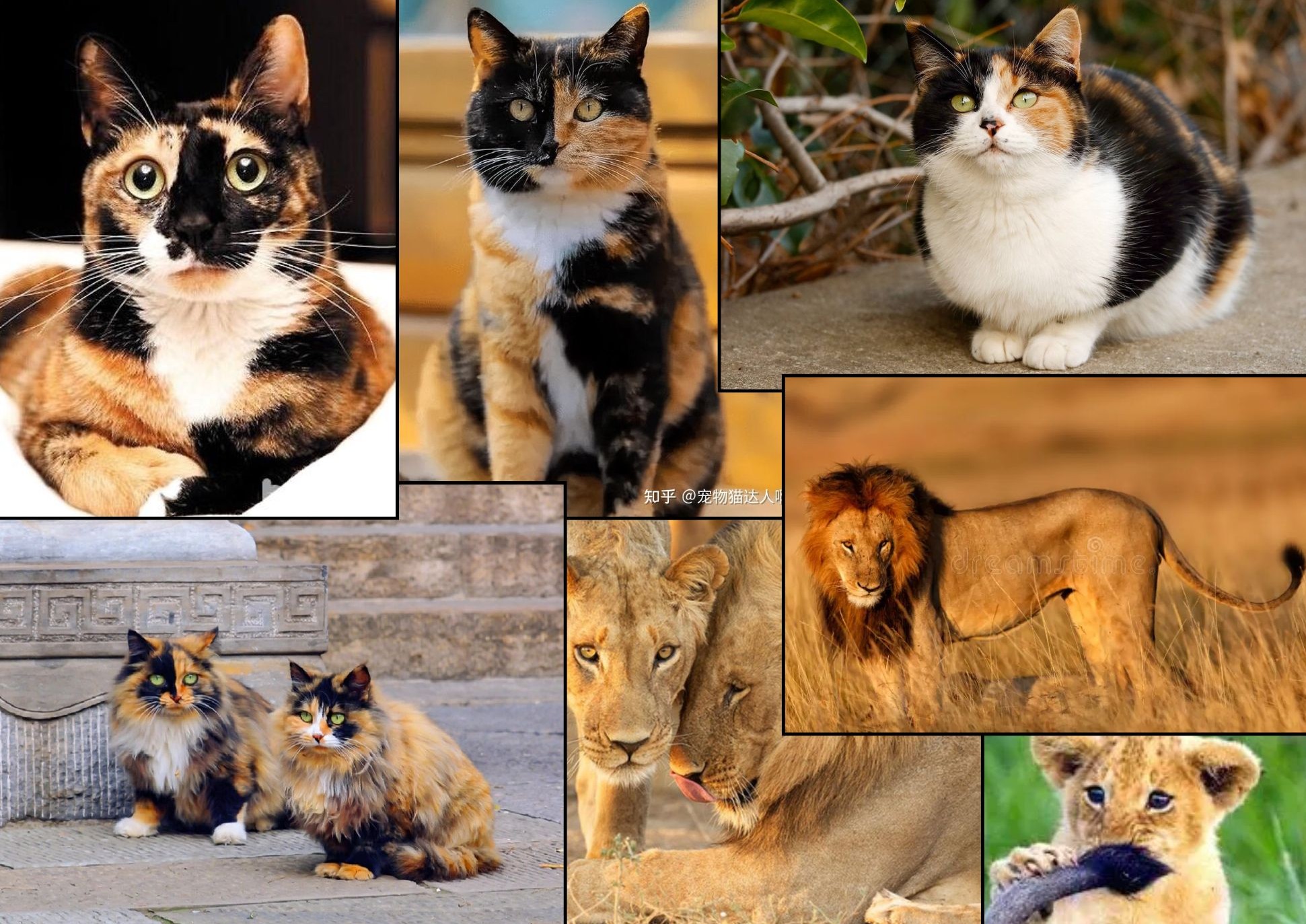
As I tend to favor white and other light colors in my character designs, I deliberately chose colors that I do not usually use when designing L’ona, drawing inspiration from the color palettes of tortoiseshell cats and lions.
Similarly, I followed the naming conventions of the Miqo’te. The name L’ona closely resembles Leona in pronunciation, which also means “lioness.”
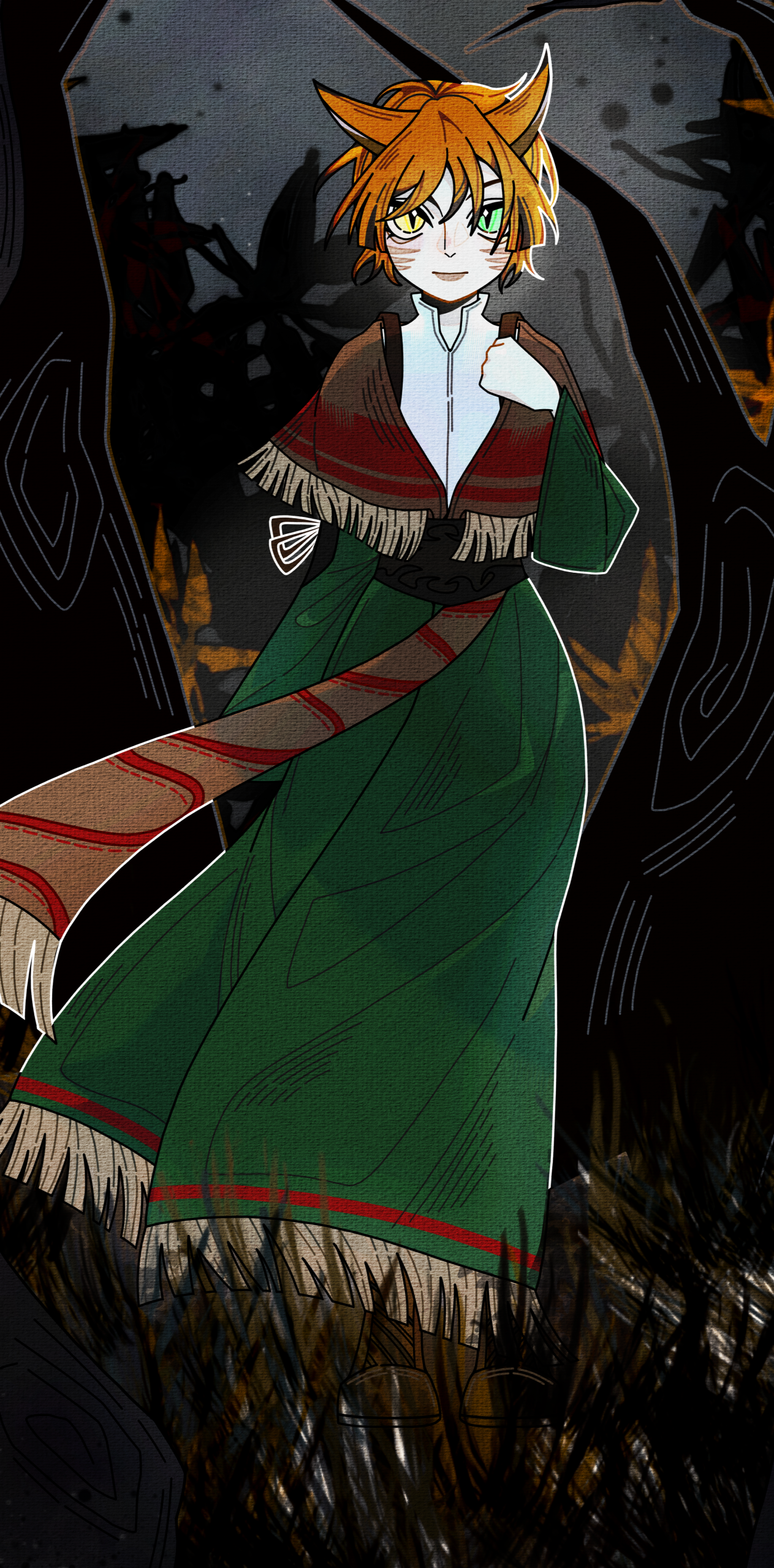
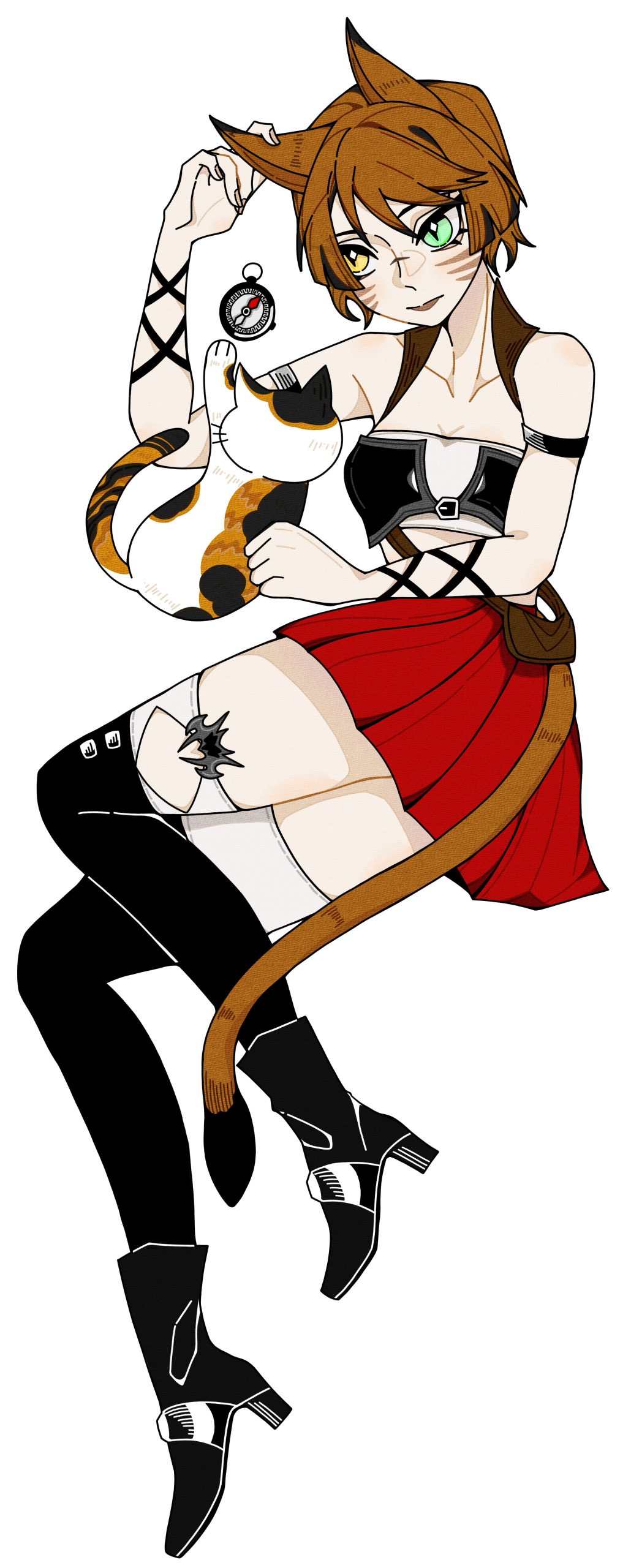
L’ona was born in a warm forest kingdom, yet she has always longed for lands covered in ice and snow. After leaving her home, she travels alone to a realm of eternal winter and begins exploring the desolate snowfields.
Previously, I had only developed the story that takes place after she left the snowfields, without considering the motivations behind this journey. Therefore, in exploring the theme of self-discovery, I believe it is important to examine the reasons why L’ona is so determined to reach the frozen land. Moreover, a girl with cat ears fits well within the traditional image of a fairy tale protagonist.
Cloth Design
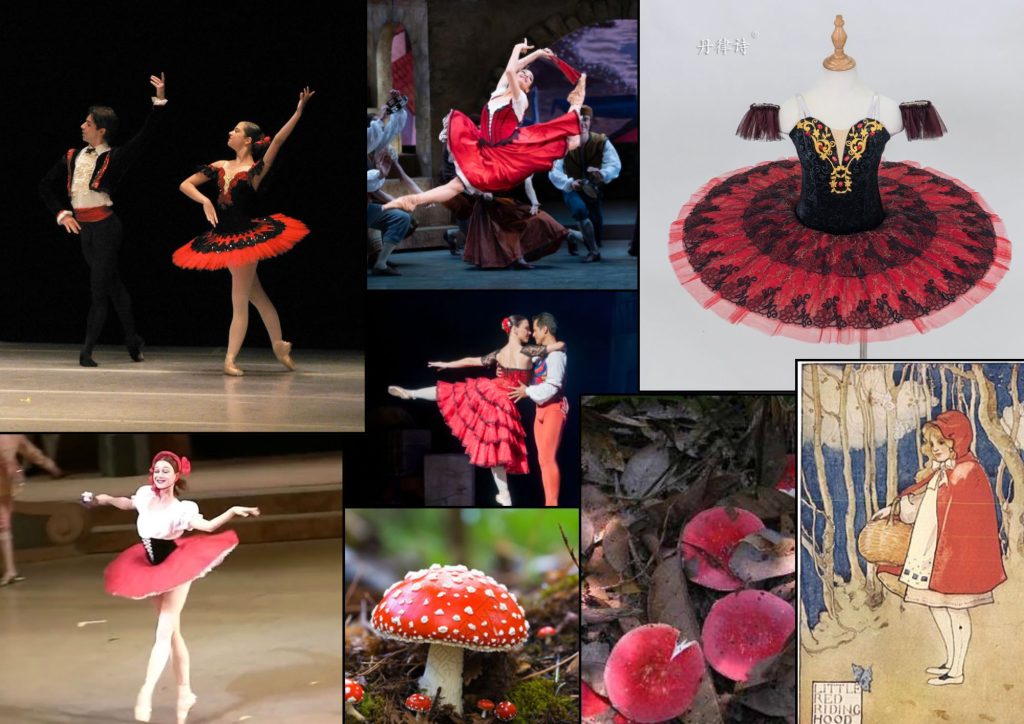
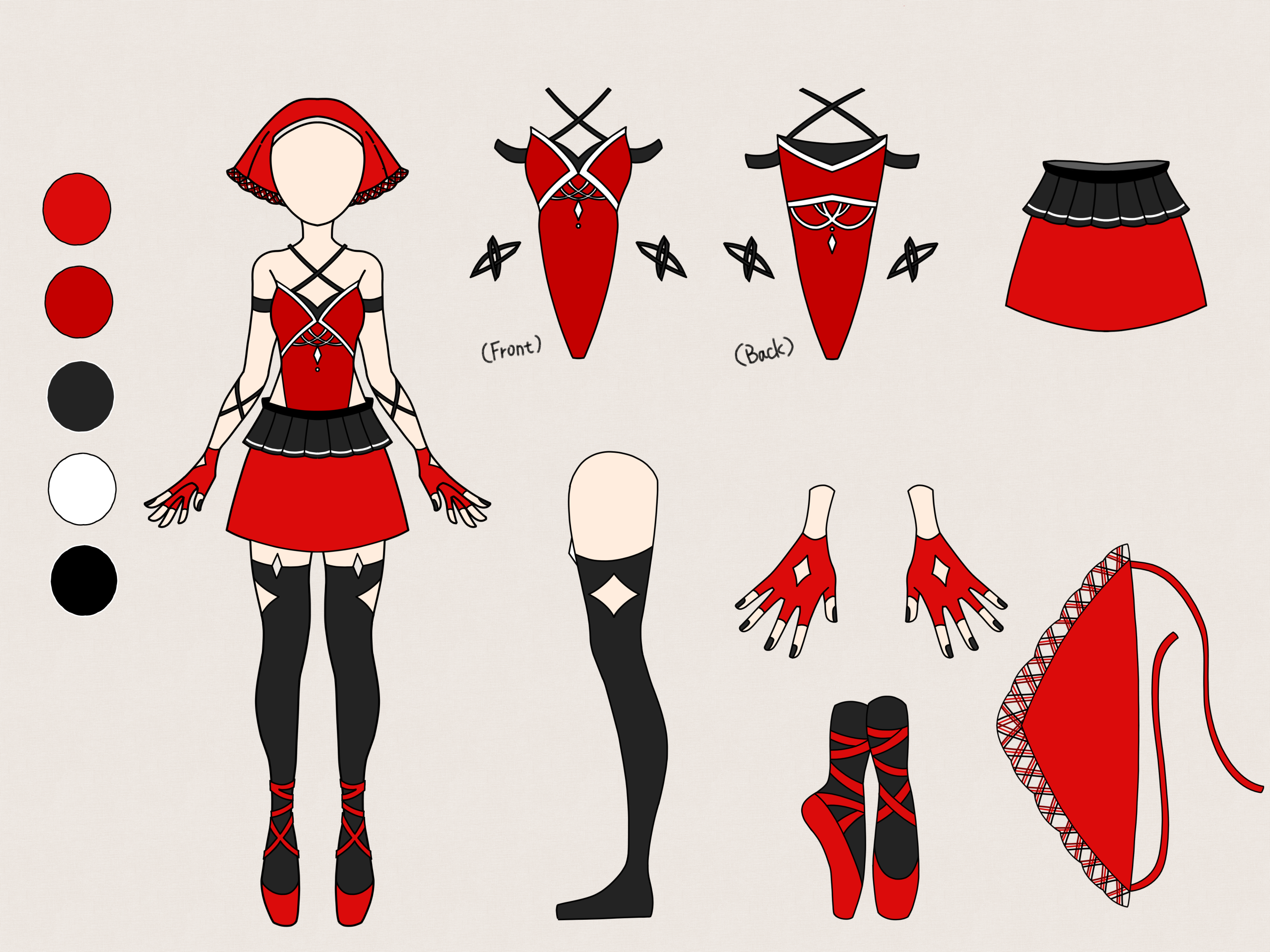
While the character itself draws inspiration from Final Fantasy XIV, I designed a completely new costume. Because fairy rings are closely linked to dance, I turned to ballet, sharing thematic connections with Hagi-Hagi Princess, as a major visual reference.
I selected red as the primary tone of the costume because the mushrooms, especially red ones, frequently appear in artistic works, and are the most iconic. I also drew inspiration from the iconic imagery of Little Red Riding Hood by incorporating a red hood into the design.
More Information:
References:
- FFXIV ConsoleGamesWiki (2025) Seekers of the Sun. Available at: https://ffxiv.consolegameswiki.com/wiki/Seekers_of_the_Sun
- Square Enix (2013) Race Naming Conventions. Available at: https://forum.square-enix.com/ffxiv/threads/63112-Race-Naming-Conventions?p=1014930&viewfull=1#post1014930
Leave a Reply