The path to an “ideal career” is not singular; embracing various odd jobs and experiences along the way is crucial. Do not readily turn down any potential opportunities.
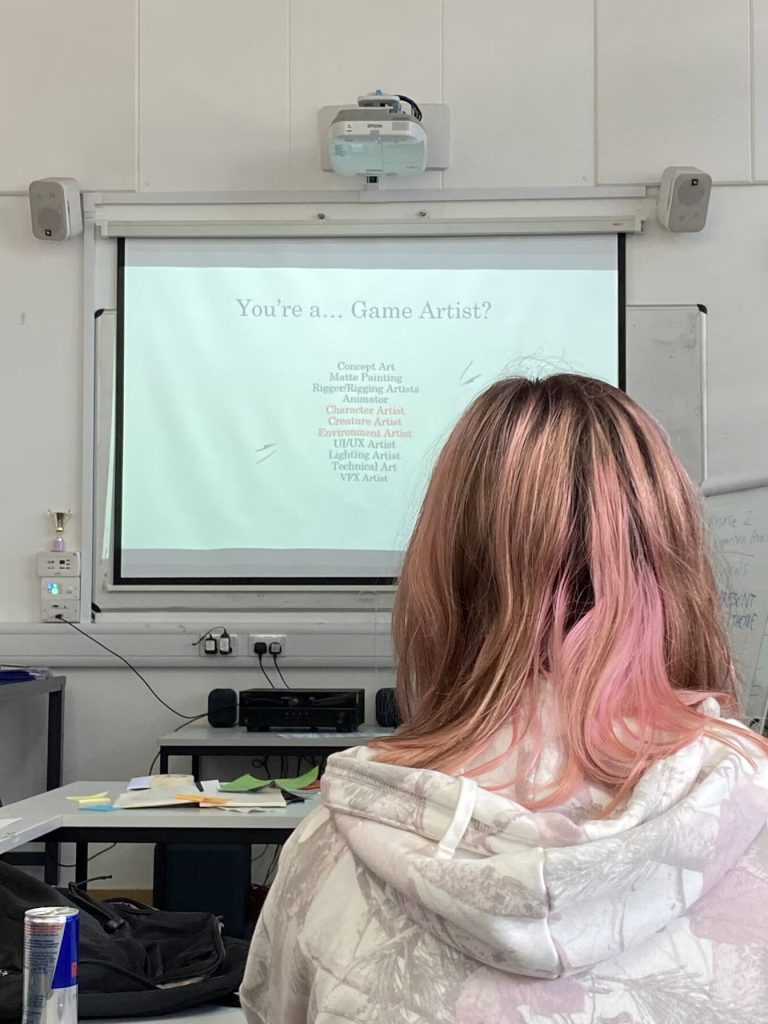
The gaming industry features a variety of art roles, such as concept artist, character artist, environment artist, UI/UX artist, technical artist, etc.
· Set clear goals: Determine what role you want to take on and research the requirements for that position.
· Identify gaps: Recognize the differences between your work and the industry’s demands.
Rather than struggling to find a fixed “personal style”, it’s better to discover the content that interests you and that you enjoy creating. When you enjoy the creative process, your work will naturally reach its best state. Be brave to experiment and try new things. Making mistakes and practicing can improve your skills better than any research. At the same time, it’s a good thing for your style to change throughout your career.
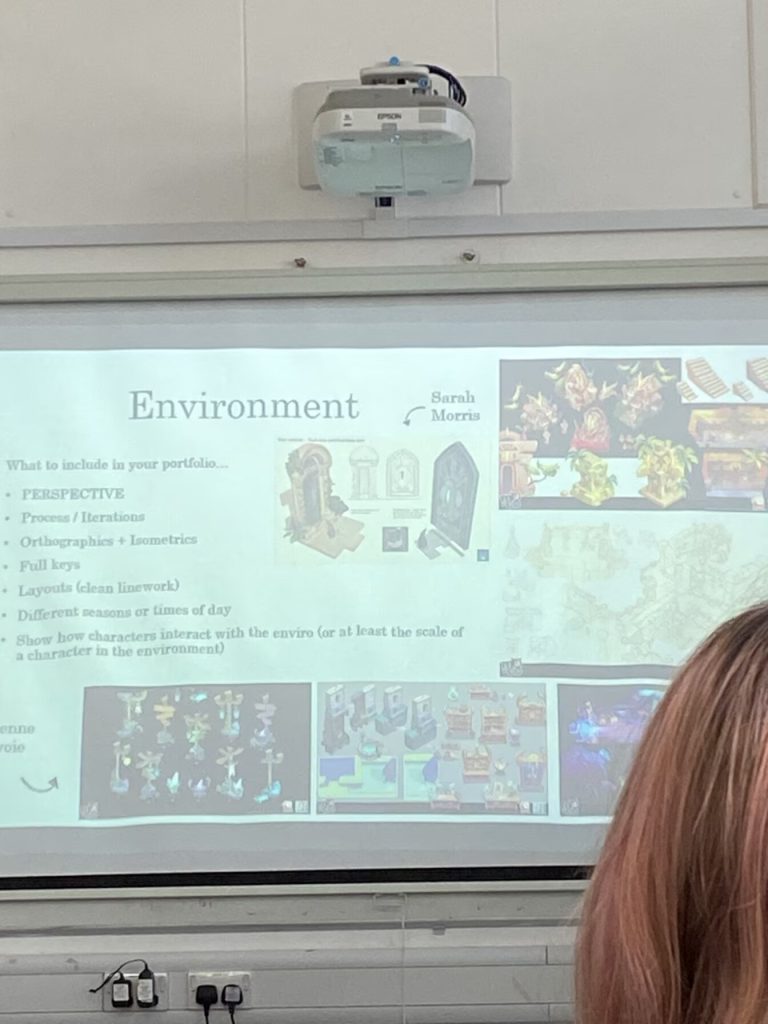
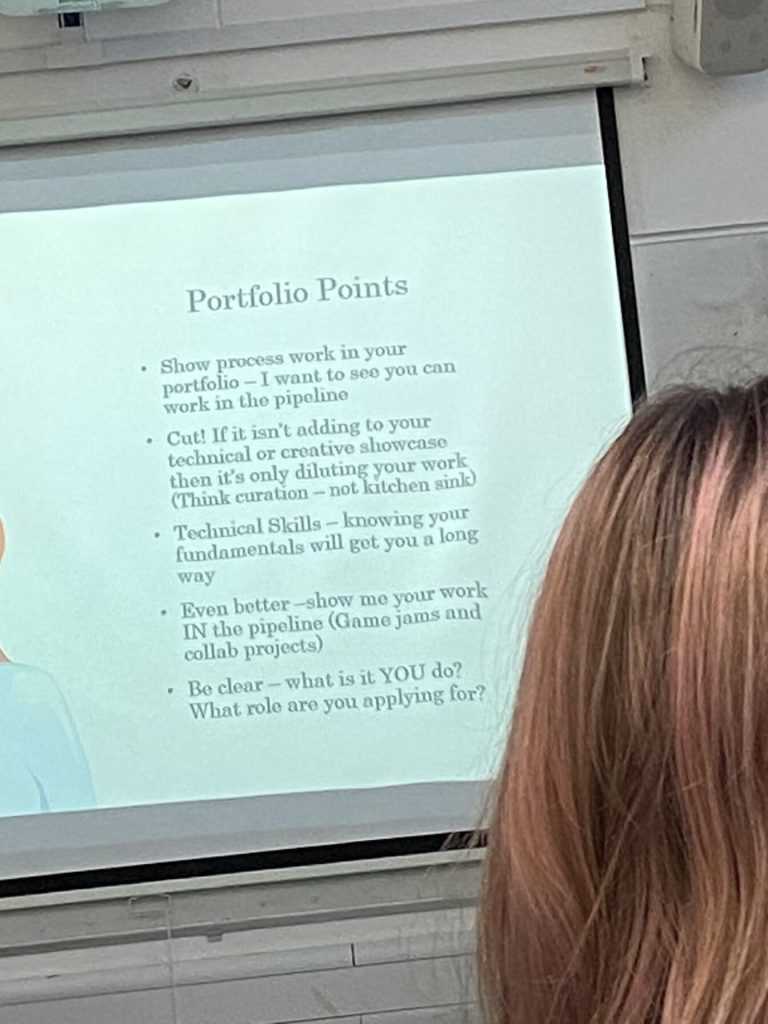
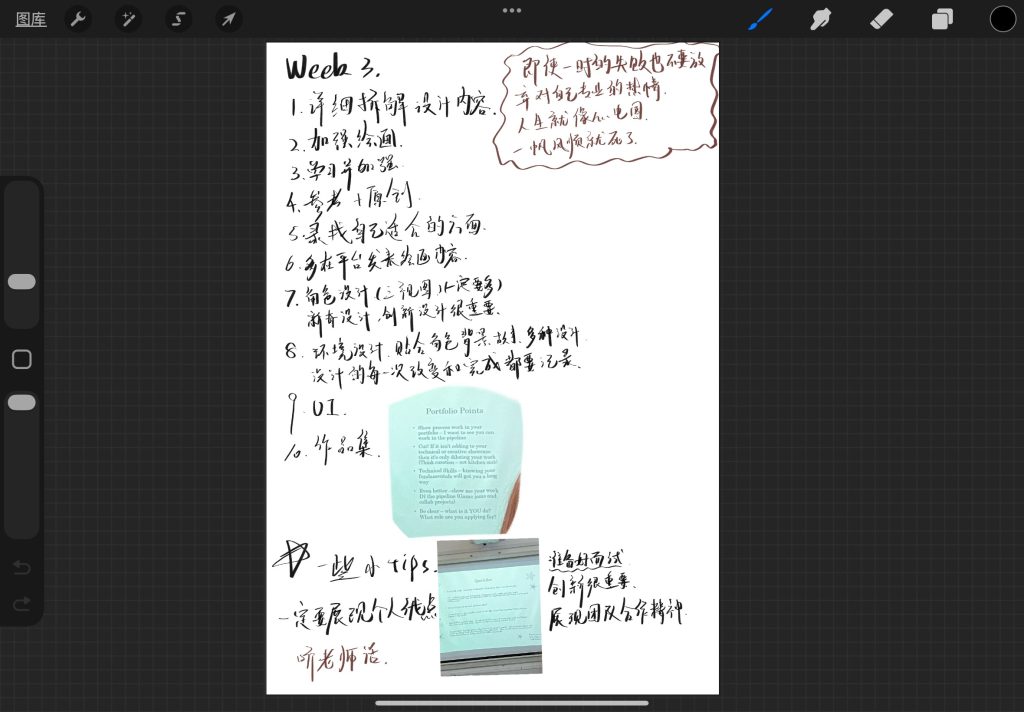
· It is very important to showcase your iterative process and pipeline work capabilities in your portfolio.
· Clearly indicate the parts you were responsible for in the project and the specific position you are applying for.
· Study the portfolio structures of other outstanding artists and learn from practitioners in the position you aspire to.
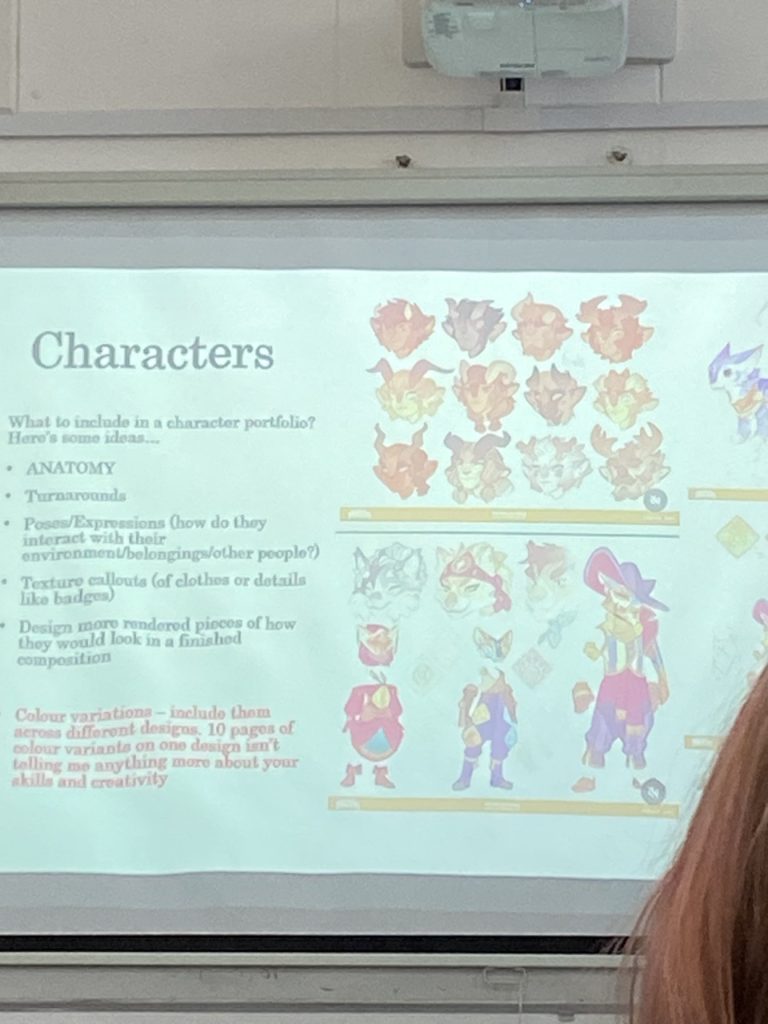
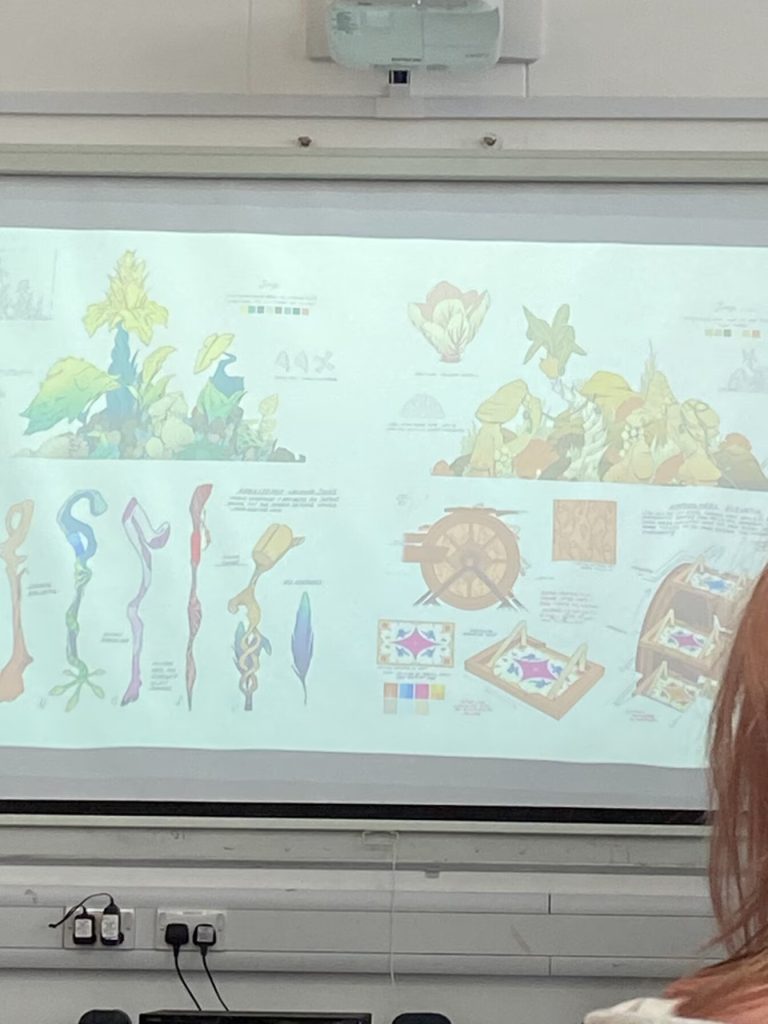
· Character Design: It should include turnaround views, poses/expressions, texture close-ups, interactions with the environment, and color variations in different designs to avoid meaningless repetition of a single design.
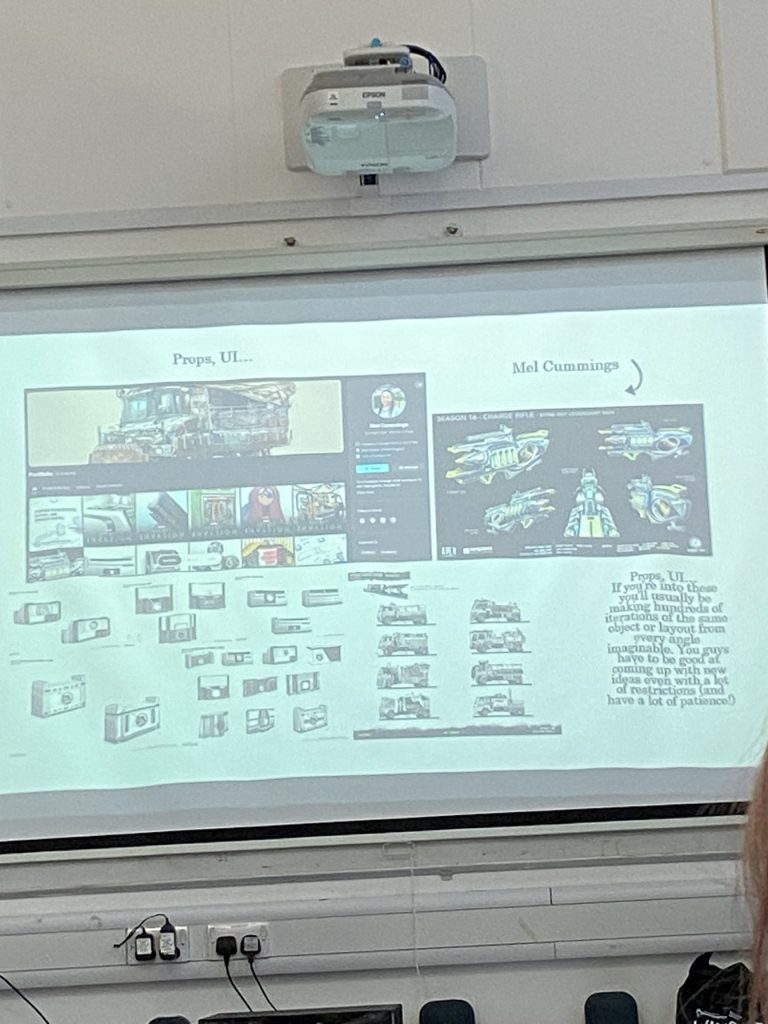
· Prop/UI Design: It is necessary to demonstrate the ability to create a large number of iterative designs for the same object from different angles, as well as maintaining creativity and patience under numerous constraints.
· Skills and Resume: The industry standard software is Photoshop. Your resume should include game creation festivals you have participated in, achievements, volunteer work, learning experiences, and tools you have mastered. Avoid using expressions like “aspiring artist”.
· Cover Letter: Be specific and explain why you like this company and what value you can bring.
· Networking: Strive to maintain a presence both online and offline. Volunteering at events is an excellent way to make connections with the industry and people at no cost. When reaching out to others, be professional, respect their time, and be ready to help them when you can in the future.
· Industry Outlook: Acknowledge that the industry is currently in a difficult period due to post-pandemic layoffs and the widespread use of AI, but the industry has its natural “cycles”. AI cannot permanently replace the demand for grassroots creative workers. Don’t be afraid to forge your own path. Your career can span multiple creative fields such as games, advertising, illustration, and animation, and this is entirely feasible.
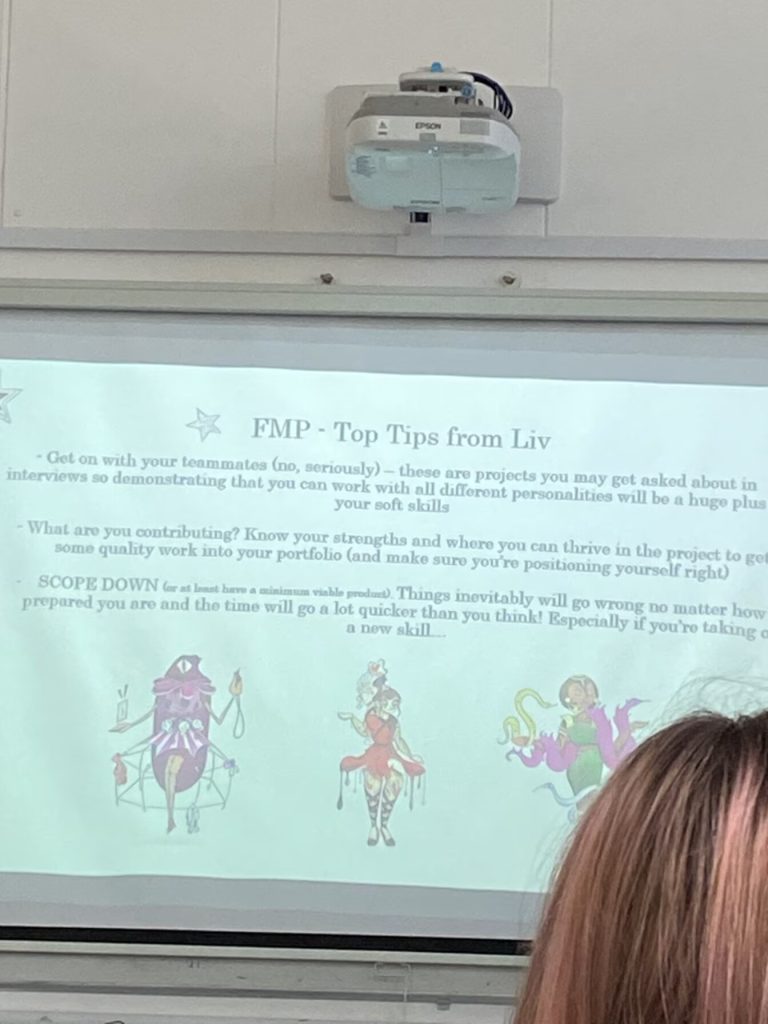
· Teamwork: Maintain a good relationship with your teammates. This can greatly enhance your soft skills and may be asked about in interviews.
· Clear Contributions: Understand your strengths and find a role in projects where you can produce high-quality work, and present it precisely in your portfolio.
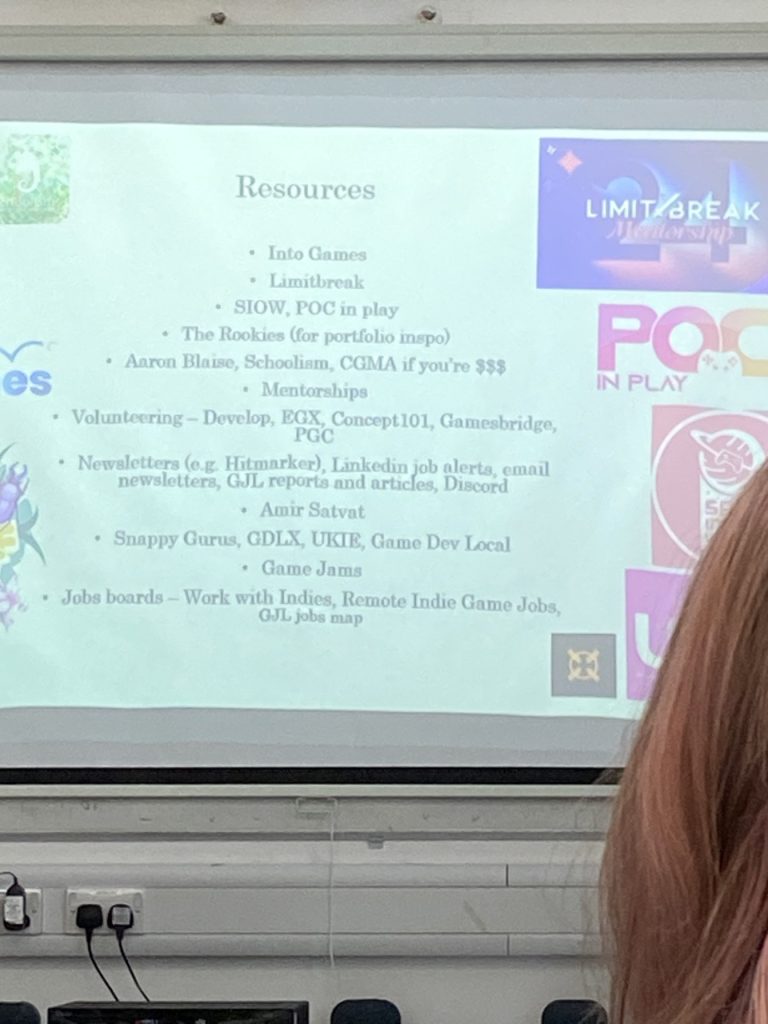
References in the UK:
· Organizations and Communities: Into Games, Limitbreak, SIOW, POC in Play, The Rookies.
· Learning Platforms: Aaron Blaise, Schoolism, CGMA.
· Practical Opportunities: Various mentorship programs, volunteer opportunities, game creation festivals.
· Information Channels: Newsletters like Hitmarker, LinkedIn job alerts, Discord groups.
· Job Platforms: Work with Indies, Remote Indie Game Jobs, Games Jobs Live job map, etc.
Leave a Reply