Research Questions
A
How are feelings of the unknown and associative fear created through ‘information control’
B
How to build the rhythm of manor exploration with Key Evidence Gates and Shortcut Loops, and maintain the player’s sense of direction and reasoning motivation?
c
Background music, environment, lighting changes, post-processing, subtle spatial reconstruction) how they can serve as a readable system feedback language—directly linking evidence and interpretation in research progress
Research Question A – Reference Cards – 1
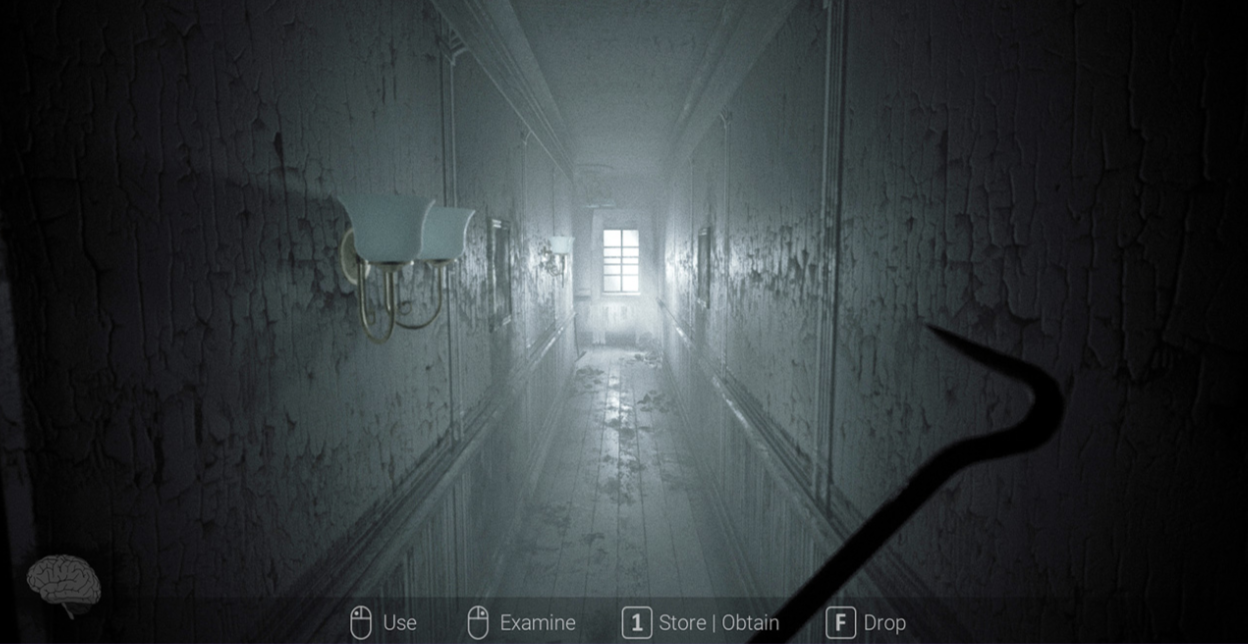
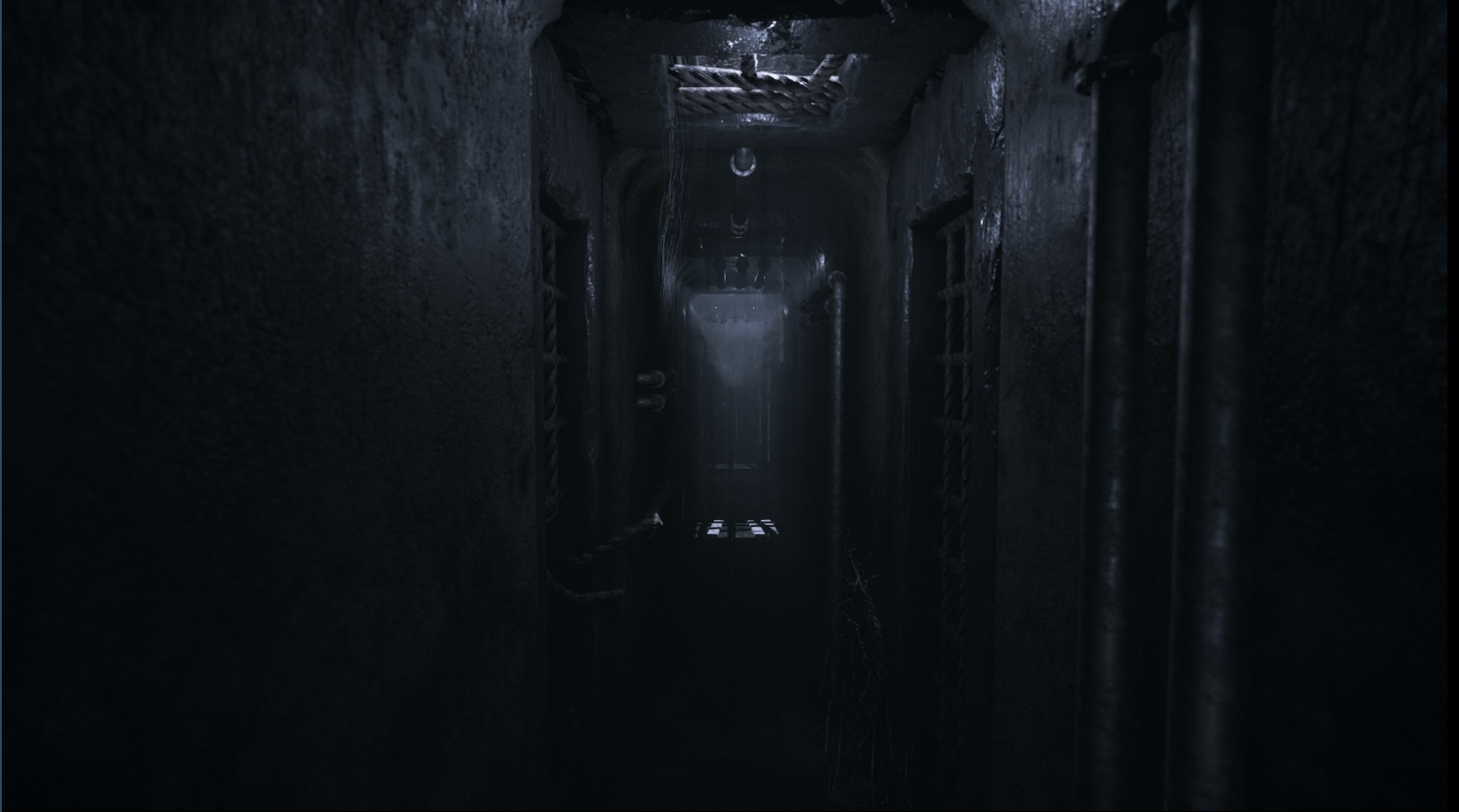

Figure. Screenshot from Visage (Video Game SadSquare Studio, 2020).
Reference
Visage (game) environment-driven psychological horror / domestic-space tension
Observation
Fear comes from the “unable to confirm”: the vision is limited, the information is blocked, the sound source is unclear, and the player will make up for the worst possibility by himself. Environmental clues appear in a “fragmented” way, so that players continue to be in doubt and uneasy, instead of being explained positively by clear monsters.
Application to Residual Fear
In Residual Fear, I use “darkness at the end of the corridor + threshold doorway + unlocated ambient sound” to control the amount of information: make players always feel that “there may be something ahead”, but it cannot be confirmed; and gradually fill the truth with fragments of evidence, instead of giving the answer directly.
Research Question A – Reference Cards – 2
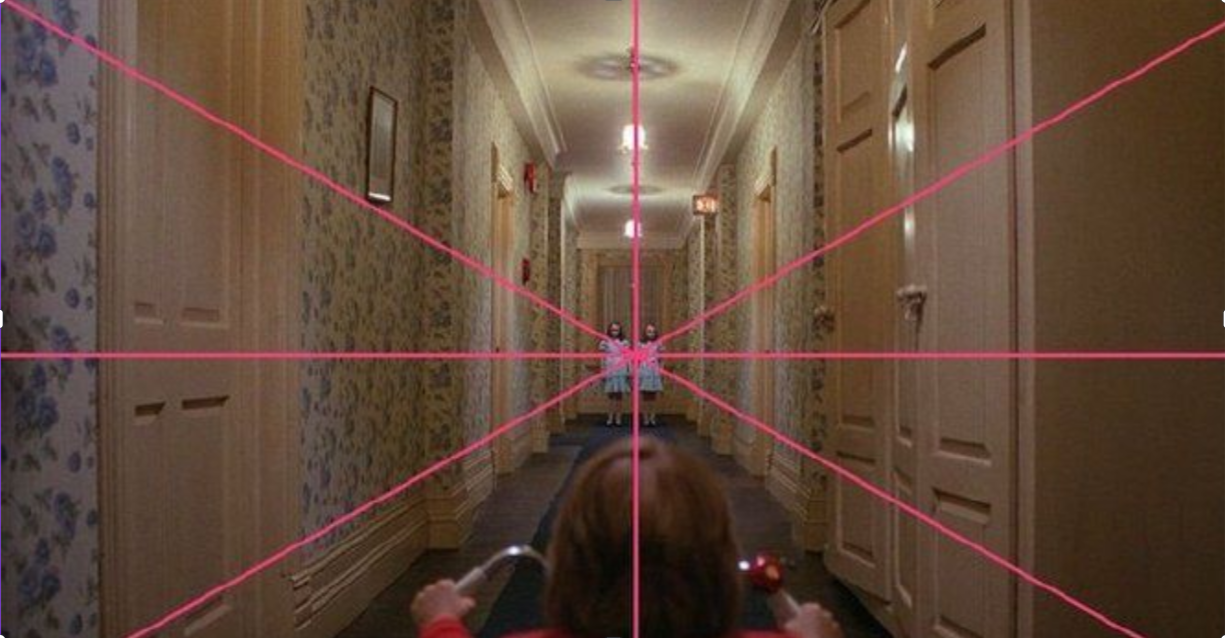
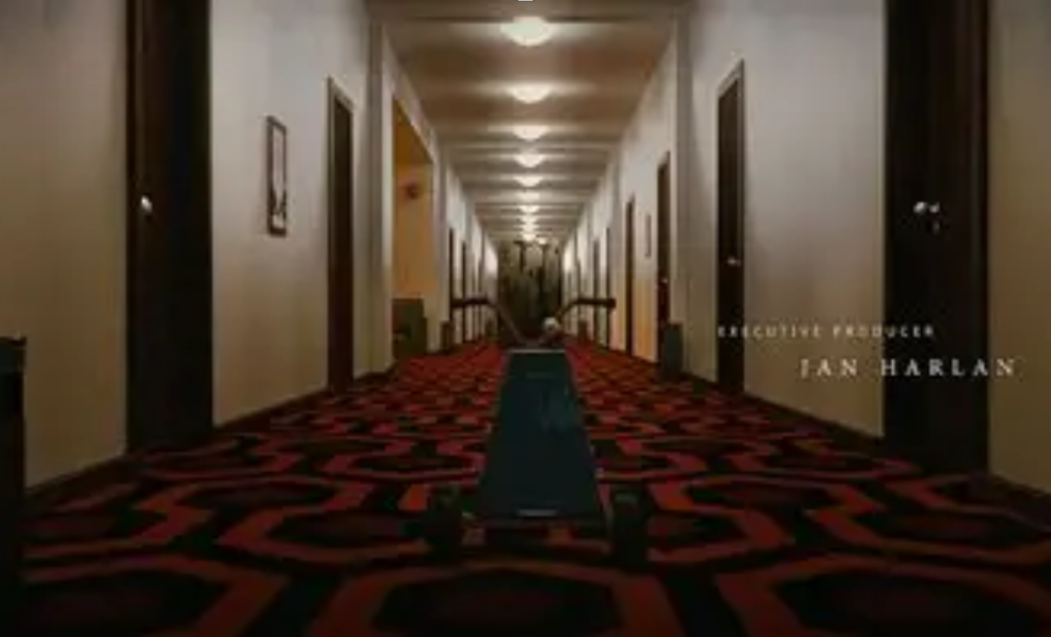
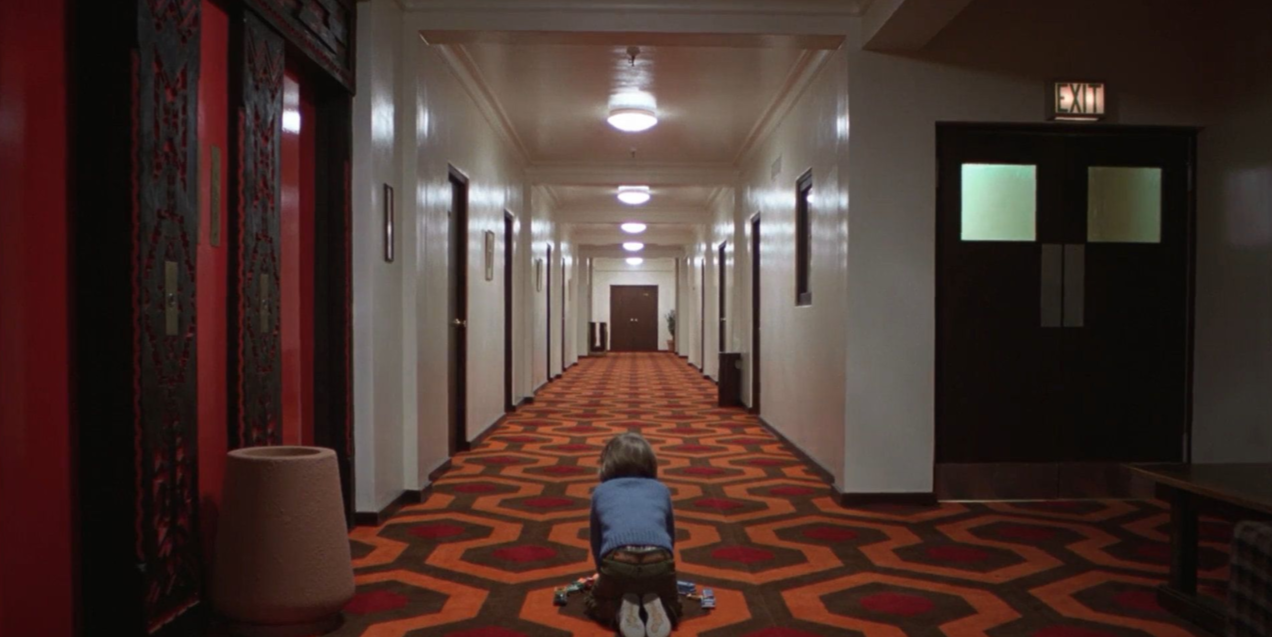
Figure. Film still from The Shining (Kubrick, 1980).
Reference
The Shining (1980) corridor space and camera movement as psychological pressure
Observation
Through strong vanishing points and narrow frames, the lens will focus on the “unknown areas in the distance”. As a “threshed framework”, the doorway/arch divides the space into visible and invisible parts, and the audience will naturally imagine the invisible part as a potential threat. Low illumination and local light sources further compress the information, so that the sense of unknown persists.
Application of residual fear
I designed the “dietary vanishing point target” (the end of darkness) in the manor corridor and used dark angles and low illumination to reduce the information density; so that players can constantly make psychological predictions when advancing. The threshold (doorway/corner) is designed as an “information switching point”: players will face the pressure of changing visible information and atmosphere every time they cross.
Research Question A – Reference Cards – 3
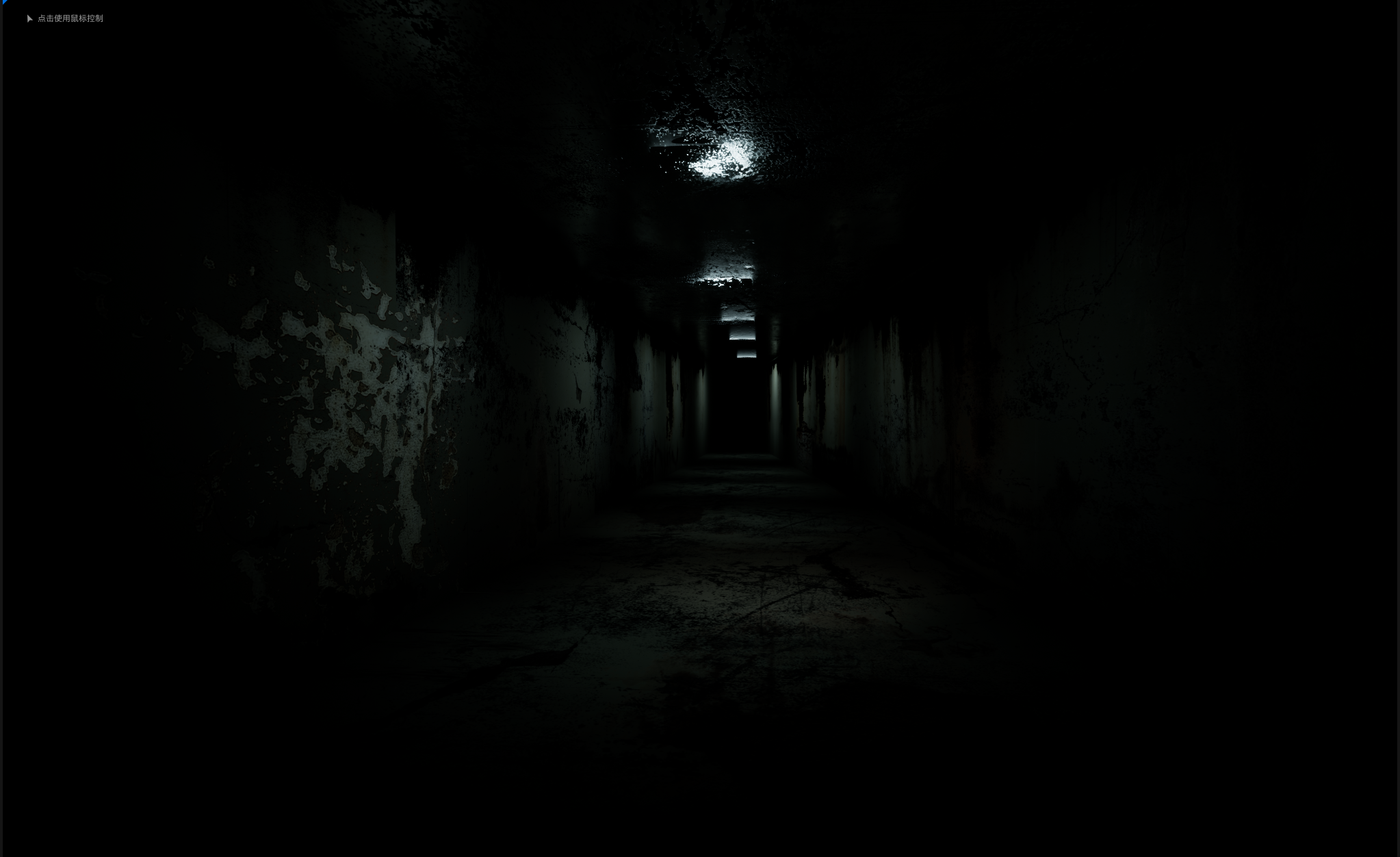
Final mood version (compressed information / unseen endpoint)
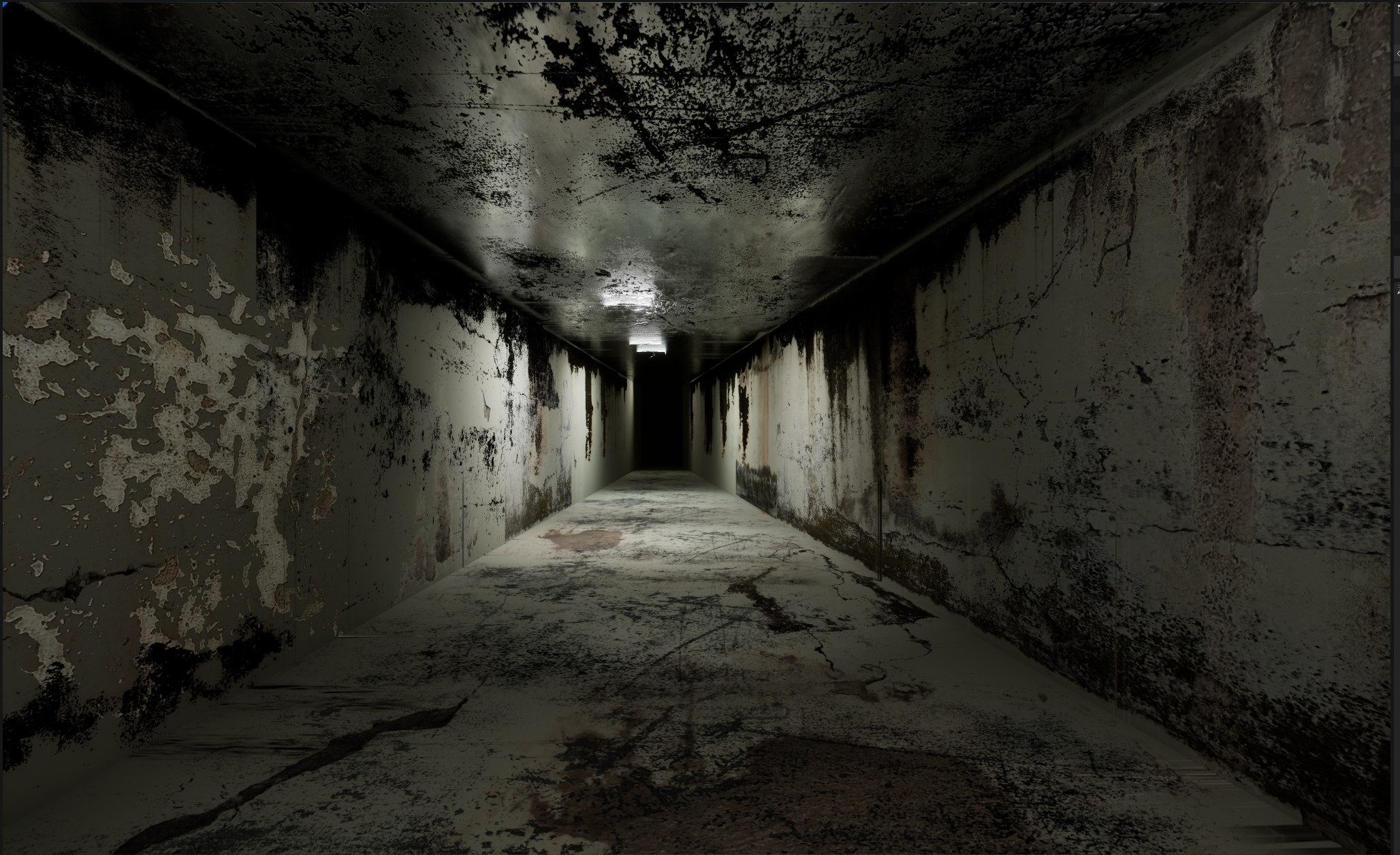
Brighter comparison (testing the impact of visibility control)
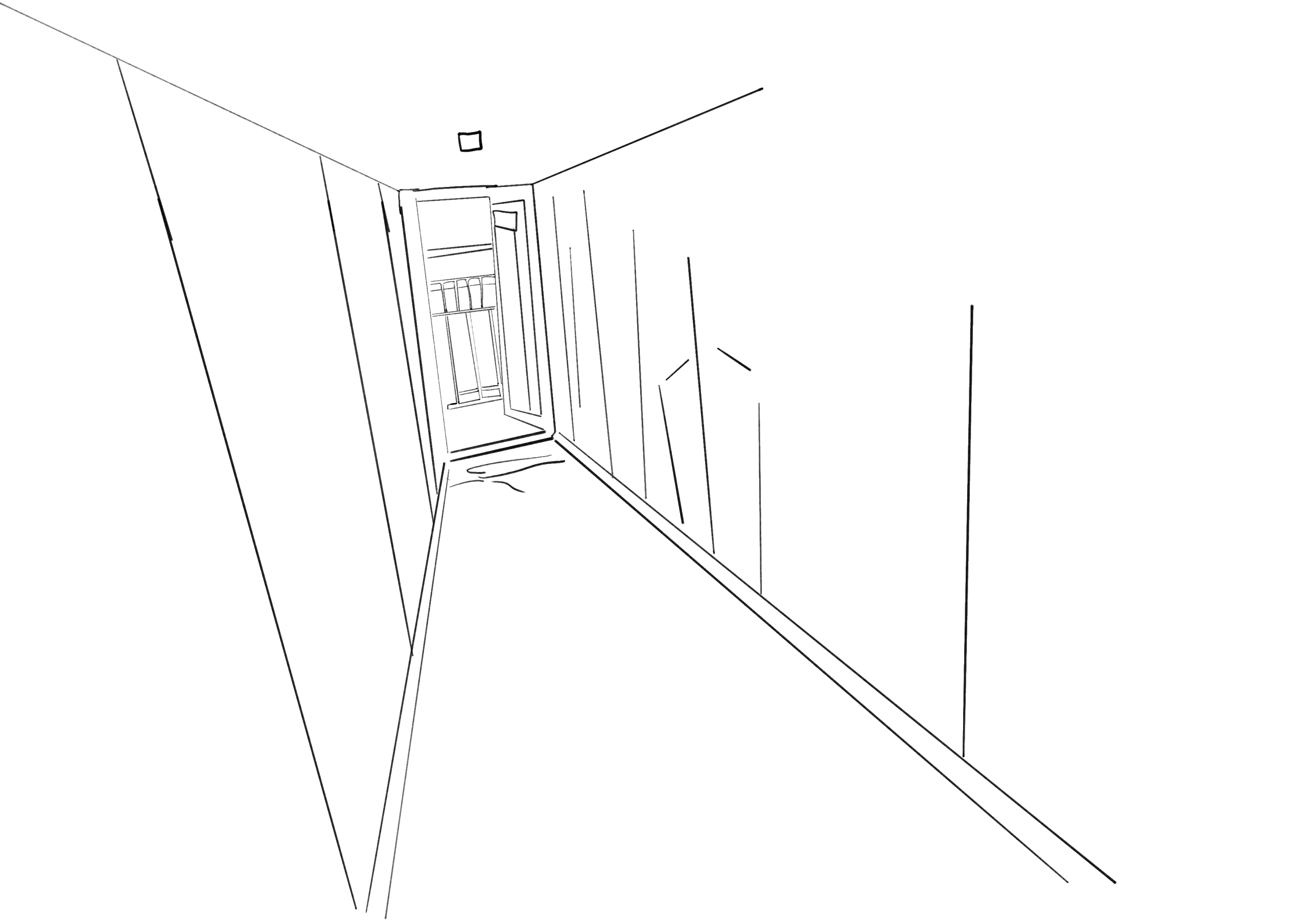
Perspective sketch (emphasizing vanishing-point guidance and threshold framing)
This comparison isolates visibility as a design variable
Reference
My work (UE5) — Residual Fear “Manor Corridor” atmosphere test (visibility control / vanishing-point framing / lighting rhythm)
Observation
When the corridor information is compressed (dark corners and remote darkness are unpredictable), players will rely more on sound and weak light clues and take the initiative to associate what will be behind the darkness. The “ceiling light segment” design of the corridor can form a sense of rhythm and continuously push the pressure; and the darkness at the end as the target point, as the distance continues to narrow, it remains tense even if there is no monster.
Application of residual fear
I used the corridor as a “sense of unknown generator”: I used the blocked line of sight, dark distance and environmental sound to create an unconfirmable sense of threat; in the future, I will add the feedback of “key evidence trigger” (top light flashing/red light color adjustment/audio change) to bind the sense of unknown with the progress of the investigation, instead of relying on the monster’s face.
Design Rules
Controllable visibility
Maintain “unconfirmable” situations in key areas, reduce the divergence of information with dark corners, occlusions and darkness at the end of the corridor, so that players can rely on association to make up for fear.
Threshold = Information Switch
The end of the corridor, the corner, and the arch are used as the fear threshold; every time they cross the threshold range, players will obtain visible information or changes in atmosphere feedback (light/sound/space slight change).
Ambiguous Audio Source
The environmental sound avoids positioning; use the player’s sound far away, behind and across the wall to create “possibility”, so that the player can speculate, instead of directly giving the actual clues to the player.
My Next Test
Next iteration: add one “threshold node” (doorway/corner) in the corridor.
Crossing triggers subtle feedback: one light flicker + ambience shift (no monster reveal).
Document an A/B comparison (with vs without threshold feedback) to test sustained tension.
Questions B -Reference Cards – 1
How to build the rhythm of manor exploration with Key Evidence Gates and Shortcut Loops, and maintain the player’s sense of direction and reasoning motivation?
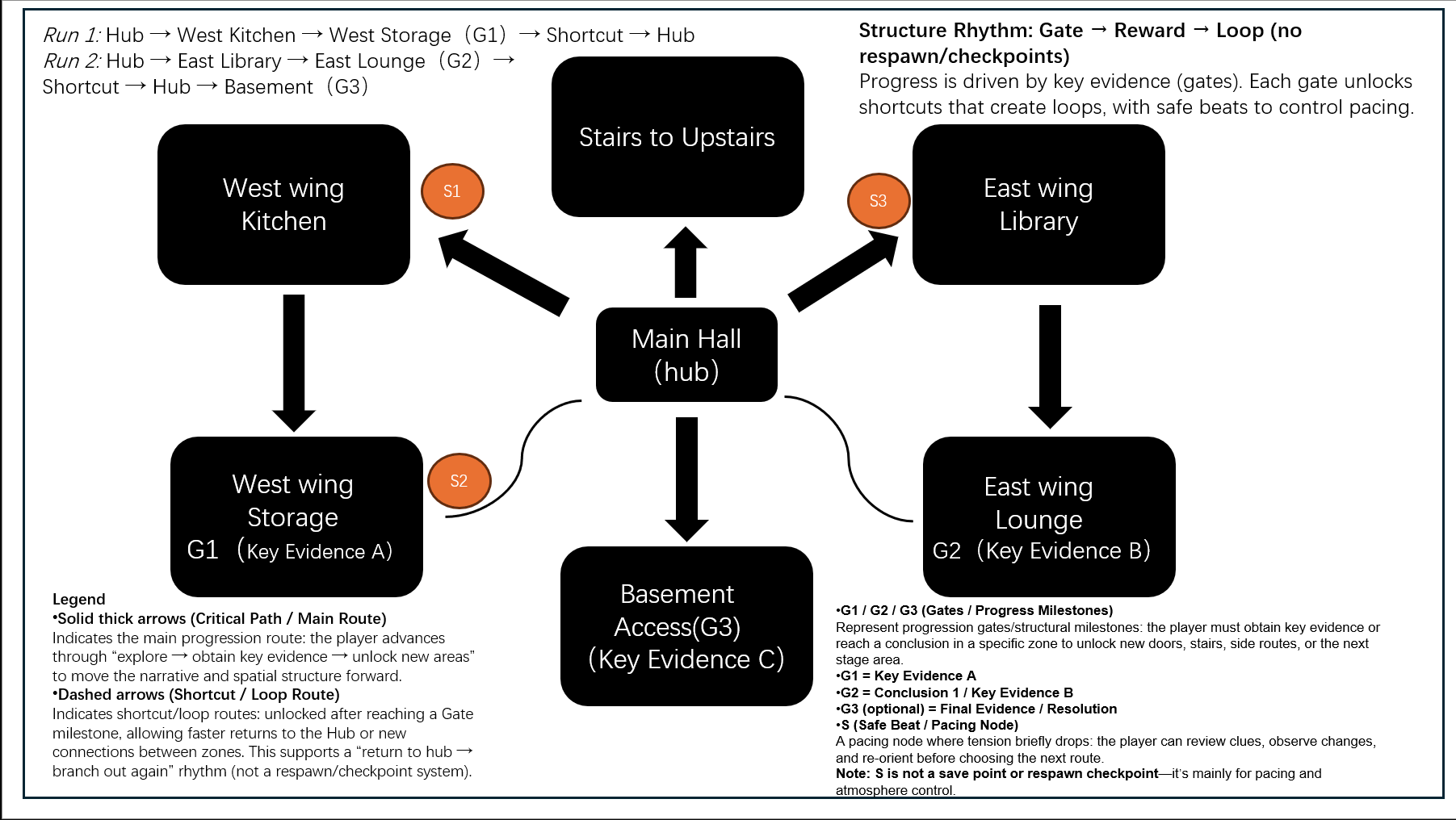
My Structure Blueprint
Reference
I designed the structural rhythm of “Gate → Reward → Loop” for the manor exploration of Residual Fear: players enter different wing areas from the main hall to explore and promote space unlocking by obtaining key evidence as a “threshold”. Every time the threshold is reached, a new shortcut will appear in the manor, allowing players to return to Hub faster, and choose the next exploration route again, forming a continuous loop rhythm, instead of the mode of “death-resurrection-breakthrough”.
Key structure elements (matching the legend)
1.Solid thick arrows (main path): represents the core propulsion route (explore → obtain key evidence → unlock the new area).
2.Dashed arrows (shortcut/loopback): represents the loop added after the threshold is reached, which is used to shorten the return and create the contrast of “familiar-more uneasy”.
3.G1 / G2 / G3 (threshold/milestone): key evidence node, decide when to unlock the door, stairs, side road or underground entrance.
4.S (Safe Beat / Rhythm buffer point): a short “re-record/observation/redirection” node used to control the ups and downs of tension; it is neither an archive point nor a rebirth point.
Observation:
It shifts fear from one-off jump scares to accumulated dread: as the player becomes familiar with the space, subtle changes become noticeable (lighting, sound, stains, door positions), and the horror comes from “I know what this place was—now it’s changing.”
Application to Residual Fear
1.Gate evidence triggers structural change (side door unlock, stairs open, basement access appears).
2.Shortcuts bring the player back to the Hub, where Safe Beats allow review/observe new anomalies.
3.The rhythm becomes: progress → loop back → branch out again.
4. Orientation: This structure can turn “fear” from a one-time jump to continuous accumulation: the more familiar the player is with the space, the more he can perceive subtle changes (light, noise, stains, door cracks, echoes of footsteps). Fear comes from “I know what it was like here, but it is changing”.
5. Deductive motivation: The evidence board records that the clues have been obtained and the unfinished association; when the player is stuck, he can reason by reviewing the evidence board and then decides the next step by combining with light/voice and other soft guidance, instead of relying on the task arrows.
Questions B -Reference Cards – 2
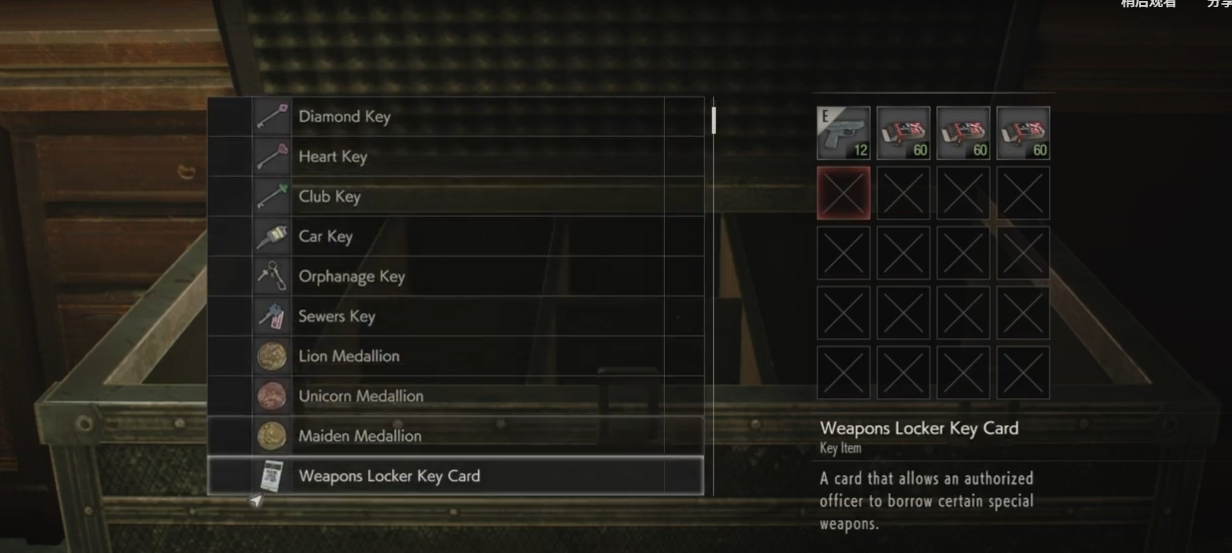
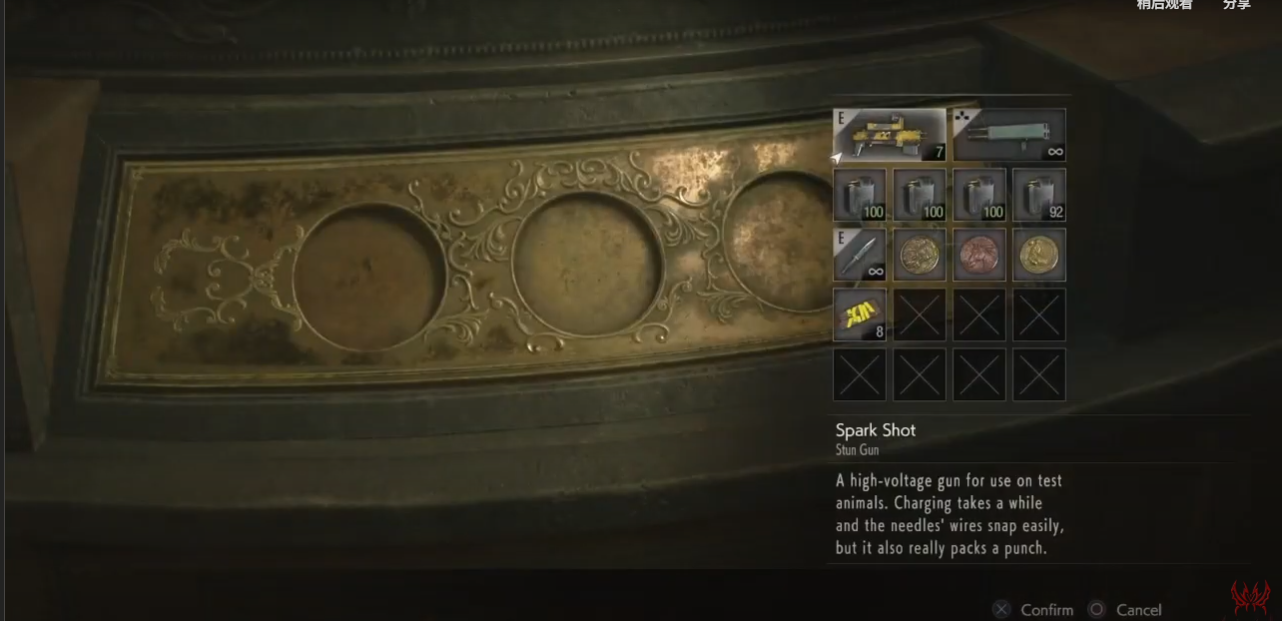
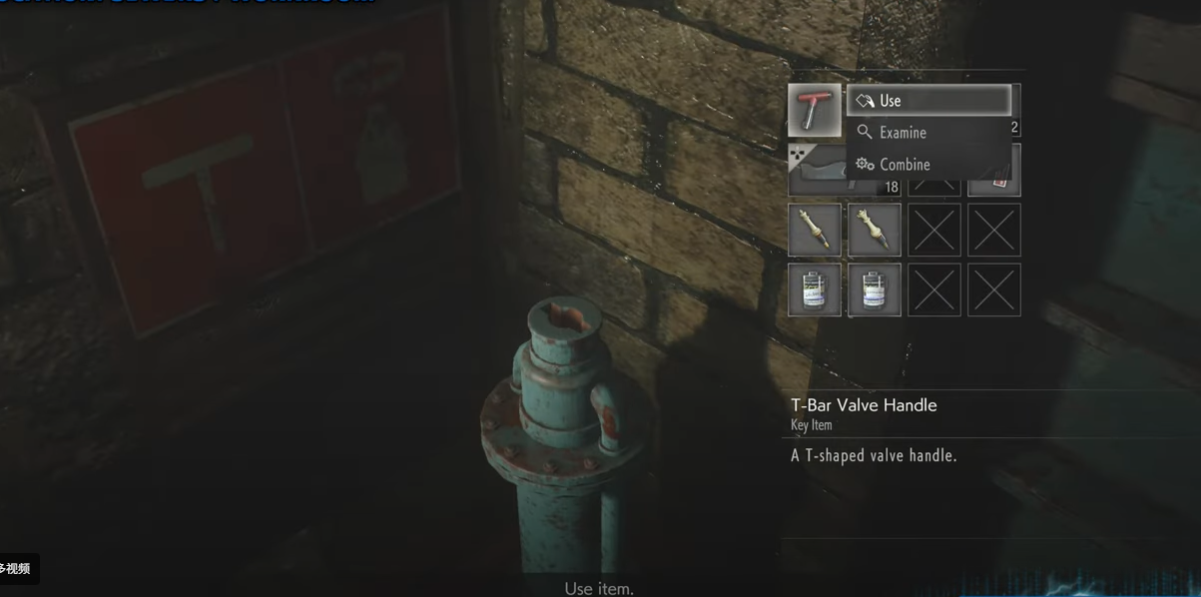
Figure. Screenshot from Resident Evil 2 Remake Items video (Bing Videos, n.d.), captured by author on 15 December 2025.
Reference
Resident Evil 2 (2019) Raccoon Police Department (RPD level structure)
The RPD level uses keys/badges/tools as progression gates, repeatedly routing the player through the same building while unlocking new doors and shortcuts, creating a sustained exploration rhythm.
Observation
1.Gate is clear and readable: players can clearly know “what is missing to open the door” (keys, badges, tools).
2.Reward is a space structure reward: after unlocking, it is not simply giving props, but opening new doors/new passages/shortcuts, shortening the return path, and enhancing the player’s sense of control of space.
3.Loop generates rhythm: the structure will prompt the player to “return to the familiar core area → re-plan the route → then fork to explore”, instead of moving forward linearly.
4.The security node is used for rhythm buffering: the Safe Room allows players to briefly reduce pressure, sort out information and resources, and make the tension more ups and downs.
5.The sense of direction comes from “readable threshold + can return to the core area”: players know what they lack (the threshold is readable) and can quickly return to the core area through shortcuts to re-plan.
Application of residual fear
For residual fear, I translated “key/tool door” into key evidence door:
1.In the manor of Residual Fear, I translated the above logic from “key/tool threshold” to “Key Evidence Gates”:
2.Gate: Players must obtain some “key evidence” (such as recordings, photos, diary pages, symbol clues) to trigger structural changes (open the door, open the stairs, open the underground entrance, etc.).
3.Reward: Every time the threshold is reached, a shortcut/new connection (side door, service passage, stairway) is unlocked, so that players can return to Hub (main hall) faster and branch again.
4. Loop: The player forms a rhythm of “promoting → returning to Hub → replaying → advancing again”. Fear comes from the subtle changes (lighting, noise, wall stains, door state) that occur repeatedly through the familiar space.
Safe Beat (Rhythm Point): I will set up a “review/observation node” (S) to view notes, hear new ambient sounds or find spatial abnormalities; S is neither an archive point nor a rebirth point. It is only responsible for rhythm and narrative understanding.
5. In Residual Fear, I use the “evidence board” to externalize the clue relationship: when the player’s advance is blocked, the evidence board provides “owned/not connected” reasoning clues and then uses environmental soft prompts to guide the player to verify the hypothesis.
Design Rules
Rule 1:The threshold must be driven by “key evidence”, not the combat/death mechanism. Players should know clearly why it can be unlocked now.
Rule 2:After each threshold is reached, “structural rewards” (new connection) must be given to form a loop rhythm, and use Safe Beat to control the tension ups and downs (but not the archive/rebirth point)
Questions C – Reference Cards
Background music, environment, lighting changes, post-processing, subtle spatial reconstruction) how they can serve as a readable system feedback language—directly linking evidence and interpretation in research progress
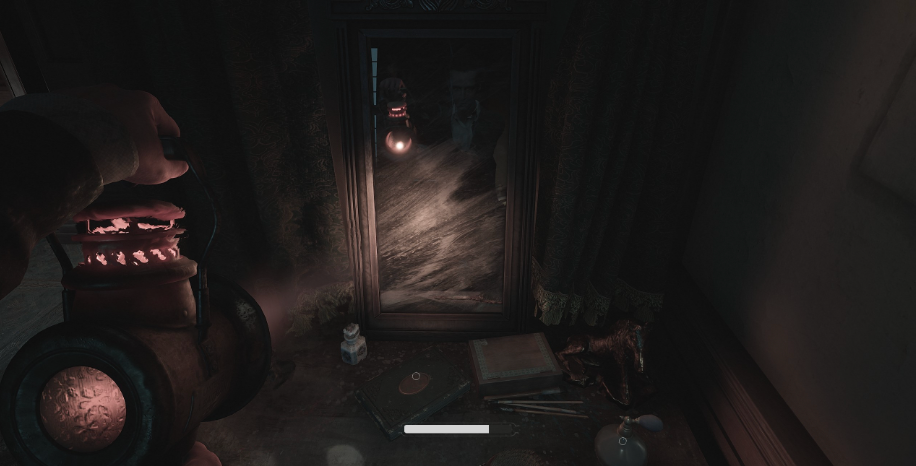

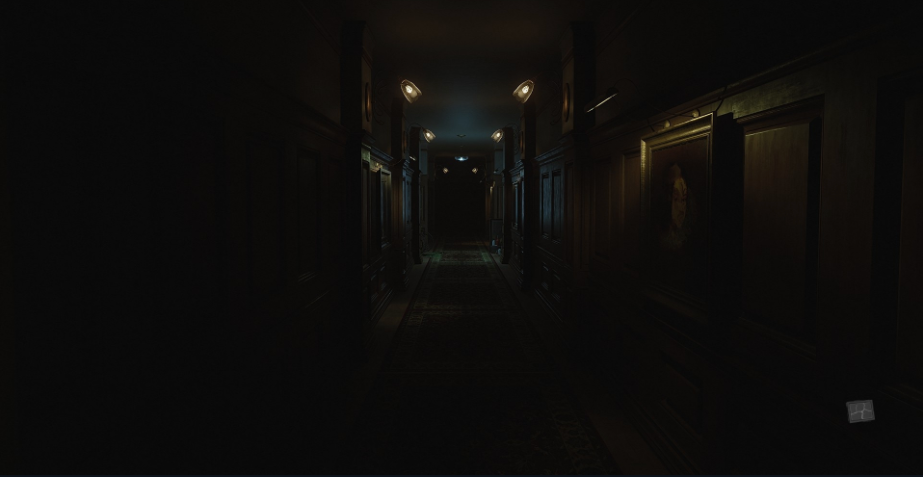
Figure. Steam store image from Layers of Fear (Steam, n.d.), accessed 18 December 2026.
Reference
Layers of Fear (2016) Environmental horror driven by shifting space, sound cues, and perception (no combat focus).
Observation:
1. Fear comes from “unreliable space”: the same corridor/room appears repeatedly, but the details shift one after another (the position of the door, the light, the picture elements, the state of the material).
2.The sound precedes the picture: first hear footsteps, low frequency, distant knocks, and the sound of the door crack, and then let the player turn his head to confirm – fear comes from “what I have finished in my mind”.
3.The event is not an explosion point, but a “gradient”: accumulates a sense of oppression through subtle changes, instead of using a strong jump scare every time.
4.The player’s attention is guided: use light focus, shadow blocking, and sound source positioning to guide the player to “go to uncertainty”
Application to Residual Fear:
About residual fear (manor corridor + central regression):
Put this method into the “manor corridor/main hall return structure” of Residual Fear:
1.Repeated space + micro-change: Every time the player returns to the corridor/main hall (Hub), there is a slight difference (light flashing, one more stain on the wall, decal position change, photo angle offset).
2.Sound first: Before the player sees the abnormality, first give “distant drag sound/low-frequency pulse/ventilation pipe echo/micro sound behind the door”, so that the player can associate first and then confirm.
3.Vision only gives half of the information: it does not directly give the monster the whole picture, but “only reveals clues” with occlusion, reflection, backlight, door cracks and corners, and gives the fear to the player’s brain.
4.Bind the change to the progress: When the player reaches Gate (key evidence), trigger the environmental change upgrade – make “promotion = more uneasy”
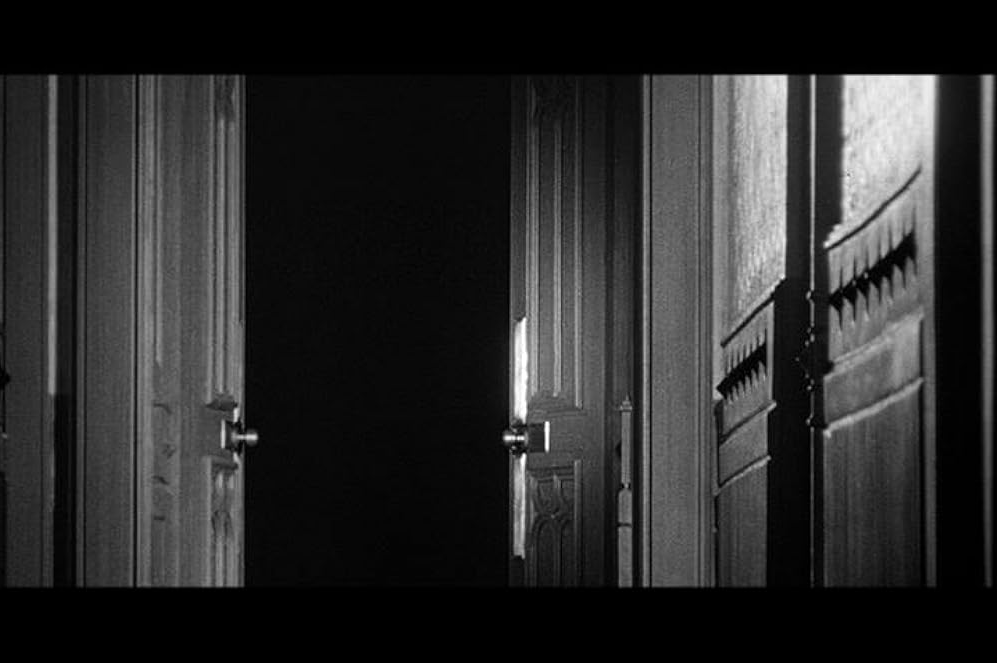
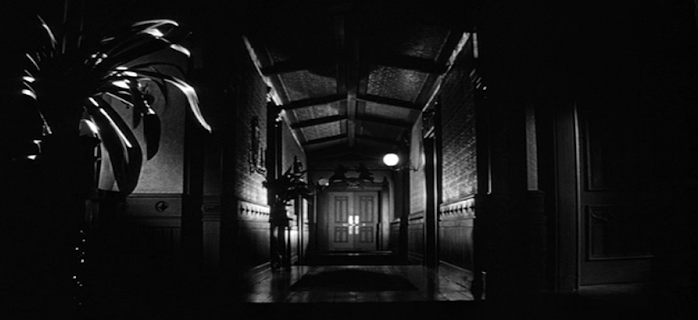
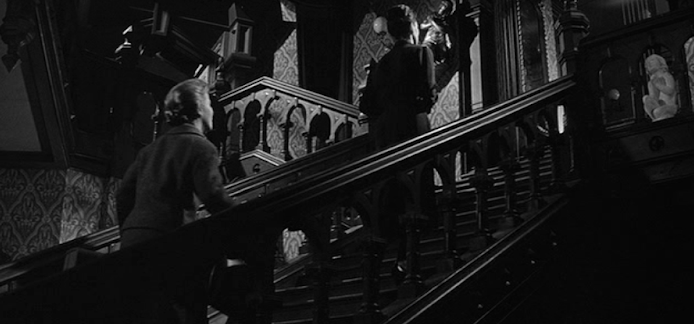
Wise, R. (1963). The Haunting [film]. USA: Metro-Goldwyn-Mayer. Screenshot captured by the author, December 15, 2025.
Reference:
The Haunting (1963) — off-screen horror using architecture, sound, and unseen presence to build dread.
Observation:
1. “Hearing” is more terrible than “seeing”: the sound of knocking on the door, the echo of the corridor, and the strange sound in the wall make the audience generate images in their minds.
2.The role of architecture: the proportion and shadow of doors, corridors and stairs make the space itself a source of oppression.
3.Rhythm control: give the audience a breathing point first and then pull back the uneasiness in a more subtle and uncertain way.
4.No explanation = more terrible: keep the ambiguity and let the audience participate in the “explanation process”.
Application to Residual Fear:
I will put the point that “the manor is a character” in my corridor map:
1.Space oppression: the corridors are made more “long, narrow and repetitive”, which makes players feel that their sense of direction is consumed; corners and door cracks are “psychological thresholds”.
2.Acoustic narrative: “sound source” key clues (for example: there are always knocks with different rhythms behind a certain door; the low frequency of a certain corridor only appears at a specific progress).
3.Safe Beat is not safe, but “suspiciously quiet”: in the main hall/node, the sound suddenly becomes less, making the player nervous (more in line with the unknown fear you want).
4.Less explanation, more evidence: use diaries, photos, recordings and environmental changes to let players reason “what happened”, instead of using NPC to directly conclude.
Design Rules
Rule 1:The sound comes first, and the picture is later; every time “hear before you see”, let the player associate first.
Rule 2:Repeated space + micro-change accumulates fear; push (Gate) to trigger the environment upgrade, not rely on the face.
Research Summary
1.The research of this project revolves around a core goal: to avoid relying on face-faced monsters and combat systems in Residual Fear, and to create “unknown fear” through environmental narrative, sound and spatial structure rhythm, so that players can actively associate and continue to be nervous in exploration. I divided the research into three questions:
2.Q1 focusses on “how to drive fear with the environment and atmosphere”; Q2 focusses on “how to use the manor structure of Gate → Reward → Loop to promote exploration without becoming a breakthrough resurrection”; Q3 focusses on “how to create invisible threats and hearts through subtle changes in sound, light and space Reason oppression”.
3.The conclusion of the study is that the more stable and durable source of fear is not the “clear enemy”, but readable spatial logic + incomplete information + gradual environmental changes. Therefore, the design focus of this project will shift to: zoning exploration with the main hall as the Hub, promoting with key evidence as the threshold, forming a loop rhythm with shortcuts, and using sound and painting clues to guide players to “listen first and then see, half-cover and half expose, the more familiar the more uneasy”.
Design Decisions
From Q1 (environment and atmosphere-driven fear)
1.Do not focus on the frontal display of monsters: give priority to using “hint/occlusion/backlight/door crack/reflection” and other ways to present abnormalities and leave the fear to the player’s brain.
2.Make “evidence” a part of the environmental narrative: clues (recordings, photos, diaries, symbols, etc.) are not only collectables but also change the spatial state and the player’s understanding.
3.Visual language unity: the corridor and the manor maintain recognizable materials and structural logic (credible architectural functions), and fear is generated by “unreliable changes in a credible space”.
From Q2 (Gate → Reward → Loop’s Manor Structure Rhythm)
1.Hub-and-Spoke structure: Main Hall as a Hub, players repeatedly return here to reposition and branch selection.
2.Key Evidence Gates: Use G1/G2/G3 as a milestone for promotion; each Gate must clearly write “required evidence/achievable conditions” and “unlock content”.
3.Structural Reward (structural reward) instead of level-breaking reward: unlock new connections such as shortcuts/side doors/stairs after each Gate, shorten the return path, form a loop, and enhance the contrast between spatial familiarity and uneasiness.
4.Safe Beat ≠ Save Point: Set the rhythm buffer point (S) for re-dosing, observing changes, and redirecting; it does not assume the function of “death resurrection/breakthrough checkpoint”.
From Q3 (Unknown Fear: Voice First + Micro-Change Accumulation)
1.Audio-first principle: Key abnormalities are prioritized through sound (distance tapping, dragging, low frequency, ventilation pipe echo, etc.), and the visual information is delayed and incomplete.
2.Repeated Space + Micro-change: Every time the player returns to the Hub/corridor, there is a slight difference (light, stain, decal, ornament angle, sound field change), and the gradient accumulates pressure.
3.Gate triggers environmental upgrade: environmental changes and intensity enhancement are bound to the propulsion node (G1/G2/G3) to ensure that “propulsion = more uneasy” and keep the rhythm controllable.
4.Deliverable linking: The above landing decision will be reflected in the level structure diagram (Q2), legend and path examples, and subsequent prototype/ground compilation screenshots and weekly update records.