

This week was the assessment week which was an opportunity to catch up on work. The playtest would be next week and it seemed that our team was working well together with no further miscommunications.
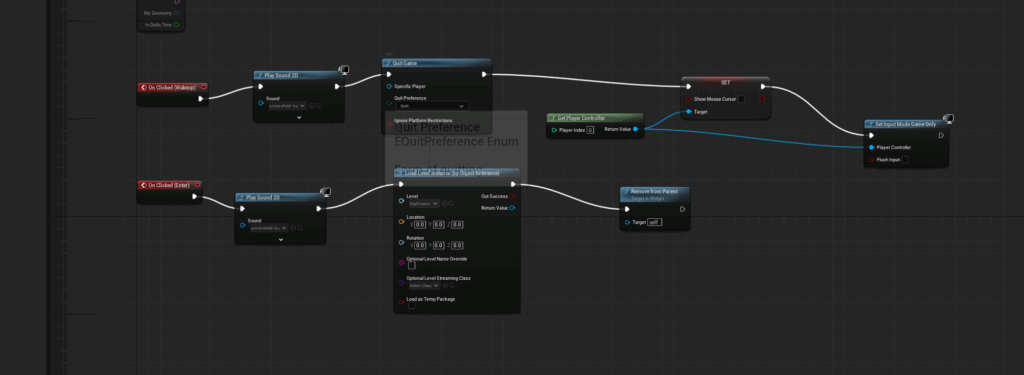
I finished creating the main menu. The last thing I needed to do was the blueprints work to give the buttons functionality. Again, blueprints surprises me with how simple it is. The tutorial outlined the necessity of specifying the cursor mode to prevent errors with the cursor which wouldn’t have been obvious otherwise. One issue I had to figure out by myself was the main menu persisting when switching to a different level for start. The solution to this was to decouple the main menu assets from the parent so it could be hidden when starting the game.
However, before it has functionality, the main level has to be completed so I know which co-ordinates to spawn the player in. Below is a screenshot of the blueprints for the Start button.
Since I didn’t feel like it was necessary to be doing a lot of in-engine work, I started playing Dreamcore to gain a better understanding of how games in similar genres were playing.
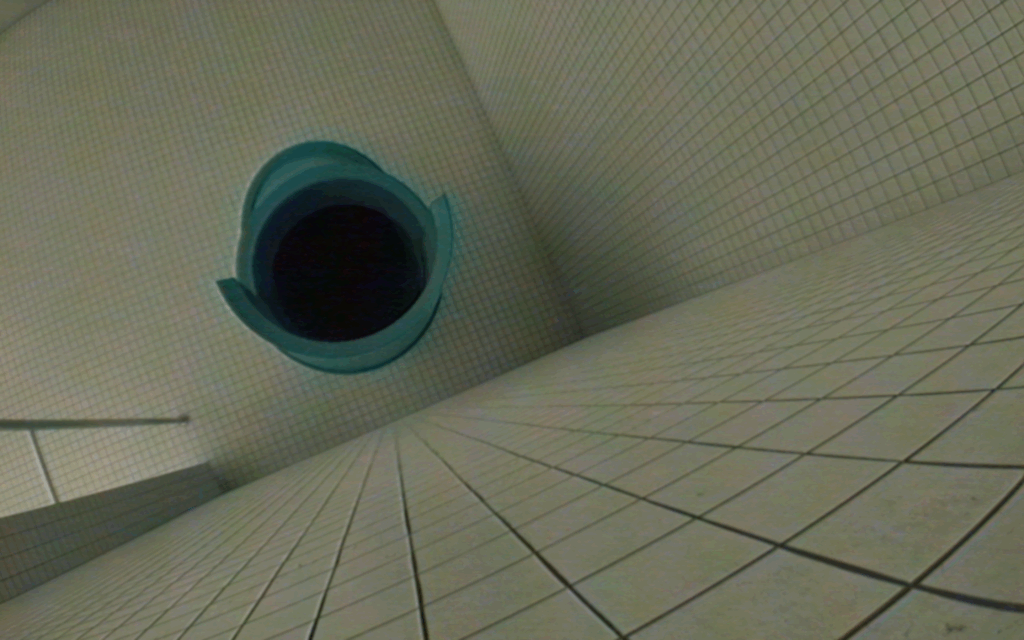
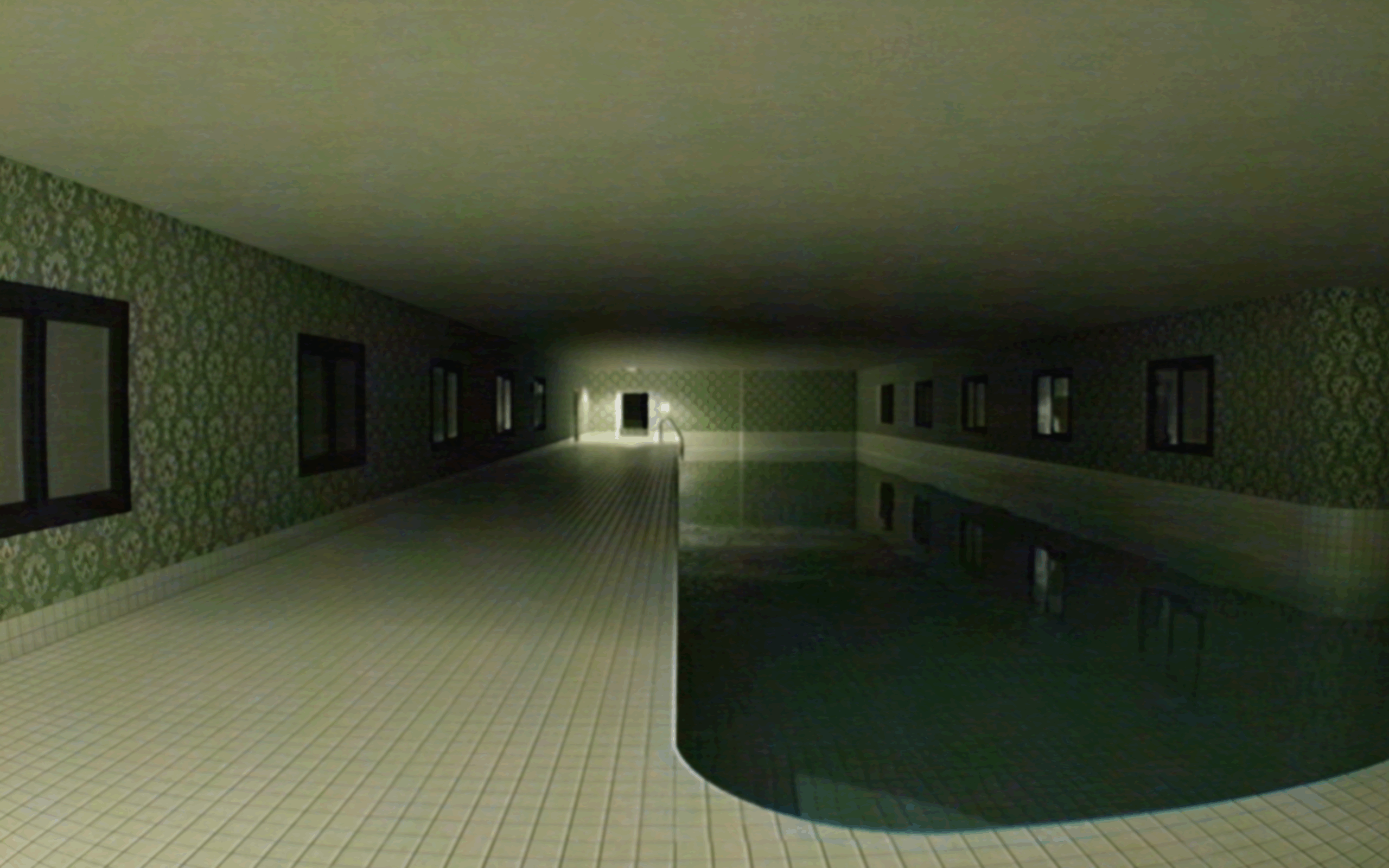
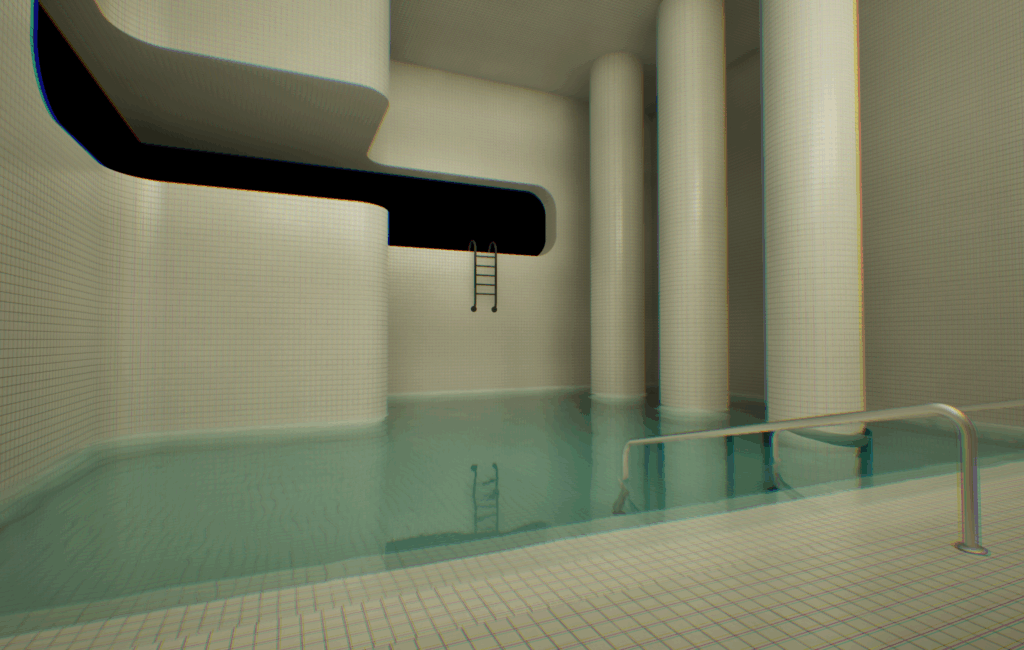
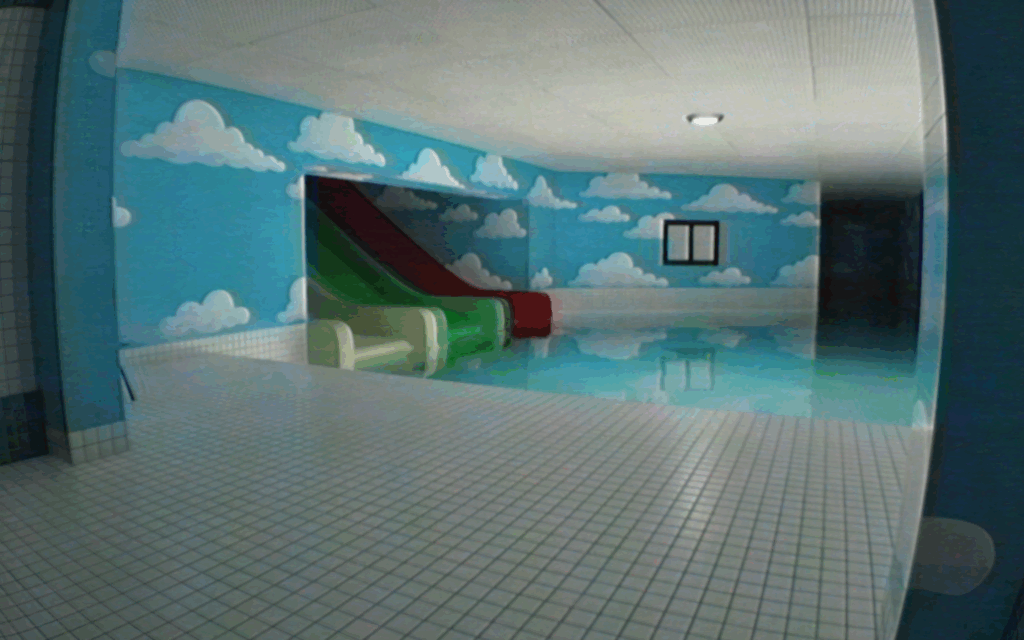
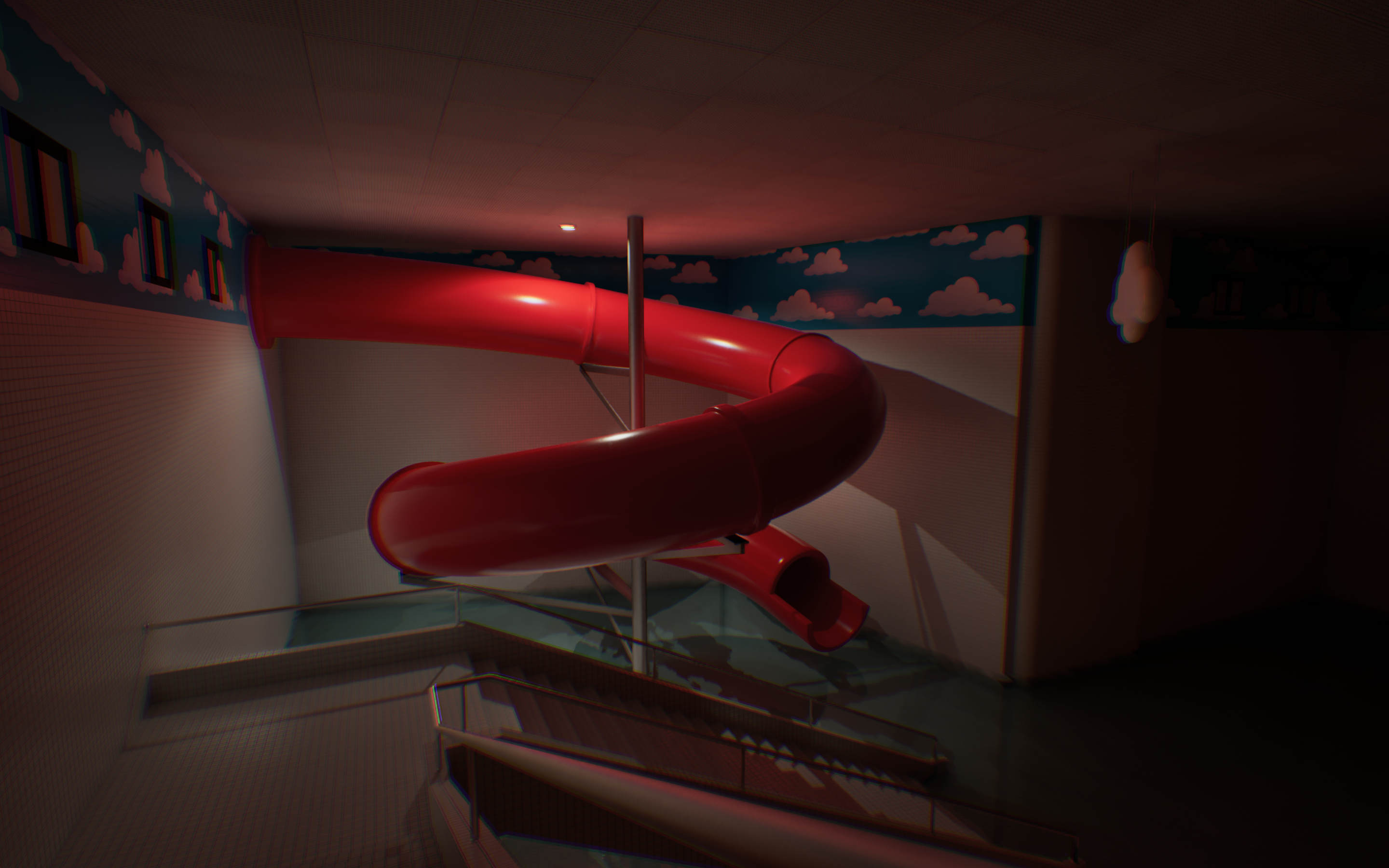
Dreamcore is a game, mainly a walking simulator, set in the the internet folklore’s favourite backrooms. I played the poolrooms level for obvious reasons.
Going in with no knowledge or preparation I was incredibly unsettled. The game is played with a vhs filter which adds some depth distortion and graininess to the visuals. It emulates the feeling of found footage as a lot of backrooms content is tangentially related to the analogue horror genre which subsides off of the uncanny feeling of film recording.
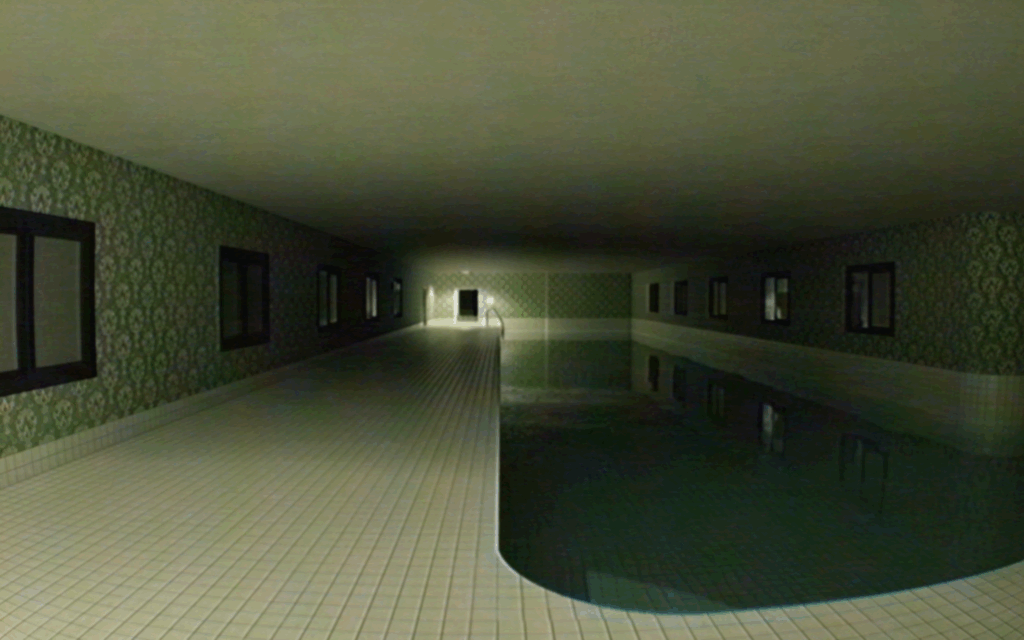
I played it at night in the dark to immerse myself. The only sound in the game are your footsteps, the very faint ambience and the splashing of water when you submerge into a pool. All of these sound incredibly deafening and play into the feeling that you’re somehow being watched. It’s paranoia inducing.
There’s also music that plays inexplicably in certain areas, yet you cannot find the source.
I really liked the environments, on another note. Despite consisting of similar themes, each room is a different reassembly and looks distinct yet the more you traverse the more it blends into the disorienting maze of the backrooms. The seamless transition into different themed environments builds on that inexplicable dream-like feeling that would apply well in Daydream. The environment we create should be improbable, implausible, though we are avoiding that creepy atmosphere.
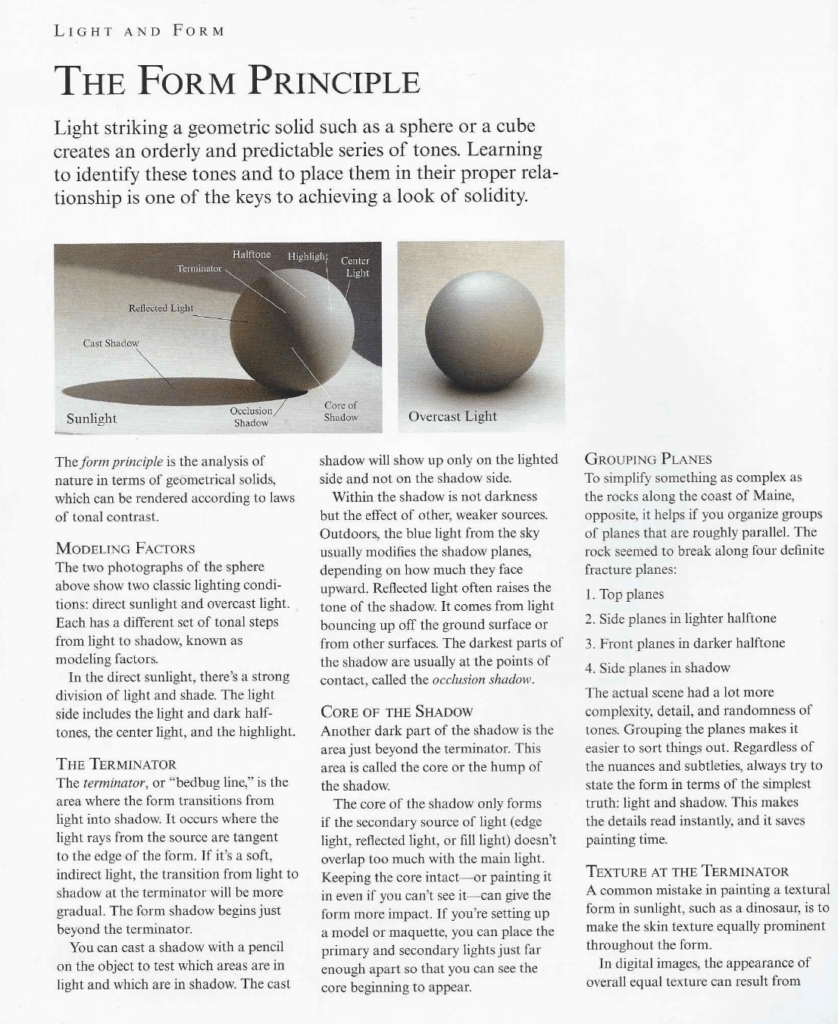
I’ve also been reading James Gurney’s book Colour and Light as well as studying a lot of fine art and art history. Colour and Light details all of the fundamentals of how light works, including artistic contexts and different types of lighting and how light even works. This is immensely valuable as it has completely changed the way I approach art, as it allows me to almost simulate how the colours look in my head before I begin to paint something. For example, ambient light is reflected on shadows, usually from the sky or nearby sources, and it’s on planes that are usually facing down as opposed being completely straight. No longer do I take facts such as that for granted, I know the specific physical phenomena behind it.


It’s made me realise the sheer importance that colour and light demonstrate within all modes of visual mediums, and how many different kind of lighting there is and how it builds up mood and emotions. For example, the Fauves in the early 1900s, spearheaded by Henri Matisse, rejected the naturalist styles of the impressionists and Post-Impressionists and focused purely on using thick bold colour to display emotion within their work. I have to admit, I took it for granted as it’s so prevalent, but deeper study has made me fully comprehend its importance.
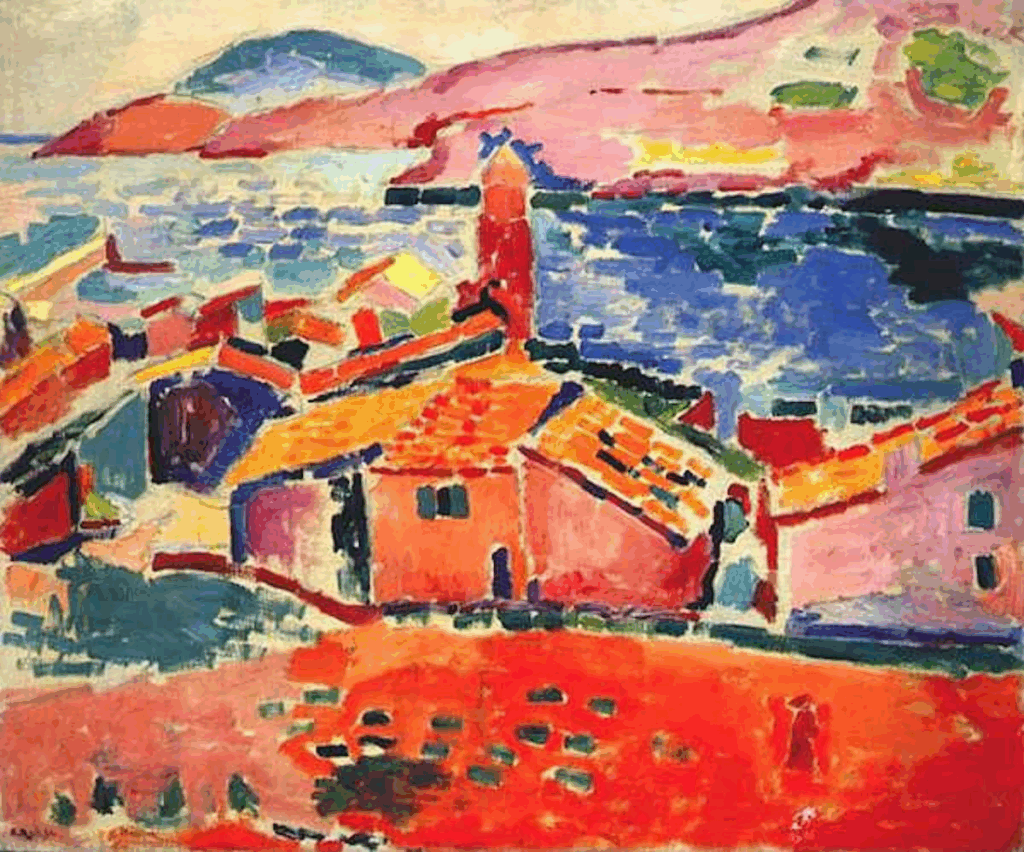
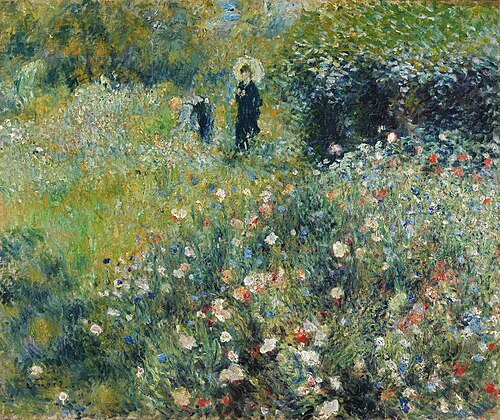
Henri Matisse’s “Roofs of Collioure”, as opposed to the more naturalist conception of his predecessors, for example, “Woman with a Parasol in a Garden” by Pierre-Auguste Renoir.
As the technical artist for our game, this study has made me put a lot weight and emphasis in the lighting and colours utilised within our game, and I hope to create something that successfully creates that dream-like experience for the player, even if it exists in an unpolished state.
Leave a Reply