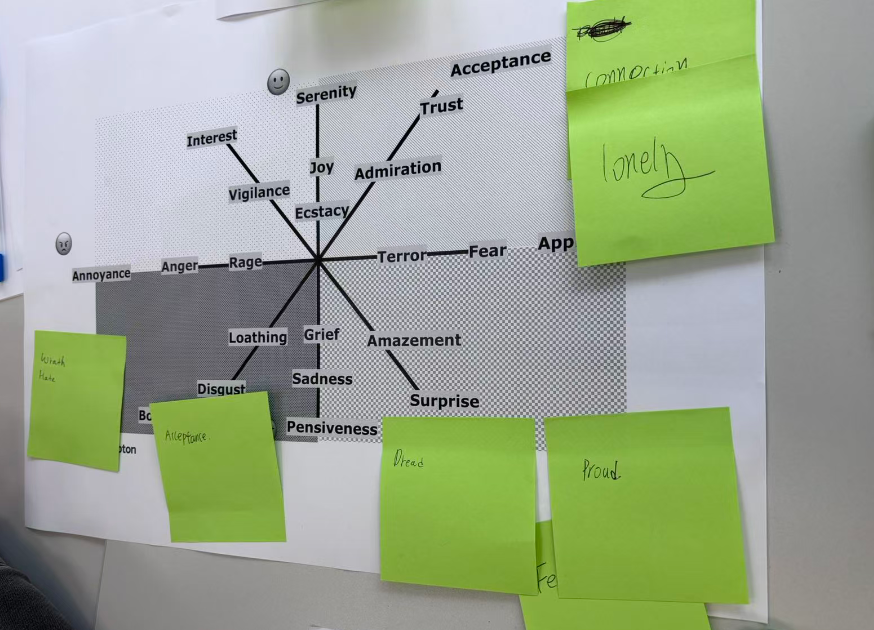
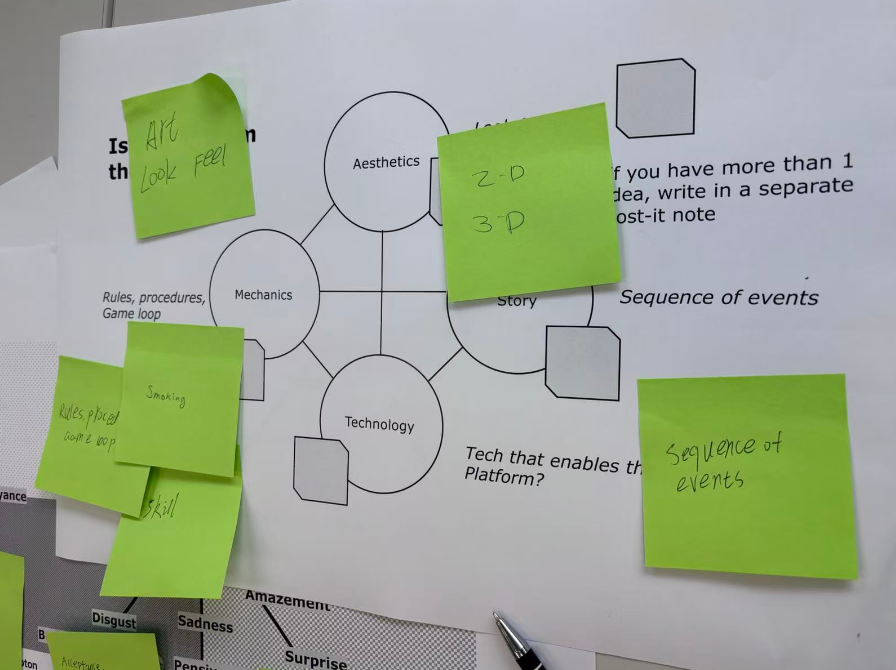
In this session, we combined the MDA framework (Mechanics, Dynamics, and Aesthetics) to use sentiment analysis tables to identify the core drivers behind game ideas. This helps to link emotional intentions with formal design structures and clarifies how to shape the player experience through mechanisms and interactions.
At present, I haven’t applied this exercise to my own game because my game concept is still in the early stage of conception. On the contrary, I participated in a team member’s project, using sentiment analysis forms and the MDA framework to help them refine the design intent and overall experience.
ProBuilder & Prototyping
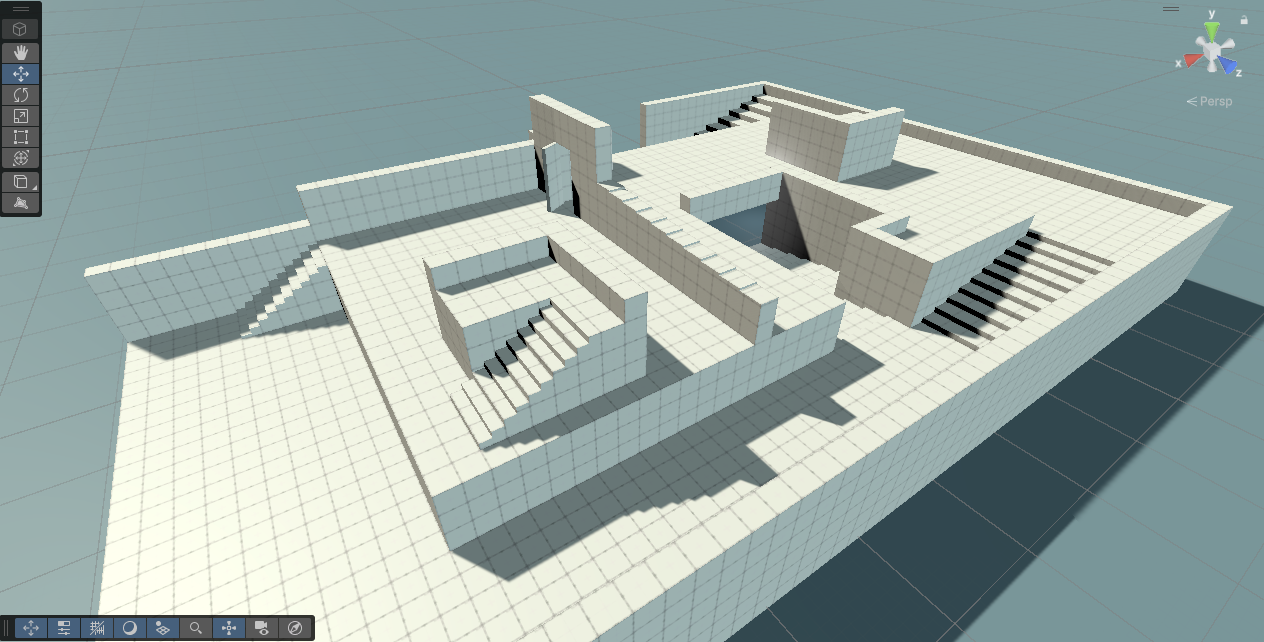
In the technical lecture on Thursday, we learned about ProBuilder, a Unity plugin. As a simple gray-box tool, it enables us to quickly create prototype environments for game scenes. The lecture also introduced the basic knowledge of building a multiplayer combat system. However, since I have no intention of developing multiplayer games, I haven’t delved deeply into this part.
First Round Pitch Presentation
1/4
2/4
3/4
4/4
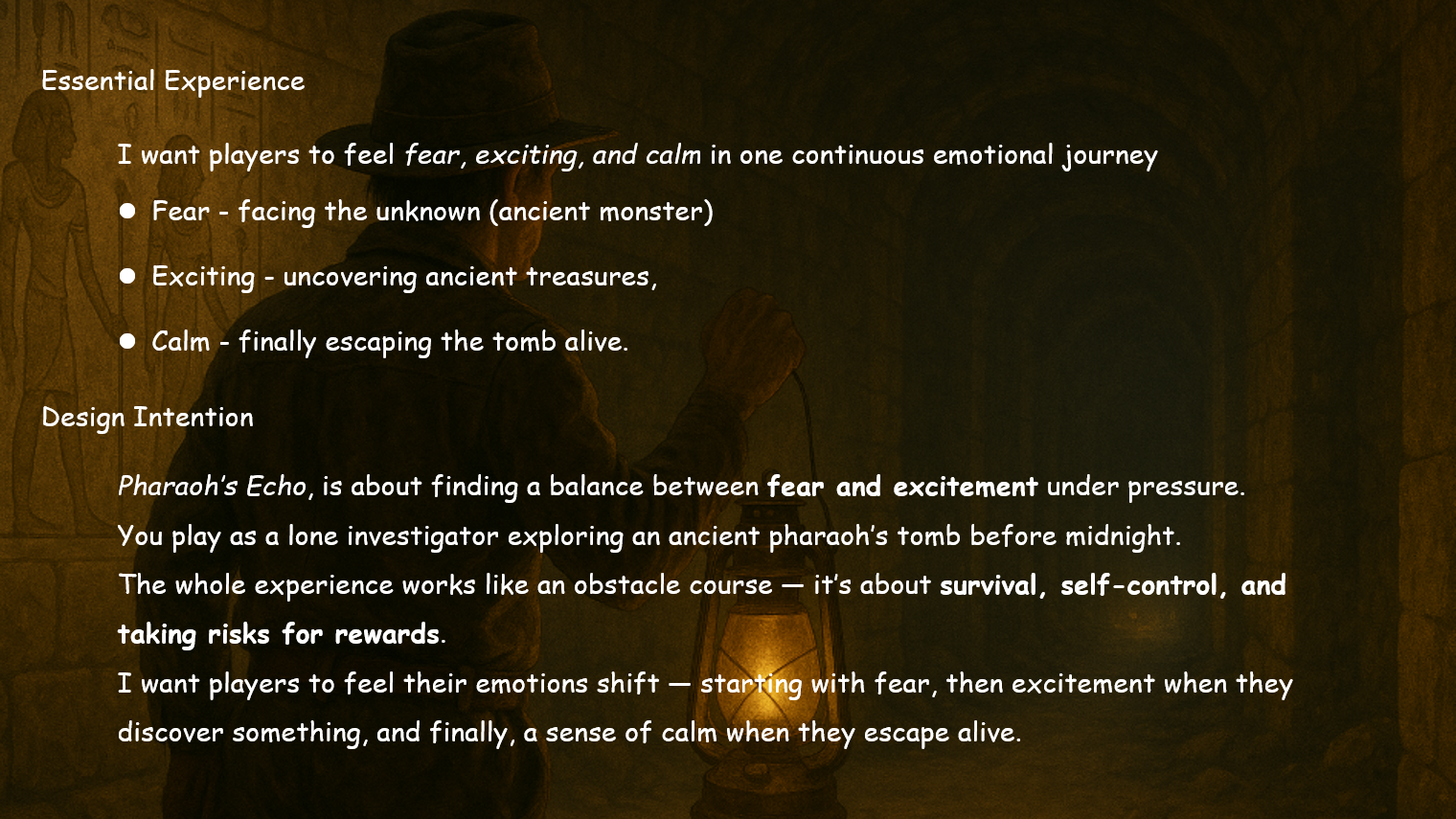
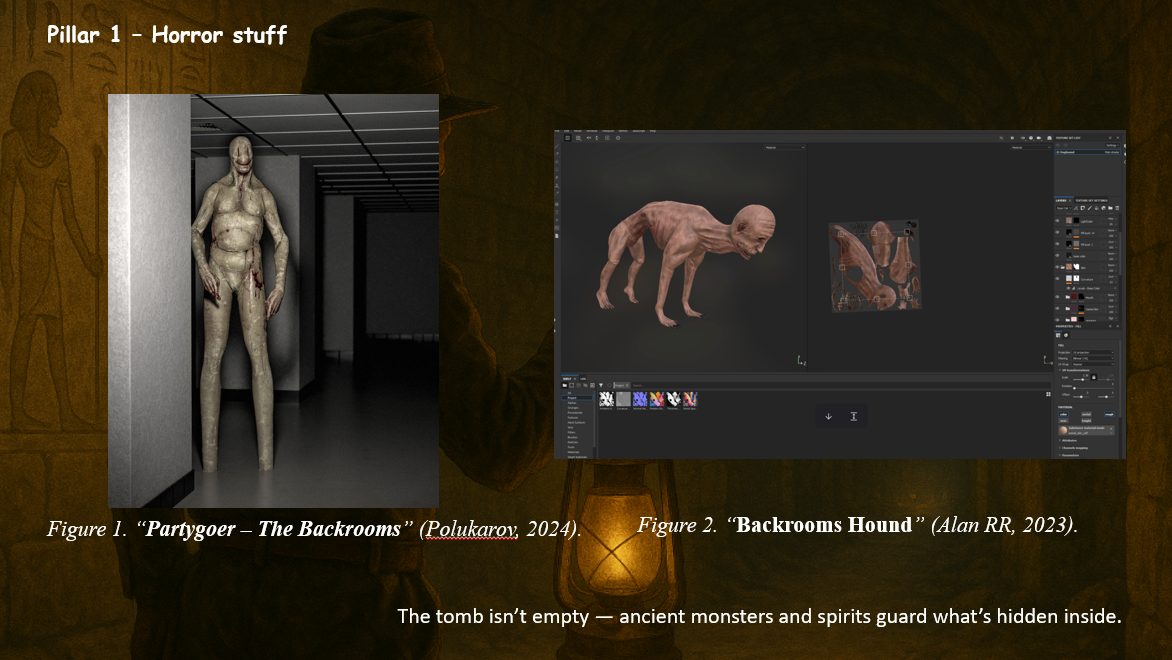
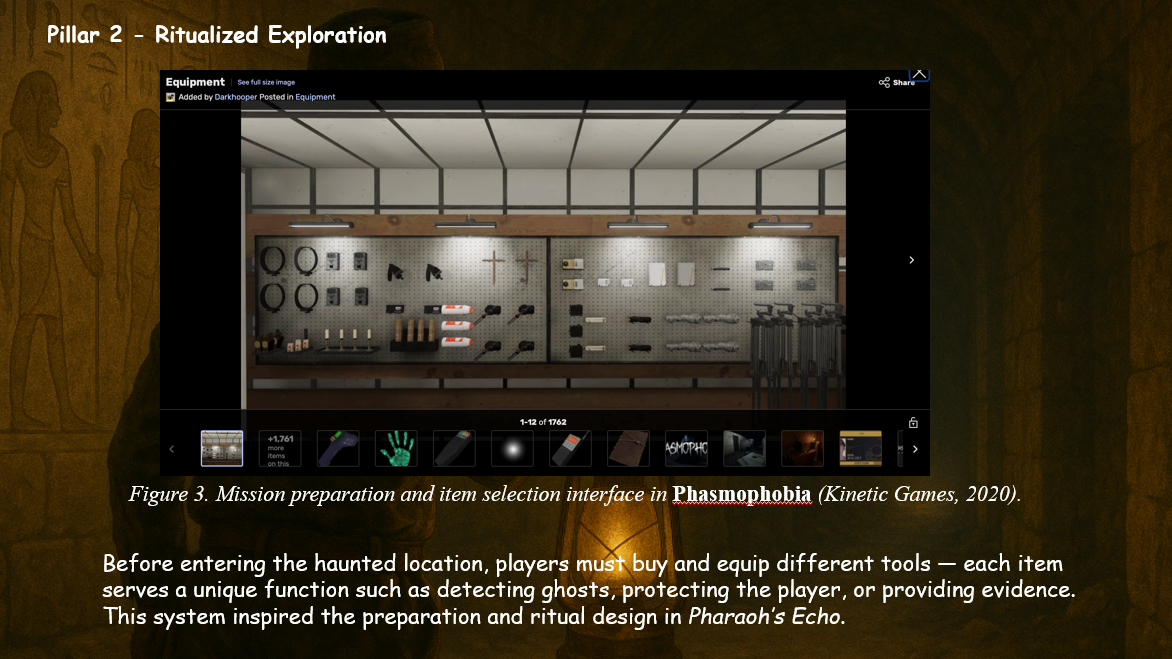
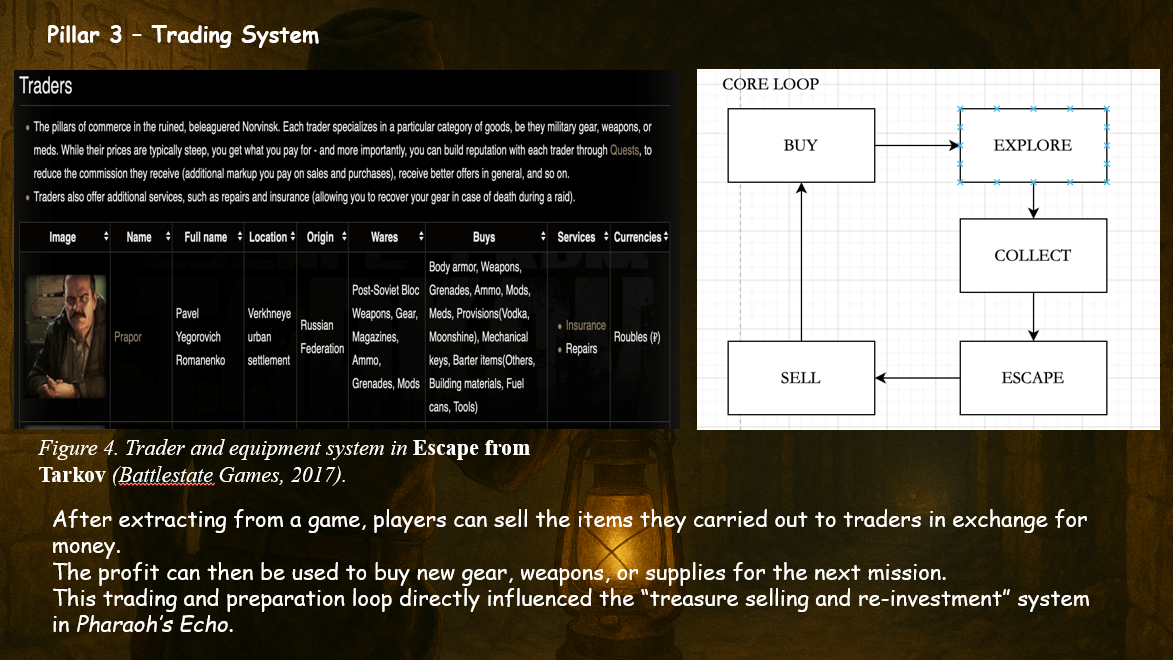
After returning home, I continued to develop my own game, clarified its design intent, core experience and three major design pillars, and presented these contents in the form of slides during the demonstration on Thursday.