Sports are another topic that I have decided to research, more specifically, sport culture. To begin this dive we have to look at the start.
Where do sports come from?

Sports culture has shaped societies throughout history. It fosters teamwork, discipline, and perseverance while reflecting a society’s identity. The origins of organised sports can be traced back to ancient Greece, where the Olympic Games began in 776 BCE in Olympia, honouring Zeus. These games were not just competitions. They were cultural and religious festivals that celebrated human achievement and unity, with victors seen as heroes.
In ancient civilisations, sports served spiritual and communal roles. The Greeks viewed athletic competitions as a way to honour the gods and exemplify arete excellence in body and mind. The first Olympic Games in 776 BCE established core values of modern sportsmanship, including fairness and respect (Kyle, 2014). These principles continue to influence events like the modern Olympics, revived in 1896 by Pierre de Coubertin to promote peace through sport (MacAloon, 2016).
During the Industrial Revolution, sports evolved from local pastimes to organised competitions. The growing urban population and increased leisure time led to the formation of clubs and leagues, like the Football Association (FA) in England in 1863, which standardised soccer rules (Guttmann, 2004). The rise of mass media in the 20th century further globalised sports, making athletes international icons and turning events like the World Cup and the Olympics into cultural phenomena.
How does sport culture change?
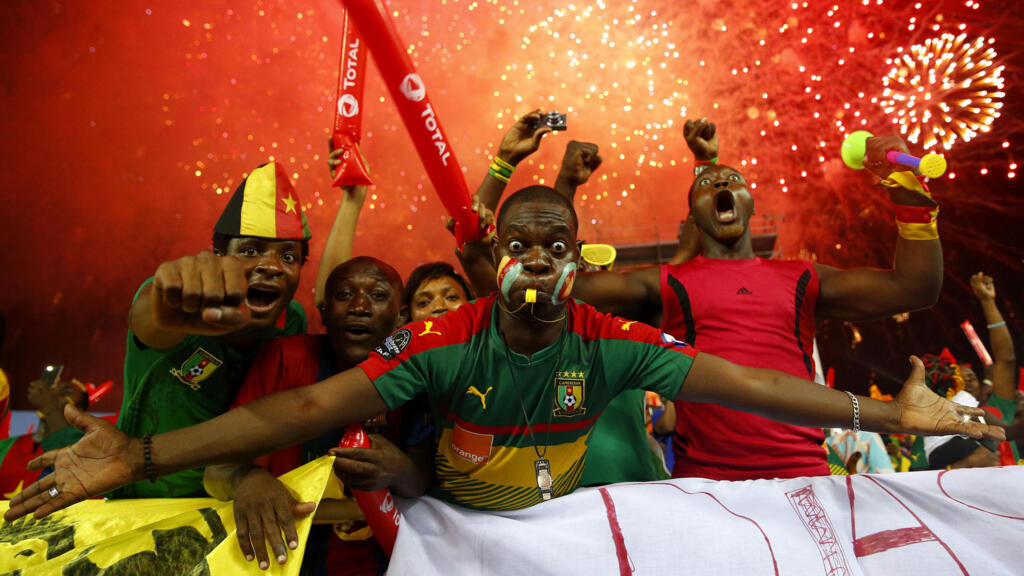
Football fandom in Europe is deeply intertwined with class, region, and history, creating a distinctive cultural landscape. In contrast, the United States has seen sports like baseball and American football cultivate strong followings at both the collegiate and professional levels, often reflecting city identity and family traditions. Across Asia, fan culture merges passion with ritual; for instance, Japanese baseball fans and Korean e-sports enthusiasts are celebrated for their organised chants and synchronised displays of support. Meanwhile, in Latin America, football fandom transcends mere sport and takes on a spiritual dimension, with clubs such as Boca Juniors and Flamengo symbolising not just athletic teams but also community identity and pride.
Guttmann, A. (2004) From Ritual to Record: The Nature of Modern Sports. New York: Columbia University Press.
Kyle, D.G. (2014) Sport and Spectacle in the Ancient World. 2nd edn. Oxford: Wiley-Blackwell.
MacAloon, J.J. (2016) This Great Symbol: Pierre de Coubertin and the Origins of the Modern Olympic Games. 2nd edn. London: Routledge.
Leave a Reply