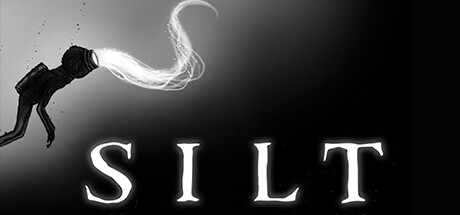
Silt
Genre & Tone:
Silt is a surreal underwater puzzle-adventure that leans into atmospheric horror, with a monochrome aesthetic and eerie world design. Players explore deep ocean environments by possessing sea creatures to solve puzzles and advance through the game’s strange depths.
Gameplay Focus:
The core mechanics revolve around puzzle-solving through creature possession and environmental exploration, with minimal UI and handholding. Its horror elements emerge from tone and visual design rather than jump scares.
Comparison to Dog Eat Dog:
Both Silt and Dog Eat Dog sit within narrative-driven puzzle genres with atmospheric elements. Dog Eat Dog shares the emphasis on environmental interaction and exploration, but it shifts the perspective to a land-based setting and introduces a distinct protagonist role as a dog, which influences movement and problem-solving in ways Silt does not. Dog Eat Dog also blends horror with emotional storytelling grounded in the relationship between the dog and its owner, whereas Silt focuses on mystery and mood in a more abstract sense.
Market Position:
Silt appeals to players who enjoy puzzle exploration with psychological or surreal tones, often comparing favorably to minimalist titles like Limbo and Inside. Dog Eat Dog, while atmospheric, pairs this with a stronger narrative hook and more relatable emotional motivation.
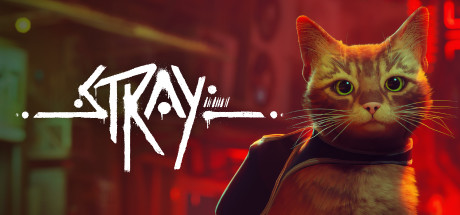
Stray
Genre & Tone:
Stray is a third-person adventure game where players control a stray cat navigating a ruined city inhabited by robots and hostile creatures. The narrative centres on survival and discovery as the cat seeks a way back to the surface.
Gameplay Focus:
Exploration, environmental interaction, light stealth, and occasional evasion of enemies define Stray’s gameplay. There’s a stronger emphasis on worldbuilding and narrative progression through interactions with the environment and supporting characters.
Comparison to Dog Eat Dog:
Both games share non-human protagonists and emphasise exploration from an animal’s perspective. However, Stray leans more toward traditional adventure mechanics, featuring light combat and evasion gameplay in a heavily narrativised city/world. Dog Eat Dog focuses on puzzle mechanics tied to the dog’s physical limitations, and its horror elements derive from the confined, deteriorating house and the vulnerable relationship with the injured owner.
This situates Dog Eat Dog closer to Stray in terms of emotional engagement, but with a different focus on puzzle-based progression rather than stealth or combat avoidance.
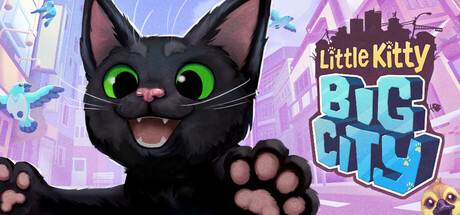
Little Kitty, Big City
Genre & Tone: Little Kitty, Big City is a lighthearted adventure in which players control a lost city cat as it seeks its way home, completing quests and interacting with a vibrant urban world. Its tone is playful and warm rather than tense or dramatic.
Gameplay Focus: Exploration, item collection, interaction with other animals and humans, and completion of small side quests. Unlike Stray, Little Kitty is generally danger-free, focusing on freedom and discovery rather than survival.Comparison to Dog Eat Dog:Little Kitty, Big City attracts players who enjoy casual, fun animal-centric gameplay with freedom and charm. Dog Eat Dog contrasts strongly here: it combines emotional stakes and tension with puzzle challenges and atmospheric horror. While both feature non-human characters and exploration, Dog Eat Dog targets an audience seeking deeper narrative engagement and environmental challenge rather than carefree exploration and mischief.
Leave a Reply