The level and prop design phase focused on building the core environment that supports the gameplay and overall tone of the project. Once the initial planning and rigging stages were completed, I moved into constructing the physical world of the game, starting with the main structural layout. This included designing and building the floor pieces, walls, and key architectural elements that define the space and guide player movement through the level.
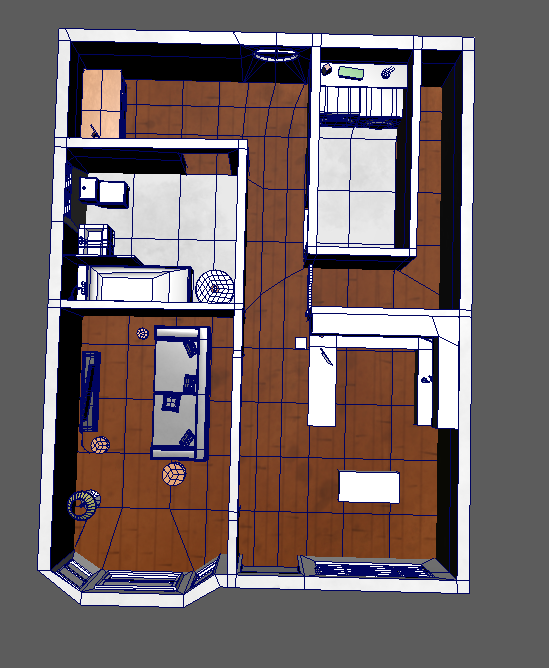
A modular approach was used throughout the environment creation process to maintain consistency and improve efficiency. By building reusable assets, I was able to quickly assemble larger sections of the level while keeping a consistent visual style across the environment. This also made it easier to adjust the layout during development, as individual pieces could be replaced or repositioned without needing to rebuild entire sections of the scene.

Alongside the main level construction, I developed a range of props to help populate the environment and add visual detail. These included smaller interactive and decorative assets designed to make the world feel more lived-in and believable. Creating these props allowed me to experiment with variation in scale, shape language, and composition, helping to break up the environment and avoid it feeling too repetitive or empty.

While the modelling process itself was relatively smooth, I found that texturing presented a much greater challenge. Achieving a consistent visual style across all assets required a lot of experimentation with materials, colour balance, and surface detail. At times, textures appeared too flat or did not integrate well with the lighting of the scene, meaning I had to repeatedly refine and adjust them to better suit the overall aesthetic of the game.

Through iteration and feedback, I gradually improved the quality and consistency of my textures. I began paying closer attention to how materials respond within the environment, particularly how lighting, contrast, and colour variation contribute to atmosphere. This helped me ensure that both the props and level design worked together cohesively rather than feeling like separate elements.
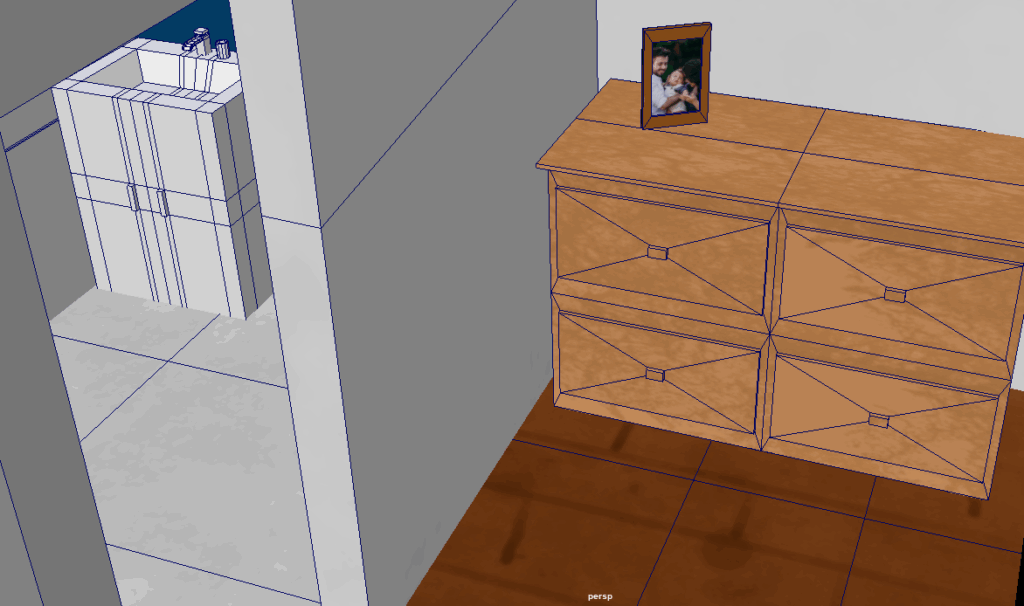
Overall, this stage of development was important in bringing the world of the game to life. It helped establish the visual identity of the project while also improving my understanding of environment design, modular workflows, and the importance of consistent art direction within a game pipeline.
The Playful Thinking module had a noticeable influence on my approach to level design, particularly in how I considered puzzle difficulty, player engagement, and the balance between challenge and clarity. One of the key areas I focused on during research was how to design engaging puzzles in relation to difficulty progression, ensuring that players feel challenged without becoming confused or frustrated.
A major principle I took from this research was the idea of gradual difficulty scaling. Early puzzles in the game needed to introduce core mechanics in a simple and intuitive way before layering complexity on top. This directly influenced how I structured the opening sections of the level design, where players are first exposed to basic interactions before being expected to combine mechanics or think more critically. By introducing concepts step-by-step, I aimed to create a smoother learning curve that supports player confidence and reduces early drop-off.
Another important concept from Playful Thinking was the importance of player discovery. Rather than explicitly explaining every mechanic, I tried to design spaces that encourage experimentation and exploration. This can be seen in how certain interactions were left for the player to uncover naturally, such as movement between camera states or environmental triggers. The intention behind this was to create moments of curiosity and “aha” discovery, where players feel rewarded for figuring something out on their own. However, my playtesting also showed me that this needs careful balancing, as too little guidance can lead to confusion rather than engagement.
I also explored the relationship between challenge and frustration. Research in engaging puzzle design highlights that difficulty should feel fair, meaning players should always feel like failure is the result of misunderstanding the mechanic rather than unclear design. This influenced how I approached iteration within my levels. When players struggled during testing, I began reassessing whether the issue was complexity or communication. In several cases, I realised that mechanics were understandable in theory but not clearly presented in practice, which led me to adjust layout design and introduce more environmental hints.
Additionally, Playful Thinking encouraged me to think about pacing within gameplay. Instead of presenting continuous difficulty, I structured the level experience to alternate between moments of tension and moments of relief. This helps prevent cognitive overload and gives players time to reflect on what they have learned before introducing new challenges. This pacing approach was especially important in my puzzle sequences, where players often needed time to experiment before progressing.
Overall, the module helped me move beyond simply creating puzzles and instead think more critically about how players experience them. It reinforced the importance of designing with the player in mind, ensuring that difficulty feels purposeful and rewarding rather than arbitrary. While some of my original ideas leaned too heavily into obscurity and discovery without guidance, the principles from Playful Thinking helped me refine these ideas into a more balanced and player-friendly design approach.
Leave a Reply