What I Did This Week
This week we held our second public playtest. The session took place at the WSA student café and lasted for about two hours, during which many students had a go at playing Soul Keeper. For me, the most important aspect of this playtest was not so much showcasing the game, but observing how players would interpret this world.
Particularly in terms of interaction, environmental guidance and narrative understanding, the players’ reactions differed significantly from our own assumptions during development.
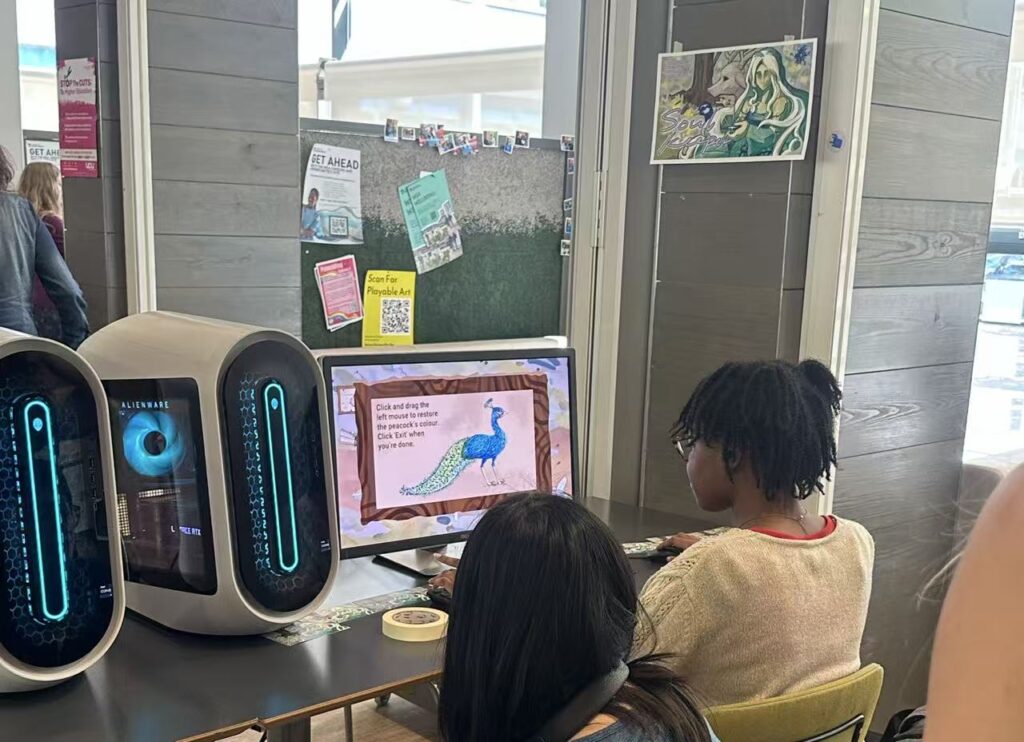
Process
After the test, the team members compiled the playtest feedback and recategorised the various issues.
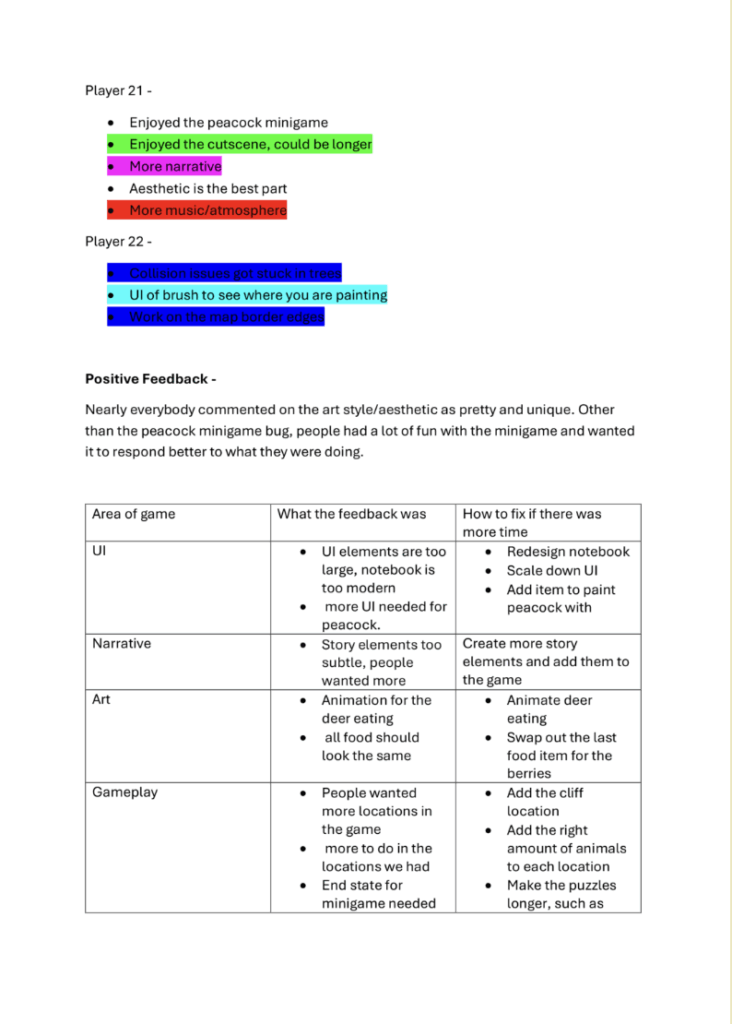
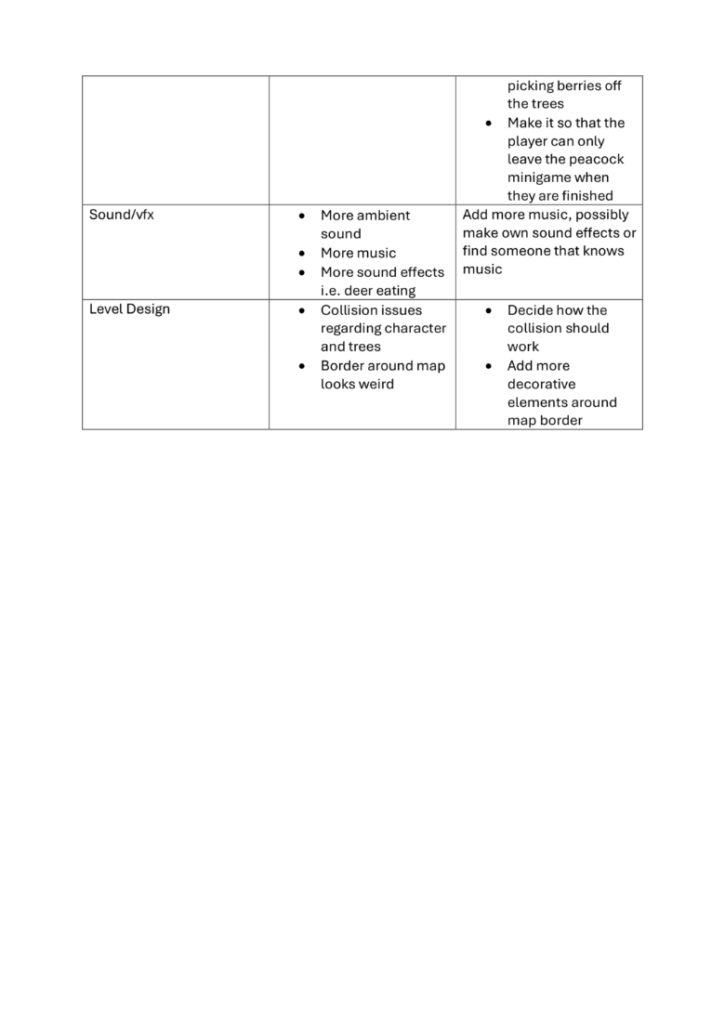
Whilst reading through this feedback, I began to notice that many of the issues actually centred on clarity and player guidance. For example, players were sometimes unsure how to interact with elements, and would overlook important objectives due to issues with the UI or visual focus.
Some feedback also mentioned the narrative being too subtle, certain areas of the environment being unclear, and some gameplay cues not being obvious enough. This led me to rethink world design as being more than just atmosphere. The environment itself, in fact, also needs to help players understand the space, discover objectives, and know what to do next.
Aside from the issues, many players also mentioned that the art style, sound atmosphere, environmental aesthetics, and the overall feel of the world were quite unique. This made me realise that, although there is still much to refine in the gameplay, players are at least already able to sense the atmosphere and emotional tone of the world itself.
Reflection & Learning
This playtest has gradually made me realise that just because the designer understands something, it doesn’t necessarily mean players will grasp it naturally. In the past, I used to focus more on world-building, narrative atmosphere, and visual consistency.
But now I find myself thinking more about whether players might get lost, whether the interactions are clear enough; whether the environment truly guides the player; and whether the UI affects immersion. These issues actually all influence how players engage with the world. I’ve also come to realise that the most important aspect of playtesting is not merely gathering feedback on ‘likes’ and ‘dislikes’. More often than not, it involves observing players’ actual behaviour to identify which design elements have not been successfully communicated.
Leave a Reply