Category: Weekly_Diary

  • Finals

    About the final playtest.

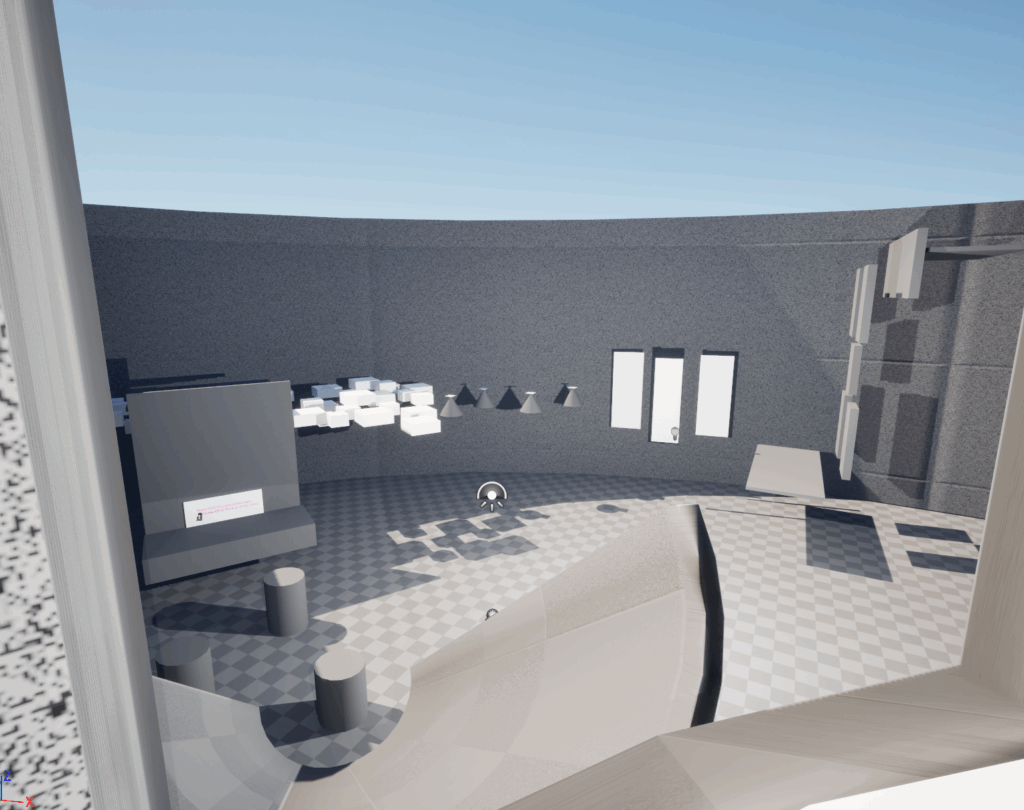
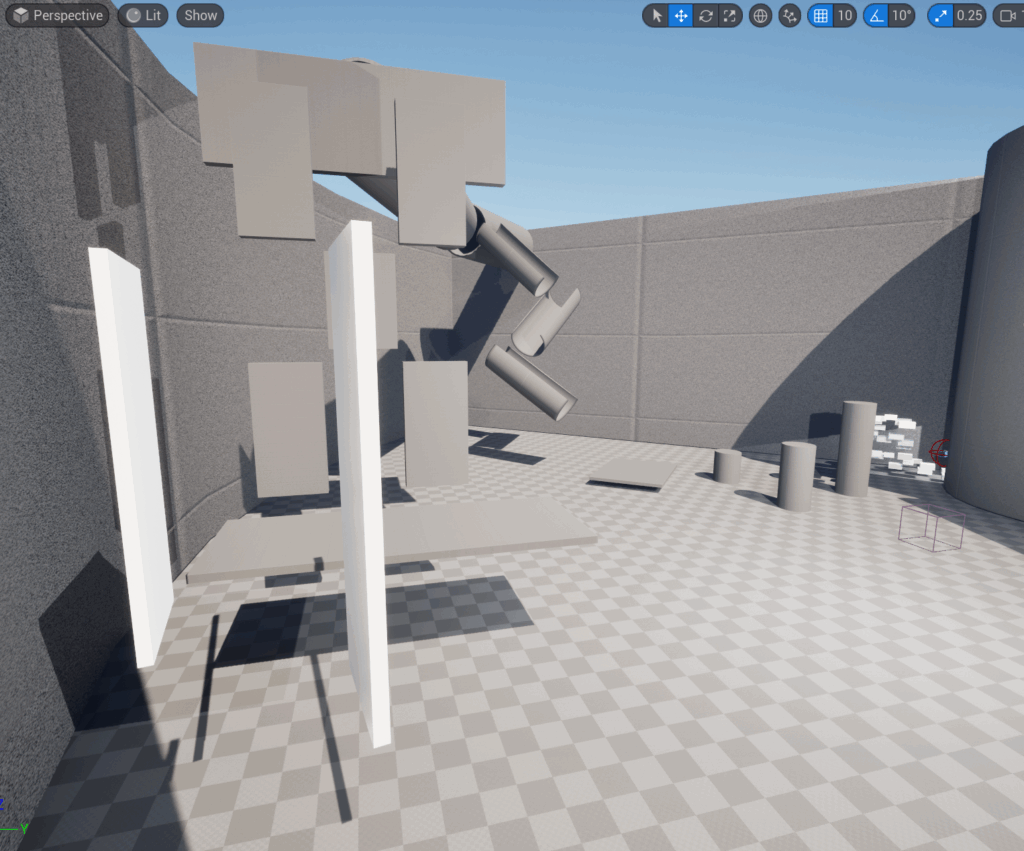
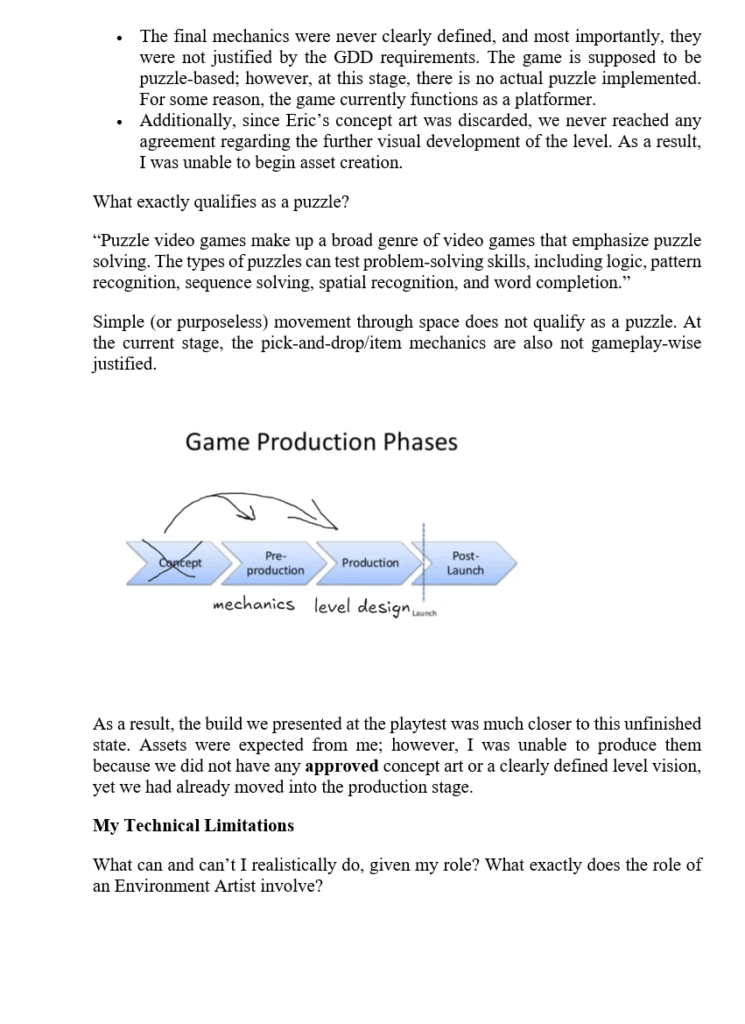
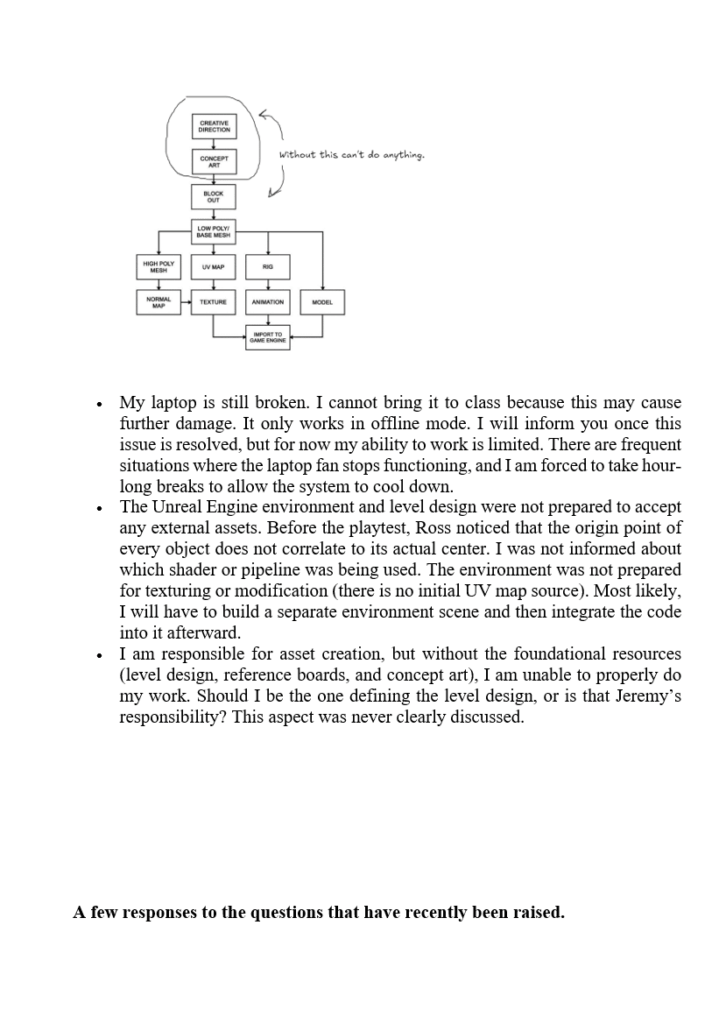
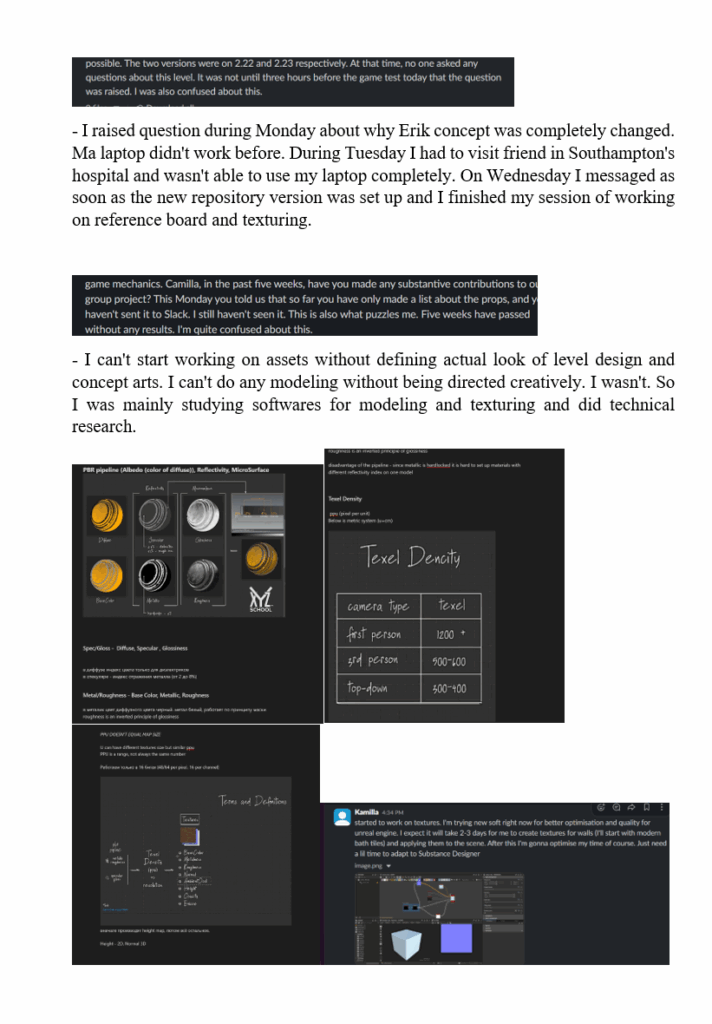
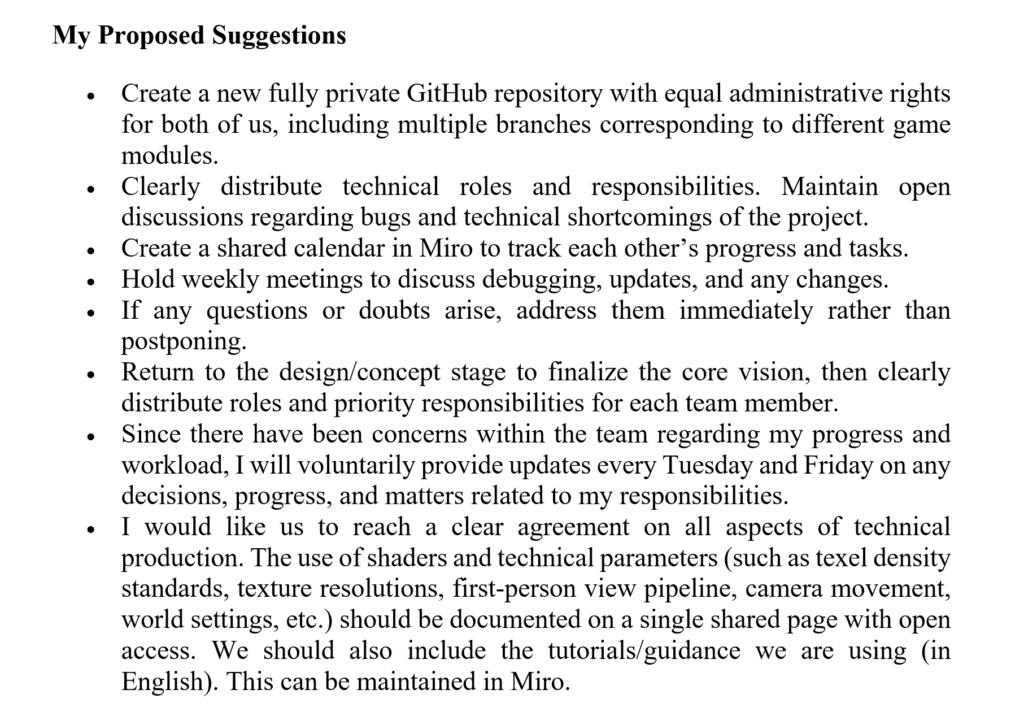
    During the final playtest, I encountered a situation where my work was essentially absent during testing and was represented entirely by a third-party version on different exe file. World Designer didn’t fully utilize the assets I’d created, despite having prepared materials for them and a 24-hour playtest deadline. Version I created did not compile properly with playable version that included main mechanics due to bugs that occured on my level. The solution would be copy and pasting models and materials I did to the main level, but by unknown for me reason World Designer were not able to do this.There also was a failure to apply the shader, so at the end Designer overlayed my textures on his own graybox scene and small part of my assets, where the models weren’t prepared for texturing.

    Unable to resolve this situation in the short term, I decided to focus on the final feedback on my visuals from others and to critically reflect on what I could improve in order to minimize similar issues in the future, considering that they also impact my personal relationships with team members.

    Why did this happen?

    1. Miscommunication. I failed to clearly communicate my position to the team, and coupled with the language barrier within the team, this led to situations where issues weren’t resolved, because discussion were dismissed.
    2. Underestimating deadlines. By submitting the work the day before the playtest, I assumed that a full day would be enough to complete the set-up scene. However, this estimate was based on my own skills and understanding of working in the engine, while the person responsible for compiling visuals didn’t have the opportunity to work at the same pace. This was partly due to the communication issues mentioned above.

    Final Result

    Personally, I was disappointed that we did not put together a final version of the game that would incorporate all the iterations across all aspects. The separation between visual and technical concepts greatly undermined the perception of people who tested our game. However, despite numerous difficulties and disappointments during development and the stress of the final playtest, I learned many lessons along the way. I feel like I’ve made significant progress in 3D modeling and have become accustomed to the core pipeline I must adhere to during development.

    Final conclusions and room for improvement:

    • Control and time management
    • Activity in social interactions
    • Conflict resolution skills
    • Better planning and awareness of the workload
  • Week 8 and 9

    These two weeks before the final playtest were the busiest and involved a lot of technical work.

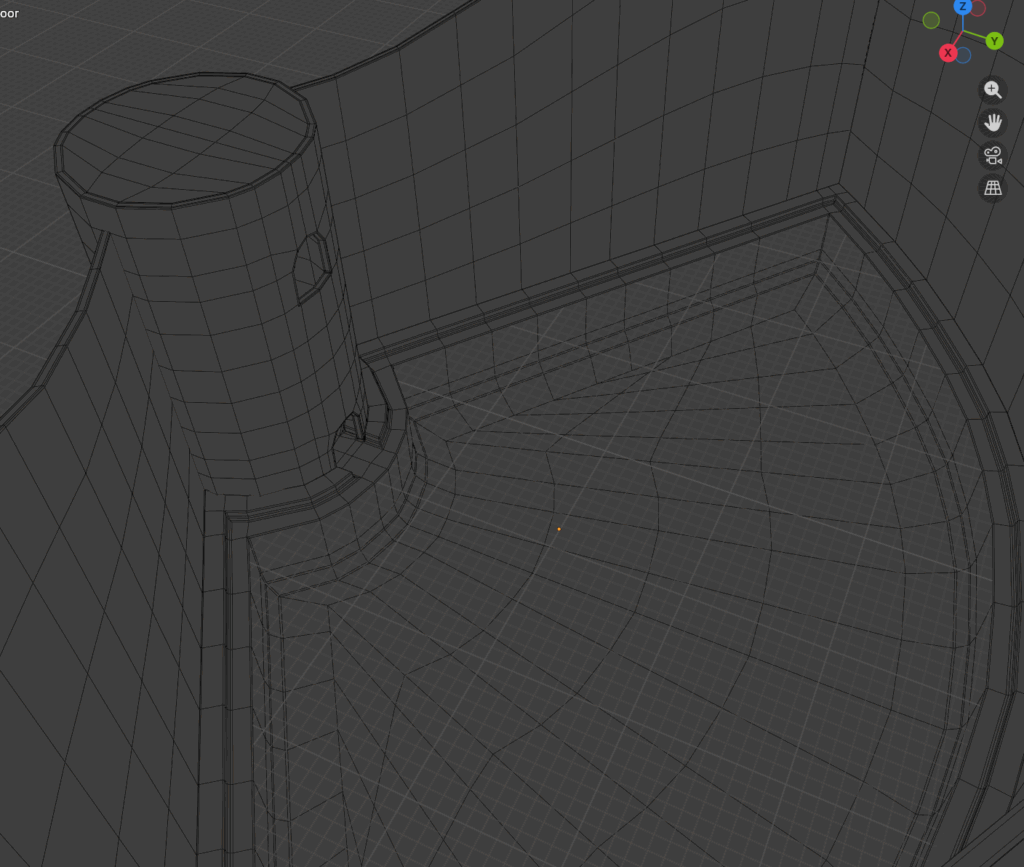
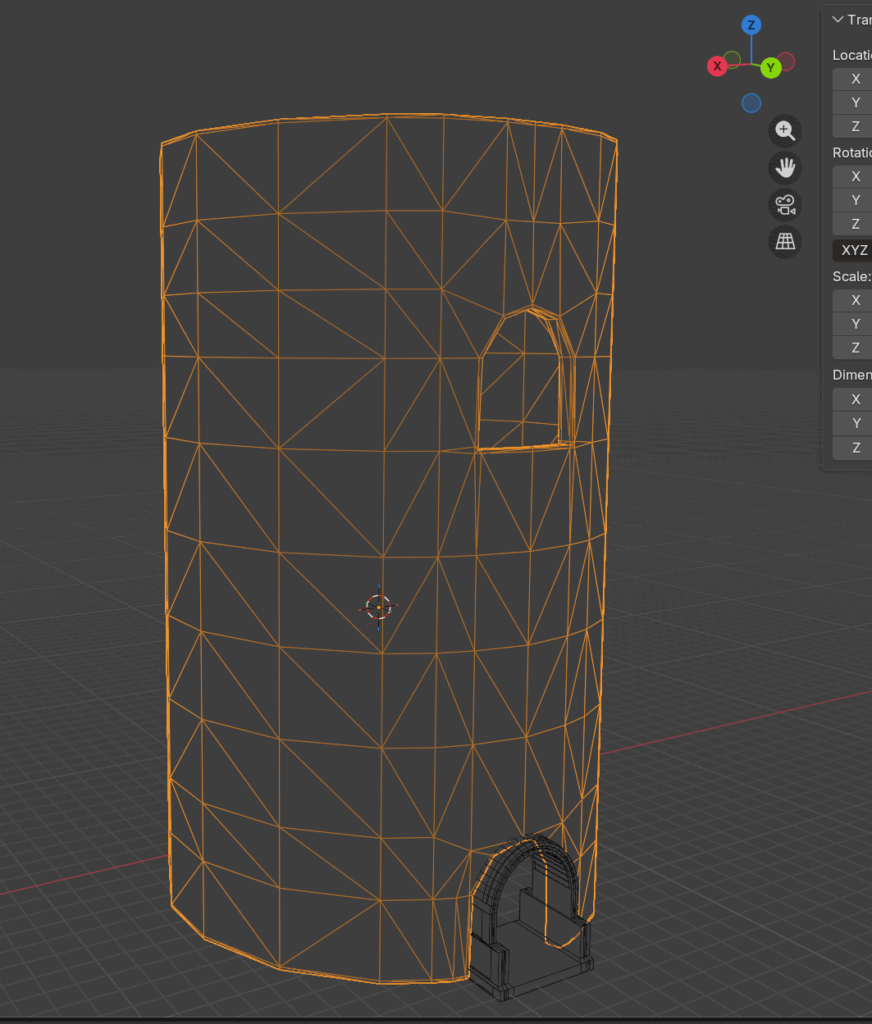
    I needed to transform the models I’d created into game assets, specifically, to create the correct topology on the models, creating a mid-poly version. I chose this approach because I didn’t think it was necessary to seriously optimize the scene at this stage and create low-poly models for LODs, and high-poly was unnecessary because the shader significantly reduced the aspect of many details.

    For the future, I also noted that it’s vital to check each model in triangulation format, because when exporting some models, I encountered serious rendering artifacts or complex UV mapping, which ultimately took me longer than I planned. But in most cases, I was quite pleased with the results.All game engines triangulate models automatically, unlike 3D software, which simplifies the visuals to make the modeling process easier. In some situations, this can seriously backfire and roll back progress.

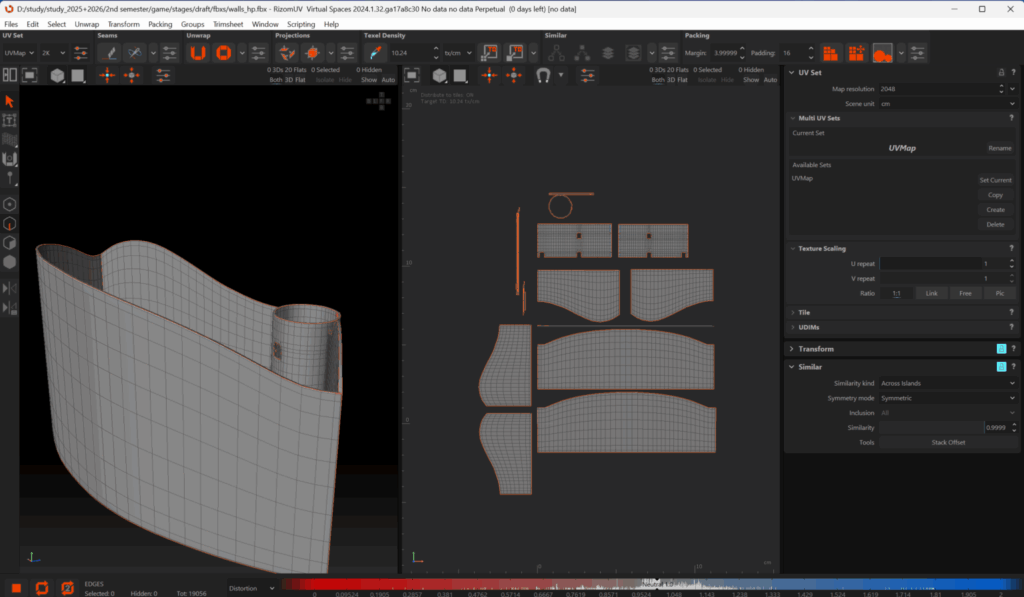
    After the retopology stage, another challenge was UV unwrapping the models. I already had experience with this and didn’t expect to encounter any major difficulties, but it turns out UV unwrapping tiled environment models is significantly different from the props I’m used to. The main difficulty may be correctly determining the scale, specifically the texel density, and ultimately, I think this is a serious knowledge gap that I’ll have to catch up on in the future.
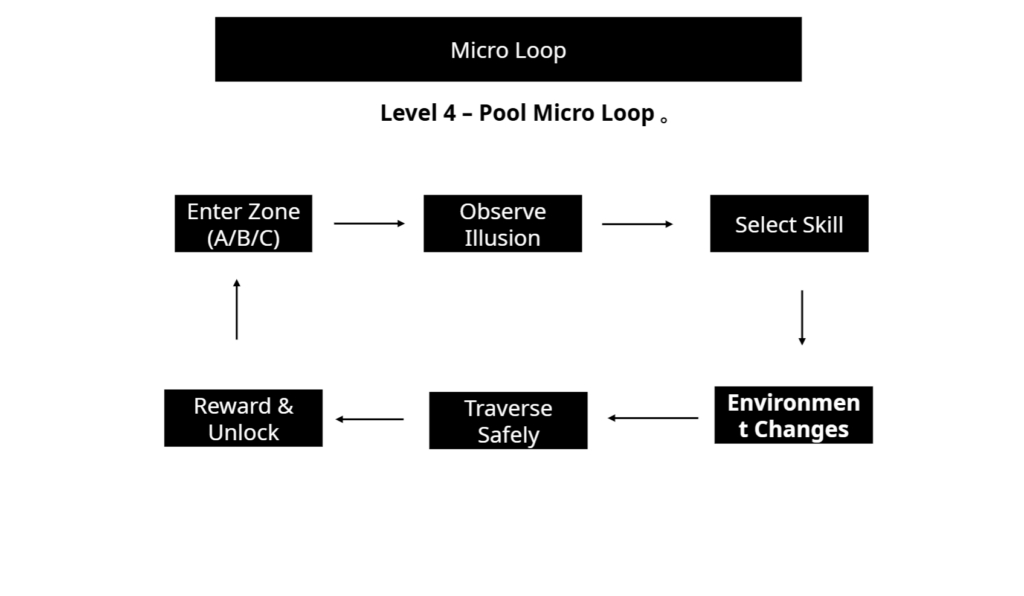
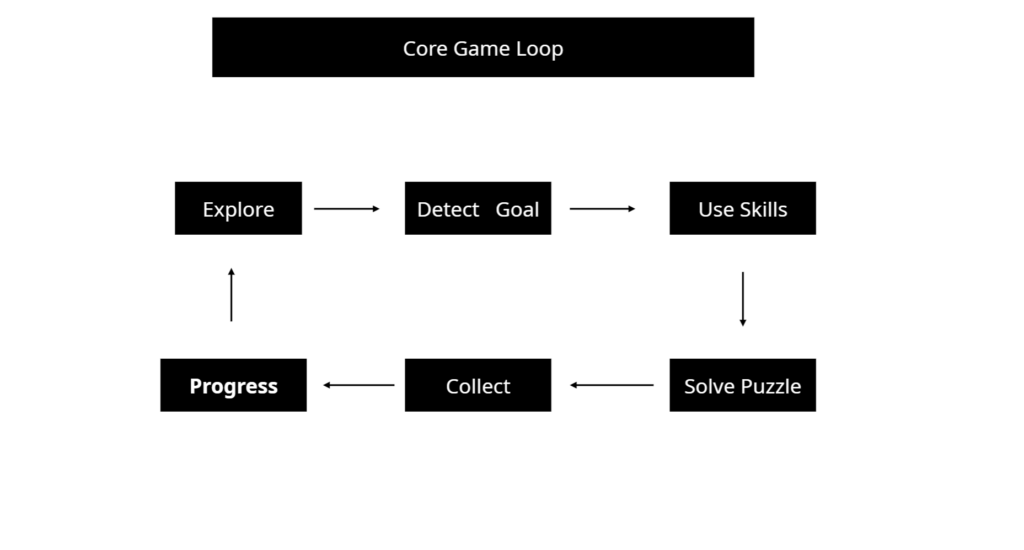
    Week 9 was spent in express mode, where I had three days before the playtest. I fully immersed myself in scene assembly, material settings, and creating a tone shader.

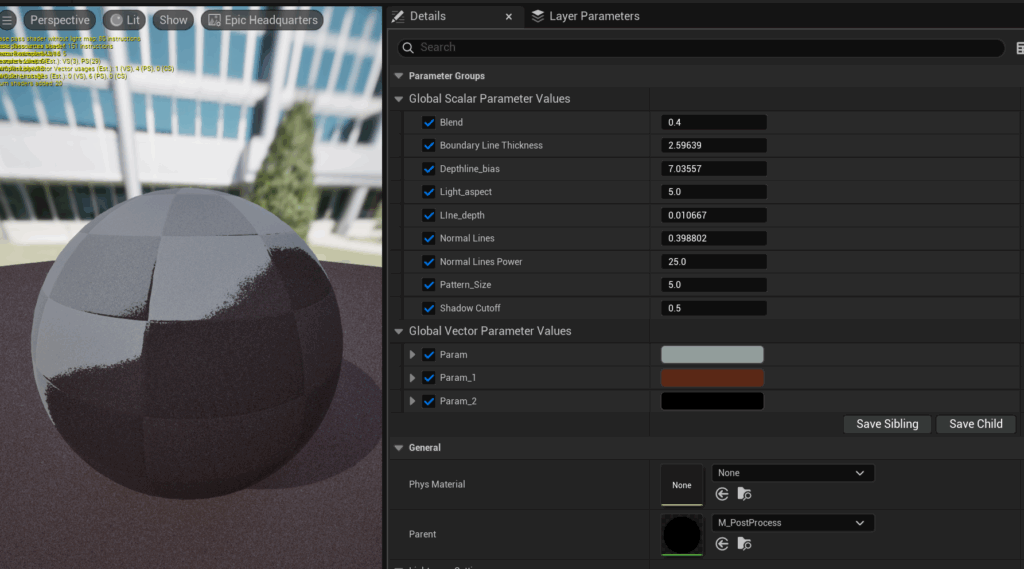
    Setting up materials and exporting wasn’t difficult, but the shader was a challenge given the short deadline and my very limited familiarity with the UE5 engine. Using several tutorials, I created a post-process material that should have made things easier, but due to version differences, this also introduced numerous bugs that I had to fix manually and search for solutions on forums or in the manual.

    shader set up

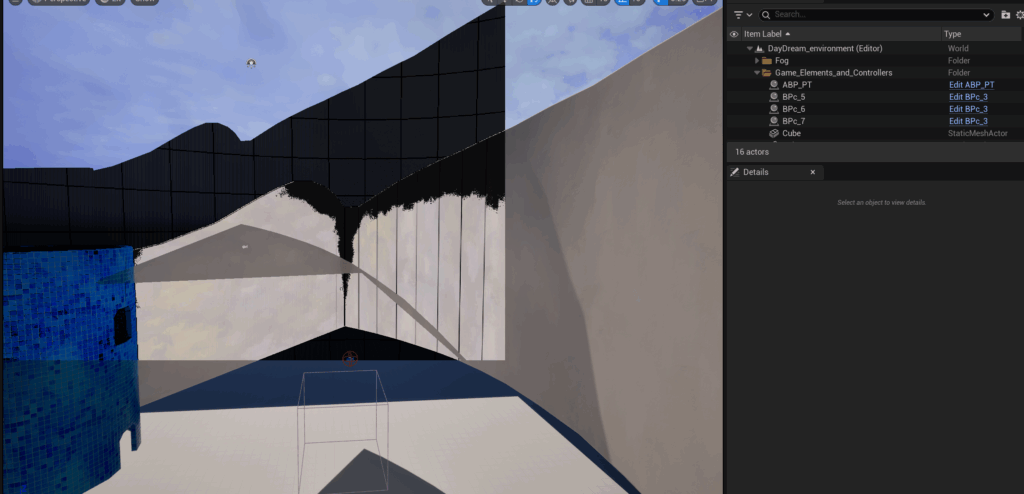
    The most frustrating issue, which took me about a day to resolve, was the incorrect placement of the post-process itself, preventing the shader from applying directly to the geometry and duplicating the appearance. As it later turned out, the issue was related to incorrect use of scene textures nodes, and I had to find an alternative of what was presented in the tutorial.

    ugly bug :c

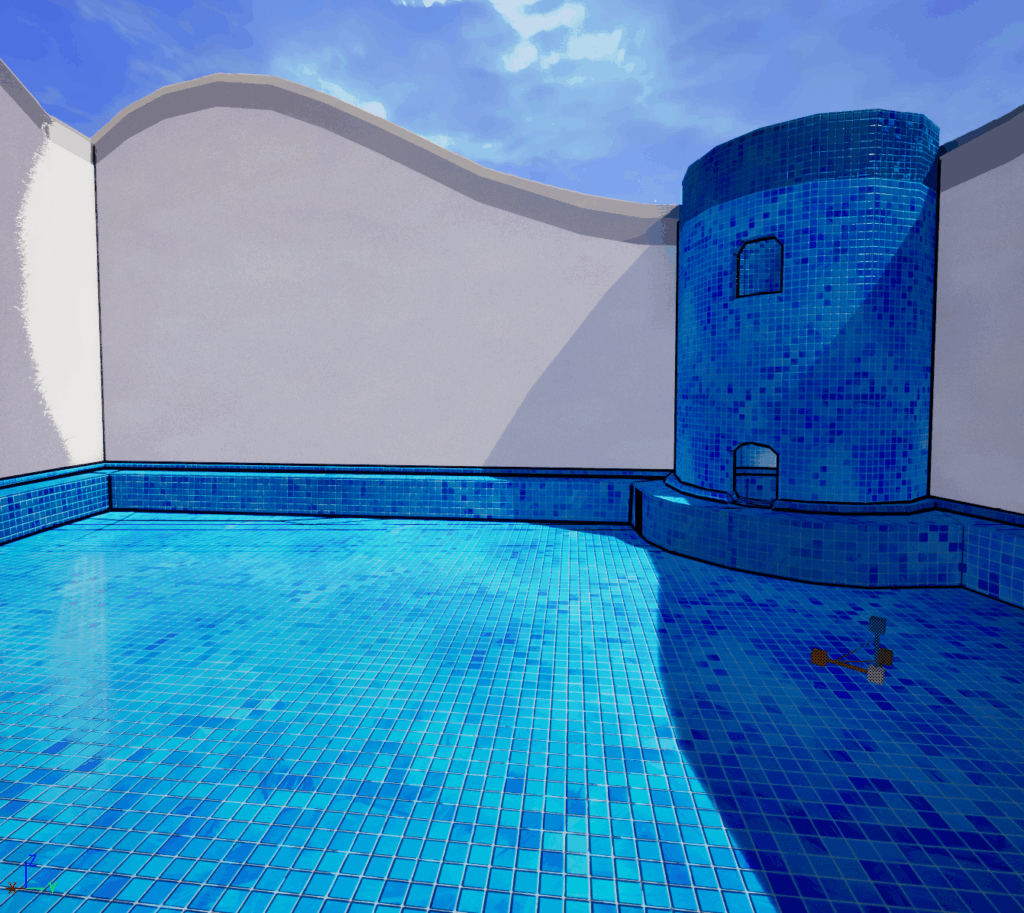
    fixed version

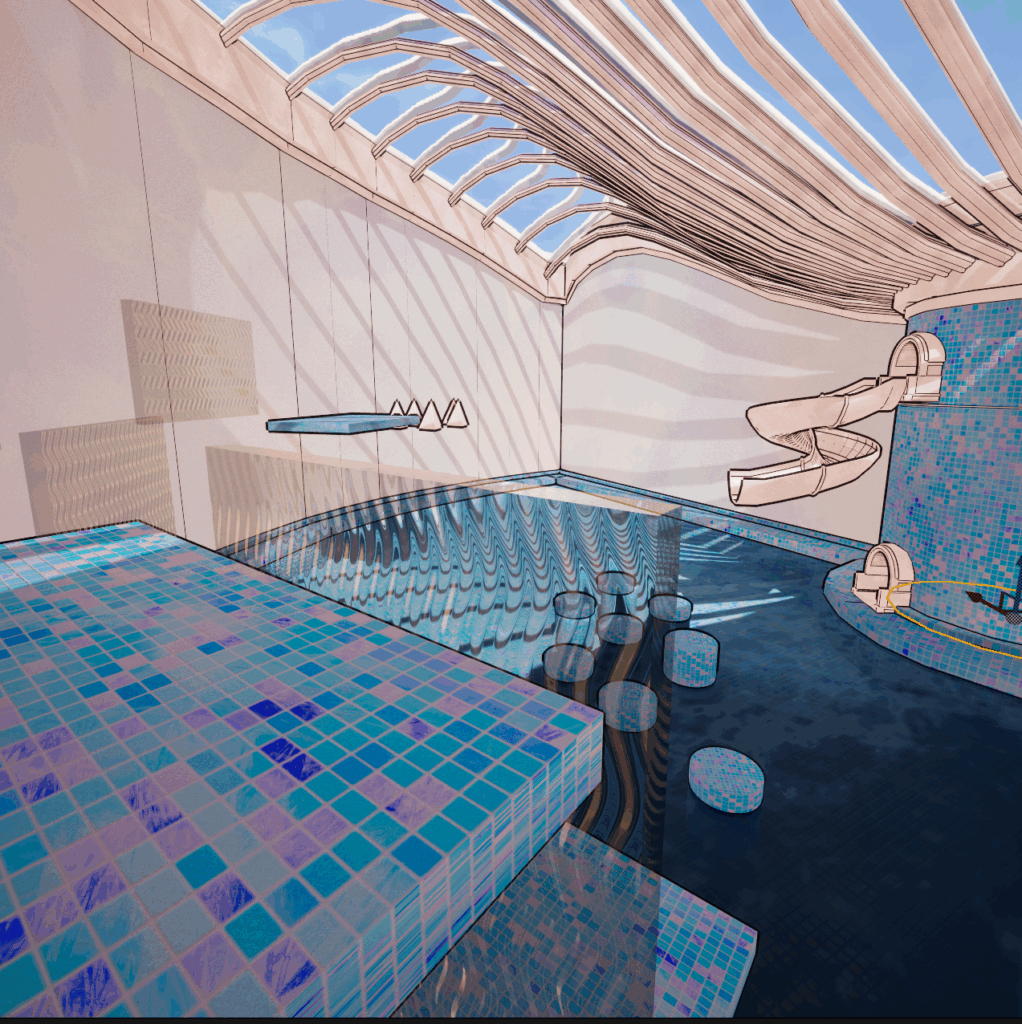
    Final!

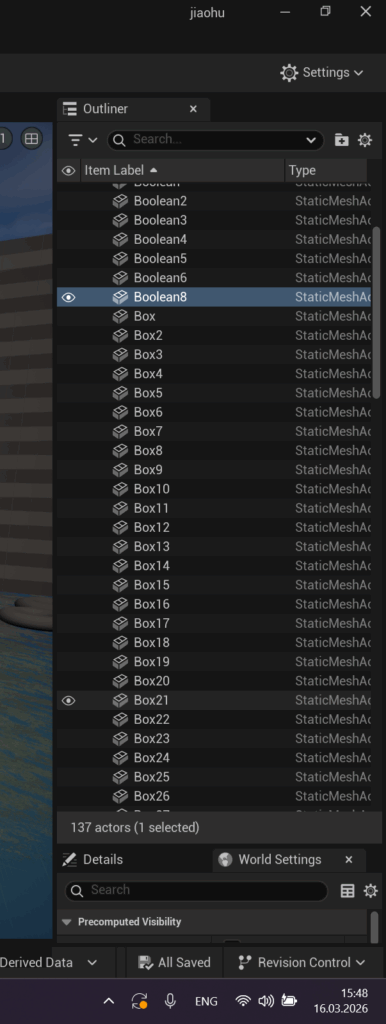
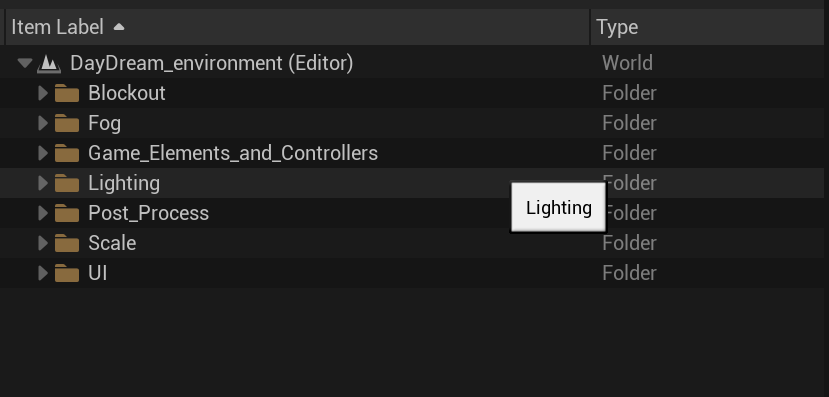
    I was pleased with the final result of the work, including the shader. I arranged the assets in the scene and organized them into folders along with the materials, making it easier for the world designer to assemble their level design and transfer it to the main level. I also created an instance for the shader so that it could be flexibly customized.

    I submitted my work the day before the playtest so that other classmates could compile everything necessary and commit the final result.

  • Week 7

    In week 7, I was actively modeling all the necessary assets that would later be added to the final scene. I used Blender exclusively for this, and all modeling took place there, from the draft stage to the final details.

    After completing the draft, I set up the scene and recorded the very first version of the environment, then uploaded this version to GitHub.

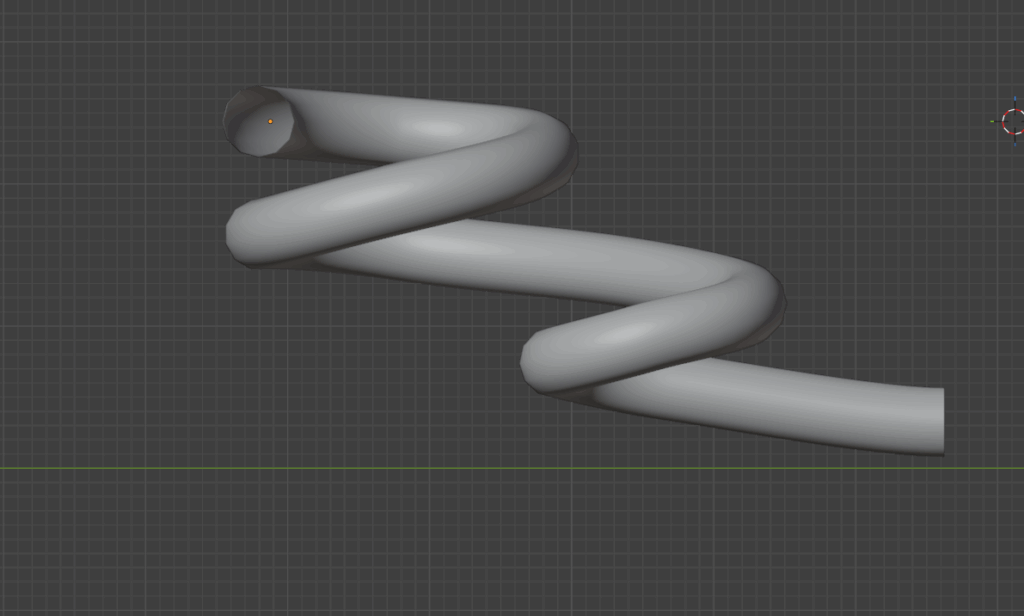
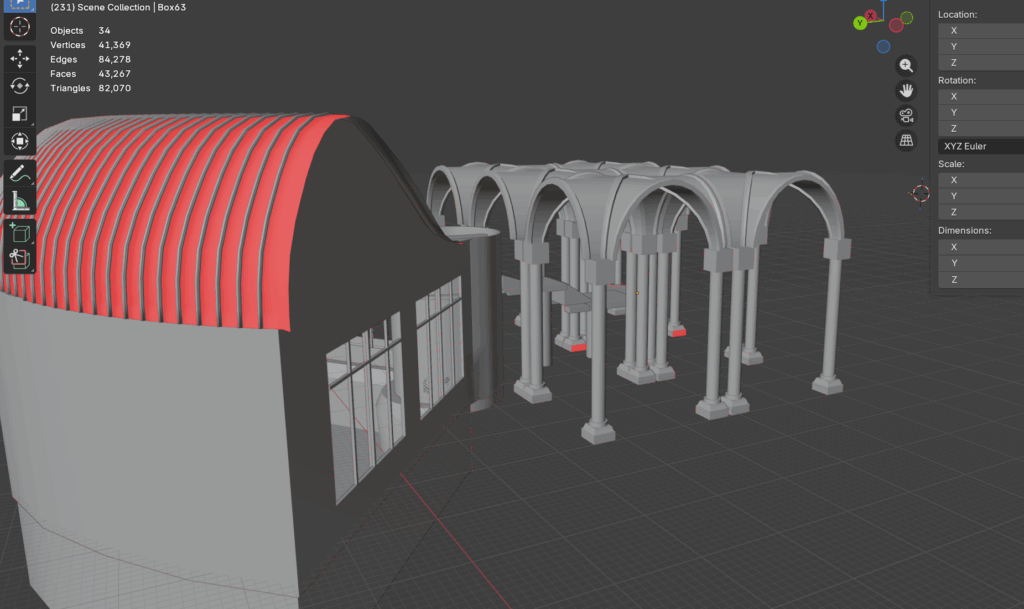
    Photos of the modeling process:

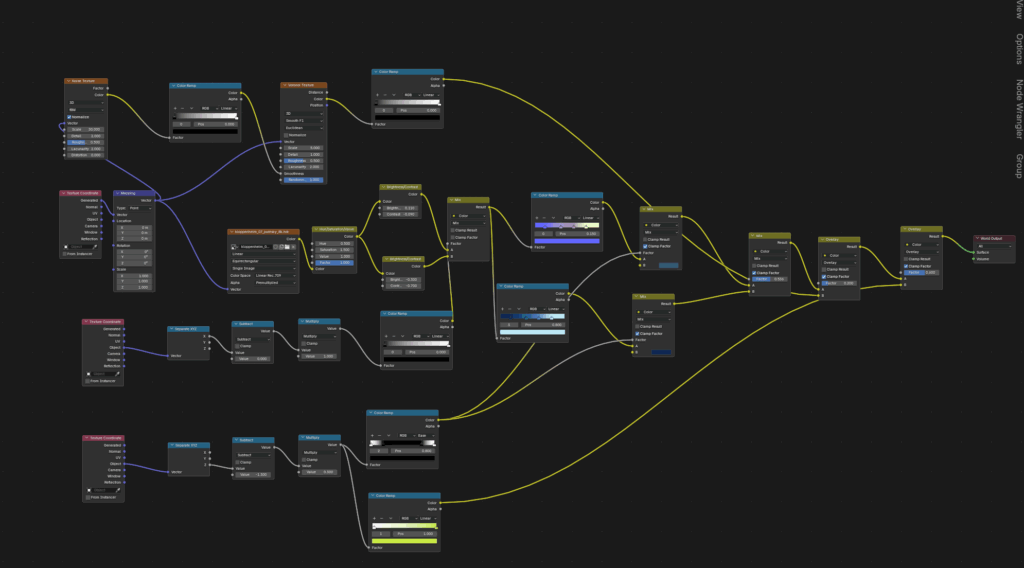
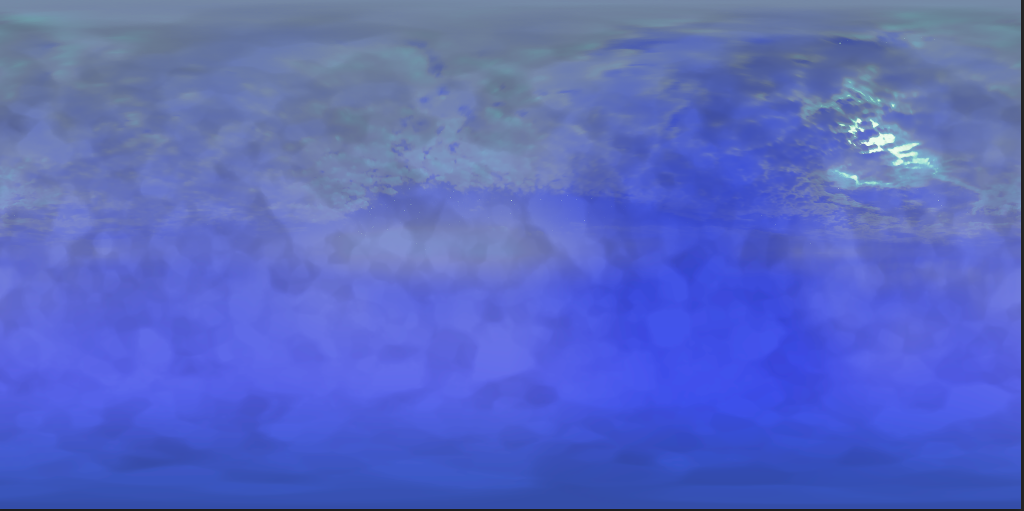
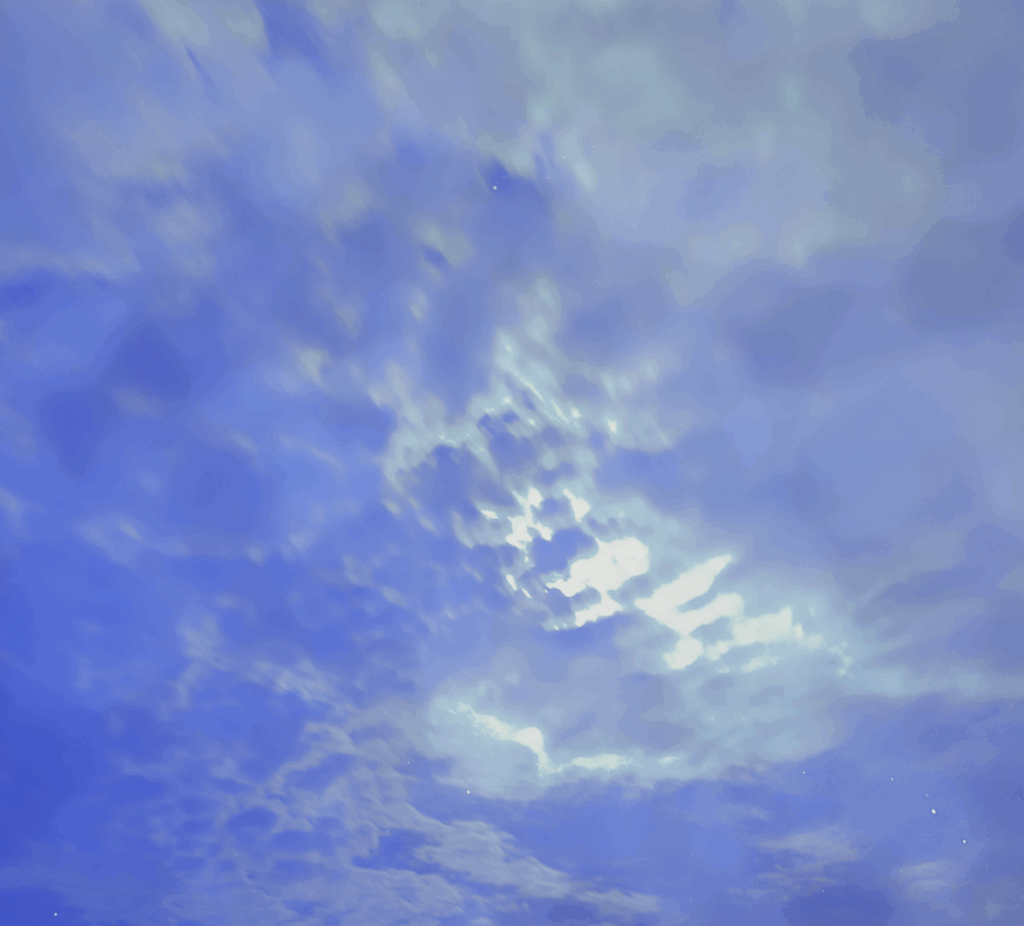
    Besides modeling, I also created a custom skybox (because the scene required part of the level to be open, due to the glass roof). I didn’t like the free options I found online because they all seriously clashed with the style, so I ended up creating my own version based on a photorealistic HDRI map using shaders and composing in Blender.

    rendered hdri map

    skybox in UE5

  • Week 6

    To make the level fit Eric’s proposed final level design, I created a separate variation of the level design, testing it myself several times in an attempt to make the experience more engaging. During one playtest, we received feedback that the level felt both easy and unintuitive. Since I’m not involved in mechanics development, I doubt I’ll be able to fundamentally influence these aspects, but I tried to create a more challenging variation of the track. The lack of a death system and checkpoints is unfortunately absent from the game, so I honestly doubt it will make it into the final release. I also feel I shouldn’t push possible changes in Level Design because it interferes with work of other team member, while we already hava tense communication. However, creating a personal route like this gave me a better idea of ​​how I would have to visualize the level

    I also tried to somehow organize the chaotic scene of our level to make it easier to work on the visuals later. The final version I installed from GitHub already included two levels with radically different variations, and I found it difficult to navigate them, so I tried creating a separate level purely with visual elements that could then be easily transferred to the other version in a short time. To do this, I also need to constantly keep in mind that all the assets and materials I create must be well-structured for other players.

    first version of scene layout

    new layout structure

  • Week 5

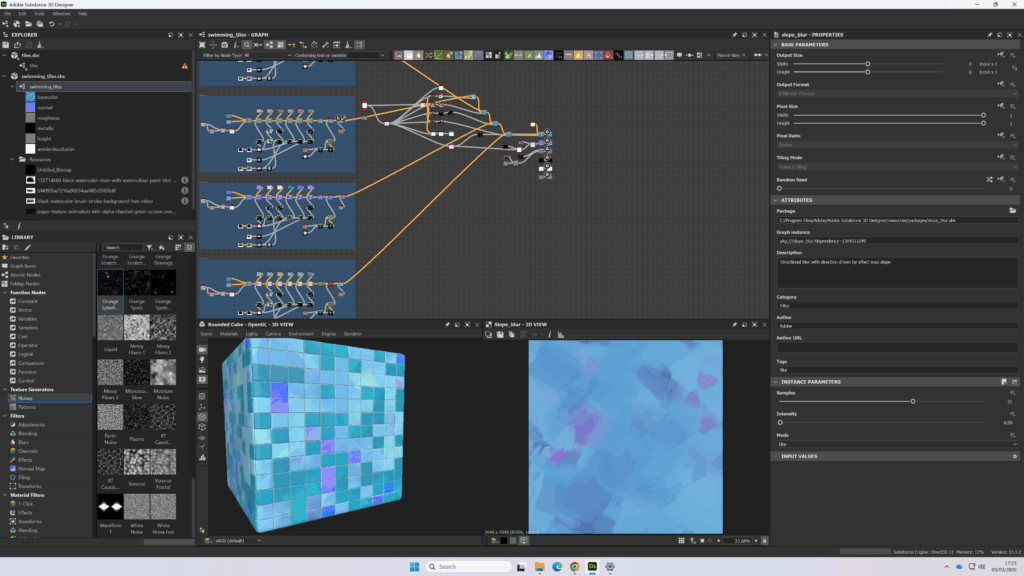
    This week was spent entirely on working with textures and defining their appearance. Since the game used tiled textures, most of the textures were created using procedural texturing, which actually simplifies the work considerably.

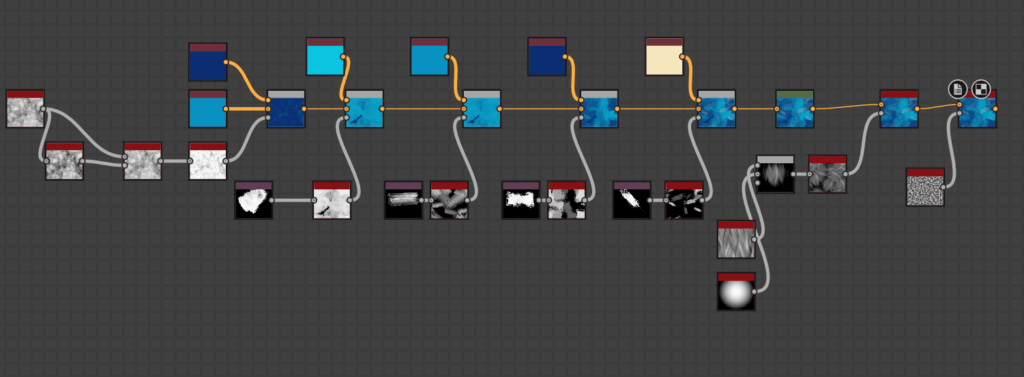
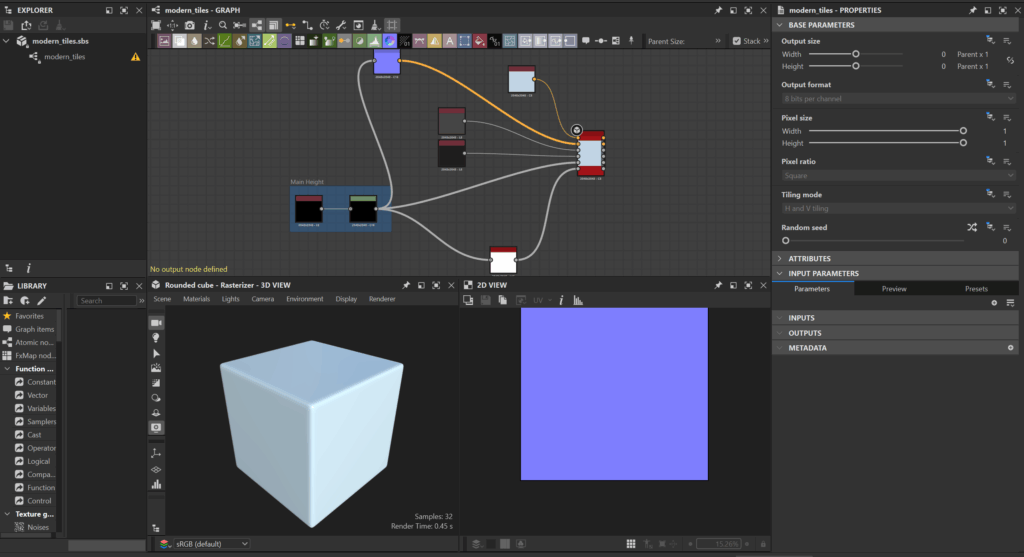
    The main part of the final node piece was a system created by blending several colors and patterns simulating brush strokes to create the impression of a painted texture. Substance Designer is initially a free program for students via Adobe Cloud thanks to the uni, but I also had to acquire the EzSplatter node on Artstation to copy the patterns randomly across the texture. The most important thing is that I will apply this principle in the future to all tile textures I create, so polishing it now savin a lot of time for me later.

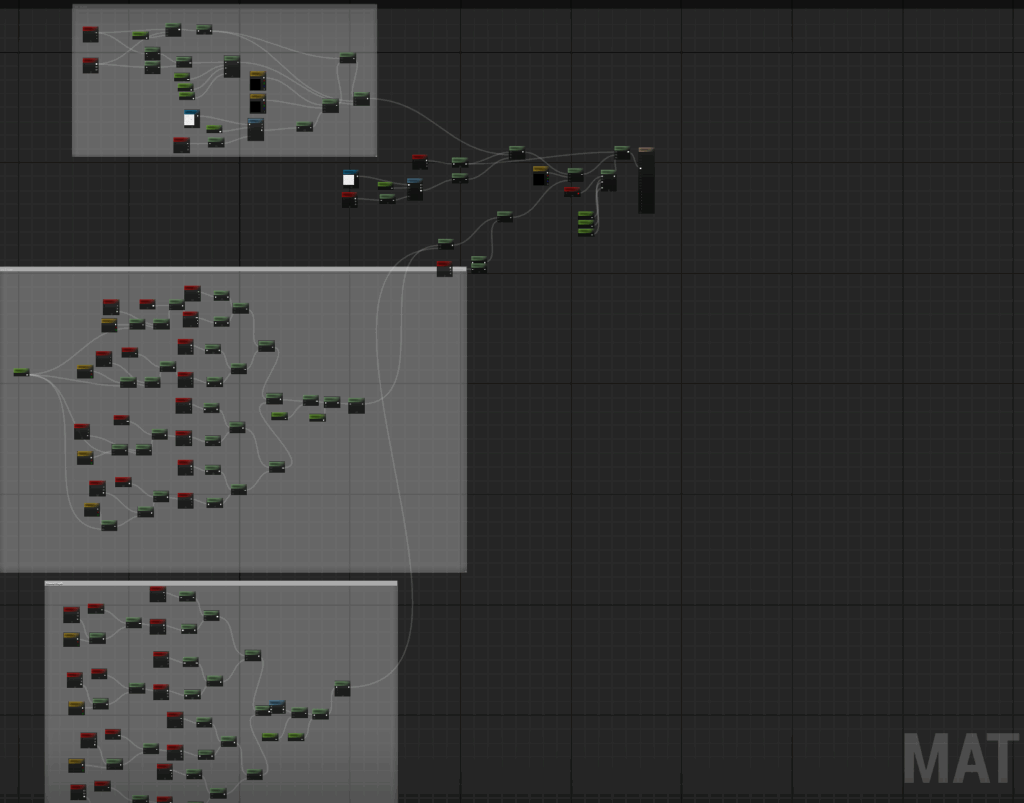
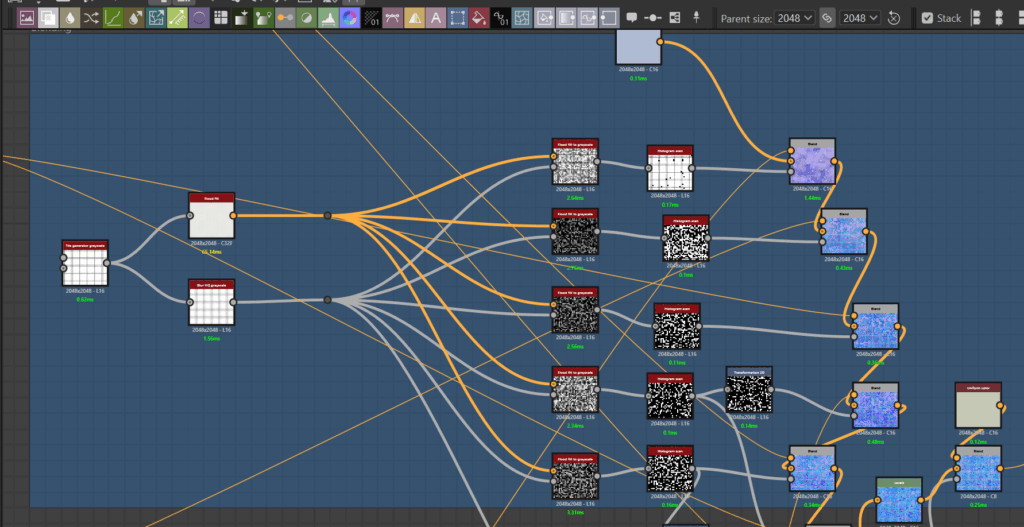
    The final work looks quite confusing at first glance, but in fact, a significant part of this “spaghetti” is the repetition of the same principle of blending different colors, brushes and patterns to create each part of the texture, and then mixed with tile generator and multiple masks to layer each color on each segments, creating unique pattern.

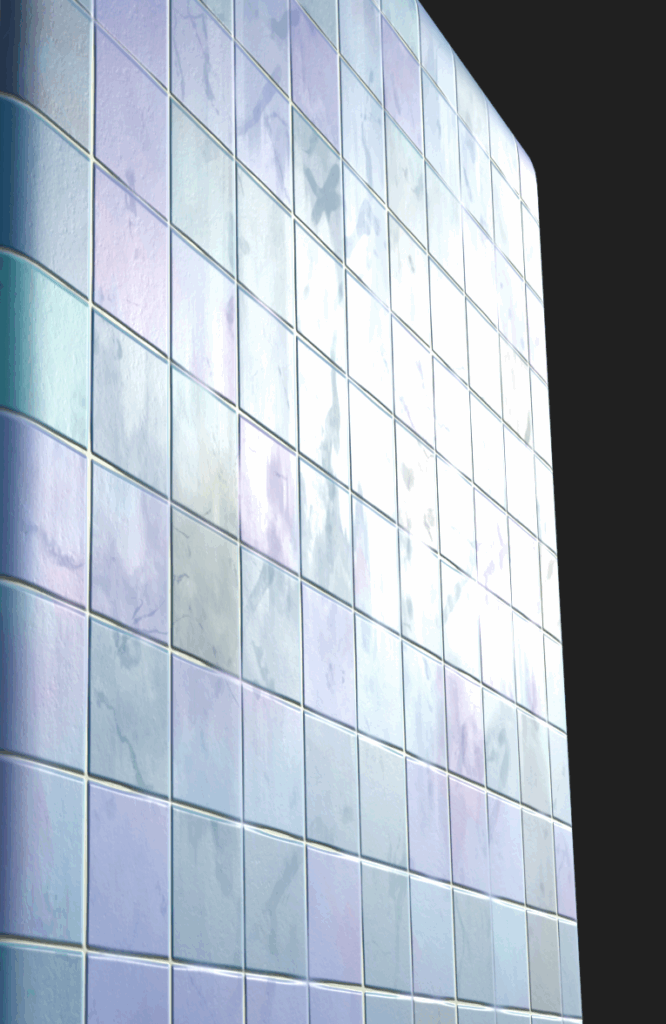
    In the end, the work followed the standard PBR pipeline—creating normal and roughness maps—and I was very pleased with the final result. Combined with the future shader, the material should be a cross between realism and stylization.

  • Week 4

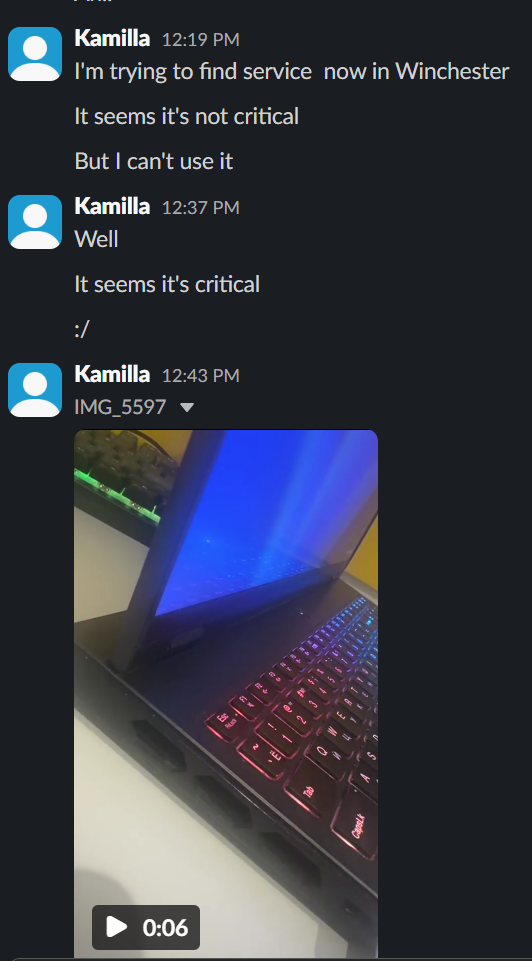
    Probably the worst thing that could have happened during this semester was my laptop broke (additionally, the breakdown occurred on February 21st, and it was repaired around March 15th). This immediately led to many problems.

    • I couldn’t access the texturing course because my email was only accessible on my laptop.
    • The templates I had been preparing in Substance Designer became unavailable.

    I had access to computers at the university, and I partially took advantage of this, but it also presented many difficulties. From making numerous mistakes when exporting textures to Substance Designer, which led to numerous problems, to the fact that I found it very difficult to work in a digital space that I hadn’t organized. Before this situation, I never even suspected that I could have difficulty adapting to a different workspace, and this led to me working exclusively on texture creation until my laptop was repaired.

    I told my teammates about this while they were preparing for the first playtest. By this point, the other team members had already decided on the mechanics they would try to realise on Unreal Engine 5 via Blueprint, and the world designer was working on the first version of the greybox. We decided that I wouldn’t have time to prepare the visuals anyway. At our final meeting, we discussed what should be included in the playtest and our responsibilities for the visuals.

    To find an alternative to the course I didn’t have access to, I started exploring shaders in UE5, and I based my research on this rather detailed tutorial. At one point, it also became an alternative to the texturing course, as it partially provided a pipeline in Substance Designer. I thought a similar style would also fit well with the visual code of our game, although I didn’t try to copy the visuals exactly, opting for a brighter color palette and more realistic lighting.

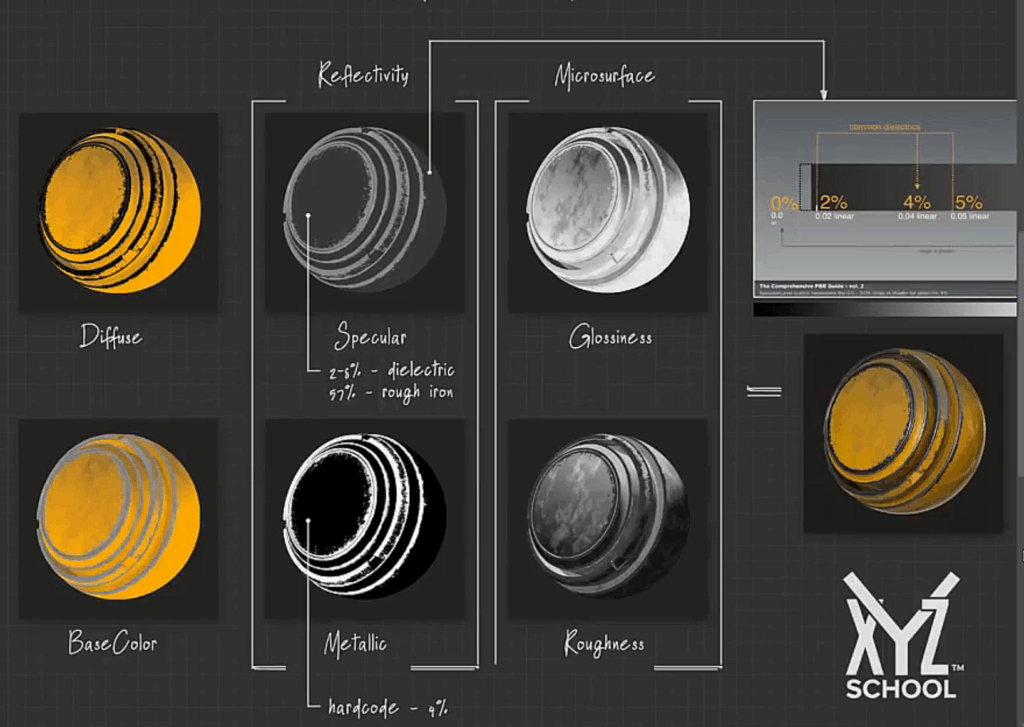
    =

    template for creating pbr materials

    I also created a common structure for our shared website so that everyone could then take a block related to their work and fill it out.

    First playtest

    We received rather mixed feedback on the playtest, particularly regarding the visuals, which led to disagreements within the team. As it later turned out, serious misunderstandings arose in many areas.

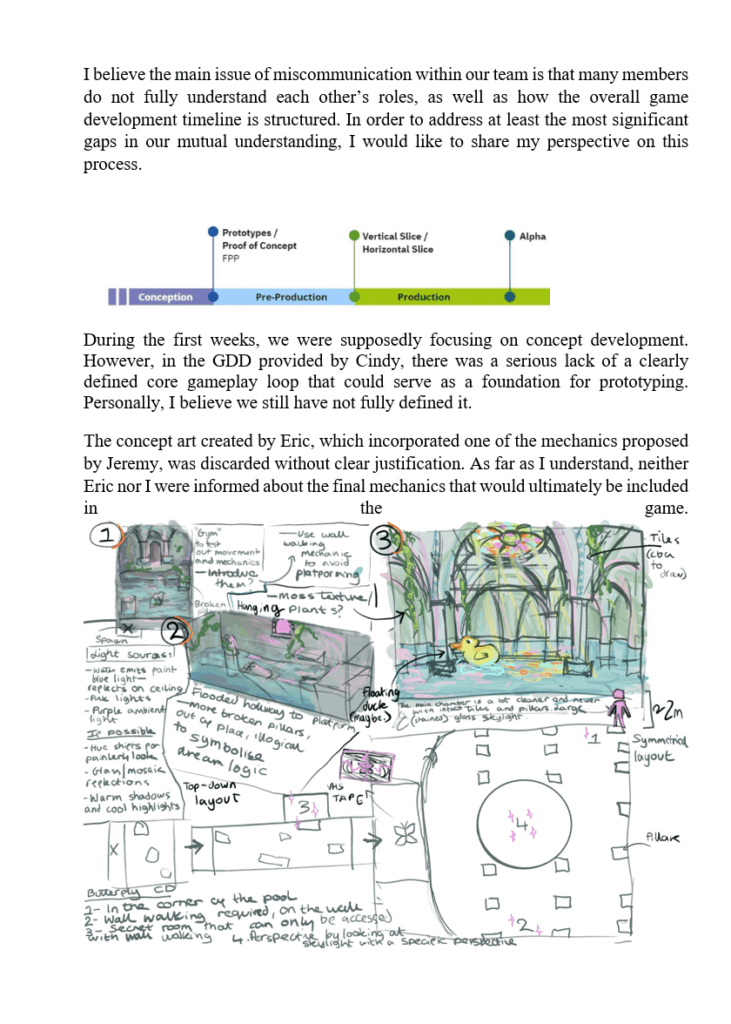
    • Some team members, including myself, were not informed that Eric’s concept art was not included.
    • Instead of the planned graybox, the overall level looked rather inconsistent and irrelevant to previous concepts visually.
    • We deviated significantly from the original GDD concept in terms of mechanics, but this issue was not directly discussed.
    • I was personally responsible for a situation where one of the team members claimed I did not provide assets, which also caused confusion. Missing assets could indeed have been a serious mistake on my part, but I personally couldn’t find the opportunity to create them in the short timeframe, especially when Eric’s proposed visual design and the final level design differed significantly and I wasnt provided with clear level design. While communicating with the team and encountering difficulties with the language barrier, I tried to create a document that would explain my position based on the teacher’s advice.

  • Week 3

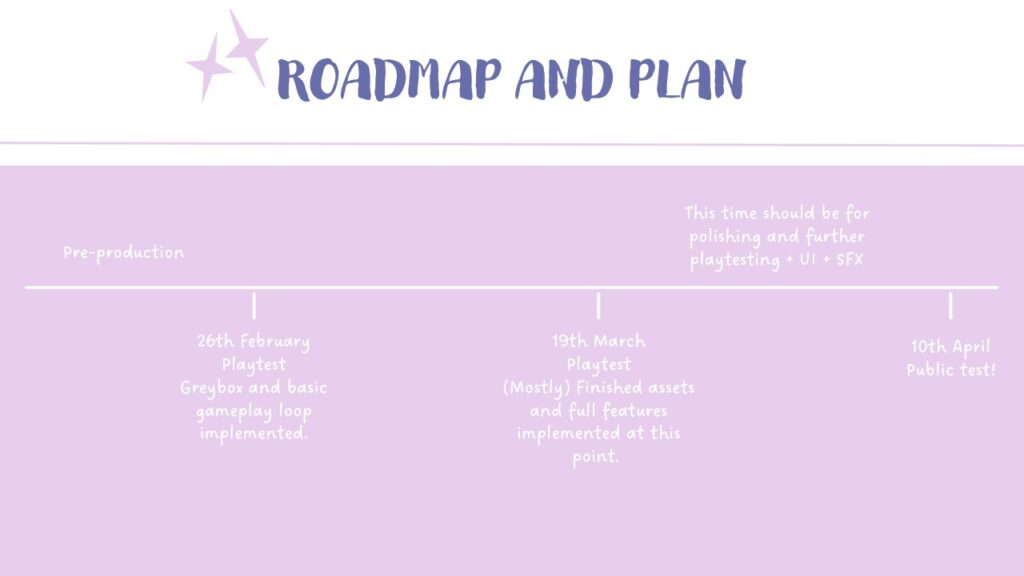
    This week was spent planning deadlines and dividing responsibilities between people. Since I’m working on asset creation, I can’t actively participate in development at this stage, but I tried to contribute to the overall visual of the game.

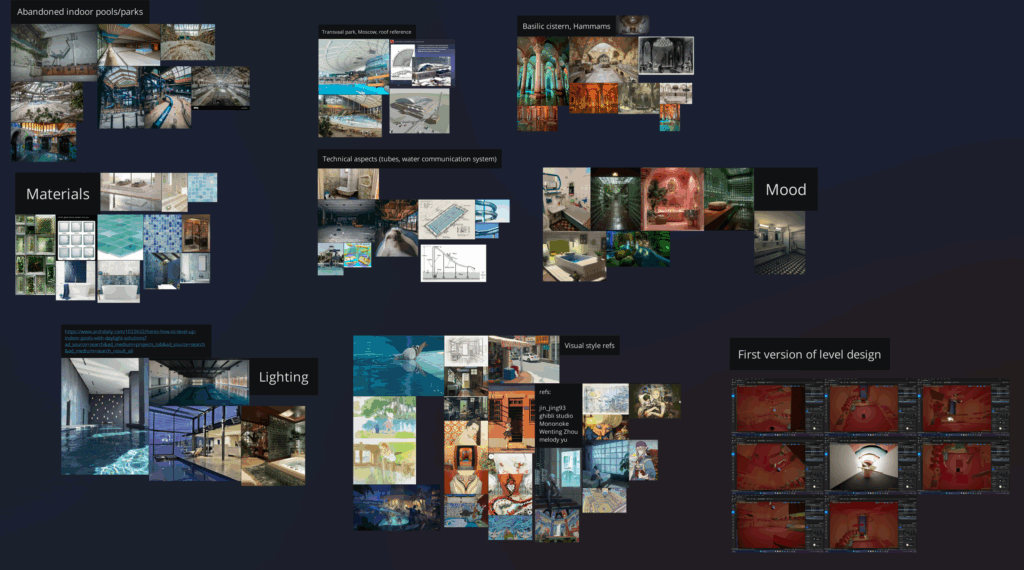
    Eric and Jeremy, respectively, were primarily responsible for concept art and overall level design, but I also tried to help with reference and research. My main suggestion was to mix the aesthetics already outlined in the plan with unusual architectural styles, such as the use of ancient Greek-style columns or elements of Soviet constructivism. I thought adding something similar in this style would be a good way to emphasize the dream narrative, given the space felt rather unnatural.

    Eric and I started creating mood boards. One of them, the final version I created, is attached above.

    Eric leaned more toward using ancient Greek architecture, specifically the Basilica Cistern in Turkey, which I suggested, and also provided his own research, for later concept arts. I then explored other ideas, such as making a roof that referenced one of the indoor water parks in Moscow, and also tried to maintain a balance between the vaporwace core suggested in GDD and our personal ideas.

    I also started learning Substance Painter and Substance Designer as additional software because I wanted to create high-quality textures myself. My goal was to learn how to mix the PBR pipeline with stylistic shaders, and I started taking an additional course to explore this topic.

    I’ve started to worry that we’re all lagging behind at the start of development if being honest, and my personal problem is the desire to expand the scope of my work, requiring me to learn new software or develop minor differences from the GDD, which requires additional research. I understand that the consequences will most likely affect my work scope, and I want to try to overcome this, since my priority for this course is improving my visualization skills and it requires experementation.

  • Week 2

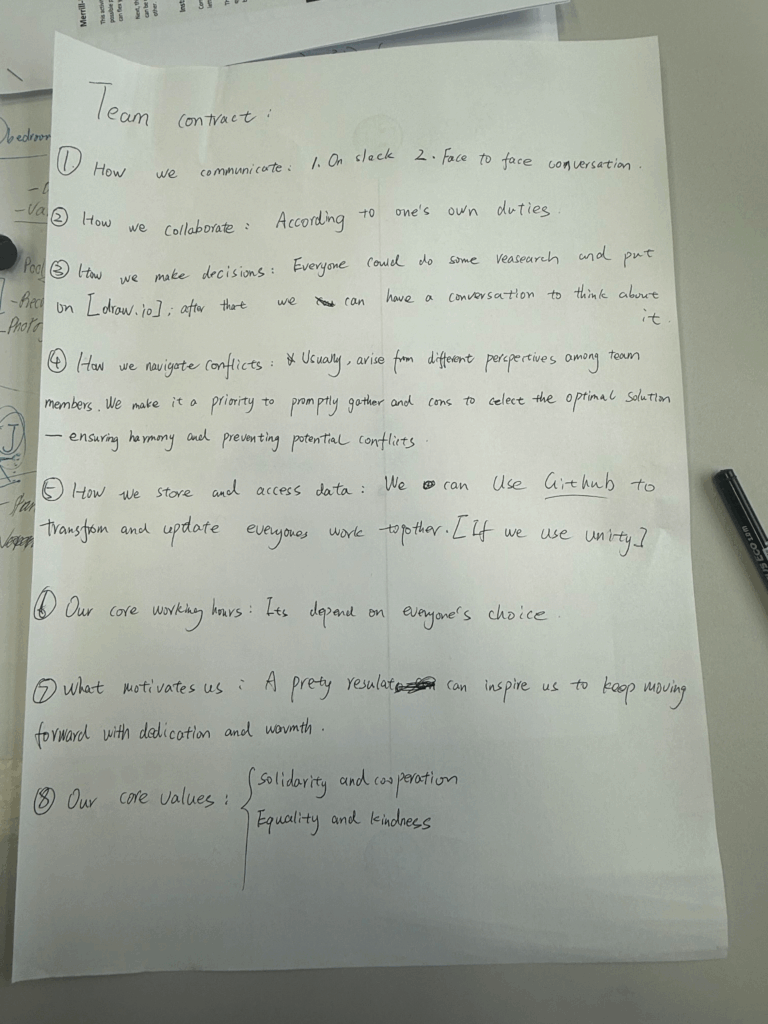
    Our team created a list of values ​​that we would like to follow to ensure that the overall organization remains aligned, and I will try to adhere to it throughout the project.

    One of the students, Harry, also explored potential mechanics we could implement to the game. He wrote multiple documents as Mechanic designer, proposing viewpoint on gameloop that was created by original GDD designer.

    My personal research focused on exploring other games, such as “Superliminal,” “Fragments of Euclid,” and “Knock Knock.” All of these games, in my opinion, had mechanics that could be used within the gameplay loop proposed in the game’s original concept.

    I’m not actively involved in the development yet, as I need a level design plan before starting work, but I’m already trying to gather references and plan an asset list.

  • Week 1

    At the beginning of the semester, a vote was held, and I was assigned to work on Cindy’s DayDream project (link) as Environment Designer.

    Working as an environment artist is my comfort zone, as I’ve been studying 3D for a long time, and it was the chosen format for our vertical slice. Main difficulties was working with people I never teamed up with before, as well as adapting to Unreal Engine requirements.

    During the first week, our team decided to figure out our communication approach, distribute responsibilities, and conduct individual research regarding our role and the game.

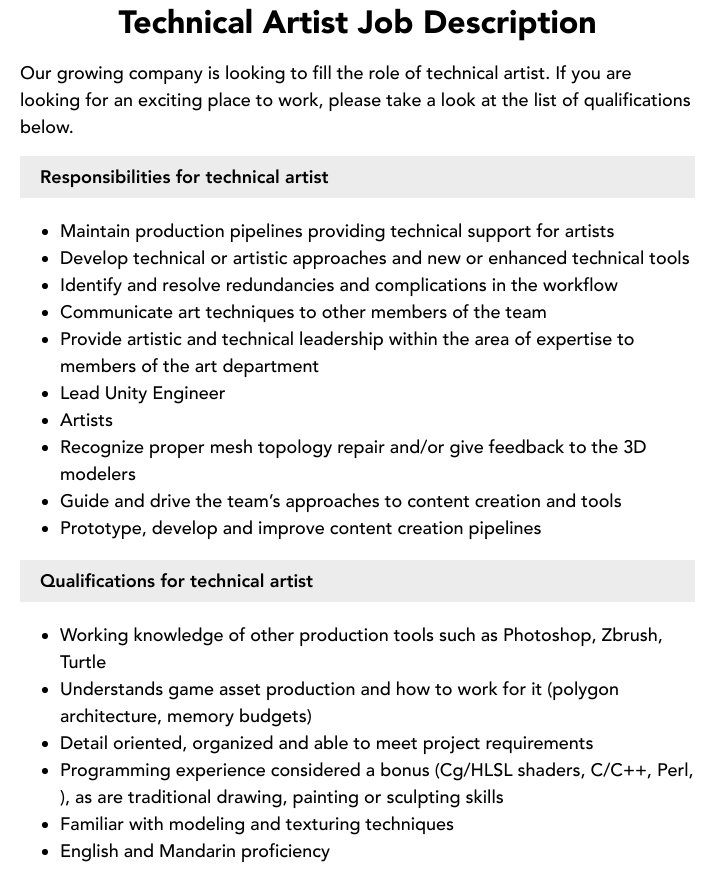
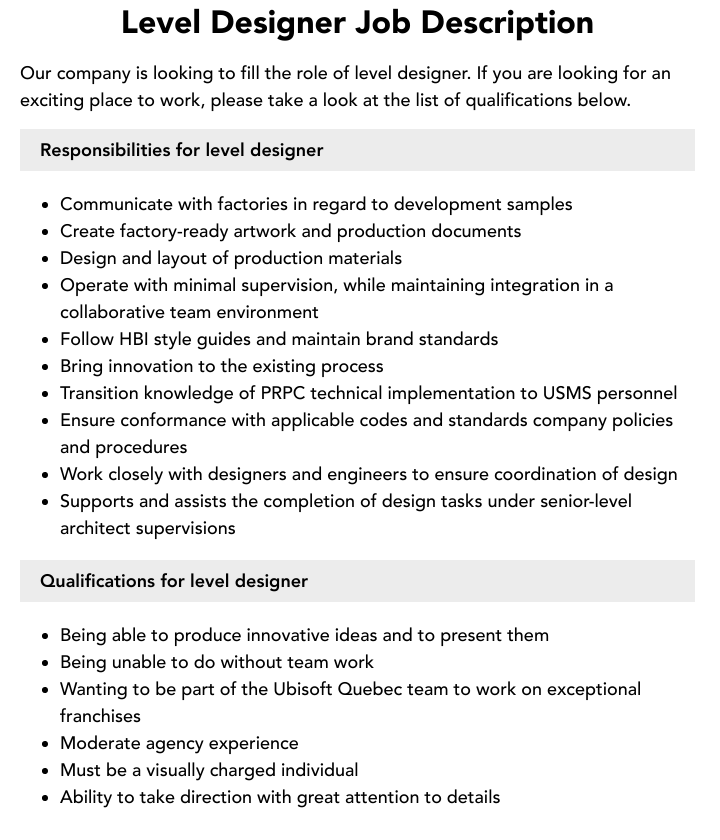
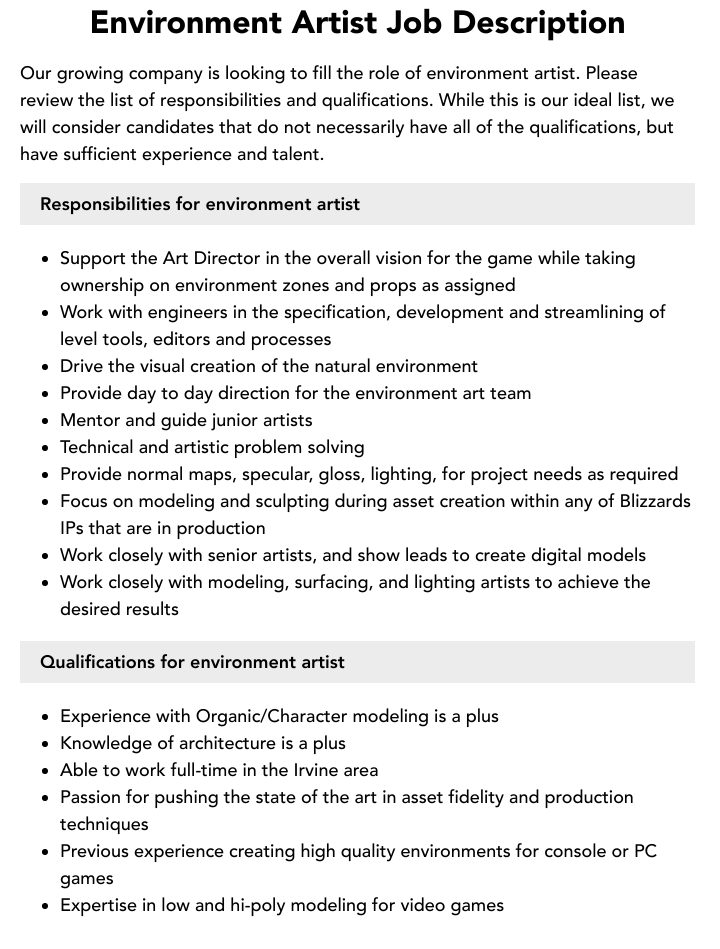
    Role meaning
    Starting with this article, I found it easier to understand my role in the team, as well as to identify the differences that separate me from another person who was assigned the role of Level Designer.

    Overall, the team had three roles, which all somehow related to the creation of the game’s visuals.

    Technical Artist – the person responsible for the intersection of mechanics and the visuals themselves.

    World Designer – this term is more interchangeable with my specialty as an environment artist, so trying to draw a line, we decided that mine would be asset creation, while others would be responsible for level design and interface development.

    Environmental Artist (me).

    I’m already familiar with 3D, but wanting to improve my current skills during this semester, so my goal is to focus efforts on a more professional implementation of assets and optimizing their appearance for the game, ultimately achieving a finished product that meets vertical slice requirements.

    Vertical Slice is a playable version of the game within small scope that must represents its main highlights and representation, and since environment is an important part of this, I have enough time to male models that represents:

    • Polished model blocking
    • Topology considerations, creating low/high poly or mid poly models, depending on our stylizing choice.
    • Proper UV mapping that takes tiling into account
    • Texturing
    • Creating the necessary shader in Unreal Engine