Semester One
Week One
Initial Brainstorm
The class was given an activity: in teams of four, start with an emotion and branch off into related words/ideas.
Our team began with ‘Rage’ and stemmed off from that emotion.
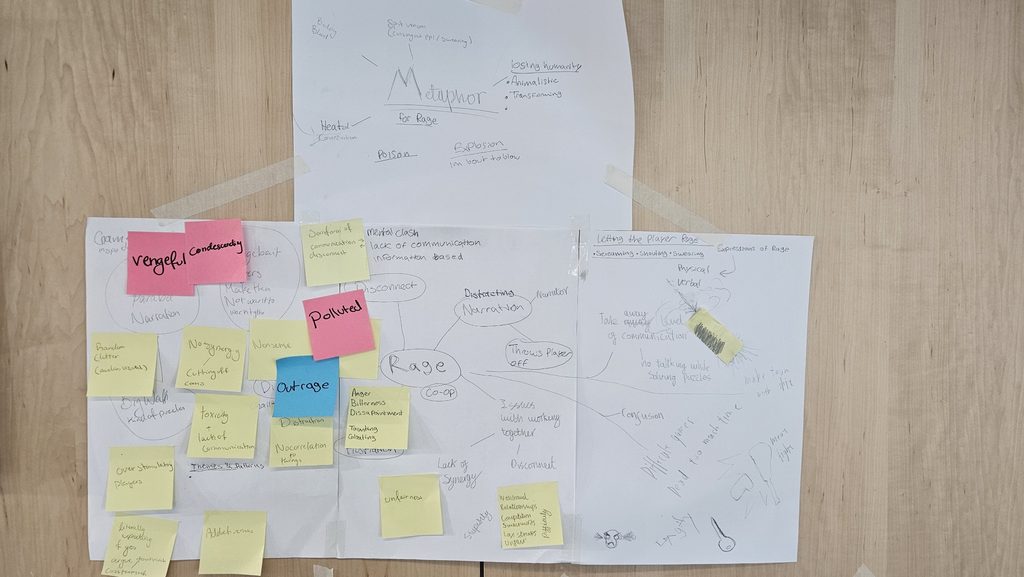
I was curious what a game would look like if it encouraged emotional reactions from the player. I imagined a game that removes the use of a controller to allow the player to be as expressive as possible
Three Ideas Presentation
Our first activity allowed me to come up with ideas that I was quite excited about. I wanted to use alternative controllers that give the player a more expressive way of interfacing with the game. I came up with three main Ideas and pitched them in a small presentation on Friday.
- Gestural Interface: using hand signs and motions to interact
- Vocal interface: using your voice to give commands within the game
- Facial interface: computer vision can identify facial expressions and eye direction to use in game
threeideas presentationDownload
Feedback
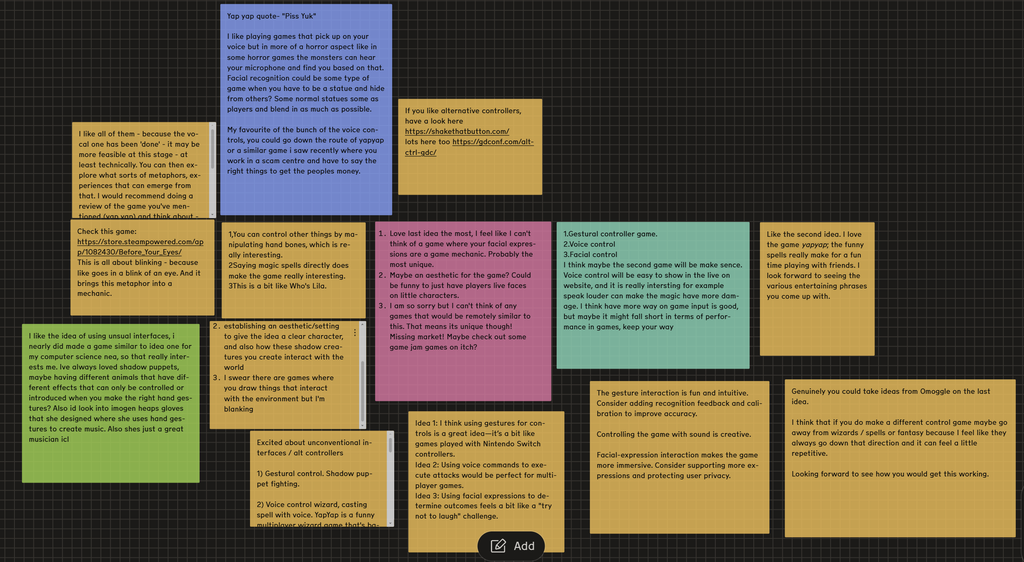
Comments generally agree that alt controllers are interesting. There are some questions around the viability of implementing the ‘alt controllers’ in a functioning way. Also some useful sources on alt controllers and games to look at for reference.
Post Feedback Research
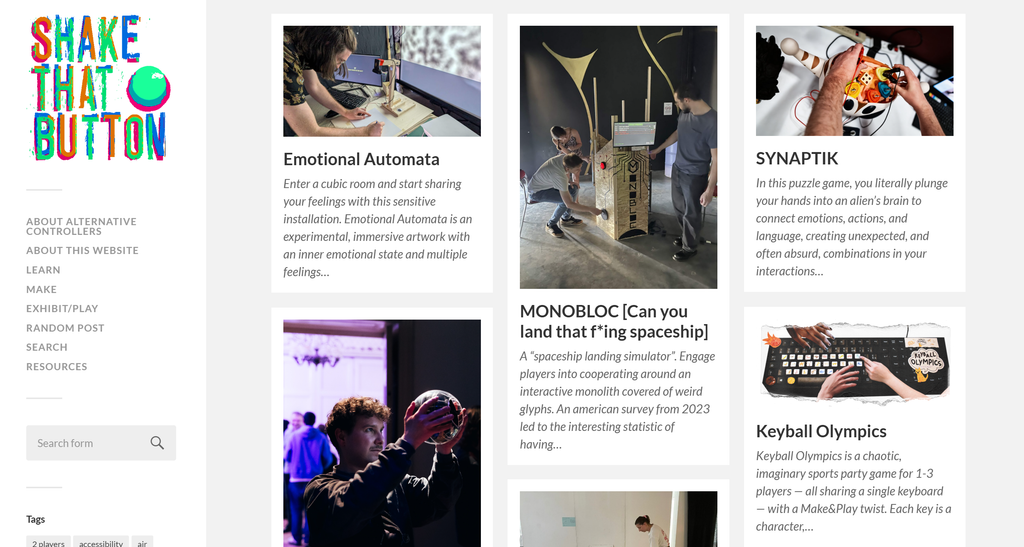
https://shakethatbutton.com – A website with a bunch of different alt controllers to look at
Alt games that I found
This demo of a shadow casted platformer game really fascinated me. It seems that there is a projector that can turn shadows into 2D objects and handles collisions between them and the player. You can put physical objects Infront of the projector and change the platforming level by arranging the as you wish. This Is such an intuitive concept to form a game around, I wish to make something like this.
Week Two
Rapid Random Ideas
rapid idea generation with Jordan by combining random game elements.
Some Ideas from the activity:
- Time travel game where you try to change the series of events in a story to a desired outcome
- Save the right person game – try to make a difficult decision between saving one of two characters
- Potion making game – player is a witch, looking around in a cluttered hut for appropriate ingredients to put in potions that customers ask for
- Escape drowning game – player is drowning in a submarine and make use of items to survive
- Idle puzzle game (vague idea)- game tracks real passage of time and player needs to wait certain amounts of real time or play at certain times in the day to complete some sort of long term puzzle
This was a good exercise to get me thinking about different possible games, but ultimately, none of the ideas excited me much.
Design Intentions Research
class was given a quick task to look into other games and try to decipher their design intentions using MDA.
Gris
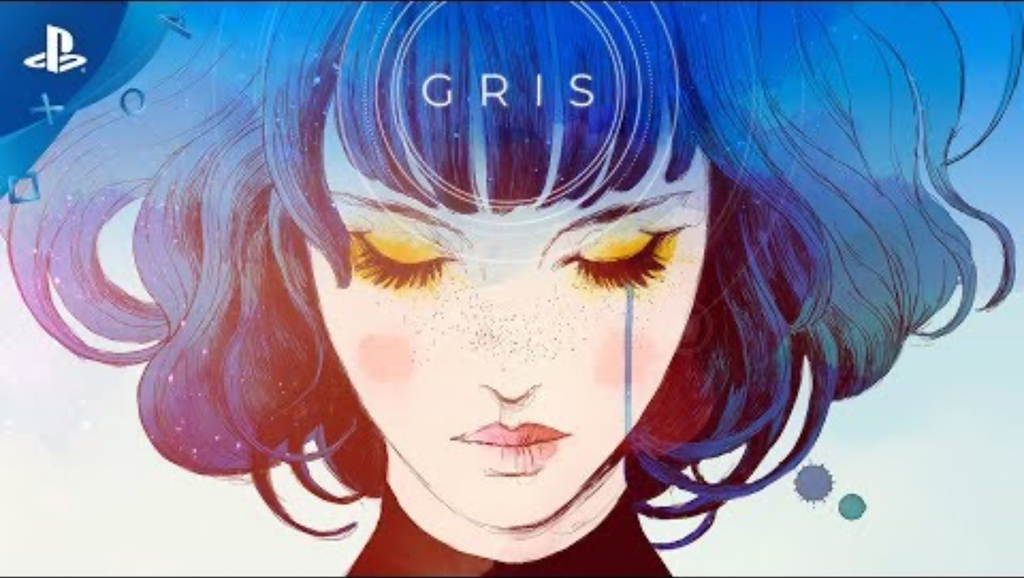
Developer/publisher: Nomada Studio / Devolver Digital
Genre: Adventure, platformer, puzzle
Release year/platform: 2018 — PC, Nintendo Switch, PlayStation 4, iOS, macOS, Android, and Xbox One.
Mechanics:
- Platforming
- Environmental Puzzles
Aesthetics:
- Water colour
- Young Woman
- Soft music
- Environmental storytelling
- Abstract
Dynamics:
- Emotional Journey
- Progression of character -> progression of player
Unboxing
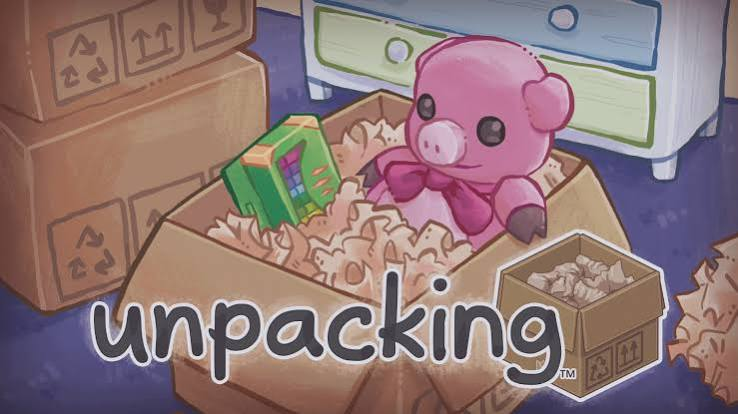
Developer/publisher: Witch Beam / Humble Games.
Genre: Puzzle, simulation, home decoration.
Release year/platform: 2021 — PC (Windows, macOS, Linux), Nintendo Switch, and Xbox One. Later released on PS4/PS5 (2022) and iOS/Android (2023).

Mechanics:
- Organising
- 3D Tetris
- Object association
Aesthetics:
- Pixel
- Cozy
Dynamics:
- Player gradually picks up on personal story as they associate objects with unseen characters, discovering their relationships and lifestyle
Papers Please
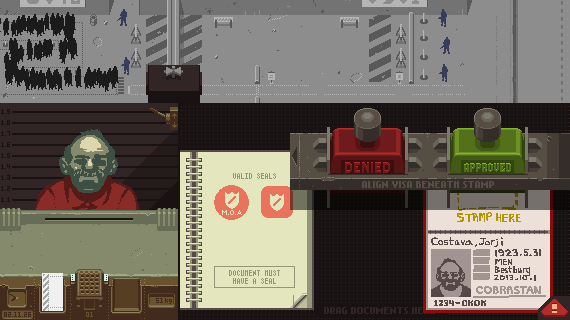
Mechanics:
- Click & Drag
- Organise documents
- Decision Making
Aesthetics:
- Communist Russia
- Pixel
- Cold, Dystopian
Dynamics:
- Player Makes hard decisions between providing for family or doing the right thing
Ideas From Intention
Bottom up approach to come up with game ideas with Vanisa.

At this point I was quite unsure of what I wanted. The class was asked to first think about what they want the player to experience, before thinking about any other details. My answer stemmed from my ideas from week one. I wanted the player to intuitively know what to do with little guidance from the game itself.
This got me thinking about alt controllers again and how VR environments could be a space to explore intuition. But I caught myself limiting my ideas by trying to figure out how the technology fits into the picture.
So I decided to take the technology out of the equation.
Ideas from Personal Experience
Tuesday – I was getting quite desperate for Ideas because nothing felt right. I resorted to personal experience to fuel my next ideas.
KP Simulator
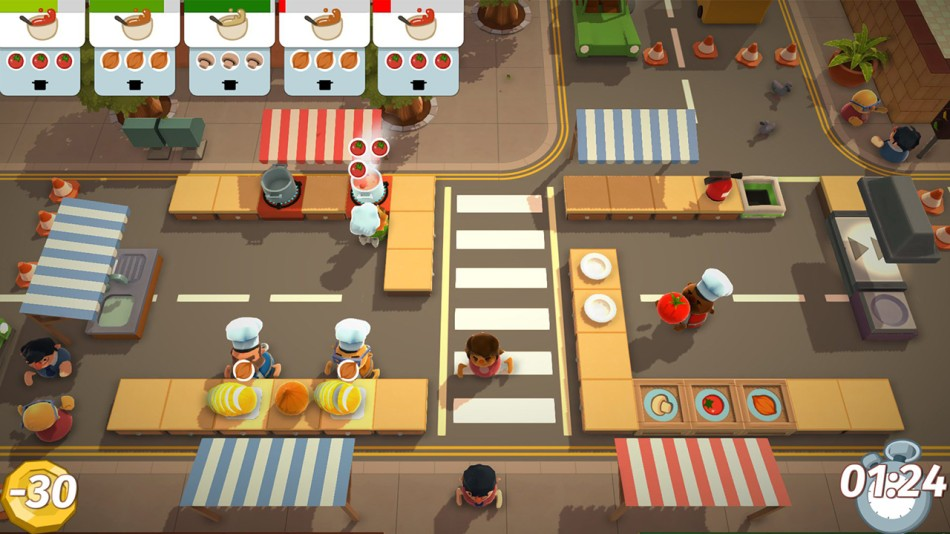
I worked as a Kitchen Porter for over a year, I thought that could be transformed into a fast paced, high pressure dishwashing simulator. Players would need to quickly load dishes neatly into a dish rack and keep track of the washing machine timer while juggling other minor tasks. Aspects could be exaggerated for comedic effect: Ducking and dodging hot pans being throw at the sink, avoiding bumping into kitchen staff and dropping plates, restoring stamina with smoke breaks etc.
This idea would have been easy to develop, by parodying my lived experiences and translating them into game mechanics, I could have reliably made something resembling a game.
Care Work Simulator
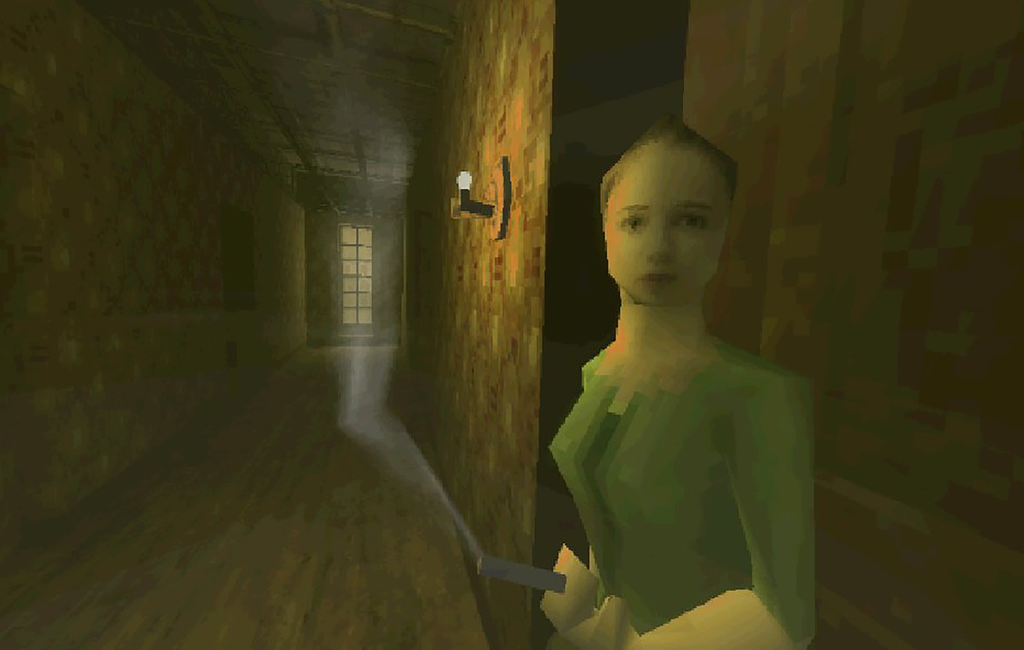
I also briefly worked as a domiciliary carer, visiting mostly elderly people in their homes and completing various chores and personal care tasks. I would have exaggerated my experiences and adapted them into a first person horror game. The player would slowly uncover a disturbing story while exploring customers houses and completing increasingly strange tasks on behalf of the customers.
I think this idea could very naturally develop into quite a scary game. Unfortunately this idea relies heavily on effective story writing and pacing. I felt the scope of our project might not allow this game to look like how I imagined it. So I abandoned it.
Final Idea
Wednesday – I watched a video on puzzle games and it inspired me to try make one of my own.
I admire how the simple mechanics can naturally build on each other and become more complex as the game progresses.
I decided to make a first person puzzle game inspired by the portal franchise. I want my game to focus on one core mechanic and the depth should come from the story and the puzzle design. I was thinking about straight forward mechanics to understand and I came to switching the position of objects.
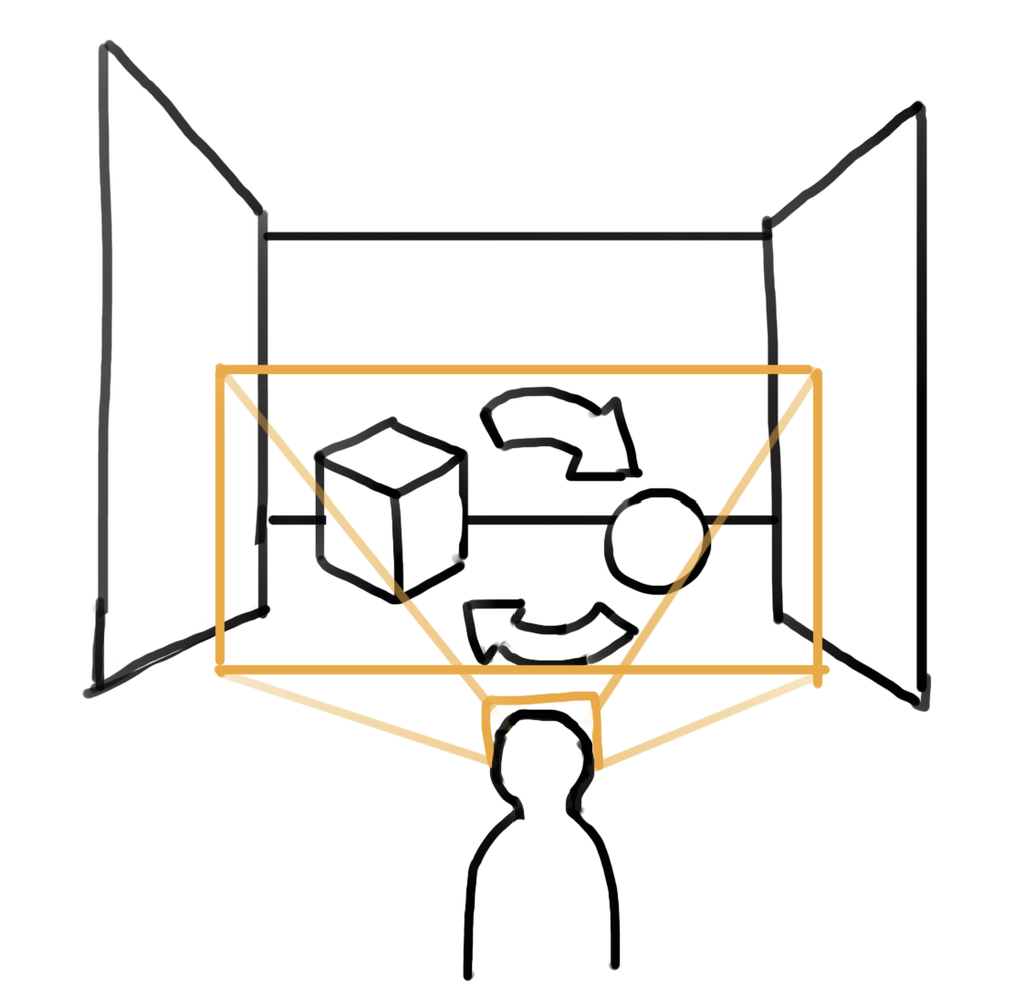
Mechanics: Immediately swapping the position of two objects
Aesthetics: Simple, focused, meditative, 3D environment
Dynamics: Player works through puzzles to progress levels
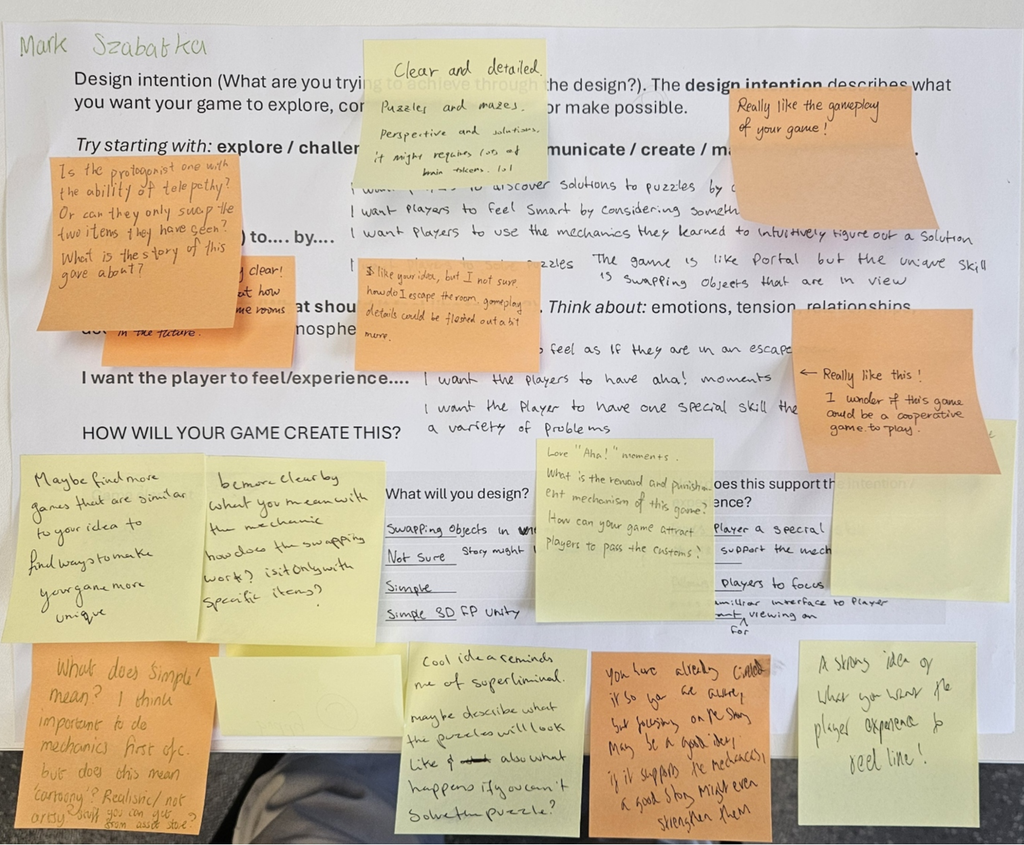
Feedback
Week Three
Guest speaker – VENEZIA GEORGIEVA
- game overview
- game pillars
- game loops
Talk gave good guidance on what to include in a game pitch
Using game pitch structure
Overview
You find yourself on a moon base where objects around you switch places when you look away. You learn to use your abilities to solve problems and get back to Earth.
-Being stranded on the moon as an analogy for feeling out of touch witch the world-
Game Pillars
- Guide the player purely vie gameplay and level design.
- Gradually tell a story as the game progresses
- Simple environments for player to focus on challenging puzzles
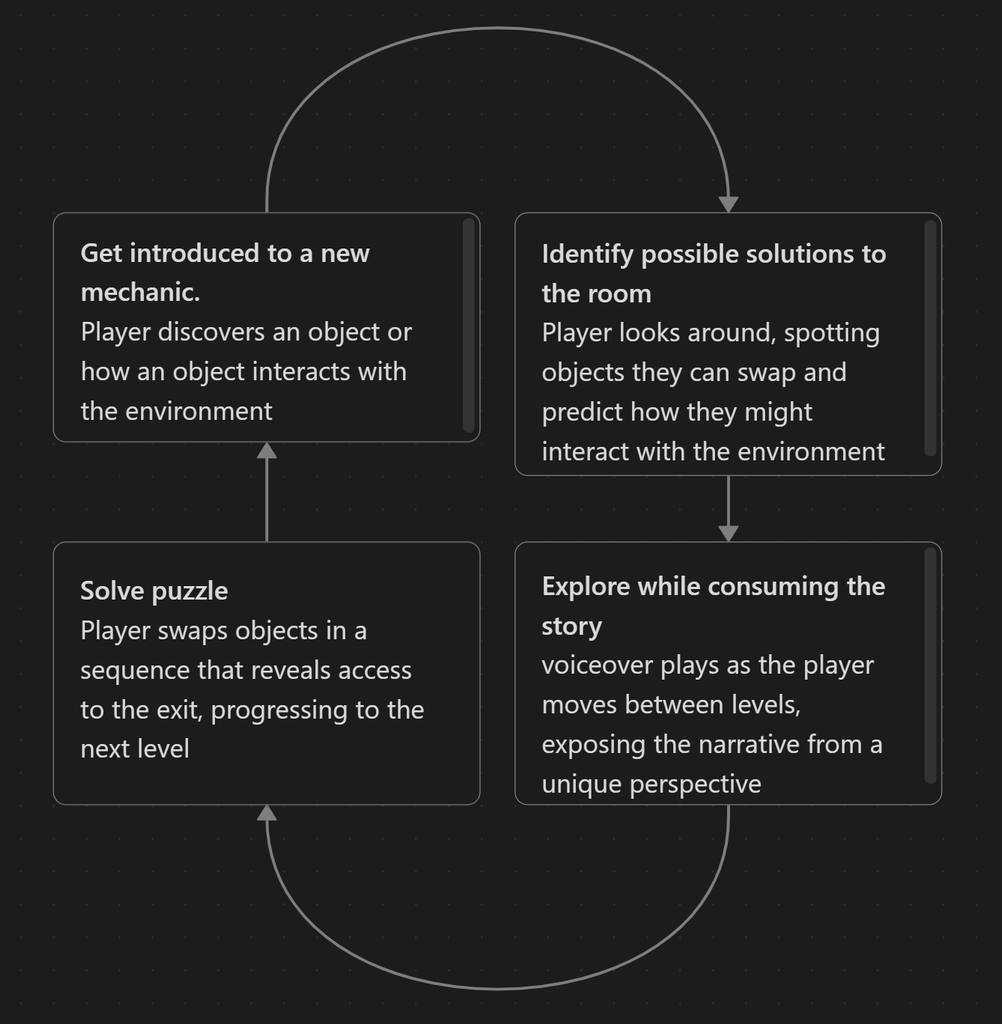
Core Game Loop
Making prototypes
I used probuilder, a Unity package, to very quickly
Prototype 1
For my first prototype puzzle room I have three components. An immovable box, a key(represented by the cylinder), which unlocks the dark blue door. The key is behind a see-through barrier. The player must stand at the middle of the room to have both the key and box in view, at which point the player can swap the key with the box allowing them to open the door.
I implemented the first style of swapping mechanic I came up with. Both objects need to be in view and the player has to *click* to perform the swap.
Prototype 2
The second version of the mechanic is more ‘trippy’. The player simply has to look between the objects and the swapping happens automatically. It should give the illusion of the objects swapping out of sight. I prefer this because it sells the idea of being confused or going crazy.
In the video I go on to two other rooms I used to test puzzles.
Feedback on Prototype

https://www.nodenogg.in/910mark?view=spatial
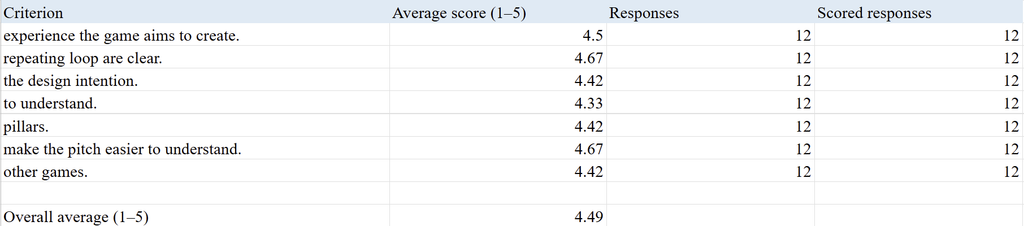
I got a lot of positive feedback for overview and game pillars. People encouraging me to develop more puzzles and explore different mechanics. People suggesting different games as inspiration for further puzzles
Demo Feedback
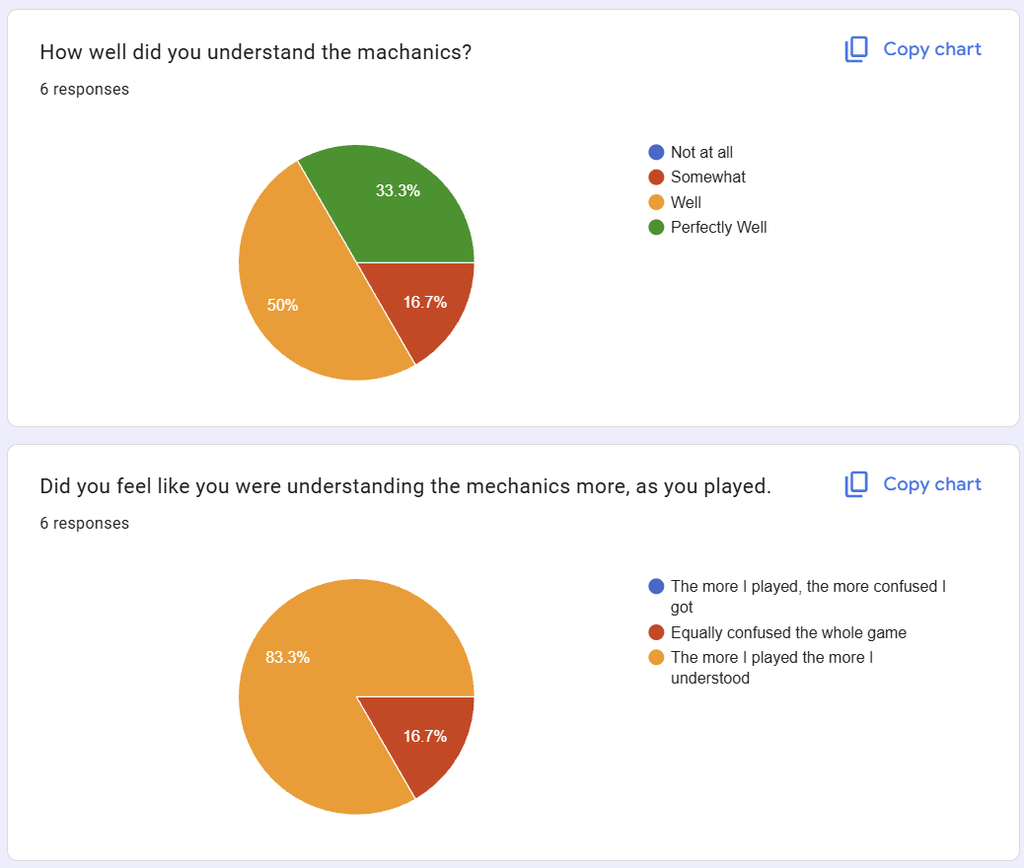
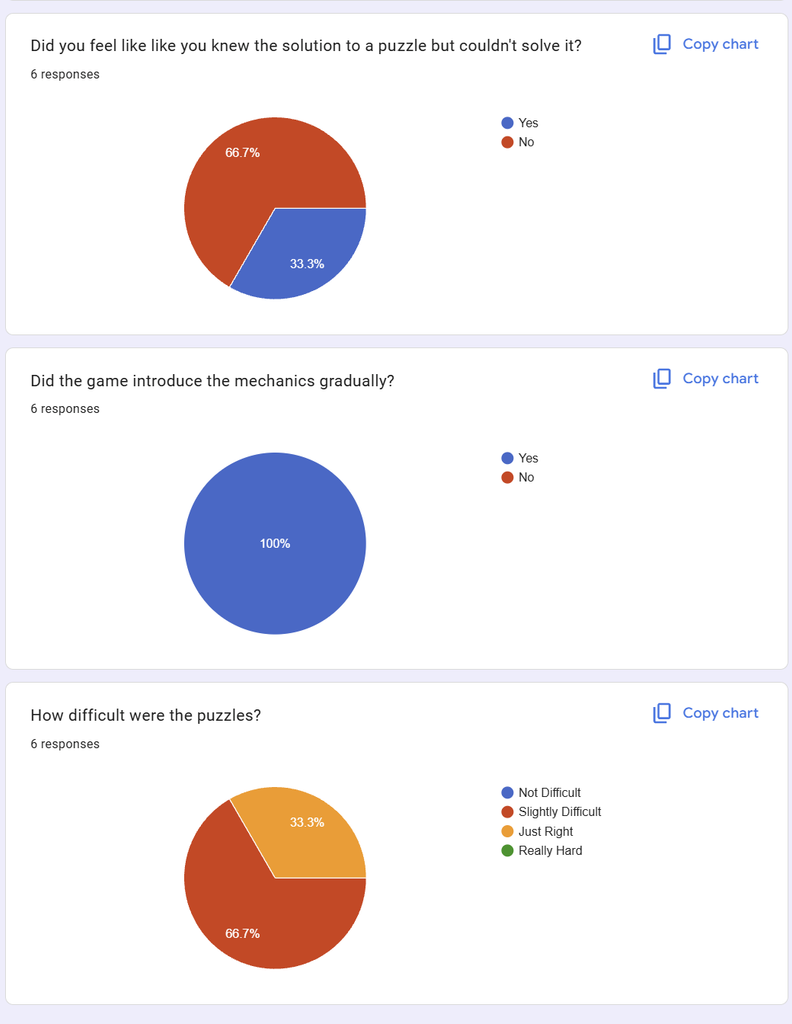
- Mechanic is not clear enough
- No indication of swapping happening
- pattern is not clear
- Add audio or visual feedback to the swap
Week Four
Guest Speaker – Sophie Artemigi
Further explaining the requirements for game pitches and game design documents.
Workshop demonstrating the importance of detailed explanation in game design documents
Adding Sound To Prototype
After a playtesting session, I had feedback pointing out the lack of indication when the objects swap. The player
Obtaining sound
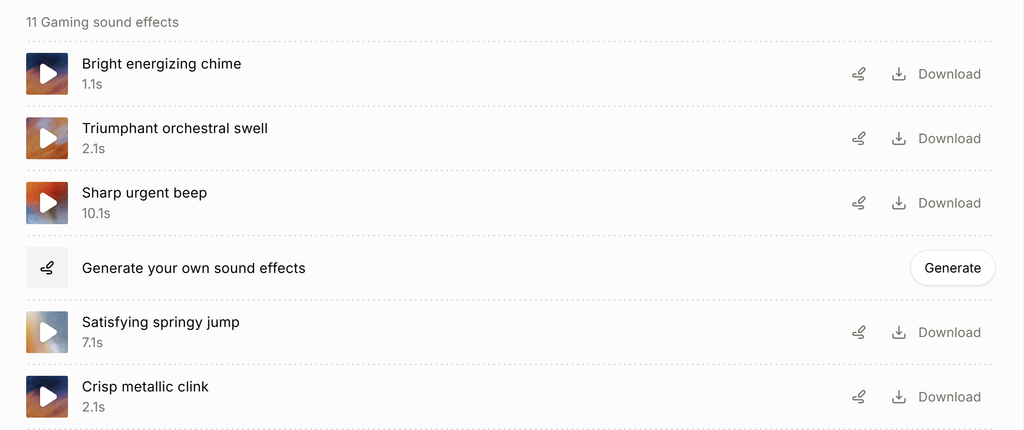

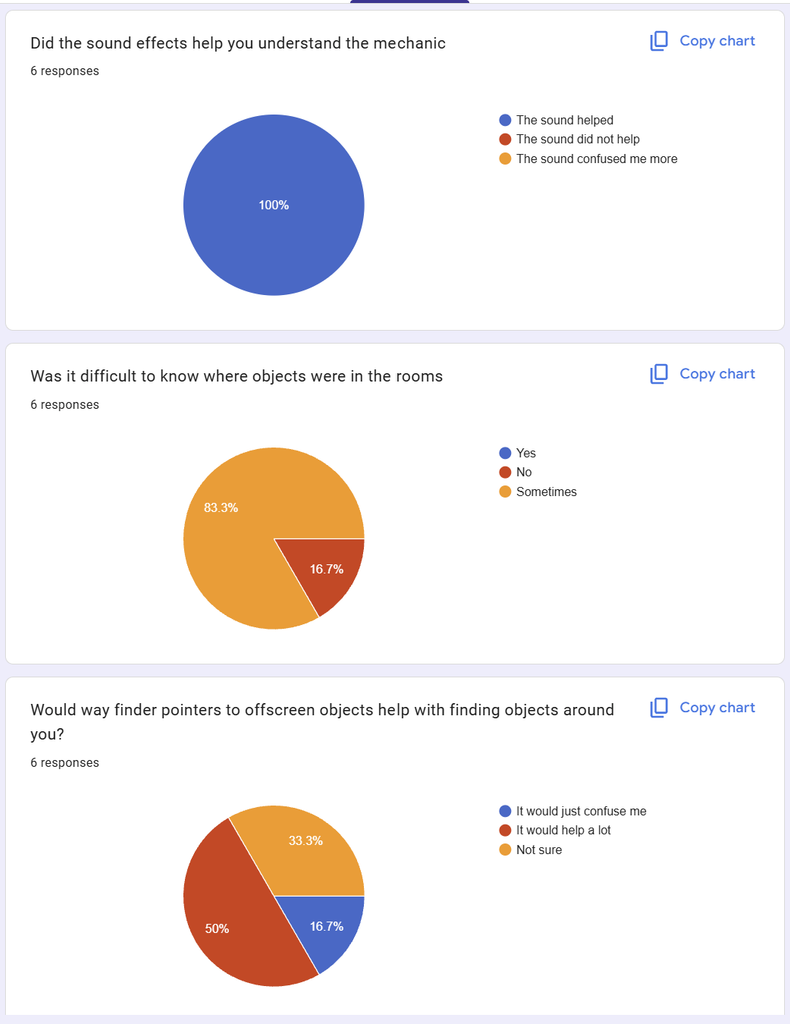
I grabbed an elevator ‘ding’ sound from a website and made two copies, each pithed it up slightly, to make a three note progression.
Implementing sound
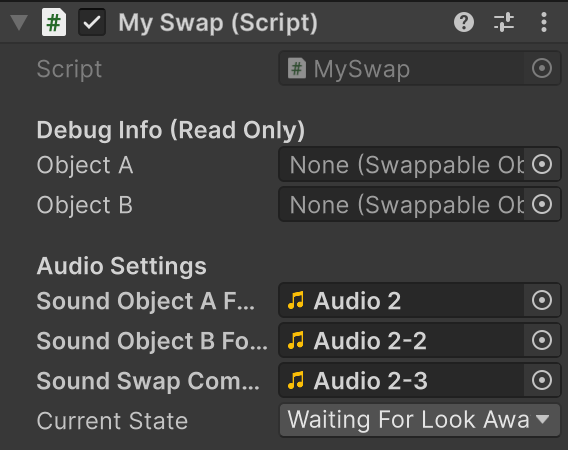
I had each sound play for object A, object B and the swap.
Prototype 3
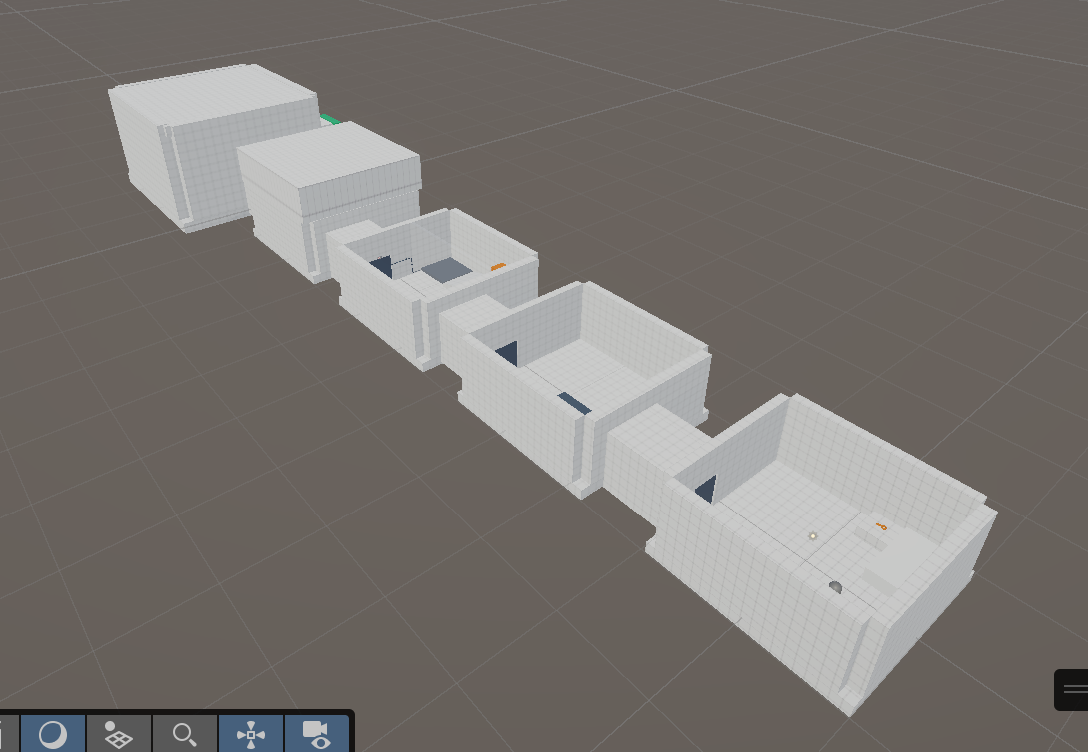
There was an issue where the sounds for object A found and Swap, played at the same time. This was an annoying thing to figure out. But during a tech session, Ross managed to resolve the issue in code.
Developing aesthetics
Theme, tone, environment, characters, visuals
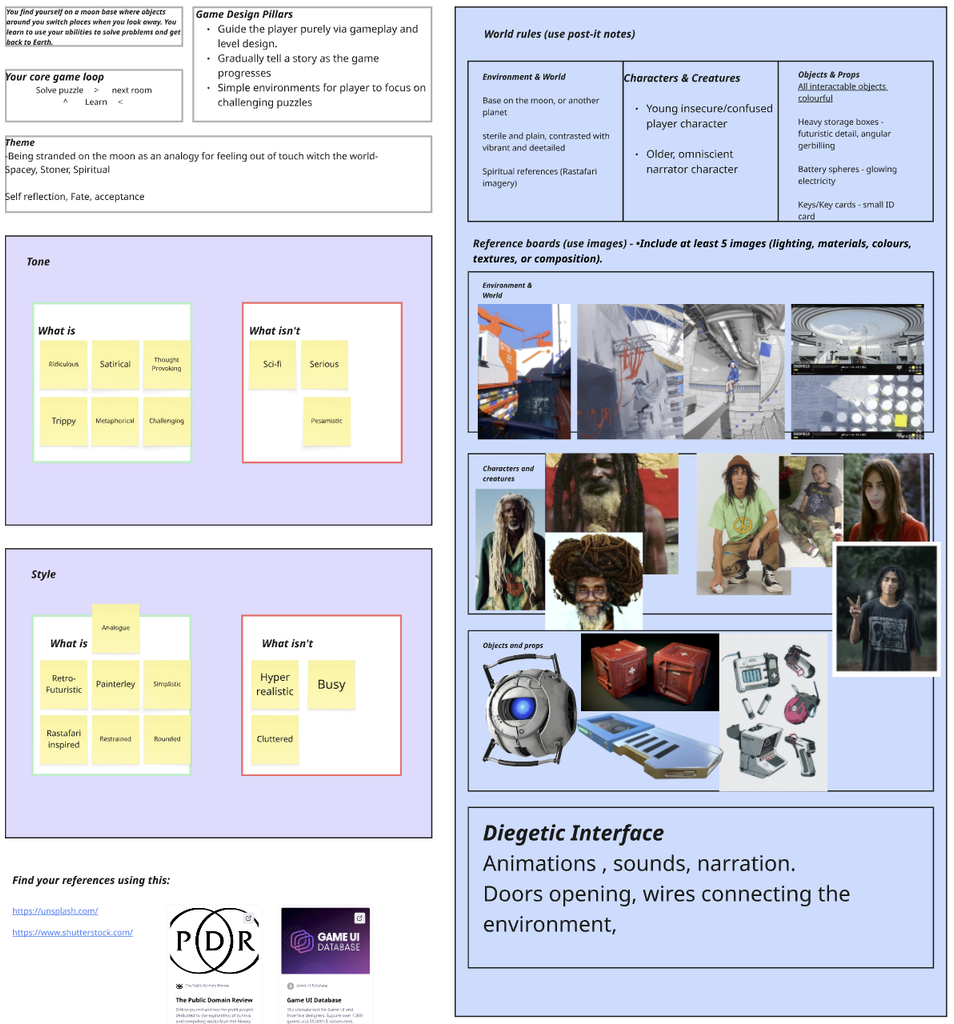
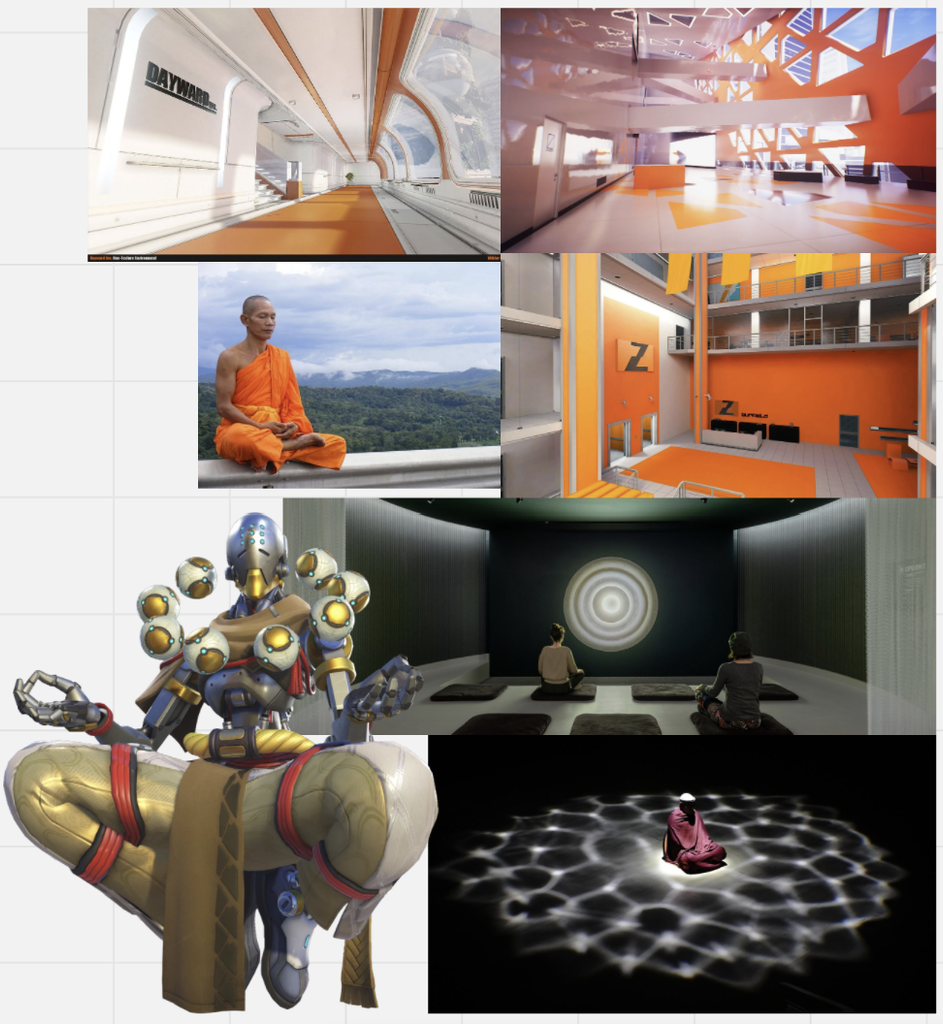
I want a futuristic setting, but a meditative atmosphere. I
Week Five
Guest Speaker – Ricky Haggett
Owner of Moby Games company, the company that developed I am dead, Hohokum,
Ricky did a presentation on how his company approaches making games
Pitch deck planning
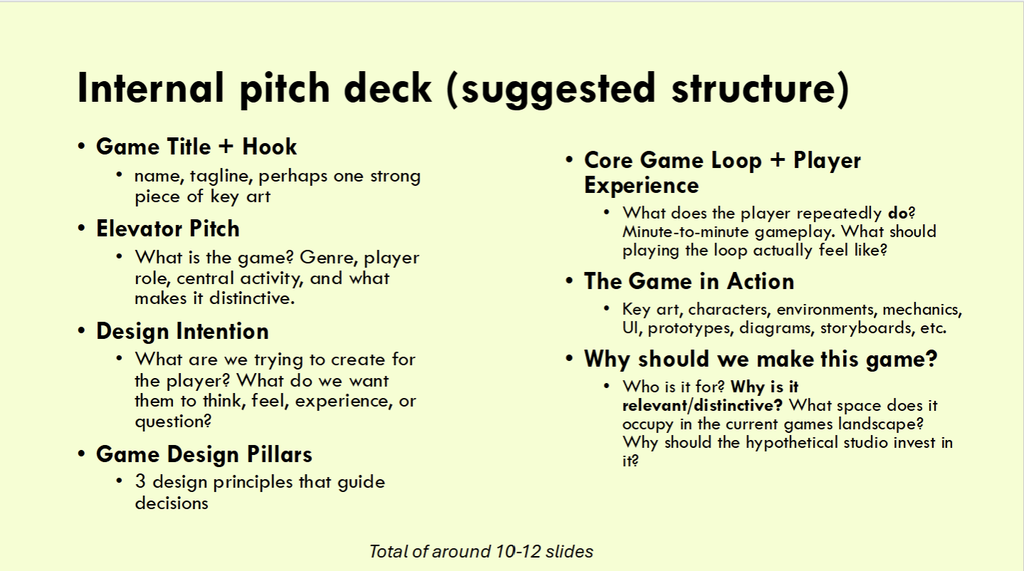
Who Is My Player?
Comments on Portal 2


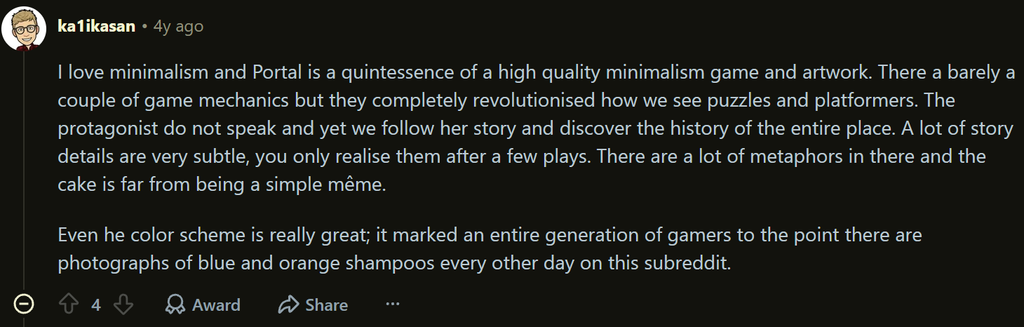
- People who enjoy figuring things out, who enjoy unique mechanics and self led gameplay
- Clearly the humour in the game is an important part of the community. There are running jokes and references to this day.
- People also appreciate the story a lot, along with the simplistic environments
How do they play?
- They like to think more than play
- They don’t mind trying things that might not work
- They play with low pressure, take their time
What motivates them?
Solutions, problem solving, feeling smart, “Aha!” moments, pattern recognition, low pressure challenges
What other games do they play and why?
mirrors edge, split fiction, it takes two, Viewfinder, Portal franchise, Superliminal, The Turing Test, Object Impermanence, The Witness, Outer Wilds
These games require spatial reasoning and problem solving
Why would they choose your game?
People who play these types of games enjoy a slight subversion of expectation while playing. My game would be able to provide exciting new mechanics by building on top of the established pattern. Example of unique mechanics: Swapping things in reflections, swapping you own position with an object.
Why is my game different?
While my game tries to capture the appeal of other puzzle games, It holds a unique identity. I want the story to focus on certain themes that are personal to me.
What might stop them from playing?
The first person perspective might be unattractive for some puzzle game players. Some people might prefer a more comprehensive puzzle, where all the pieces are visible at once and there is a more rigid interface. My game tries to combine rigid, single solution puzzles with a
Prototype Touch Ups
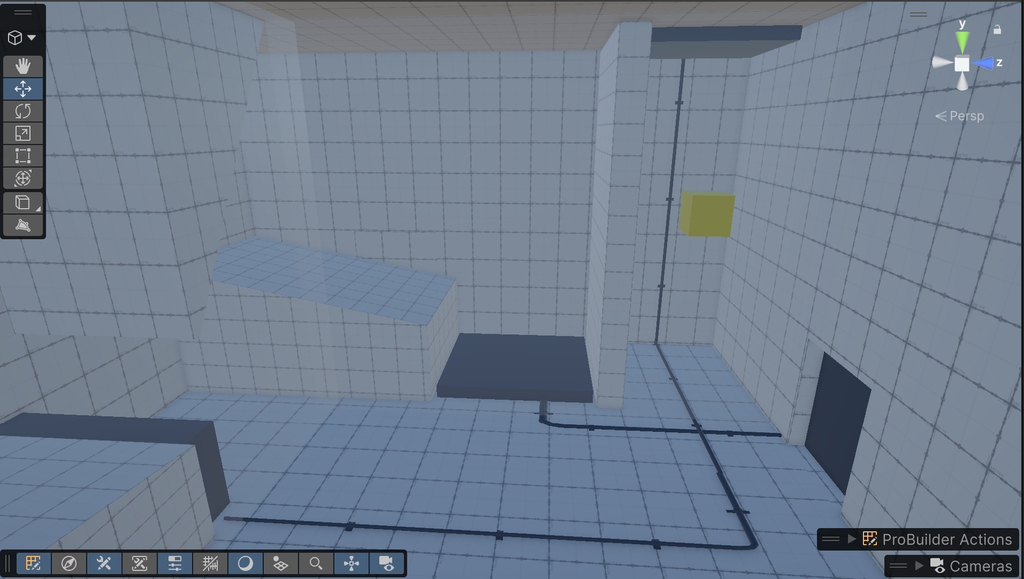
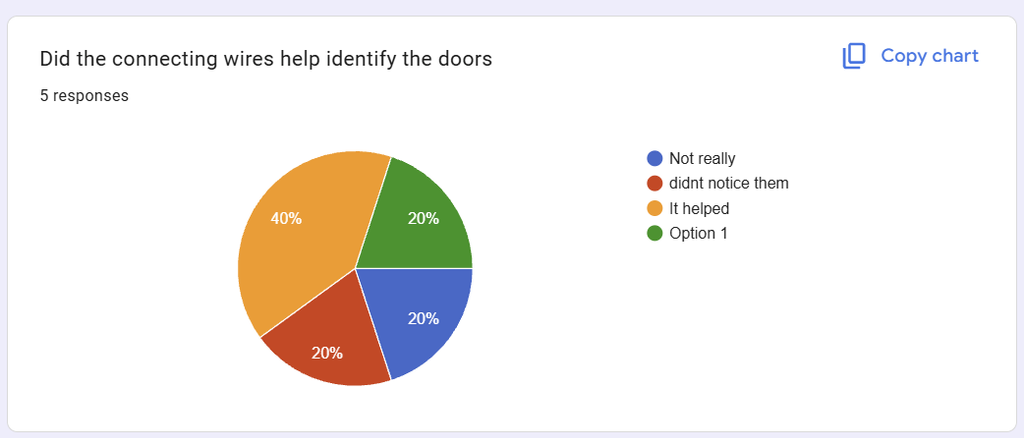
Added connecting wires to pressure plates leading to their respective doors
More Prototype feedback
- Make switch more visible/noticable
- Have after-images of previous object after swap
- Constrain the player view more
- Have funny objects (cupcake)
- Add pointers to objects off screen
- Have a way to pause the mechanic
- Not clear how pressure plate works
Plans on improving prototype
Visual Indicators
I intend on placing an outline around the objects when they come into view and an outline of the previous object after the swap. Hopefully it will make the mechanic more obvious.

I also plan on trying out an indicator system that will point to off-screen objects to help the player find them without looking around and accidentally swap objects.
Week Six
Pitch presentation
Final Reflection
Week one – Week two
I began the project interested in alt controllers that allowed the player to have a seamless and intuitive interface with the game. But thinking about alt controllers distracted me from the actual gameplay experience that I wanted the player to have.
Week Three
I stepped back tried gaining ideas from different sources. Eventually I gravitated toward the puzzle game genre because I personally enjoy playing them. This fuelled me with passion as I was excited to design puzzles. I quite quickly landed on a simple mechanic to base my game around.
I created the first few prototypes that proved the idea possible. I got continuous feedback which
Week five – week six
Started to develop the prototype, changing the mechanic and building better levels. By the end of week five I had gotten enough feedback to implement sound and to gage the appeal of my game. I’m confident that the rough idea has been communicated well. What’s lacking is a more polished demonstration of how the game would feel to play.