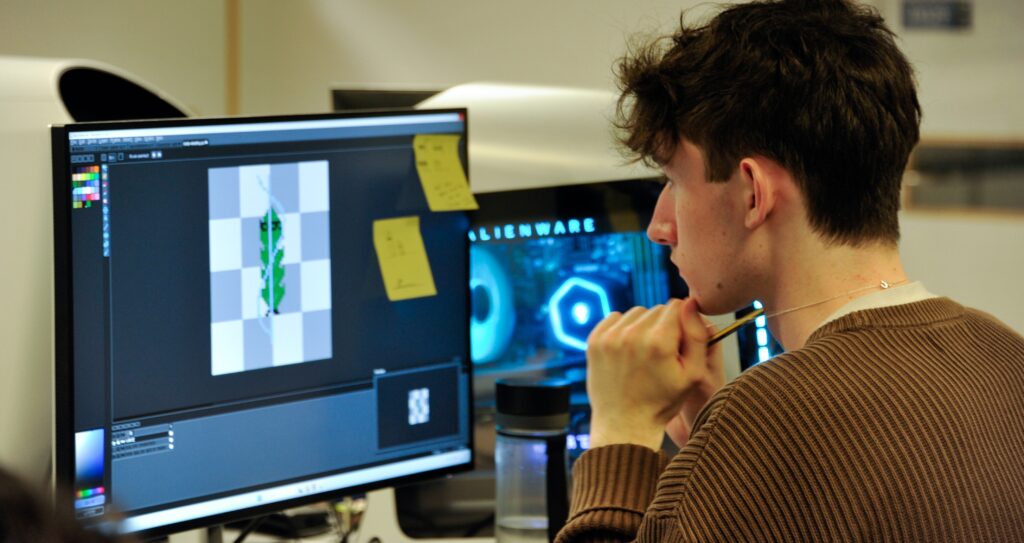
As a technical games designer, my responsiblity is to act as the bridge between the art and tech sides of development, making use of both my design talents and programming skills to implement mechanics and systems that are integral to the overall game vision at hand.
To help better understand my place in the Soul Keeper project, I have conducted a variety of research into what the industry expects from a video game Technical Designer.
Sources used:
https://intogames.org/careers/role/technical-designer
https://www.esma-artistique.com/en/metier/technical-game-designer
https://cloudimperiumgames.com/jobs/uk/technical-designer-manchester-2
What is a Technical Games Designer? – GameDev.tv
Tech Design is essentially a perfect middle ground or bridge between a supervisory designer role and a programmer, with often their main responsibilities being to translate or ‘decipher’ designers’ work into systems and development pipelines. They are often very involved in the design process as well: albiet not to the same degree as dedicated game designers. It involves asking lots of questions about the design work: is it feasible? How can we implement it? What’s the most effective way to implement it?
It requires a deep and nuanced understanding of the game vision, as well as a strong sense of curiosity and questioning skills to deepen one’s own understanding of it from the designers. They also need to be deeply educated on the systems and engine in which they are using – although they might not always be responsible for actual implemetation of systems/mechanics/etc. it is imperative that they are able to understand how to make something work and have the skills to pass that information effectively between designers and programmers alike.
Key responsibilites:
- Acting as a bridge or messanger between the design and programming compartments
- Making sure the programmers know how they can implement certain mechanics/systems/etc. and being able to communicate it to them.
- Ensuring that the demands of the designers are reasonable and achievable from the programmers.
- The ability to do my own design and programming work when neccessary and voice ideas/concerns with the design and programming work respectfully.
Important Skills:
- Communication: imperative to pass along ideas and design work between design/programming departments, while keeping the original vision fully intact.
- Decision-Making: being able to make the correct assumptions about what the game vision requires from each department: which in itself requires a very thorough understanding of said game vision.
- Questioning: being able to ask each department the right questions in order to maintain game vision/design work.
- Design knowledge: to be able to communicate with the designers effectively on their ideas and pitch in to the design work process.
- Programming knowledge: to be able to communicate with the programmers on how to effectively make aspects of the game and pitch with programming yourself when needed.
I think that this role within Soul Keeper’s development, while not the kind of job I would usually assume, is quite befitting to my skills and interests within the world of games design. I have experience developing in Unity and coding in C# – though my knowledge may not be the most developed, I am lucky to have more experience than the majority of my peers.
I also have a deep knowledge of game design, systems design and a general strong sense of what works/will not work; this would be my usual role in a project like this, but with a reduced team size it is understandable and fitting that I would assume a role with greater cross-pollenation.
I also believe this role will help to push me out of my comfort zone of pure design work and moreso toward programming, a skill that I have strong intent to develop over my time at WSA.
Leave a Reply