
Prehistoric Sculpture :
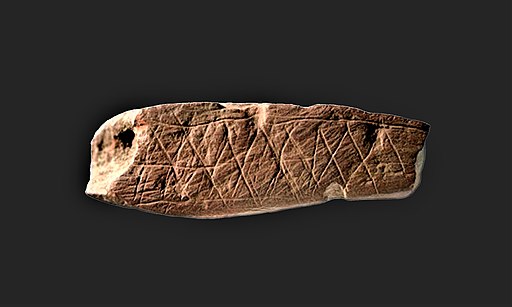
The Blombos Ochre Plaque
Discovered in 1991 by Christopher Henshilwood in South Africa, the Blombos Ochre Plaque now resides in the Smithsonian National Museum of Natural History, Washington, D.C.
Believed to date back to 75,000 BC and features simple engraving marks which the museum believes may represent information and not merely decoration. This simple piece lacks the visual impact of the Venus de Milo but it demonstrates that humans were creating three dimensional objects for aesthetic purposes sooner than you might have thought.
Brief History Of Sculpture – Sculpture Gallery UK
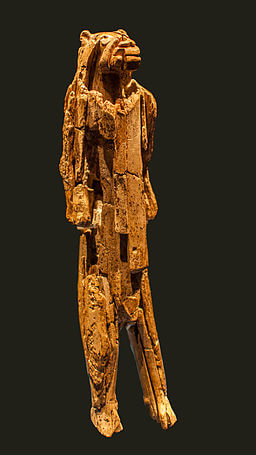
The Löwenmensch (Lion man) : 45,000 years ahead to the upper palaeolithic era, sculpture had progressed quickly. The 30cm piece was recovered from a cave at Hohlenstein-Stadel in Germany. It shows a human form with a feline face, also known to be created before the invention of writing.
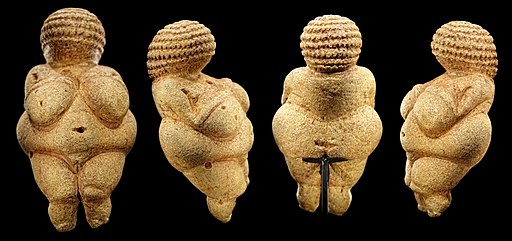
The Venus of Willendorf
Thought to date from 28,000 BC – 25,000 BC, the Venus of Willendorf is a diminutive limestone figurine which was found in Austria.
This sculpture was believed to be a fertility symbol, crafted using sharp rocks and having an exaggerated body with no face.
Ancient Egyptian Sculpture :
Moving ahead now in 2,520BC, The Great Sphinx in Egypt was made and todays one of the most famous sculpture around the world. With a body of a lion this sculpture was believed to have the head of the pharaoh, Khafra.
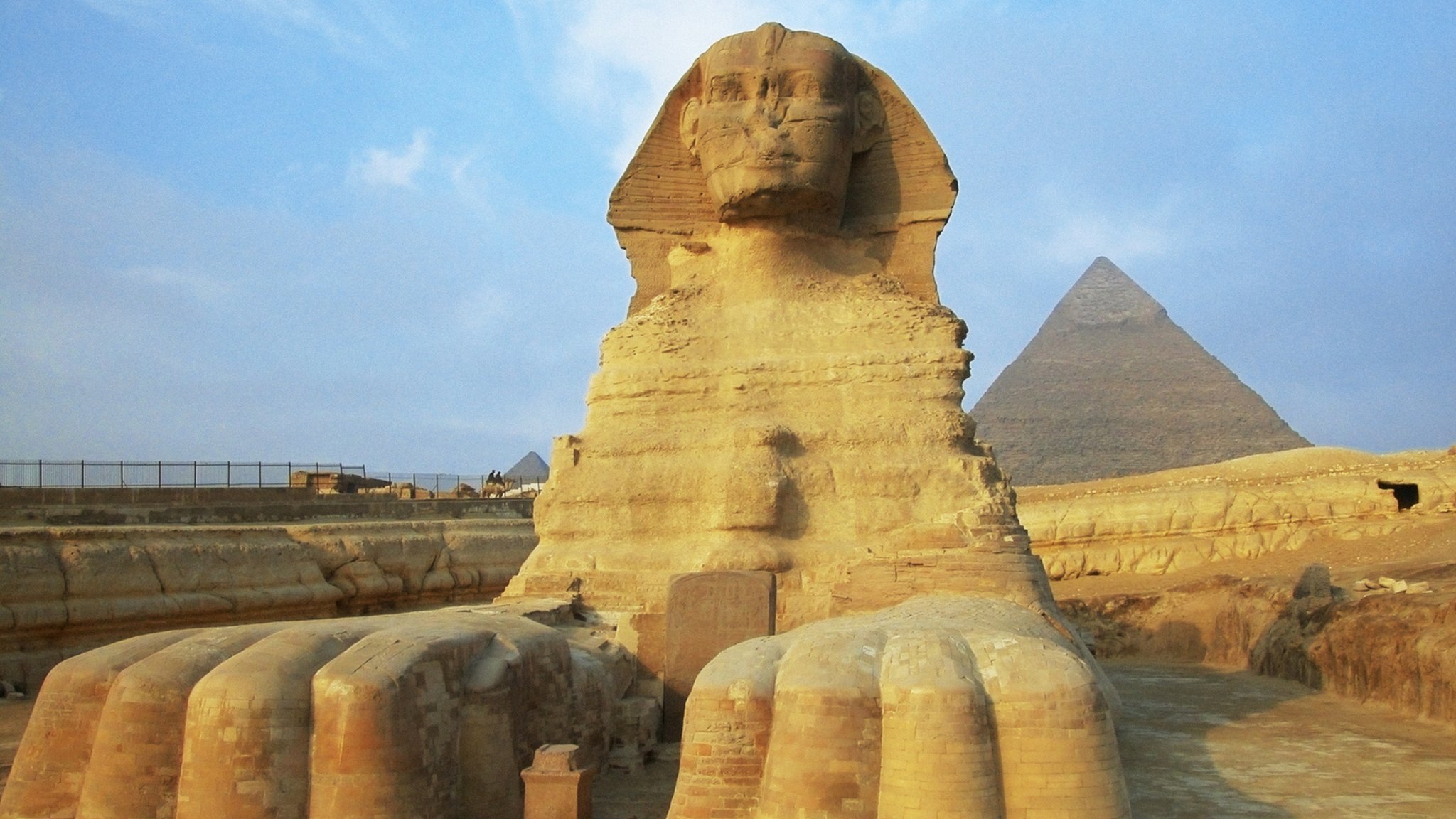
73cm in length made from limestone bedrock
‘The Great Sphinx is thought to represent pharaoh Khafre. But the sculpture depicts an idealised figure with a perfect body and face which is sitting rigidly and so is not a true portrait. Sculpture at that time was designed to promote the god like qualities of the kings and not reality.’
Ancient Greek Sculpture :
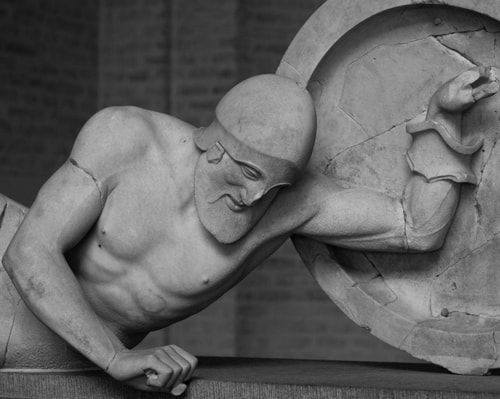
Now in he 480BC, the early classical period began making sculpture move towards realism. The classical period lasted from 450 to 400, but was very influential in art. In this Greek era, Greek gods were thought to have human forms and because of this many sculptures were human. Early Greek followed the Egyptian form closely carving blocky figures in stone.
- Brief History Of Sculpture – Sculpture Gallery UK
- Ancient Greek Sculpture – World History Encyclopedia
Sculpture began to take on a much more realistic, natural look, with marble or bronze, not stone, the favored medium. And the subject matter, though depicting a greater sense of power and energy, became much less restricted to gods and nobles.
For example, the Kritios Boy, carved in marble, is one of the earliest surviving examples of Greek sculpture from this period. Because bronze had ‘scrap’ value, few bronze examples of this period have survived. Using a technique that involves ultraviolet light, it has also just recently become known that most Greek sculpture was, apparently, typically painted in bright colours
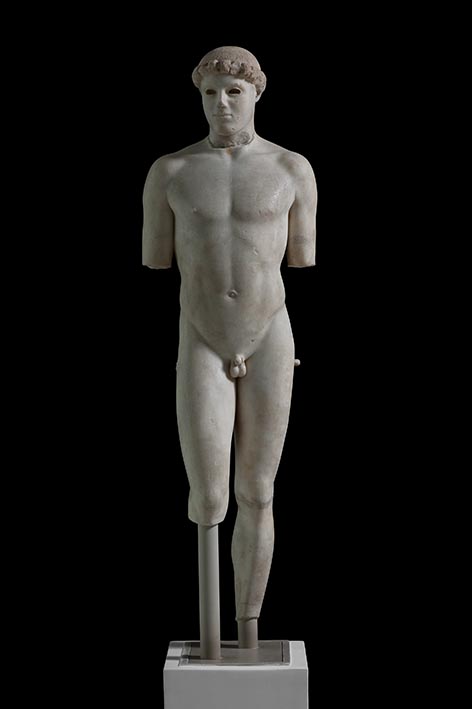
The principle subject of Ancient Greek sculpture. Subjects were usually male and nude.
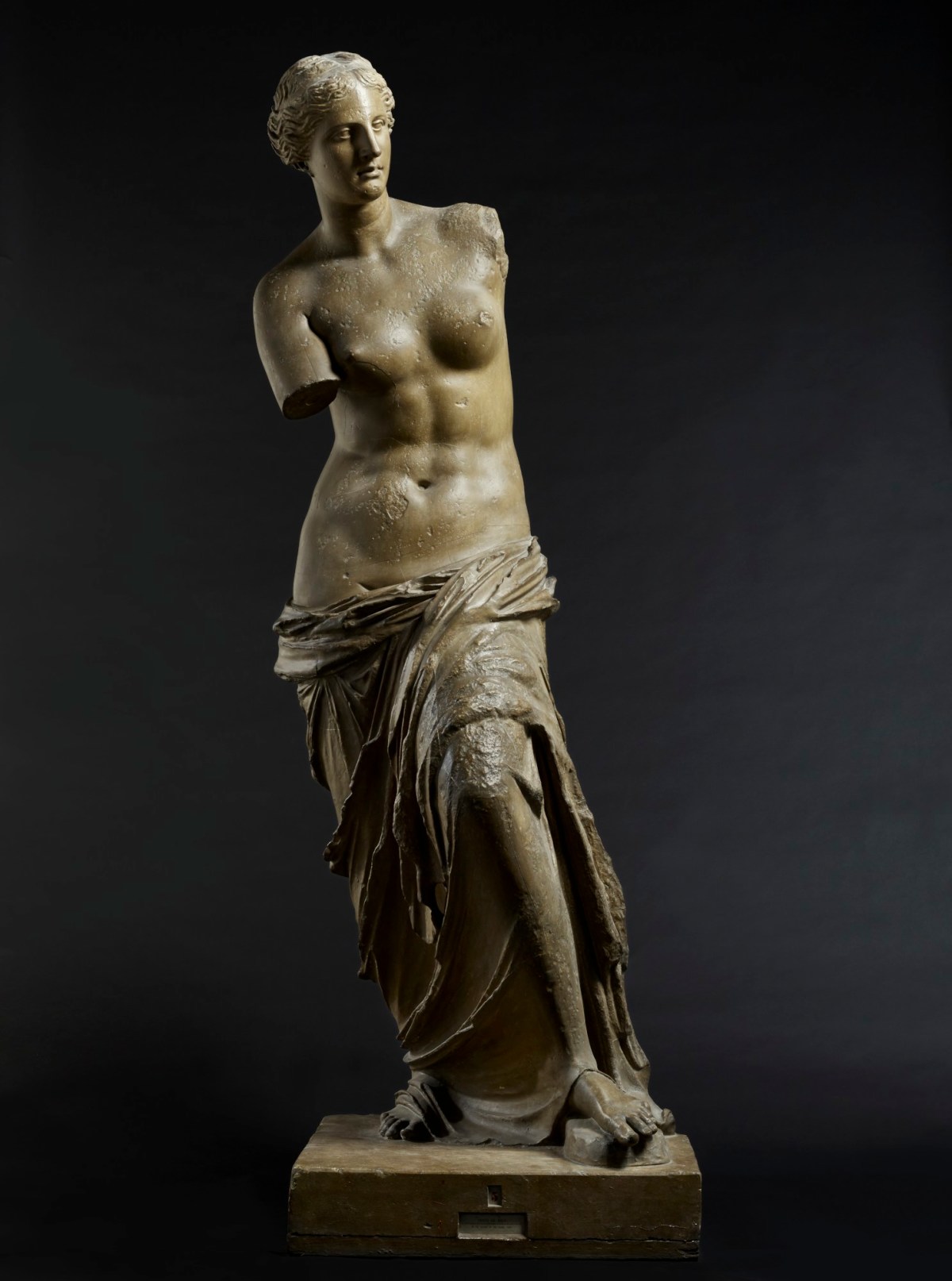
The Venus de Milo is an iconic piece which was crafted in Greece sometime between 130 BC and 100 BC, probably by Alexandros of Antioch.
The marble statue depicting the goddess of love, discovered in 1820 on the island Melos (Milos). This sculpture was meant to reflect the goddess of loves aloof demeaner.
Roman Sculpture : Brief History Of Sculpture – Sculpture Gallery UK
The statues were more lifelike than those of Ancient Greece and Egypt. Surprisingly, they were often brightly coloured, but the pigment has been lost, leaving the bare stone pieces that we see today.
Much Roman sculpture has survived, unlike the Greek works in Bronze which were copied by the Romans. Portraiture dominated Roman freestanding sculpture and the artists were less prone to idealising their subjects than their Greek predecessors.
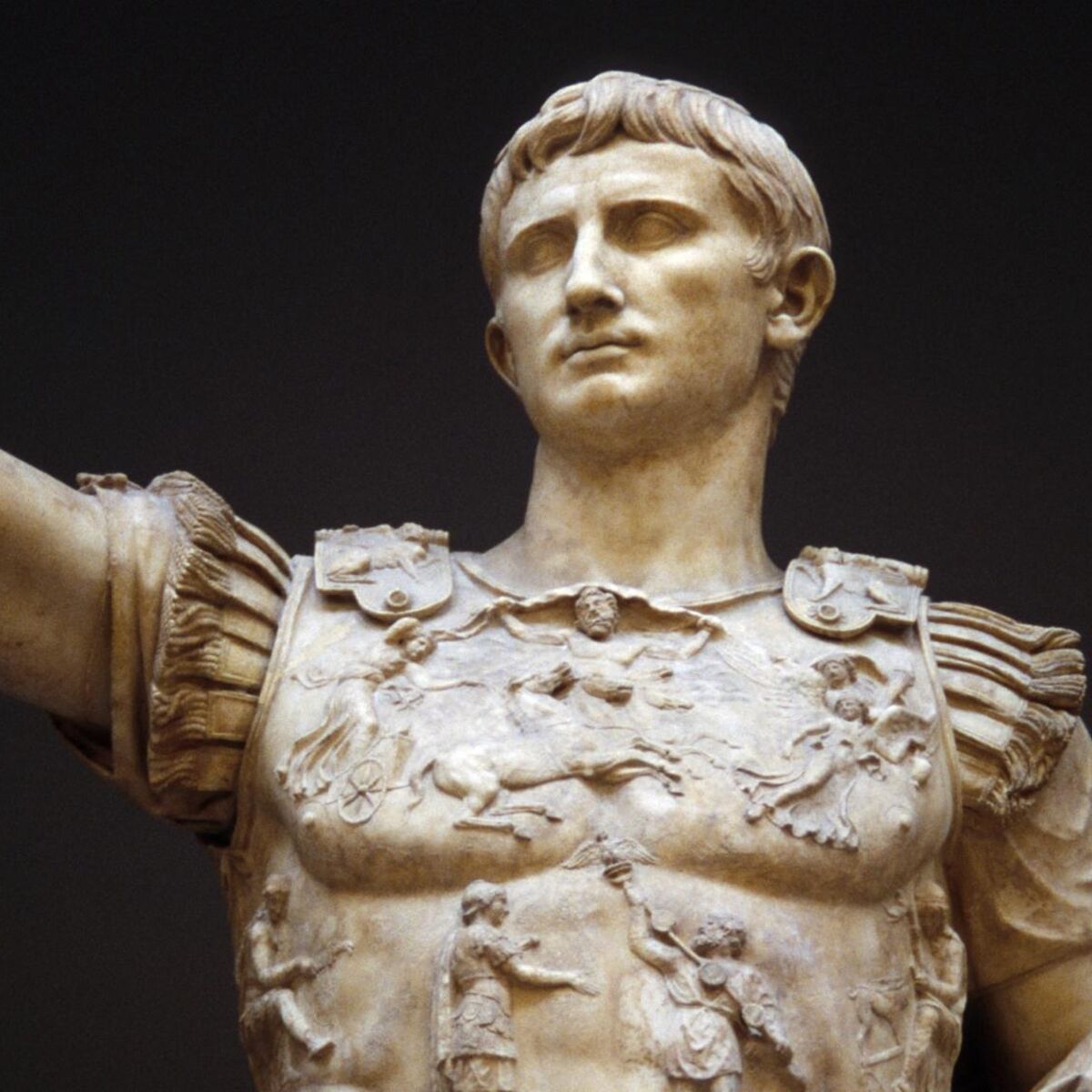
Portraiture dominated Roman art, perhaps because the Romans placed a huge emphasis on family and ancestors. They believed that it was a sign of great character not to gloss over any physical imperfections and for men to appear rugged. During the imperial era, however, the statues of emperors were idealised.
‘The influence of Greek and Roman art : Greco-Roman sculpture greatly influenced Western art. It had explored the potential of realism and the durability of stone sculptures ensured that many pieces survived. These continued to influence artists across the globe. Classical art then gradually fell out of favour in Europe but would be rediscovered during the Italian Renaissance.’
- Early Medieval art : Christianity to Europe, people needed to study the Bible, but many weren’t literate. It was therefore important to create visual imagery to tell the stories. Books, doors and friezes featured relief sculptures, many carved from ivory. The word of the gospels was often depicted in bronze reliefs on church doors. The Early Christians were opposed to monumental religious sculpture, although some Roman traditions were continued in the relief sculptures.
- Romanesque Art : From around the year 1000, economic growth in Europe led to a rebirth in art. A new style of Romanesque art was seen throughout the continent with the new cathedrals being decorated with stone reliefs. Romanesque art was vigorous in character and dominated by high relief sculpture including capital columns carved with complete scenes. Objects in precious metals were highly prized at this time and metalwork became much more sophisticated.
- Gothic Art : The Gothic era continued and expanded on the work of the early medieval period. Figures became more elaborate and the reliefs became higher with the figures now often being almost in the round. Some work showed an awareness of classical traditions. However, the Gothic period is essentially defined by the architecture.
Renaissance Sculpture : A Very Brief History of Sculpture – Sam’s Original Art
During the Renaissance, artists became more interested in reviving Classical works and focussed particularly on classical myths rather than Biblical narratives. People were questioning Medieval life, especially the undermining of woman and the shunning of creative thinking. The period saw a great increase in the patronage of sculpture by the state and by the wealthy seeking pieces for their homes. Monuments proliferated and religious sculpture was largely confined to church interiors. It was the era of the great masters Donatello, Michelangelo, Raphael, and Leonardo.

In 1497, he was commissioned to carve a Pietà. Showing the Virgin Mary grieving over the body of her deceased son. Completed when he was only 24 years old. This is the only work of art that Michelangelo ever signed. After it was unveiled, he heard spectators giving credit to others. So he snuck into the church in the middle of the night to make one last addition to his masterpiece. Carved into the ribbon across the Virgin’s chest, it reads, “Michelangelo Buonarroti, Florentine, made this.”
The 19 and 20th century sculpture : A Very Brief History of Sculpture – Sam’s Original Art
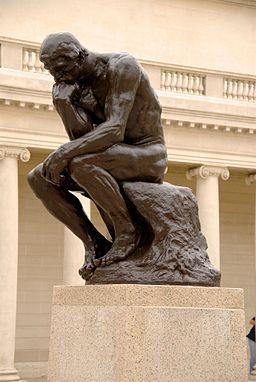
During the 19th and 20 centuries, sculptures began focusing more on personal expression, style and texture. One example is Rodin’s ‘The Thinker’ is an iconic piece commissioned in 1880.
Auguste Rodin is one of the more famous of the sculptors of the time, and is considered the father of modern sculpture.
19th Century Neoclassical sculpture :
Whilst Rococo sculpture retained its popularity in the late 18th Century and into the 19th Century, there was a growing desire for sculpture in the Neoclassical style.
“Neoclassicism emerged as a reaction against Rococo flamboyance, but also as a result of a renewed interest across the arts, literature and architecture in Classical subject matters. The Neoclassical style saw a return to Classical subject matter, yet avoided the rigidity of strict Classical form.”
Modern Sculpture :
Inspired from the Neoclassical style, a new movement called Modernism advanced for sculpture. Artist now wanted to include psychological realism to the sculptures themselves.
“Modernist sculpture encompassed many movements including Cubism, Geometric abstraction, De Stijl, Suprematism, Constructivism, Dadaism, Surrealism, Futurism, Formalism Abstract expressionism, Pop-Art, Minimalism, Land art, and Installation art.”
Blog – History of Antique Sculpture | Mayfair Gallery
So how is todays sculptures?
Nowadays sculpture include more expansion of their art pieces than just traditional pedestals. Blurring the line and using to work on wires, cables to allow movement and create kinetic sculptures. Some pieces now use larger construction of their work using cranes to piece together large-scale sculptures in wood, stone, and metal.
Some artists have taken this one step further “by mixing sculptural materials with sound, light, video projection, and two-dimensional images to create three-dimensional environments. This form of art, known as installation art, goes beyond the traditional viewing of a sculpture.”
Installation artists modify the way we interact with a particular space by creating an immersive, multi-sensory experience in which a viewer can participate.
Leave a Reply