All projects / 01 Trailbound / 02 Factory Flow / 03 Frontline Command
PROJECT 03 · EARLY GAME CONCEPT
Frontline Command
Build, defend and decide when to advance.
COMMAND · ARMY · STRATEGIC
Single-player real-time strategy / PC / Proposed session: 6–8 minutes
Lead a small fictional force, collect resources and build a compact base. Balance defence and expansion before committing to an attack on the rival headquarters.
01 / The player experience
You are a commander responsible for a base and a small group of units. Resources are limited, so every new building or unit delays another opportunity. A clear view of the battlefield matters as much as army size.
Player goal: Protect your headquarters and destroy the rival headquarters.
Emotional goal: Feel that a victory follows from a clear plan and a well-timed decision.
Real-world visual research
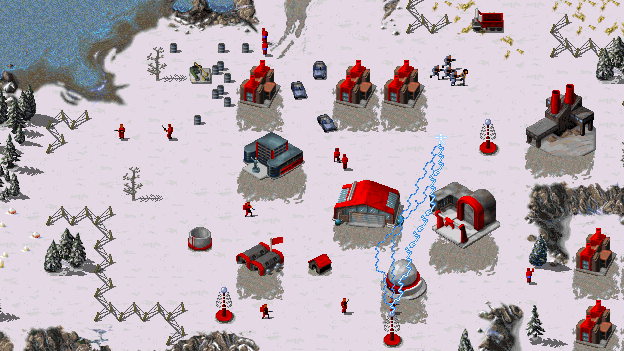
Photographs inform the visual organisation of this fictional game: distinguish headquarters, vehicle spaces and support buildings at a glance.

Photo: U.S. Navy / Camp Mitchell
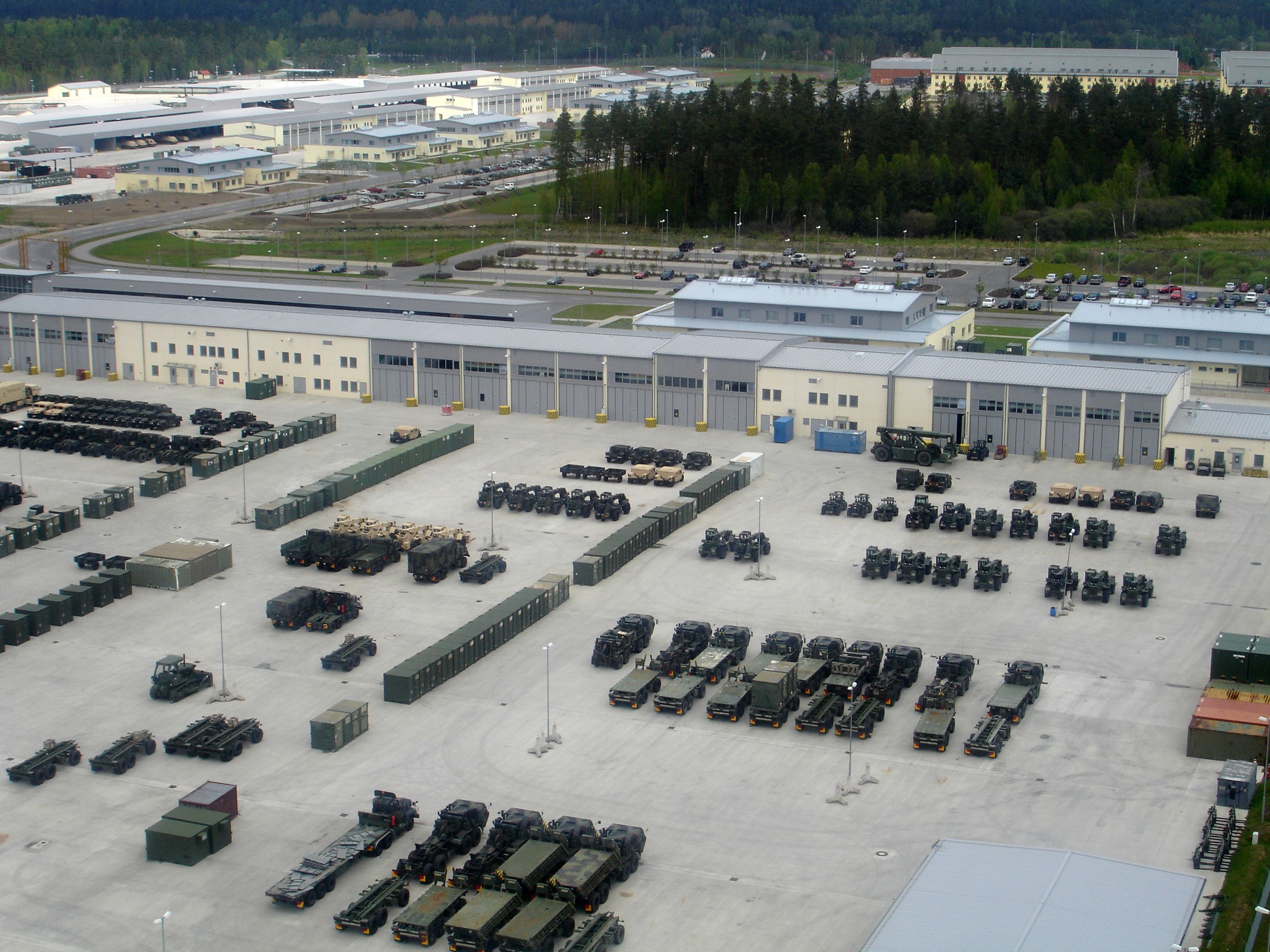
Photo: U.S. Army / Europe District
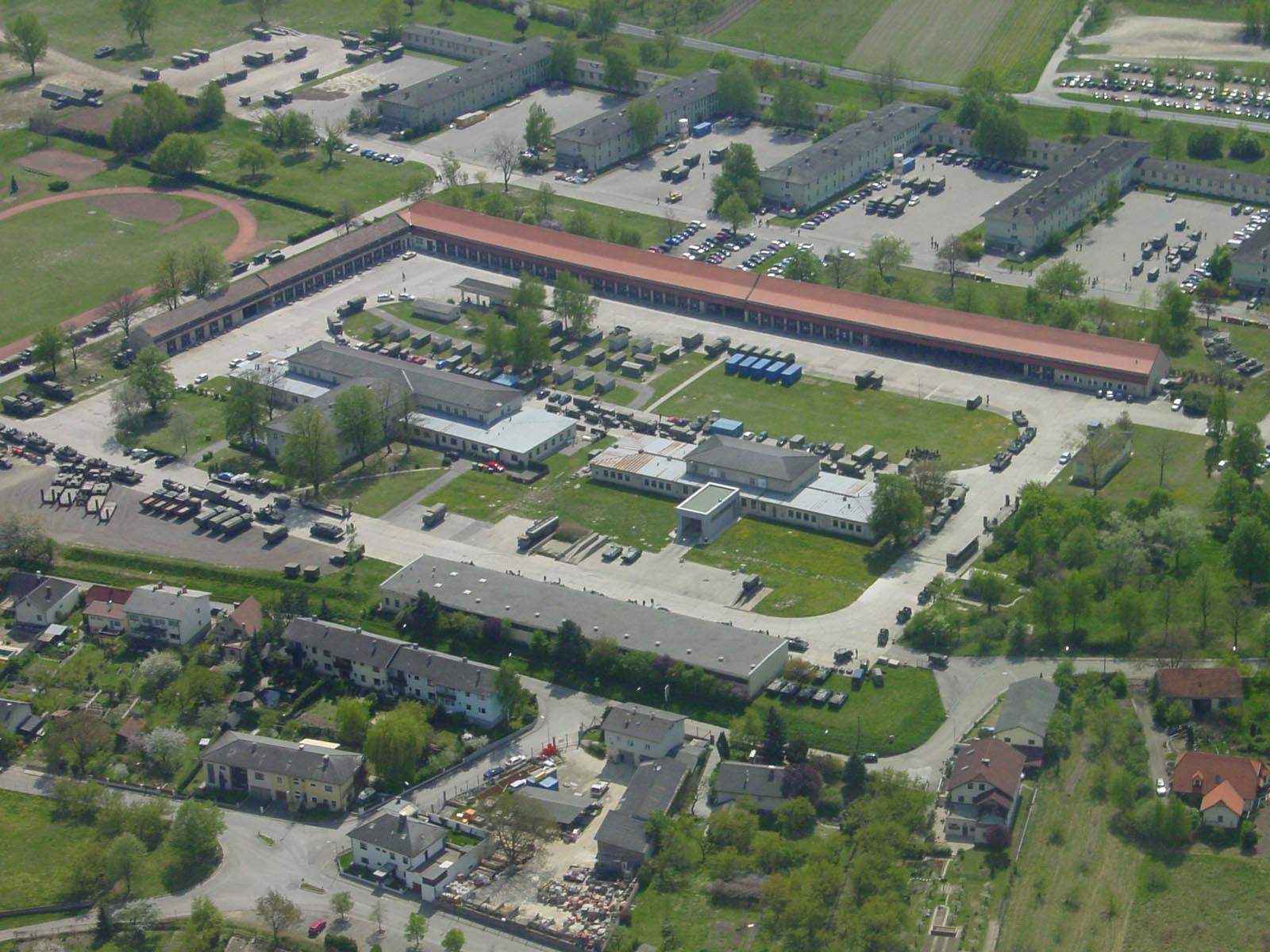
Photo: Austrian Armed Forces
02 / Core gameplay loop
Gather → Build → Train → Scout → Defend or advance → Reinvest
- Gather: A worker collects one resource type and returns it to the headquarters.
- Build: Place a barracks to unlock combat units or a tower to protect the base.
- Command: Click or drag to select; right-click to move or attack; use a visible stop button to cancel an order.
- Scout: Explore a small map. Fog of war hides areas outside unit vision.
- Choose: Spend on a stronger economy, a defensive structure or a mobile force.
Planned unit roles: Worker — economy; scout — fast vision; guard — slower, stronger defence. Distinct silhouettes and labels make roles visible without relying on colour alone.
Consequences: Over-expansion leaves the headquarters exposed. Attacking too early loses units; waiting too long lets the opponent grow. Headquarters health reaching zero ends the match.
03 / A moment worth presenting
You have 100 credits. A tower costs 80, a scout costs 40 and a guard costs 60. The next enemy wave is announced, but the rival base has not yet been explored.
Audience prompt: “Would you build the tower, or train a scout and a guard?”
Design question: Can a tiny set of units create different viable strategies? These example costs are starting values for testing, not final balance.
04 / First playable scope
- One compact map with two headquarters and a central route.
- One resource type, three unit roles and two buildable structures.
- Selection, movement, basic combat, fog of war and health feedback.
- One scripted opponent with clearly signalled waves; victory, defeat and restart.
Later possibilities: More maps, smarter opponents and optional unit upgrades. Multiplayer and large armies sit outside the first prototype.
Development plan
- Week 1 — Control: Greybox the map; implement selection, movement and basic pathfinding.
- Week 2 — Economy: Add gathering, construction, training and the three unit roles.
- Week 3 — Match: Add enemy waves, combat feedback and end states; test with five players.
Main development risk: Unit navigation and simultaneous systems can expand quickly. Use a small map, low unit count and simple enemy scripts to keep testing manageable.
Playtest targets: Four of five players can gather, build and issue an order after a short tutorial; players recognise each unit’s purpose; at least two opening plans can win after balancing. No playtests have been completed yet.
Research next: Study how OpenRA presents selection, production queues and fog of war. Translate those observations into a much smaller fictional strategy game.
05 / Presentation notes
Suggested delivery: 2 minutes — pitch 20s, visual references 20s, resource decision 40s, prototype plan 40s.
Open the short speaking script
“Frontline Command is a small real-time strategy concept built around command, army and strategic. The player gathers resources, builds a base and commands a few clearly different units. My aim is to create meaningful choices using a limited set of systems. For example, a defensive tower keeps the base safer, while a scout and a guard offer information and mobility. Both use the same budget, so the player has to choose. The first prototype will include one map, one resource and a scripted opponent. I will focus on readable controls and clear feedback before adding complexity. What excites me is seeing players develop different plans from the same starting position.”
Status: concept proposal. Rules, costs and milestones are provisional. Three real-world photographs and one existing-game screenshot are used; no AI-generated imagery.
All projects / 01 Trailbound / 02 Factory Flow / 03 Frontline Command