Written by Yulia
This habitat and resource research was conducted to explore how different animal species and environmental regions could support world design development within Soul Keeper.
This research primarily focuses on the habitat environments, ecological structures and natural resources associated with six animal species, with the aim of creating clearer distinctions between different regions in terms of visual atmosphere, resource distribution and environmental storytelling.
In addition to this foundational ecological research, I have also sought to consider how these habitat characteristics might support gameplay interaction, player exploration and subsequent environmental asset development.
This material will subsequently be provided to the art team as a visual reference and guide for environment planning, helping the team maintain consistency in asset production and scene atmosphere, whilst ensuring that the resource system integrates more naturally into the game world.
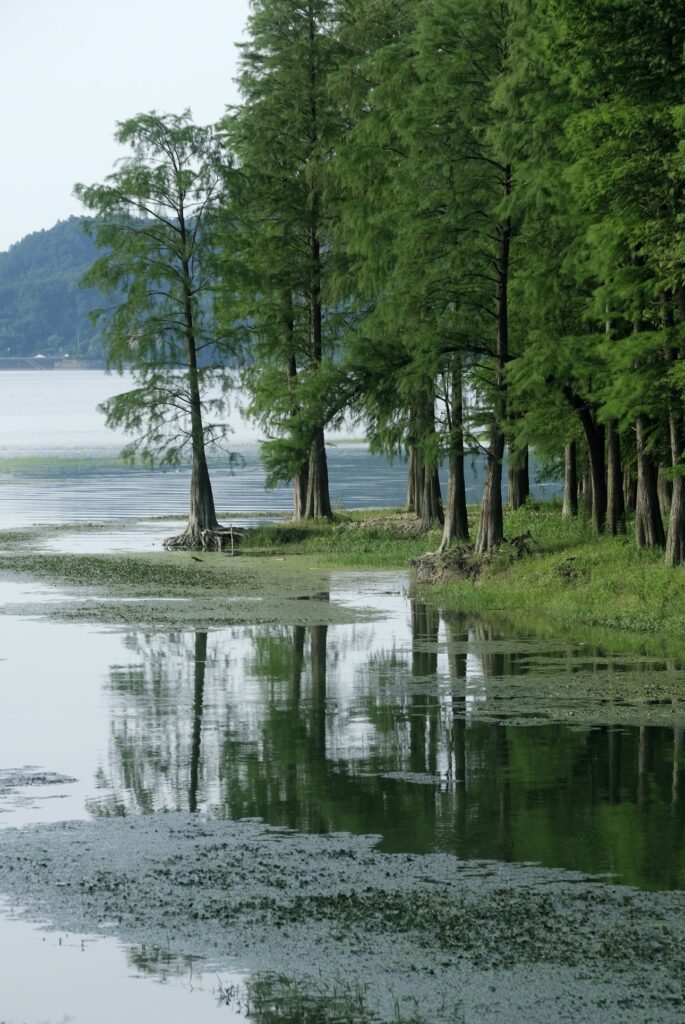
Lake location
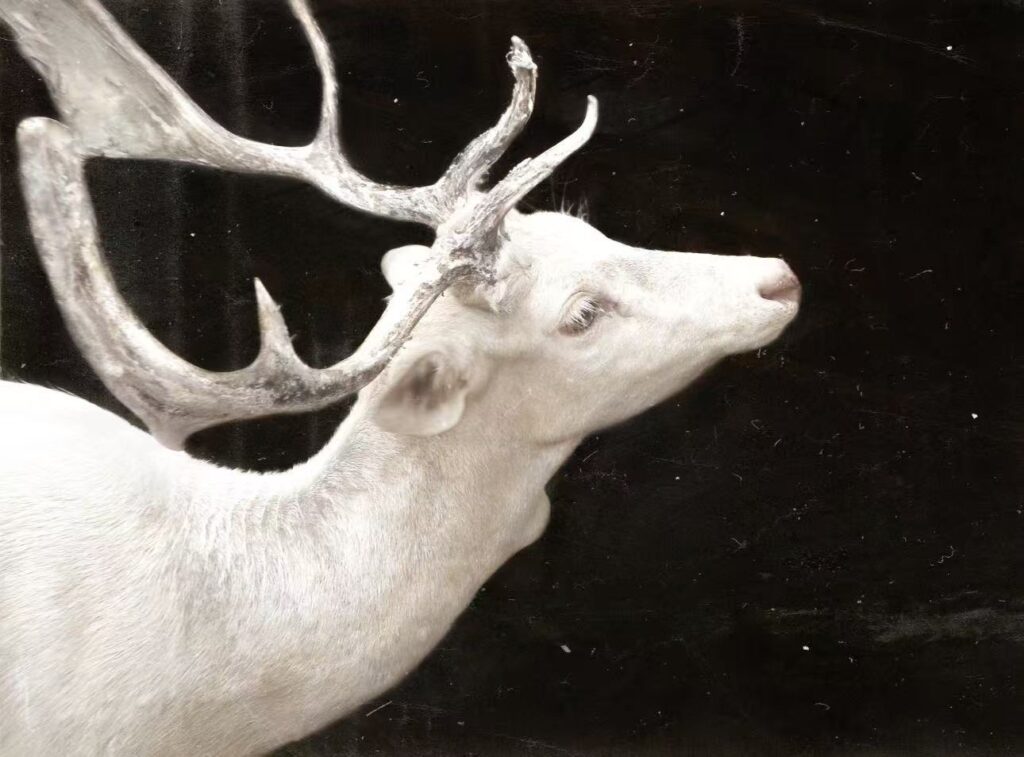
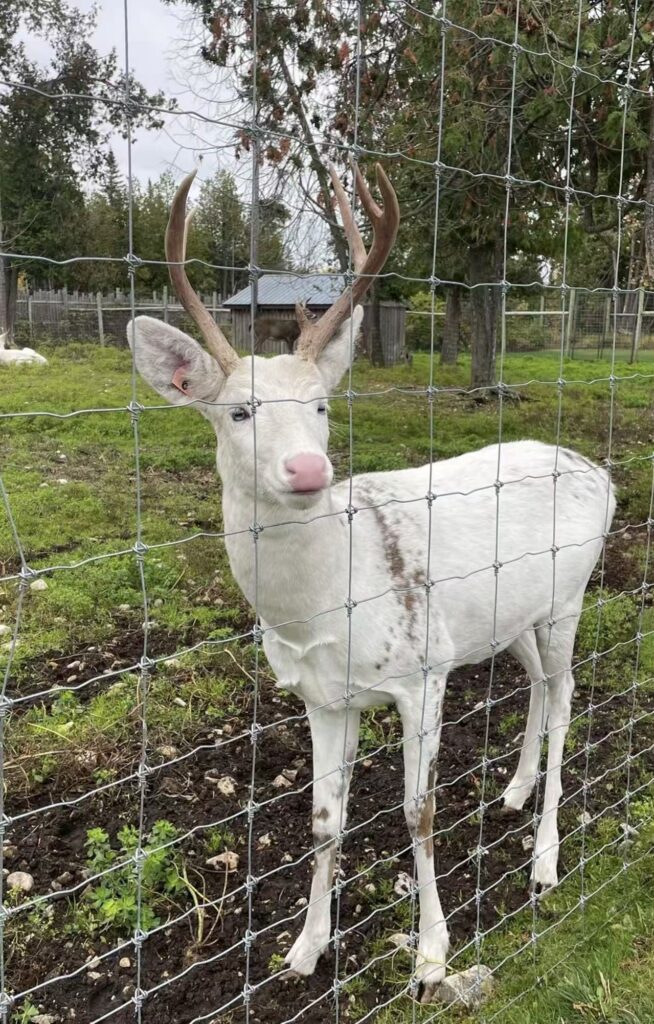
– White Stag
Habitat Environment
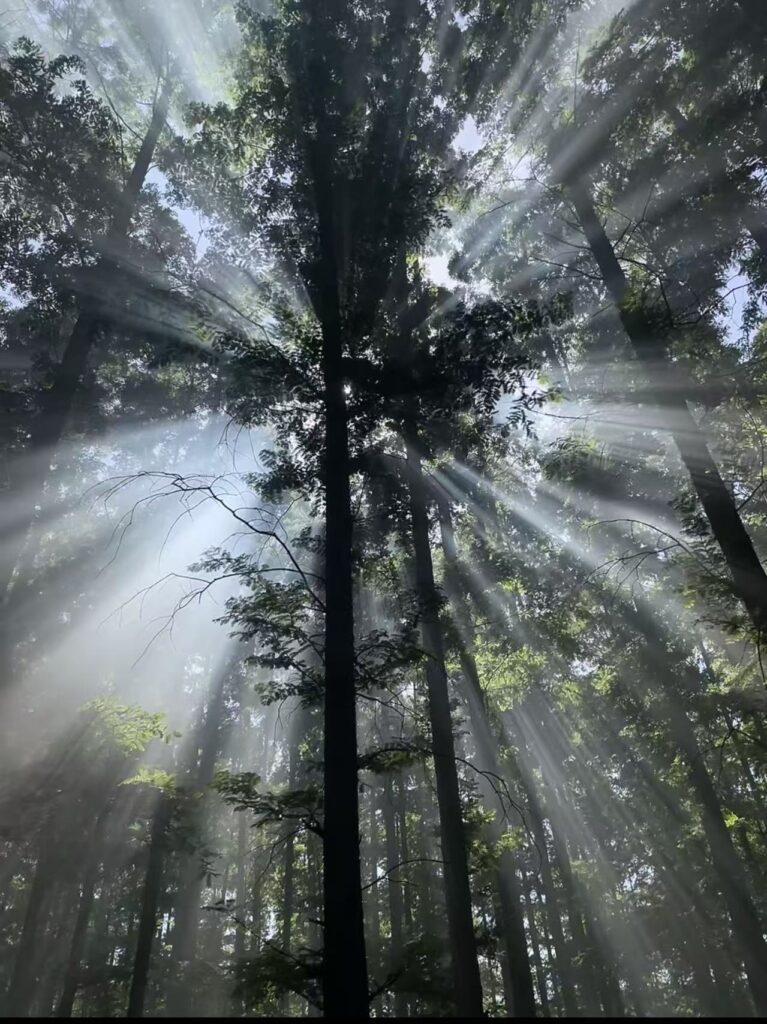
The White Stag inhabits lake-adjacent forest edges and open lakeside clearings.
This area typically features shallow water zones, soft soil, and dense but low-height vegetation near the waterline.
Climate & Temperature
The lake area maintains a cool and temperate climate, with relatively stable temperatures throughout the day.
Morning fog and light humidity are common, especially near the water surface.
Vegetation & Natural Resources
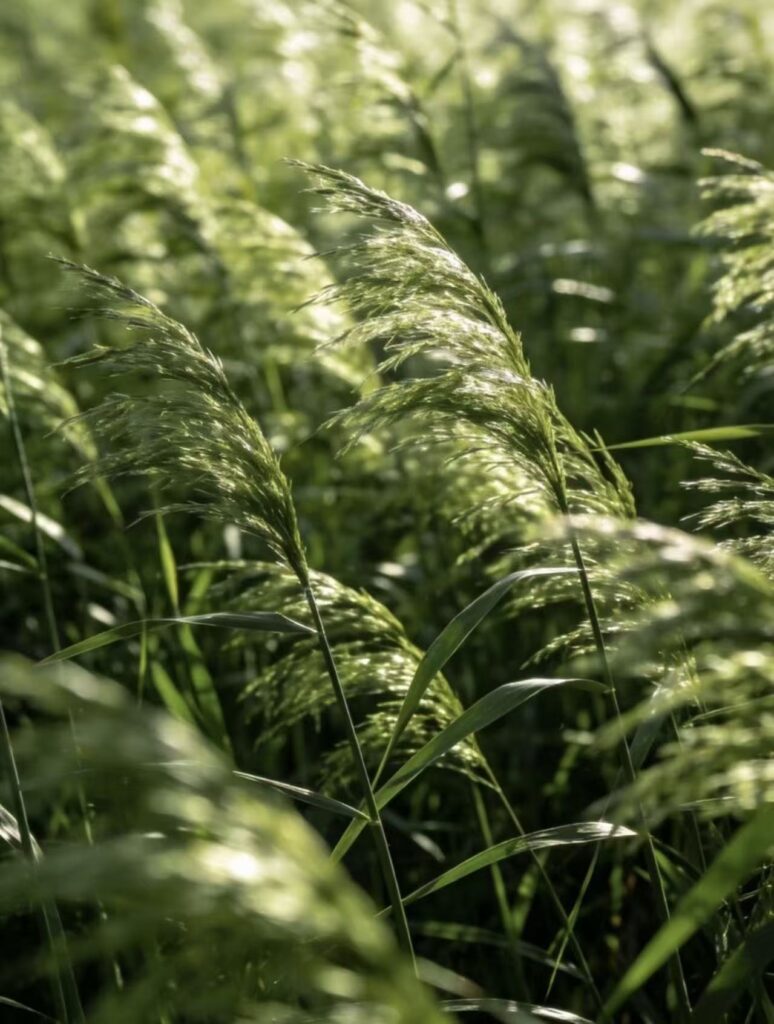
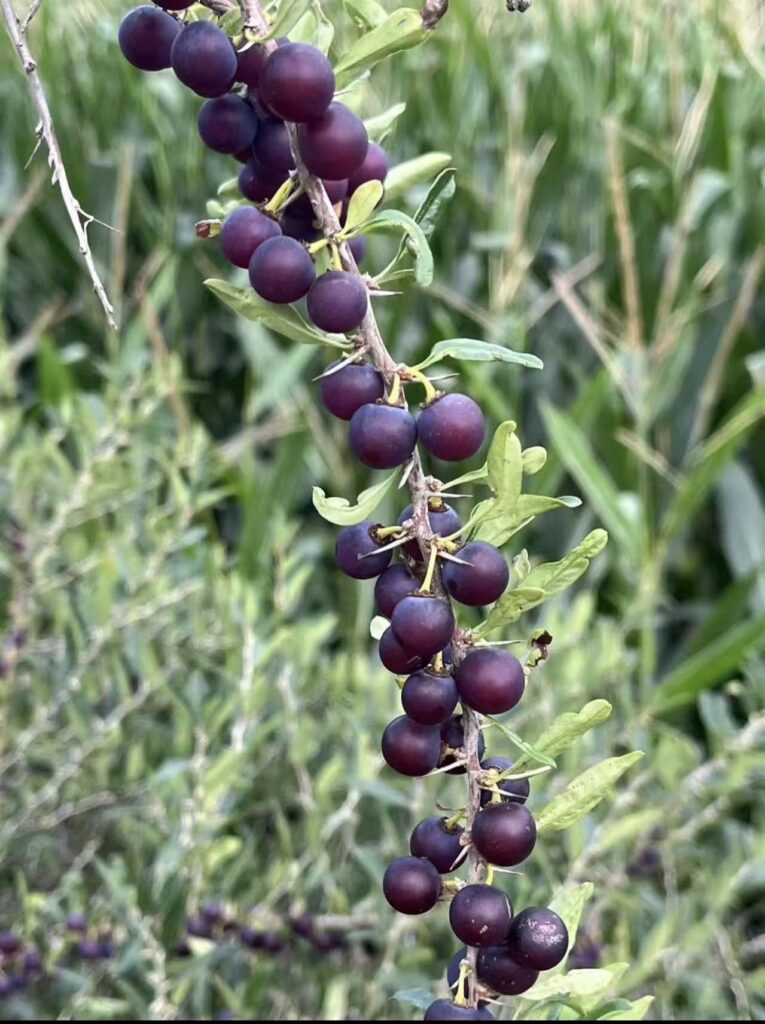
Typical vegetation includes reeds, soft grass, low shrubs, and berry-bearing plants near the lake edge.
Trees are spaced further apart, allowing sunlight to reach the ground.
Potential In-Game Resources:
• Collectible berries or plants
• Visual materials (reeds, grass movement)
• Ground textures (wet soil, trampled grass)
References
- Woodland Trust – Deer Habitat and Woodland Behaviour
https://www.woodlandtrust.org.uk/trees-woods-and-wildlife/animals/mammals/red-deer/ - Animal Diversity Web – Cervidae Ecology and Behaviour
https://animaldiversity.org/accounts/Cervidae/ - National Geographic – Deer Family Facts and Behaviour
https://www.nationalgeographic.com/animals/mammals/facts/deer-family




Realistic Animal Behavior Reference
In real ecosystems, deer are cautious and observant animals.
They often move slowly, pause frequently, and remain alert to environmental sounds rather than fleeing immediately.
– Egret

Habitat Environment
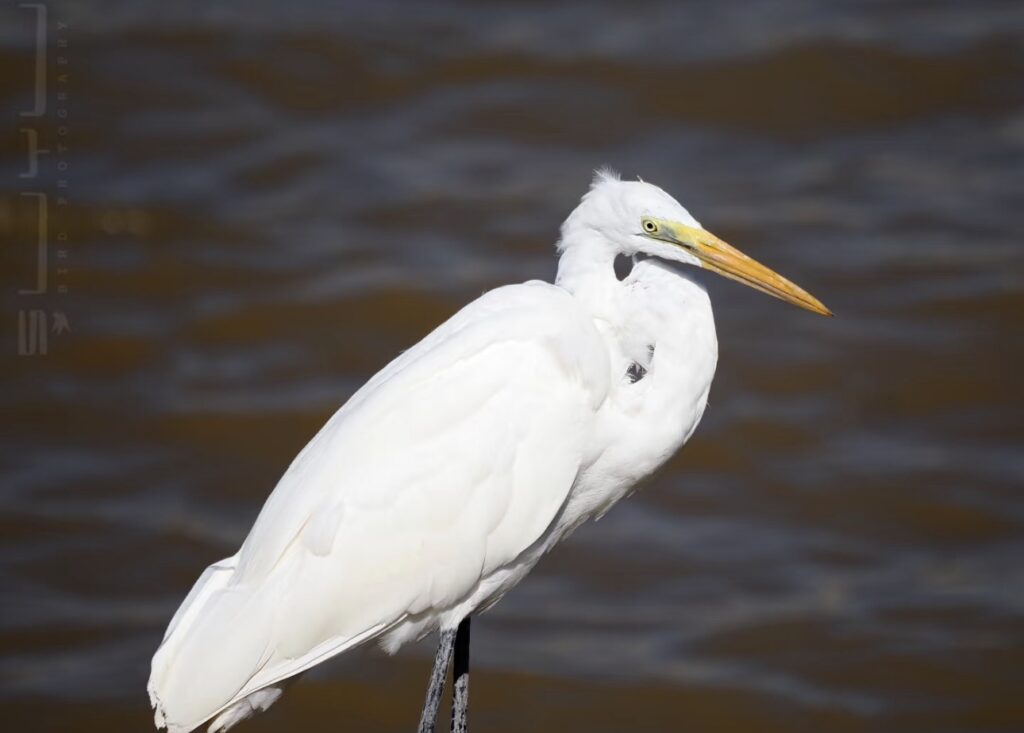
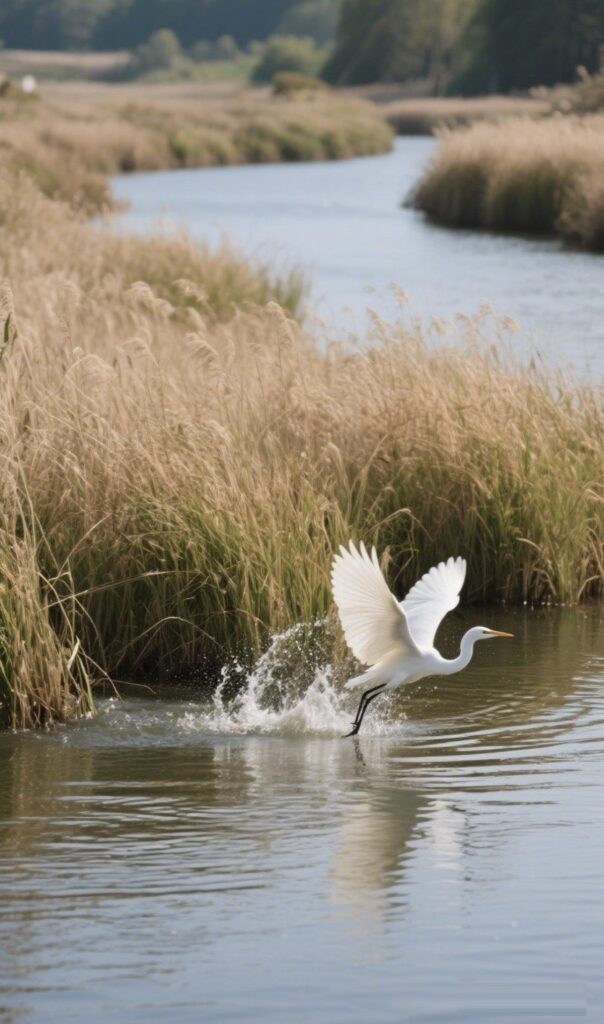
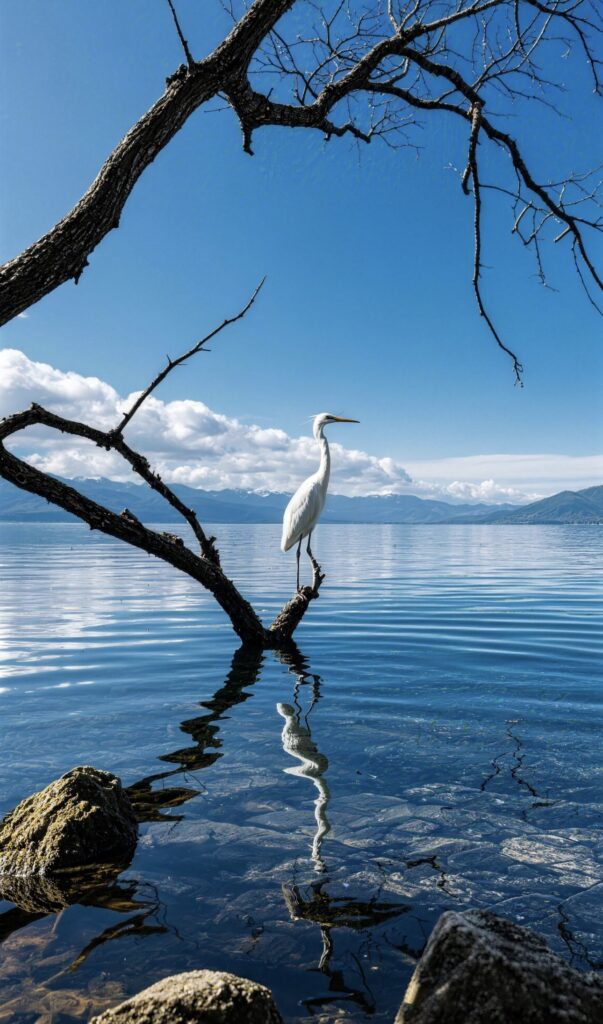
The great egret typically lives near water edges and marshy lakes where shallow water, and reeds provide a comfortable area for wading and feeding.
Climate & Temperature
These environments tend to be warm temperate to mild, with steady humidity near water surfaces.
Vegetation & Natural Resources
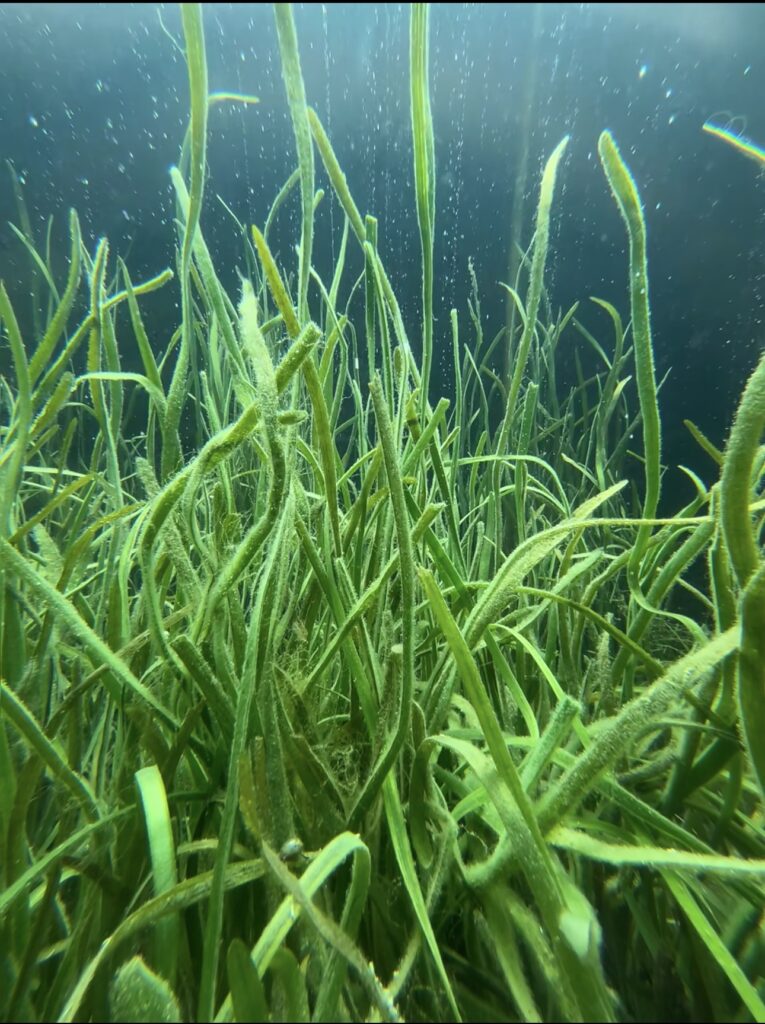
Vegetation around these areas includes shallow aquatic plants, reeds, marsh grasses, and patches of low shrubs.
Potential In-Game Resources:
• Aquatic plants and algae
• Reeds and shoreline vegetation
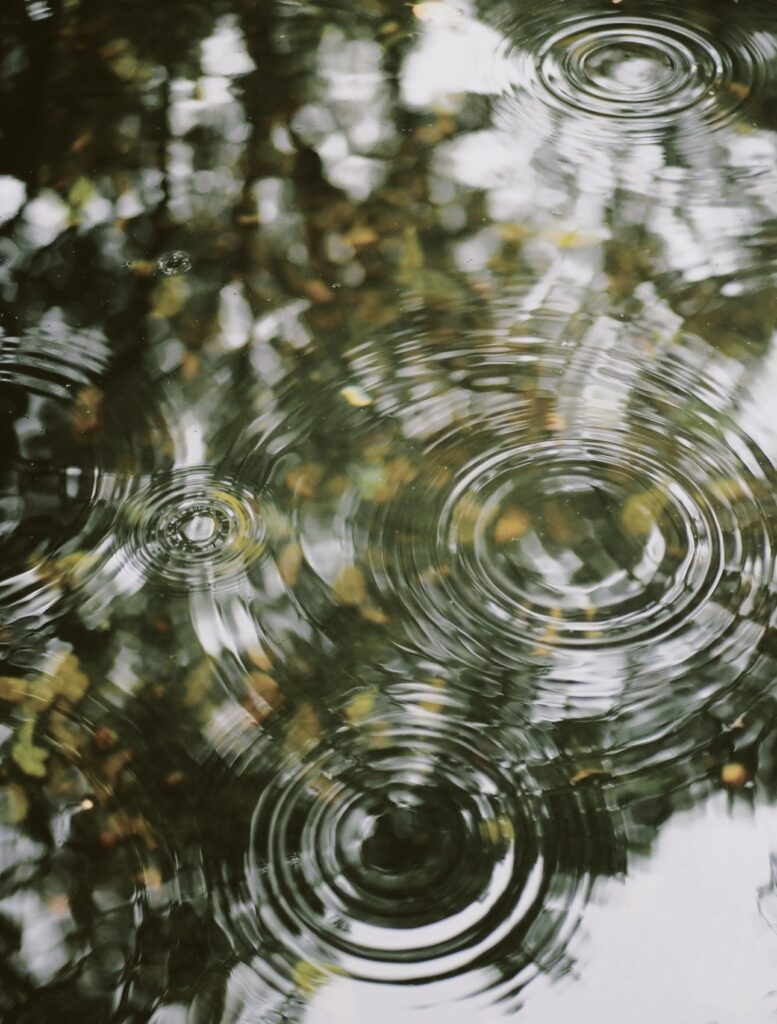
• Wet ground and shallow water textures
• Subtle water movement and ripple visuals
References
- Cornell Lab of Ornithology – Great Egret Overview
https://www.allaboutbirds.org/guide/Great_Egret/overview - Cornell Lab of Ornithology – Great Egret Identification & Behaviour
https://www.allaboutbirds.org/guide/Great_Egret/id - Australian Museum – Great Egret Habitat Information
https://australian.museum/learn/animals/birds/great-egret/

Realistic Animal Behavior Reference
Great egrets feed and stand in shallow water and build tree nests close to water. For the game, placing the egret’s leg entangled in algae logically follows from its water-edge habitat and slow, careful wading behaviour.
Clearing location
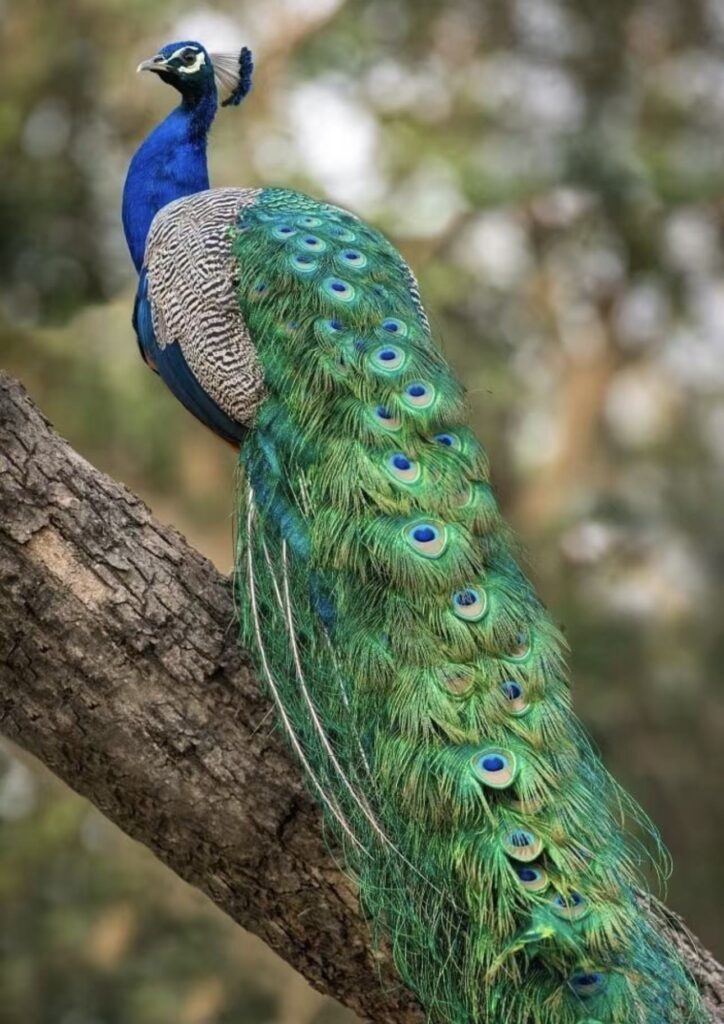
– Peacock

Habitat Environment
Peacocks thrive in open fields and forest edges with access to light and scattered vegetation.
Climate & Temperature
The warm, open clearing environment supports vibrant plant colours and bird display behaviours.
Vegetation & Natural Resources
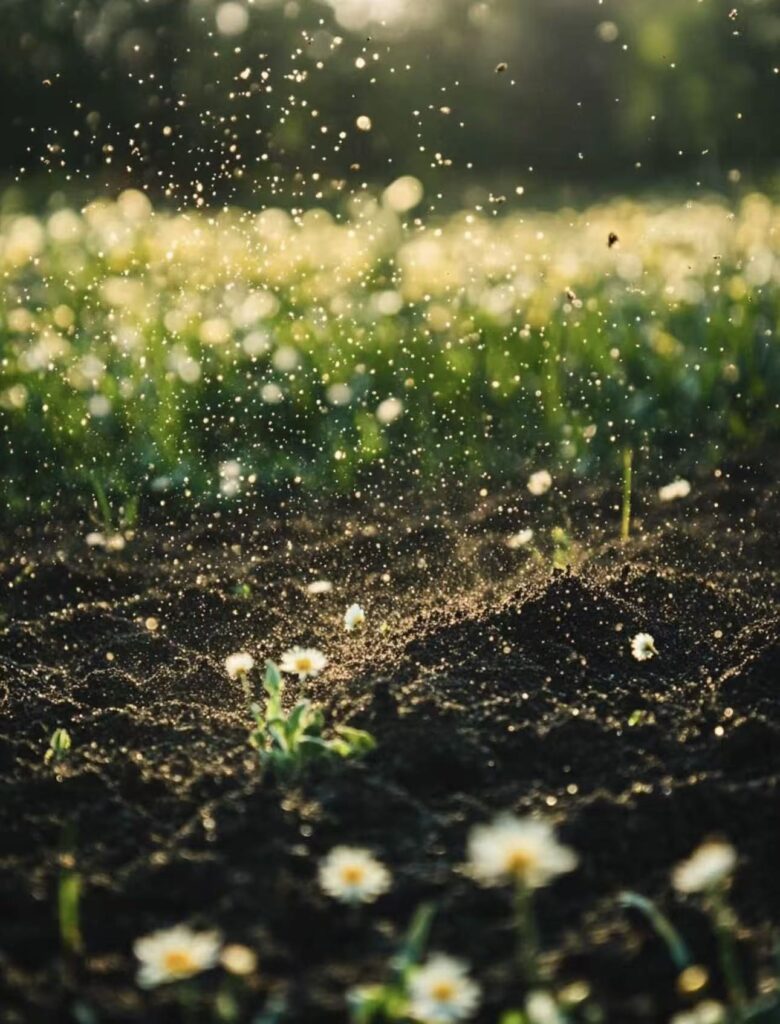
Vegetation includes grasses, wildflowers, and low shrubs that provide natural pigments and visual variety.
Potential In-Game Resources:
• Flowers and pigment-rich plants
• Feather-based visual materials
• Soft soil and decorative ground cover
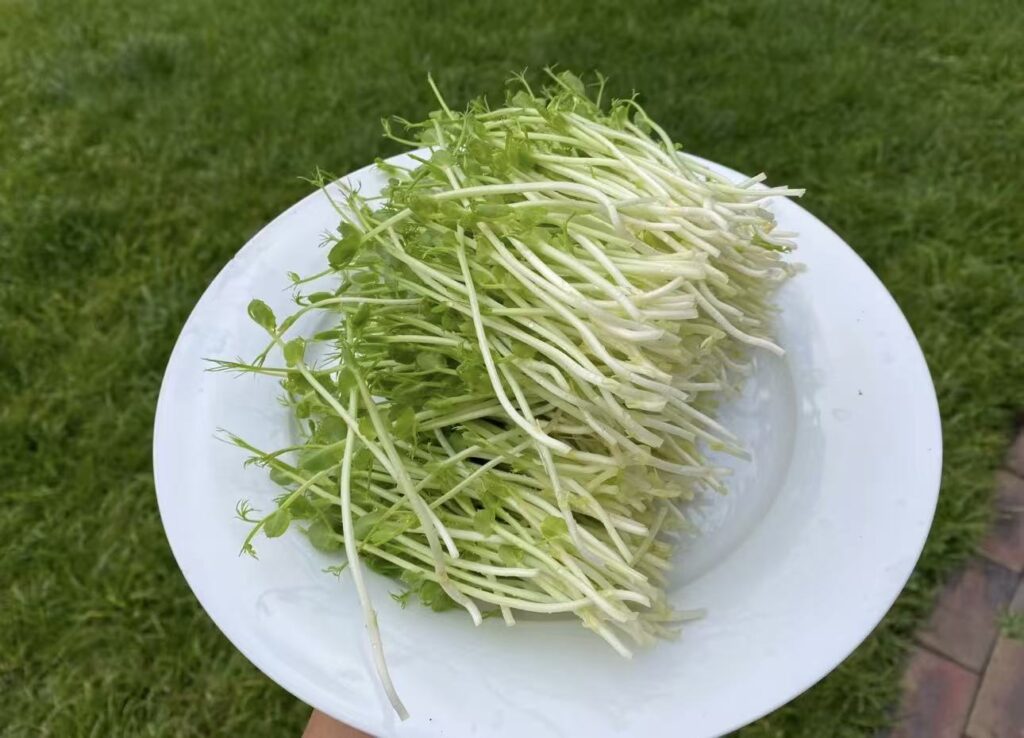
• Peacock diet: rice grains, sprouts, grass seeds, etc.
References
- San Diego Zoo – Peafowl Behaviour and Habitat
https://animals.sandiegozoo.org/animals/peafowl - National Geographic – Peacock Facts
https://kids.nationalgeographic.com/animals/birds/facts/peafowl - Britannica – Peacock Description and Ecology
https://www.britannica.com/animal/peacock-bird



Realistic Animal Behavior Reference
Peacocks are known for visual display and plumage, making repainting feathers in-world logically tied to their behavioural ecology.
Gypsy Horse


Habitat Environment
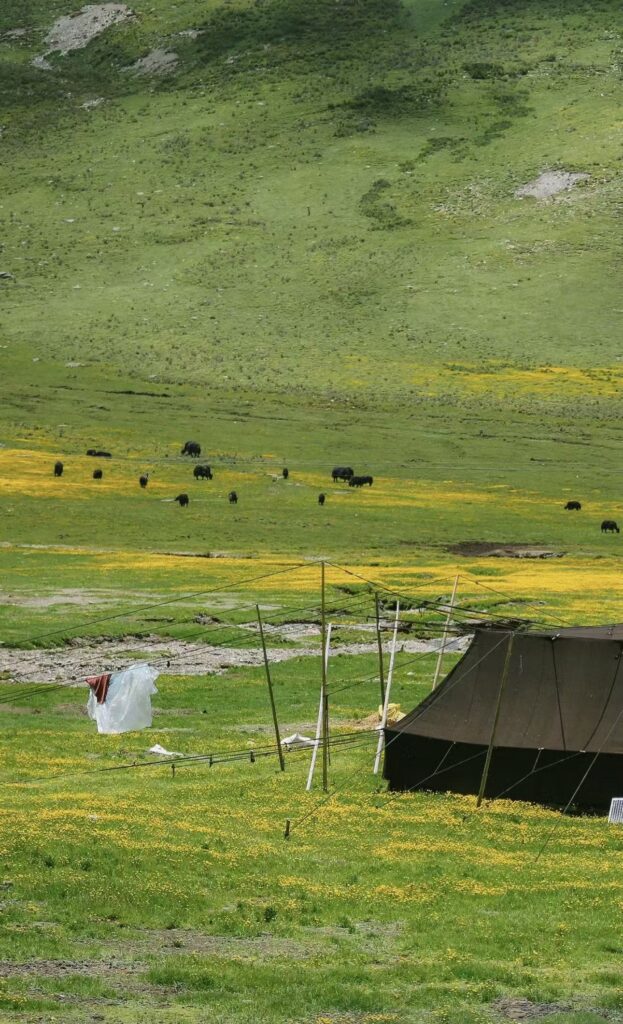
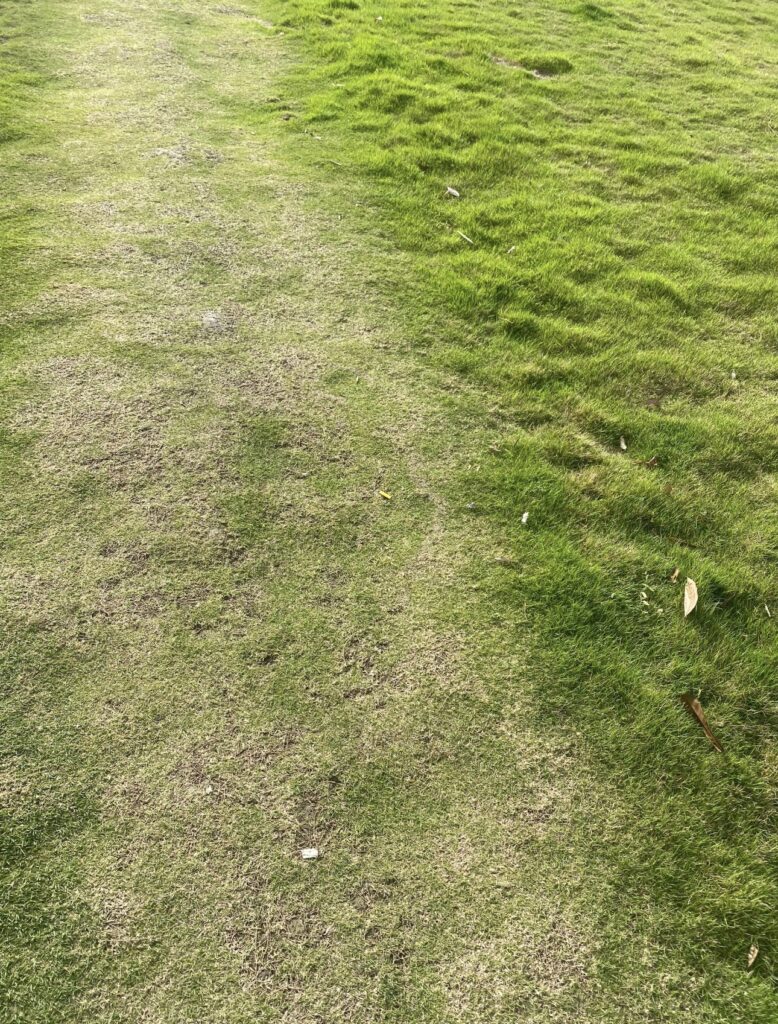
The Gypsy Horse type inhabits grassy clearings and edges, where fruit and edible vegetation grow at reachable heights.
Climate & Temperature
Warm open spaces with intermittent shade allow robust plant and tree growth.
Vegetation & Natural Resources
Vegetation includes grass, shrubs, and fruit-bearing branches within reach or slightly above reach.
Potential In-Game Resources:
• Grasslands and grazing plants
• Fallen fruits and low vegetation
• Trampled grass ground textures
• Natural open paths formed by movement
References
- The Spruce Pets – Horse Grazing Behaviour
https://www.thesprucepets.com/horse-grazing-behavior-1886181 - RSPCA – Horse Environment and Welfare Needs
https://www.rspca.org.uk/adviceandwelfare/pets/horses/environment - Britannica – Horse Behaviour and Habitat
https://www.britannica.com/animal/horse



Realistic Animal Behavior Reference
Horses are grazing animals, instead, the horse is drawn to fallen or partially reachable fruit but remains cautious of unstable surroundings.
Cliffside
– Cormorant

Habitat Environment
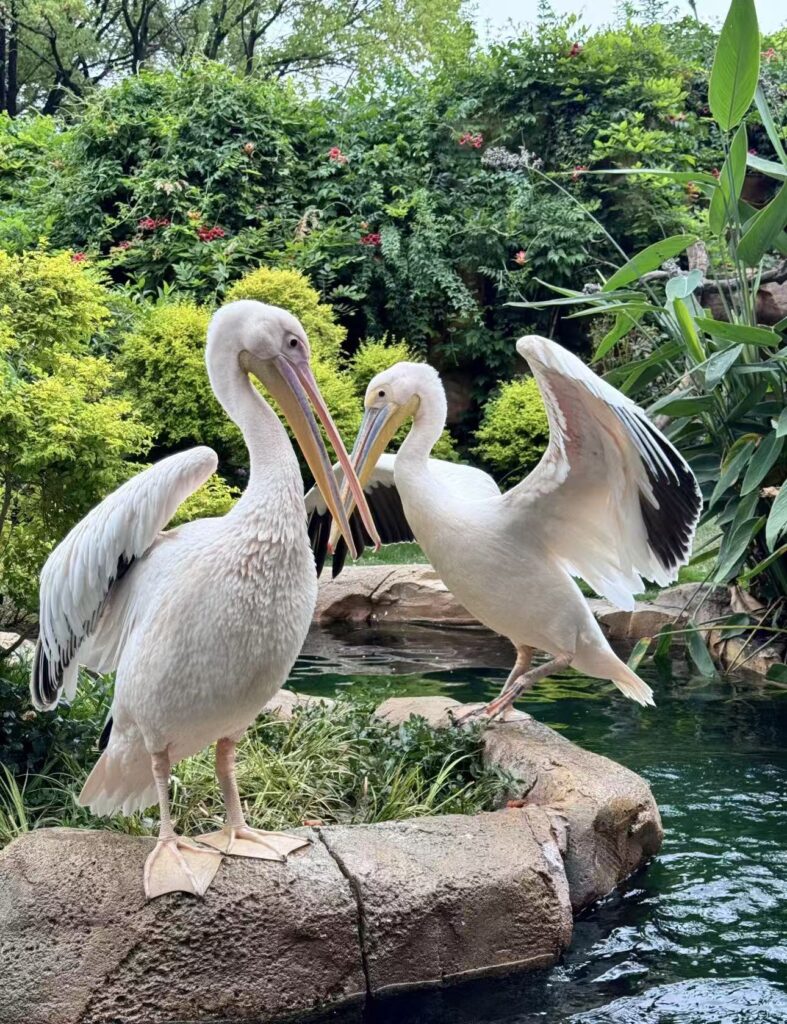
Pelicans are commonly found near lakes, coastal waters, and large bodies of shallow water, where they can easily hunt for fish. They often stay close to shorelines or calm water areas.
Climate & Temperature
Pelicans prefer mild to warm climates, as stable temperatures support consistent fish populations.
Vegetation & Natural Resources
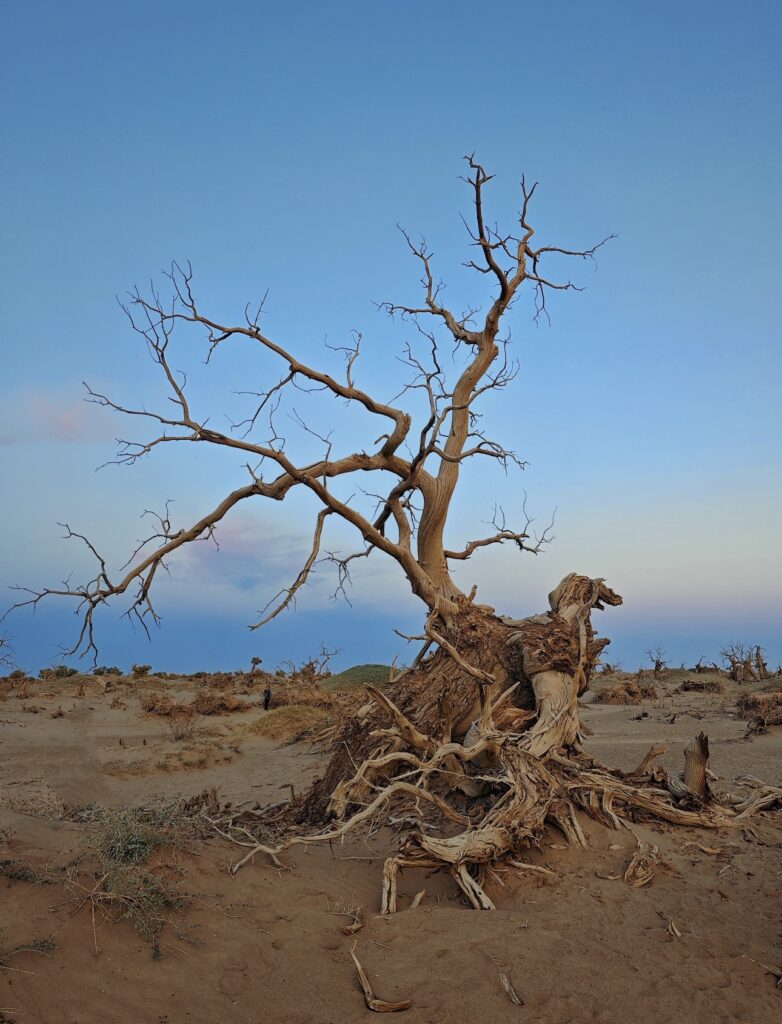
Cliffside areas yield twigs, grass stems, and light vegetation fragments after storms. The surrounding environment usually includes reeds, aquatic plants, shallow water algae, and small fish populations.
Potential In-Game Resources:
• Twigs, branches, and nesting materials
• Wind-exposed vegetation
• Rocky ground and cliff textures
• Broken or abandoned nest visual assets
References
- National Geographic – Pelican Facts and Habitat
https://www.nationalgeographic.com/animals/birds/facts/pelicans - San Diego Zoo – Pelican Behaviour
https://animals.sandiegozoo.org/animals/pelican - Britannica – Pelican Ecology and Feeding Behaviour
https://www.britannica.com/animal/pelican


Realistic Animal Behavior Reference
Cormorants rebuild nests from available materials. Pelicans are known for staying near water for long periods while fishing and resting, making them naturally integrated into lake-based gameplay moments.
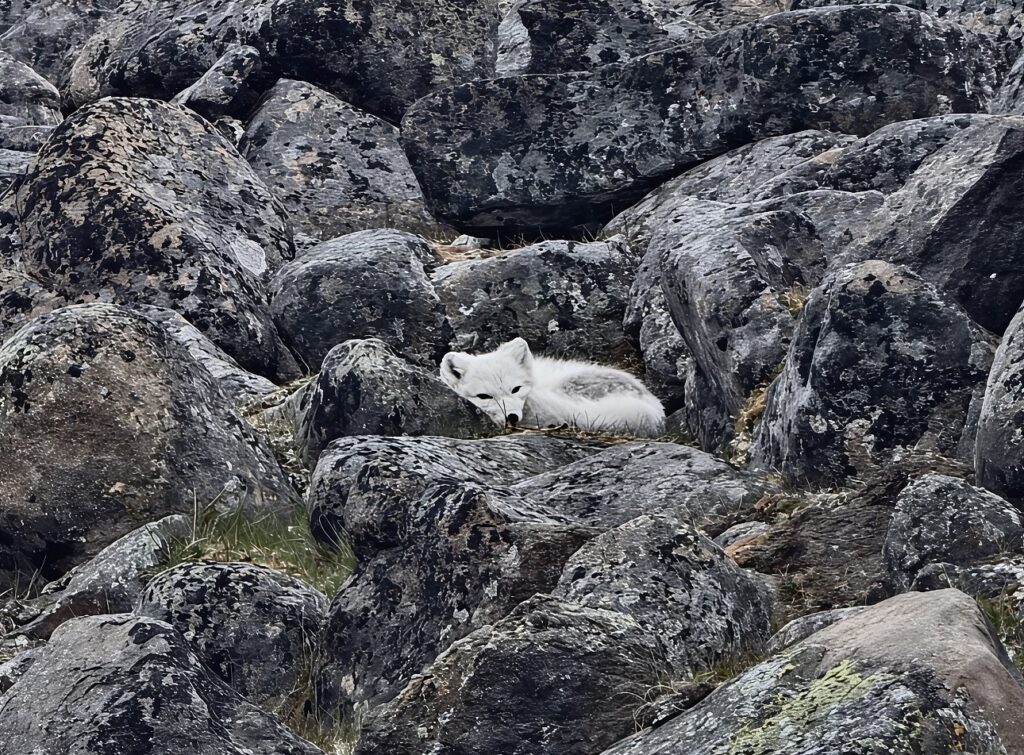
– Arctic Wolf

Habitat Environment
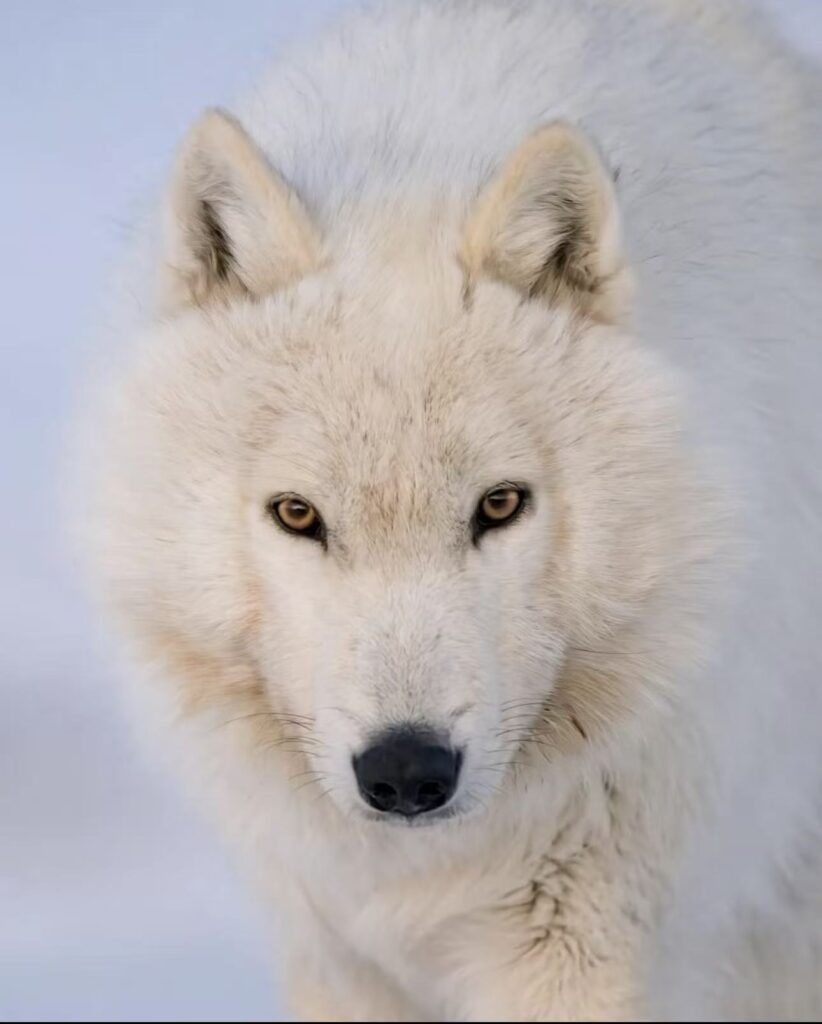
The Arctic wolf is native to tundra and cold regions, but within the game’s cliffside biome, a similar grey-wolf type can be found where cooler winds and rocky shelter provide habitat.
Climate & Temperature
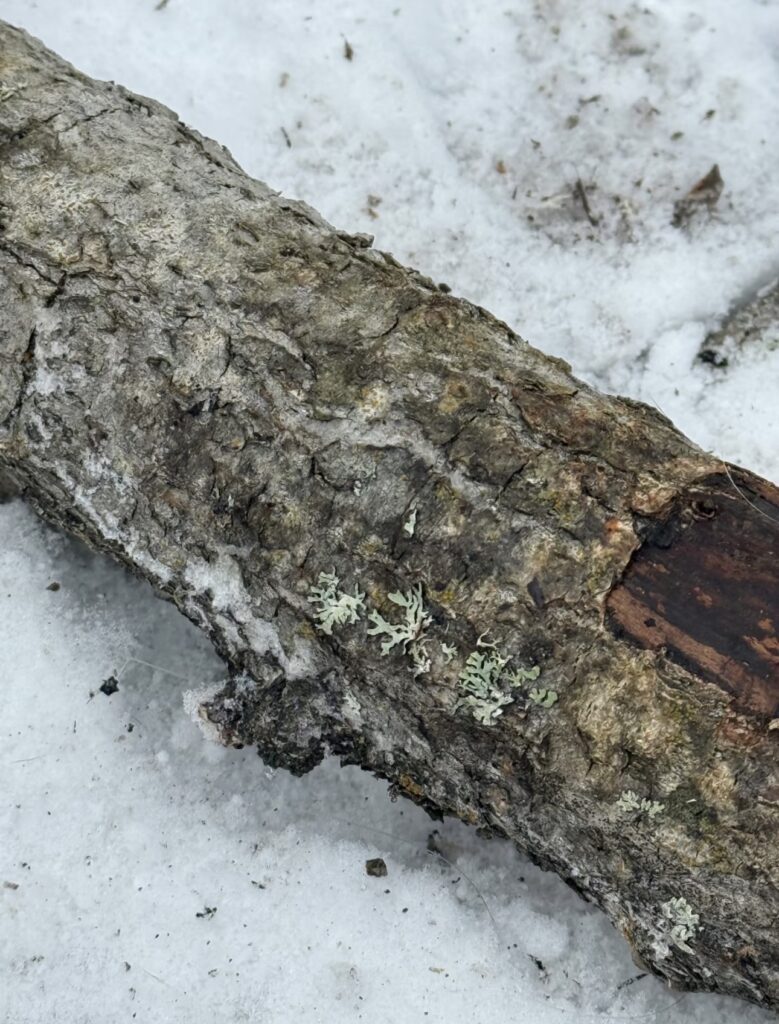
Cliffside areas are influenced by strong winds and lower temperatures, causing slower decomposition and allowing vines/flowers to overgrow remains.
Vegetation & Natural Resources
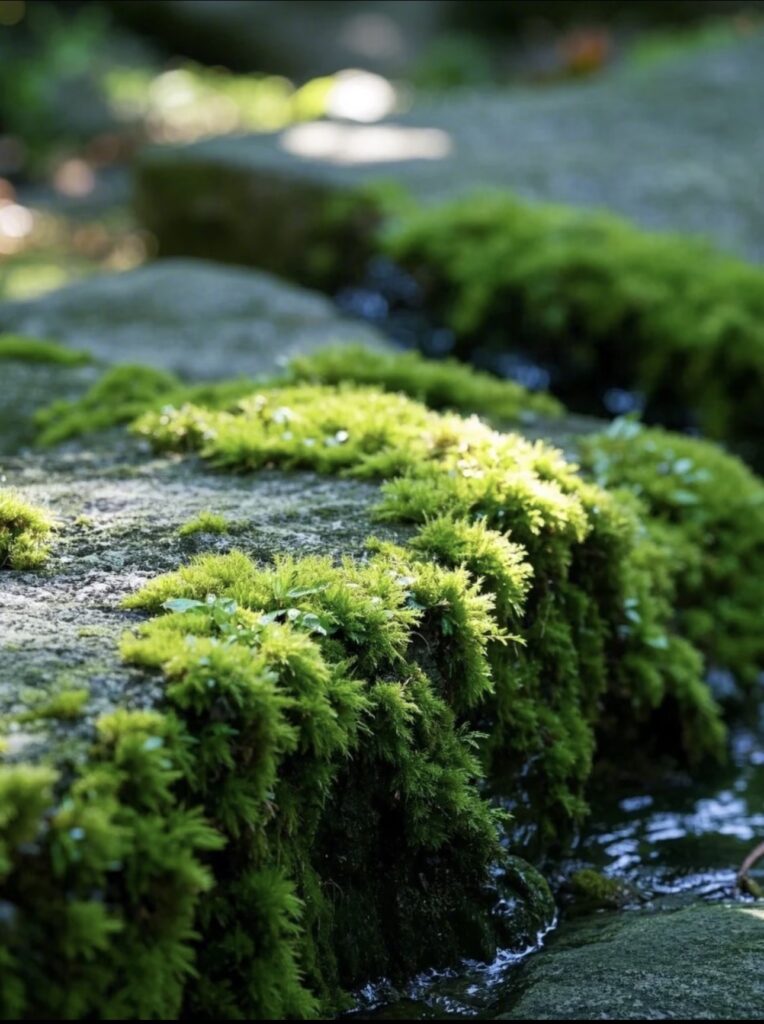
Vegetation comprises cliffside shrubs, hardy vines, moss, and occasional flowers that grow in crevices.
Potential In-Game Resources:
• Wild vines and overgrown plants
• Stone and root-covered ground textures
• Environmental storytelling assets (bones, withered plants)
• Quiet ambient elements (wind, distant sounds)
References
- National Geographic – Arctic Wolf Facts
https://www.nationalgeographic.com/animals/mammals/facts/arctic-wolf - World Wildlife Fund – Arctic Ecosystem and Wolves
https://www.worldwildlife.org/species/arctic-wolf - Britannica – Arctic Wolf Behaviour and Habitat
https://www.britannica.com/animal/Arctic-wolf




Realistic Animal Behavior Reference
Wolves’ scavenging nature and presence in harsh terrain support the narrative of a carcass slowly becoming part of the environment, justifying the visual story where its body is reclaimed by plants.
Leave a Reply