Technical artists are defined as a combination of “artists and programmers”, working in video game development and computer graphics, bridging the gap between the two disciplines.
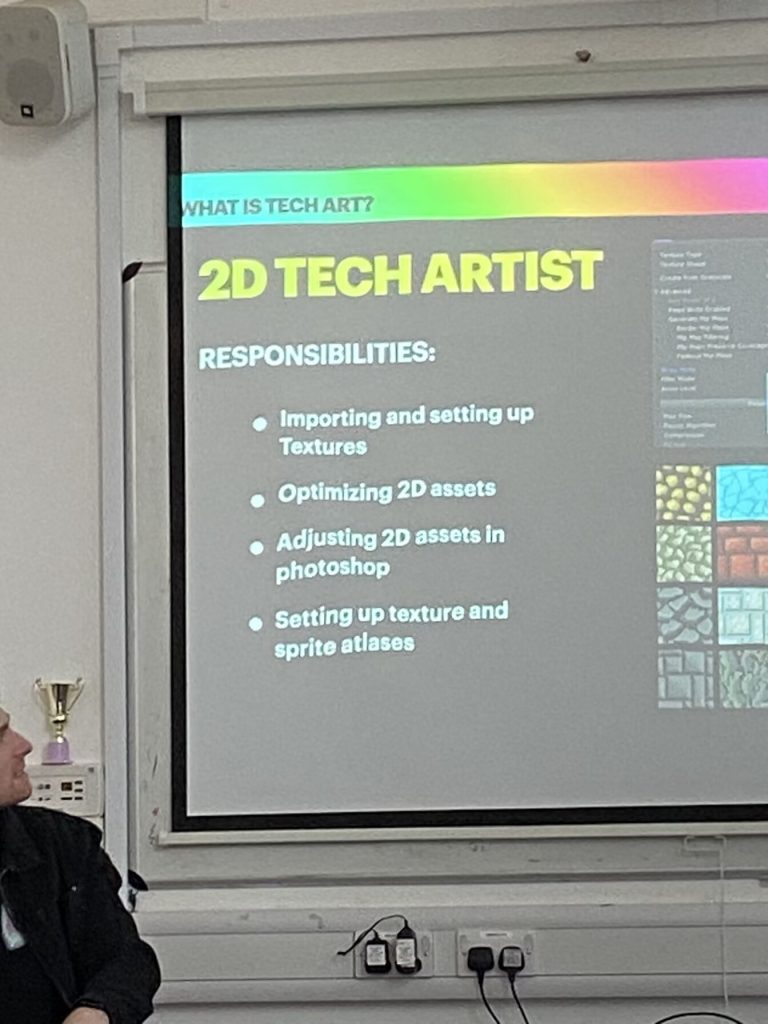
– 2D technical artist: responsible for importing and setting up textures, optimizing 2D resources, adjusting resources, and setting up textures and sprite atlases.
– Effects artist: designs particle systems, develops environmental effects, and optimizes the performance of special effects.
– Technical animator: builds skeletal rigs and control systems, skins models for correct deformation, and imports animations into the engine.
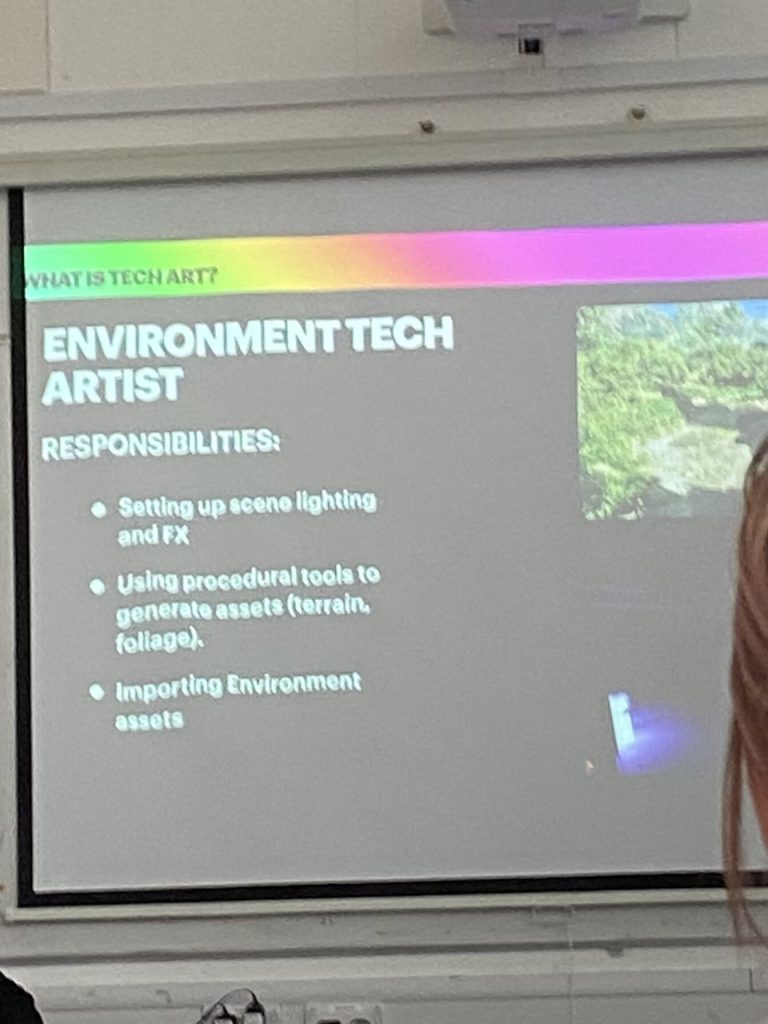
– Environment technical artist: sets up scene lighting, generates resources using procedural tools, and imports environmental assets.
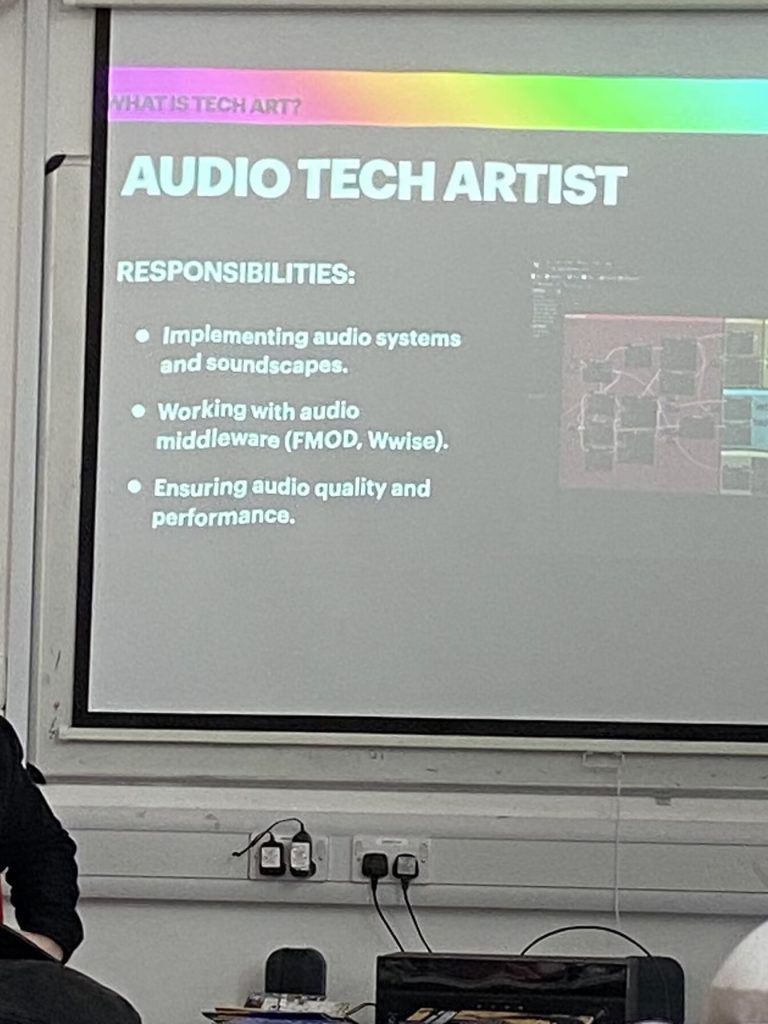
– Audio technical artist: implements audio systems and soundscapes, collaborates with audio middleware, and ensures audio quality and performance.
– UI technical artist: writes UI mechanisms and interaction scripts, imports and optimizes UI resources, and sets up UI prefabs.
– Performance and optimization engineer: analyzes game performance to identify bottlenecks, implements optimization techniques, and adapts resources for different platforms.
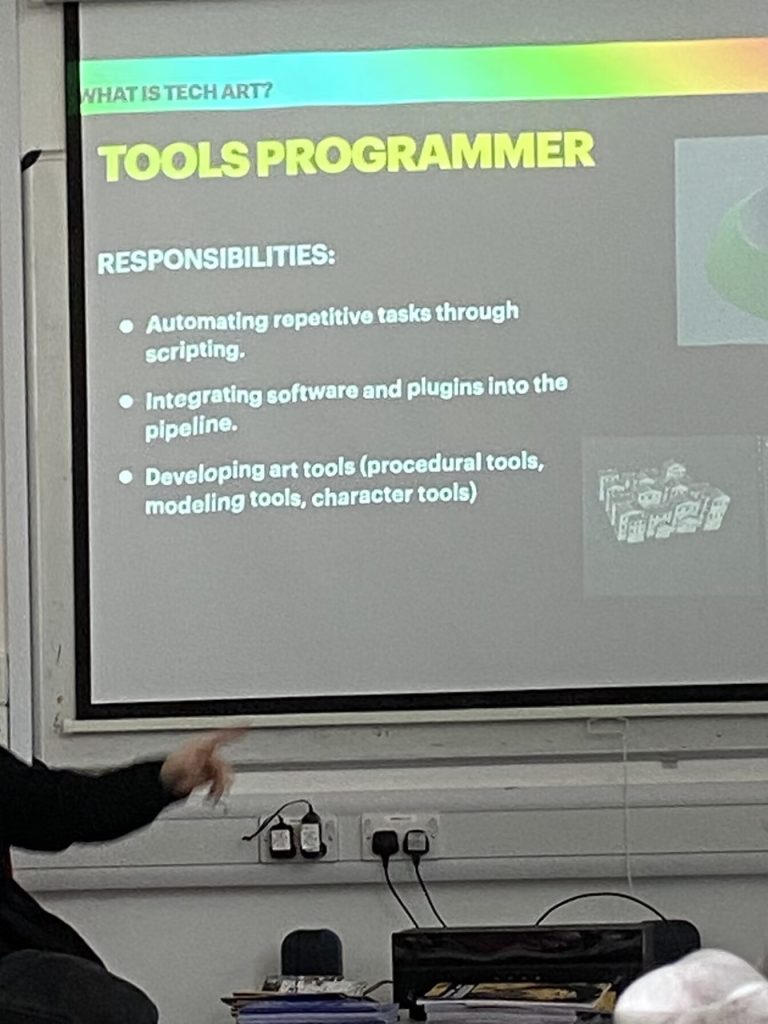
– Tool programmer: automates repetitive tasks through scripting, integrates software and plugins into the workflow, and develops art tools.
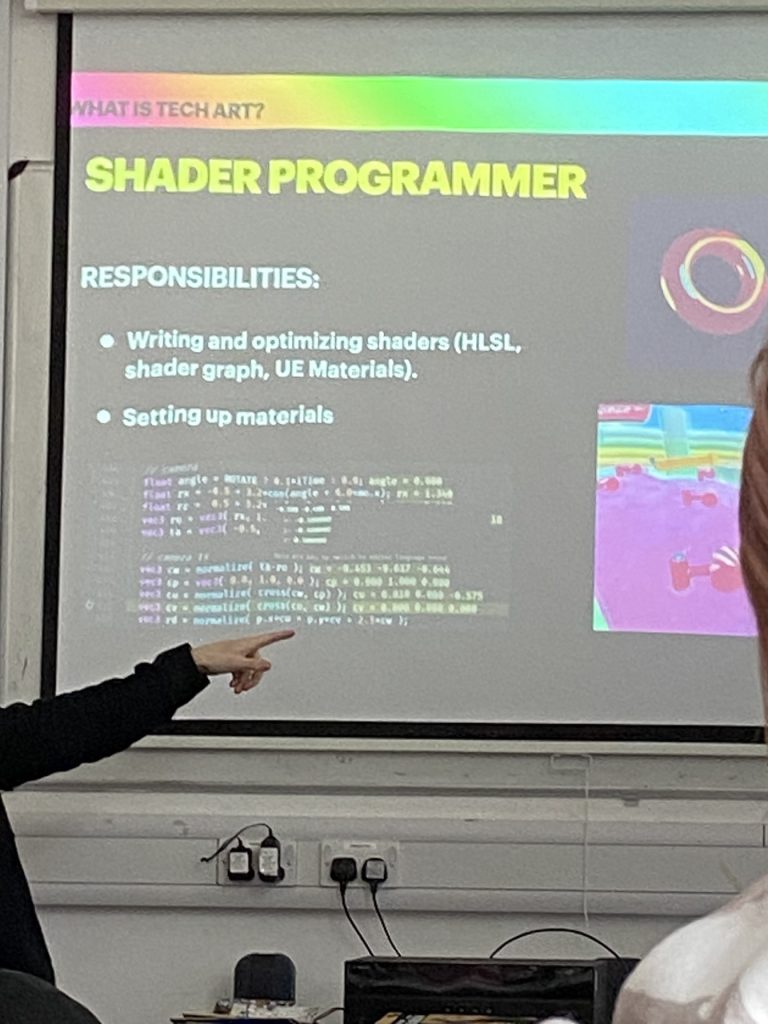
– Shader programmer: writes and optimizes shaders, sets up materials and shader systems.
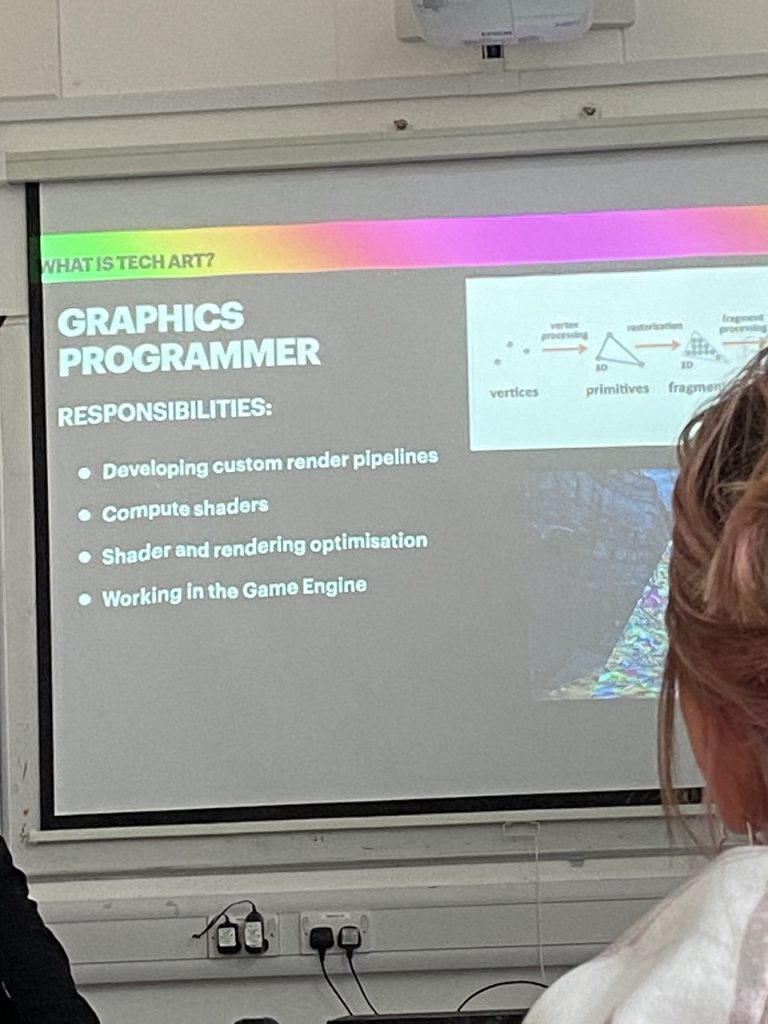
– Graphics programmer: develops custom rendering pipelines, writes compute shaders, performs shader and rendering optimizations, and works in game engines.
One of the core tasks of technical artists is to fix various errors and constantly ask “Why doesn’t it work?” and “Why does it work?” 。
· Find your specialty: Identify your favorite area in technical art and become an expert in it.
· Embrace challenges: Be prepared to face different challenges every day.
· Keep learning: Stay updated with new technologies and keep learning.
· Personal projects: Engage in personal projects that showcase your technical and artistic skills.
· Utilize resources: Visit professional communities such as tech-artists.org to access resources and support.
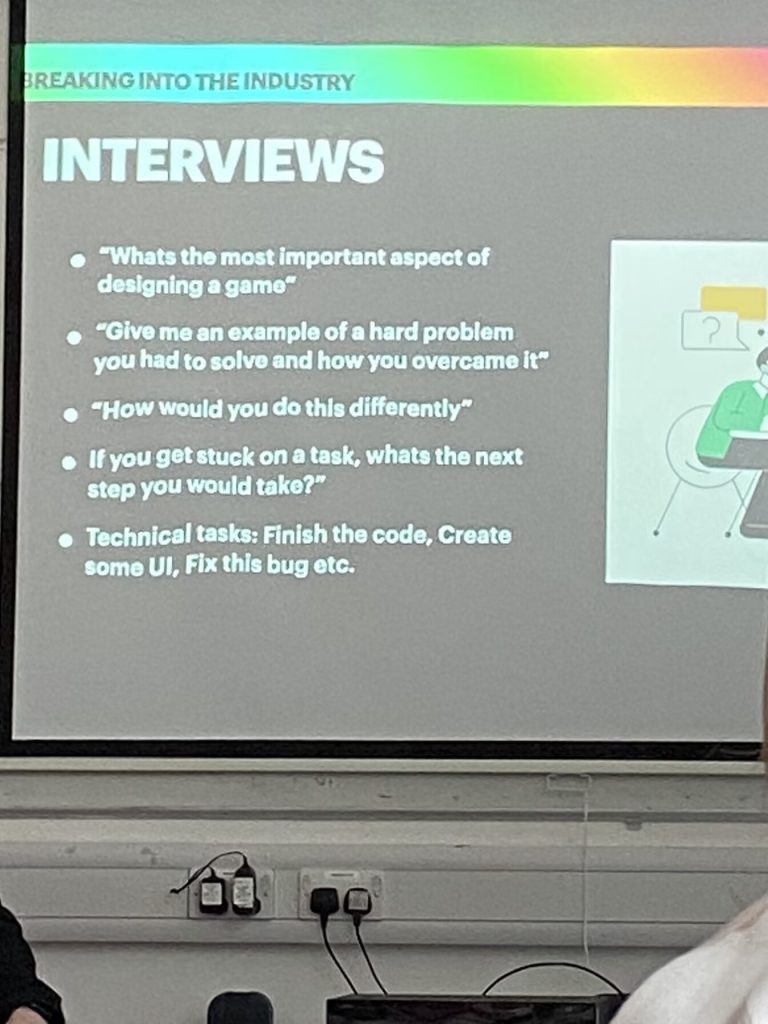
Types of questions that may be asked in an interview:
· Design philosophy: For example, “What is the most important aspect when designing a game?”
· Problem-solving skills: For example, “Give an example of a difficult problem you had to solve and how you overcame it.”
· Critical thinking: For example, “How would you do this in a different way?”
· Workflow: For example, “What would you do next if you encountered difficulties in a task?”
· Technical tasks: For example, practical tests such as completing code, creating user interfaces, and fixing errors.
Rhys Shepherd’s career demonstrates a successful path through various experiences including quality assurance testing, small studios, and large enterprises, eventually leading to top game companies. His sharing clearly defines the key bridging role of a technical artist and provides students with a specific direction on how to enter and excel in this profession by focusing on a particular area, continuous learning, and practice.
Leave a Reply