Guest Speaker – Jamie Blacknell
Background
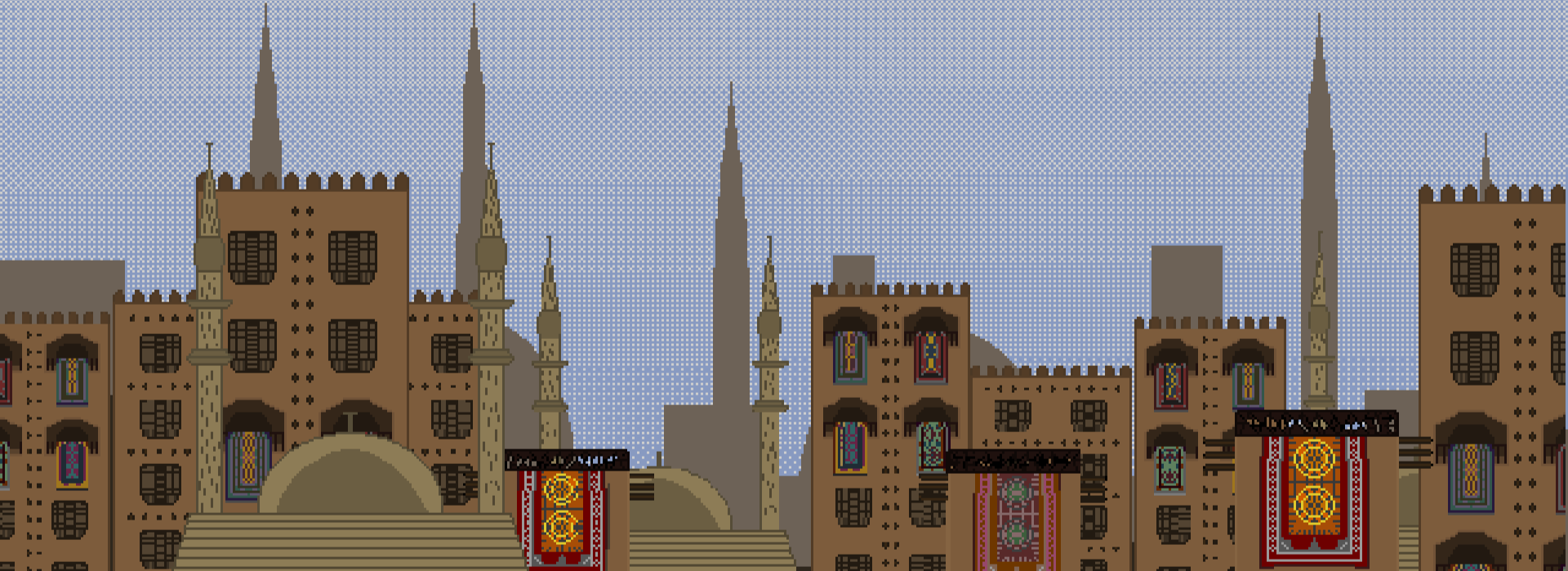
Jamie graduated from college after studying Computer Science before enrolling on this course, where he was for three years. He graduated in 2021. The game he developed for his final project was Portage, which was a short, leisurely pixel art game about exploring nature. A year after graduating, he got a junior role at Meta, working as a Unity developer. He got made redundant after three years there, but is now working at Play360, developing party games using known IPs like Deal or No Deal and The Chase. He went from being a junior developer who had general expertise beyond programming and game engine work to now being a very specialised developer who has a specific role and responsibilities.

Anecdotes & Journey
Jamie noted how when he was a junior developer, he was working outside his core responsibilities and was more generalised, but as he continued, he became more and more specialised. He noted that having general knowledge and being able to showcase that he knows more than just his rigid field allowed him to get a job and be more competent overall.
The university prepared him in several ways. It allowed him to understand an entire developer pipeline, as opposed to other universities, where students are usually very specialised. At our university, we have smaller teams, thus exposing us to more of the process of development, giving us a better perspective and understanding of the work required to make an actually functional game. The experience he got at university gave him a holistic understanding of game development and allowed him to expand his skill beyond his role, which helped a lot with employability as he could work outside his role if need be, as well as being able to more easily work with people of other professions as he understood their positions more closely than had he been purely a developer.
Guidance
Jamie provided us with a lot of valuable advice for working professionally in the future and for getting hired.
Communication
Jamie really pushed the importance of effective communication within game development and job searching. He mentioned how if an employer had two people to employ, for instance, two coders, one who was very competent at coding but awful at communication versus one who was less competent at coding but much more adept at communication and fitting the company culture, then the latter, despite being less technically skilled, would be the one hired. This is because having someone who can communicate and work in teams and be reliable is much more useful than someone who is difficult to speak with and cannot be relied upon. In my own experience, I have worked with people who may have been very competent at their roles, but were terrible communicators; as a result, the projects we worked on did not produce as desirable a product as they could have been. I would have even preferred someone slightly less technically competent, had they been a better communicator and team player. Indeed, he himself was in a position where he was hired over someone else because he was much more affable and socially intelligent than his competitor.
Effective communication consists of:
- Being sociable professionally
- Able to communicate your work output to those who may not be as technically adept
- Showing interest in your colleagues’ work
- Being polite and respectful at an interview (dressing properly, speaking with decorum)
Networking
Jamie emphasised the importance of being active in the community and talking and meeting people, as well as having a good portfolio to showcase. We should utilise effective spaces to showcase our portfolios, such as ArtStation, GitHub, and Instagram, as well as our own original websites, which give them a very professional look. He also mentioned how being on LinkedIn and attending game events, and participating in game jams is very important too. Networking is very important in the games industry, so it is necessary to be active in the community.
Portfolios
Jamie broke down his portfolio and his friend’s (who is a 3D artist) portfolio for us to get an understanding on what professional portfolios look like. We should showcase our code, our mood boards, our basic design and art skills, our actual best work, and how it all translates into a game. For instance, a 3D game artist should show that their models are optimised and usable for games. Just because you have a good-looking model does not mean that you necessarily know how it would translate for use in a game, so it’s important to show that you know how it works within the game. This is important for any facet of games, as a pixel artist, I wouldn’t just show my best-looking pieces, but also the pieces that are actually usable in games. Or as a technical artist, I would showcase my code and art, and explain how it all functions in a game. Having games to showcase goes a long way. Jamie mentioned how certain people would fail interviews because they showcased their technical skills, but had no games (at least not any ready for showcase) to show how their skills actually translate into games.
Essentially, a good portfolio would have:
- Technical skills on display
- Showcase of how technical skills actually function in games
- Games
- Showcase of passion
- Showcase of general skills (while still clearly having a defined role)
Questions & Answers
Jamie took several of our questions; these are the ones I found most valuable (note: these questions & answers are paraphrased):
Q: How do we compete with specialised people?
A: At a junior level, it’s fine to be less specialised, having more soft skills than one defined role arguably makes you more employable as you can be trained any way, and having these soft skills (should) make you a better team player and communicator.
Q: How generalised should we be versus specialised?
A: You should still maintain a focus on whatever role you desire, but it is also good to show off your soft skills.
Q: Do you still feel like you’re learning?
A: Yes, you are always learning in game development, which keeps it exciting.
Q: How much manoeuvrability is there in games?
A: It can depend on what level you’re at and also where you are. A junior will have a much easier time doing a whole new job, but even at a senior level, you can still learn new skills and get hired elsewhere if you want; it just is probably hard.
Reflection
Overall, I really enjoyed this guest talk, and I appreciated Jamie’s guidance. I am more motivated than ever to compile my portfolio and prepare for employment, even if it will be initially difficult.