
Pitch Deck & GDD
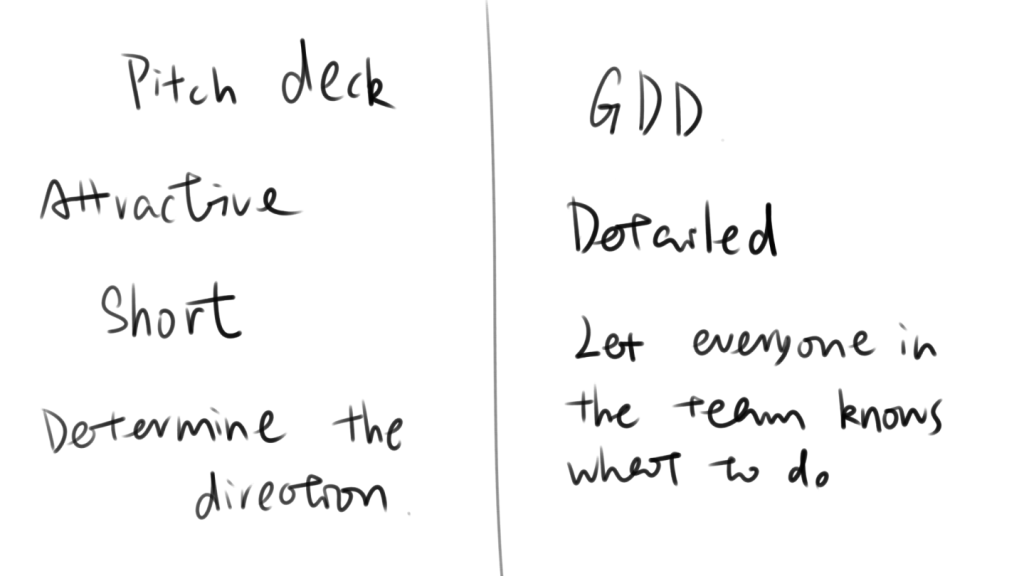
I must admit I’ve always been rather unclear about the distinction between these two concepts, so I’ve drawn up a simple table based on the lecture content and my own understanding.
However, I must admit I’m really not very good at promoting my own games or conveying their essence quickly to others—this is something I need to learn.
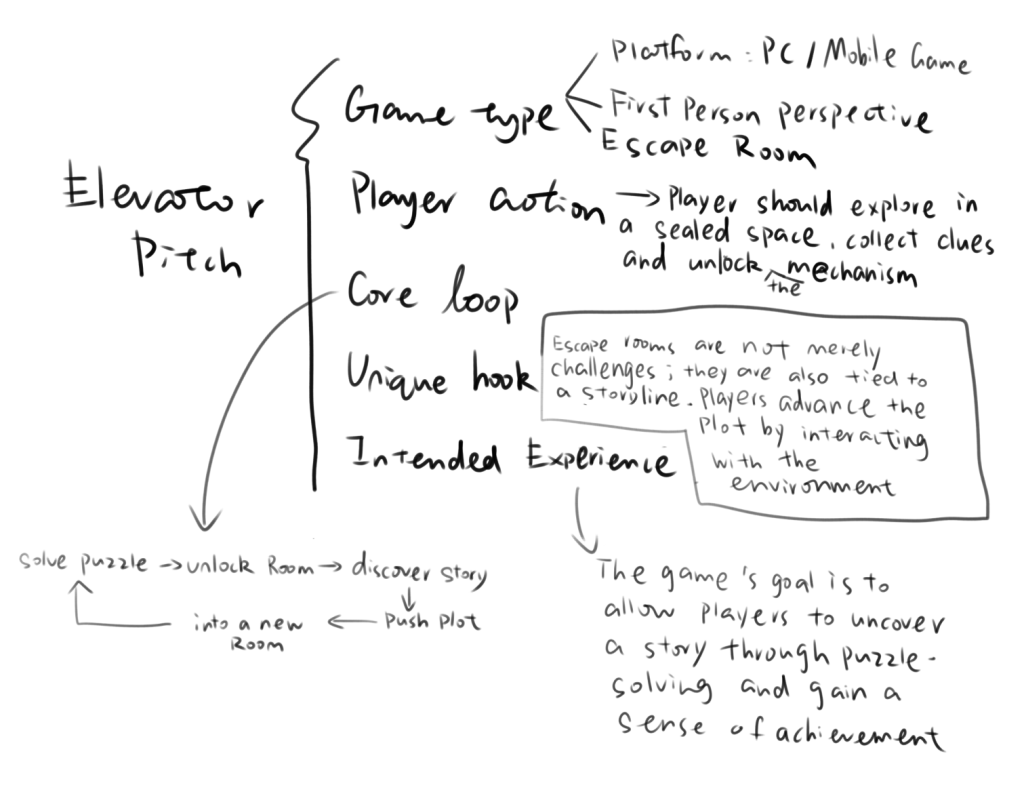
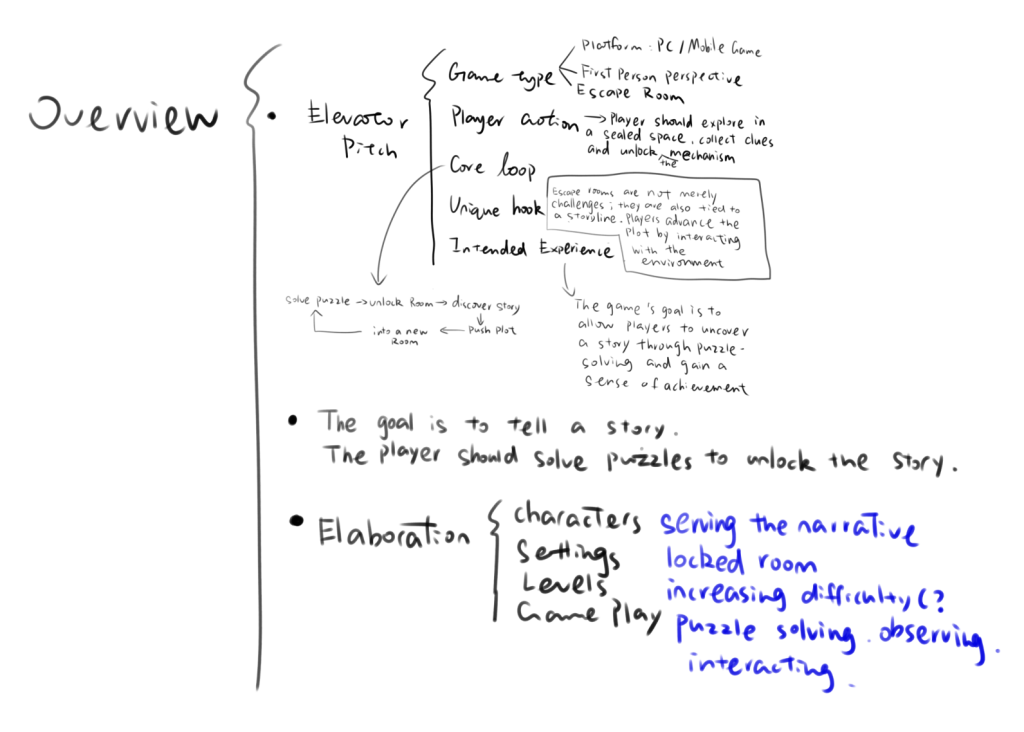
I outlined the contents of my elevator pitch and realized this was actually the first step of GDD—crafting this rough table made me see that an elevator pitch isn’t just about letting others know what I’m roughly aiming to do. It also clarified my own thinking. These elements forced me to put my ideas into words, allowing me to recall what I’d thought of even after the burst of inspiration faded. (Wow, an unexpected bonus! I used to hate putting my ideas into words—it felt like such a hassle. But when this project became long-term, words proved to be a faithful reminder.)
Practice:
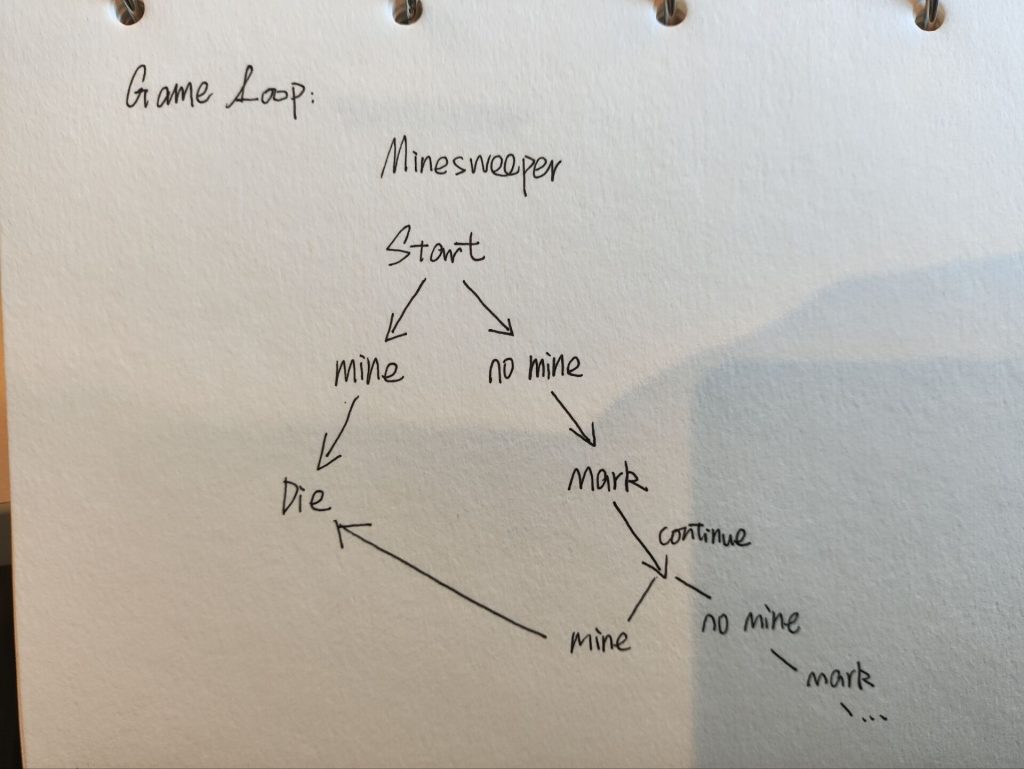
In class, the teacher explained that information transmission inevitably carries bias, making precise communication within teams crucial. This means game mechanics, loops, and the consequences of player actions must be accurately defined. Since it’s impossible to fully determine the loop of my own game design during class, I chose Minesweeper as a practice exercise.
Leave a Reply