CASE STUDY 01
Florence

What is this Game?

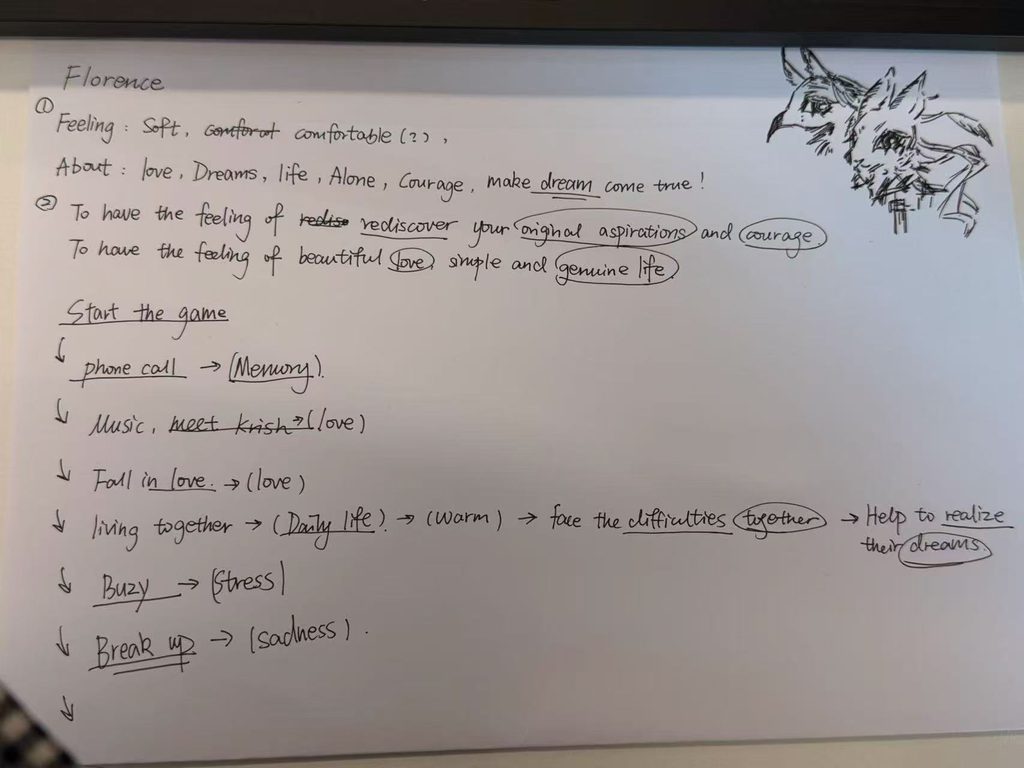
Florence is a short interactive narrative game. It tells the story of 25-year-old Florence Yeoh, who meets a cellist named Krish and begins a relationship with him.
There’s no traditional combat or complex level design. Instead, small activities such as solving puzzles and moving objects are woven into everyday scenes to express how the characters feel. The game is like a graphic novel you can play, exploring first love, relationships, and personal growth.
After a brief look at and hands-on experience with this game, our team (Alice, Echo, and Tiara) has put together a summary of the game, along with our own individual interpretations and analyses.
Inspiration
The inspiration I drew from this game is that games don’t necessarily have to be 3D; they can also be 2D, with a focus on emotion and storytelling.
CASE STUDY 02
Papers, Please

What is this Game?
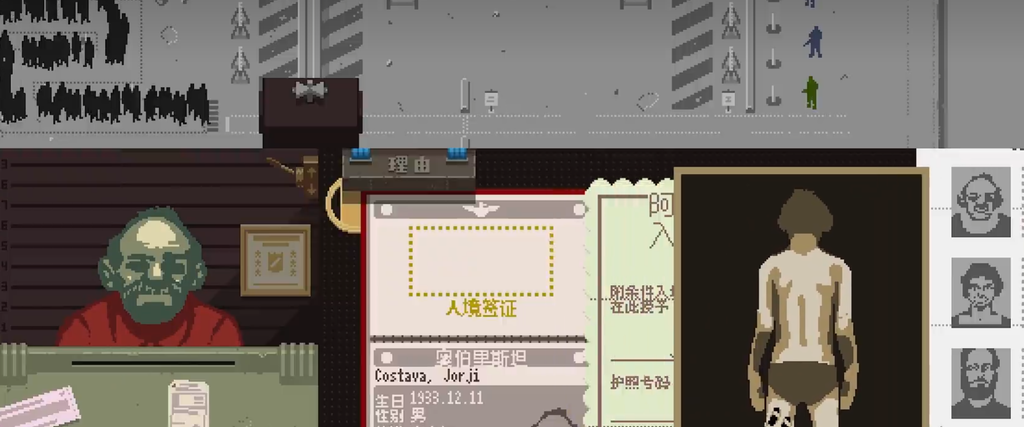
Papers, Please is a dystopian simulation game developed by Lucas Pope. You play as an immigration inspector at the border of the fictional country of Arstotzka, checking travelers’ passports, visas, and other documents to decide whether they can enter.
The rules become more complicated as the game progresses. You must catch inconsistencies in documents and process people in line before time runs out, while earning enough to support your family. You’ll encounter refugees, people offering bribes, and demands from government officials. Your choices can affect applicants’ lives, your family’s circumstances, and how the story unfolds.
Inspiration
The inspiration for this game came from the idea of designing a seemingly mundane job, then imagining how each rule within that role might impact individual people. Much like the tasks the protagonist performs repeatedly, a single decision—to grant or deny entry—may appear trivial, yet it has the potential to alter a person’s fate, affect the player’s own family, or even shift the broader political landscape. As the difficulty increases and time grows ever shorter, the player is inevitably drawn into that mounting pressure.
CASE STUDY 03 · PRIMARY REFERENCE
Rusty Lake
Once I had determined the game elements I wanted to include, I chose Rusty Lake as my primary reference—not for its gameplay, but for its art style, atmosphere, and music.

What is this Game?
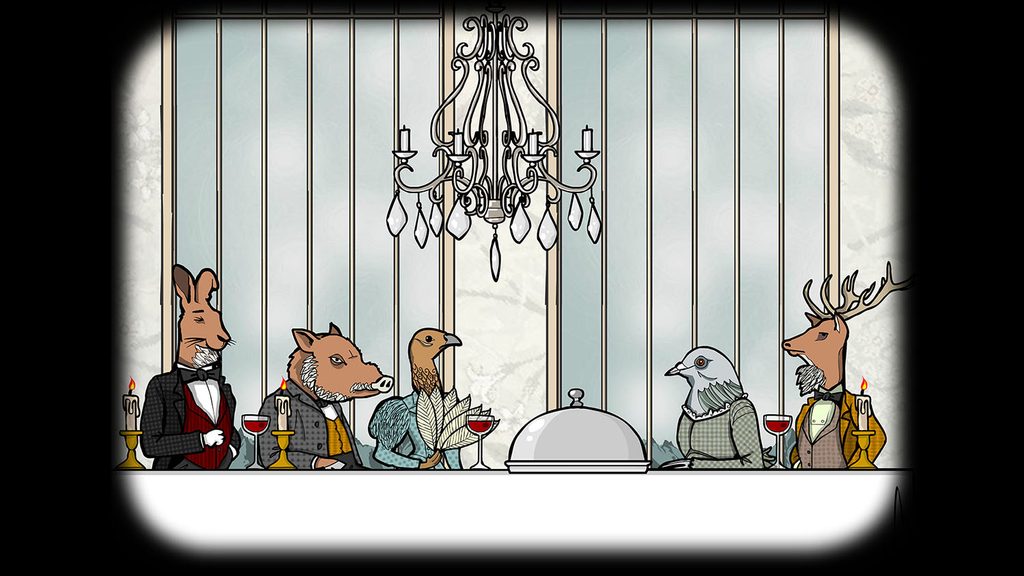
Rusty Lake is a series of surreal mystery point-and-click puzzle games. Players explore unsettling places—such as hotels, rooms, and lakesides—search for clues, combine objects, and solve puzzles to uncover a story involving the Vanderboom family, memory, death, and rebirth.
The series is known for puzzles rich in symbolism, an eerie and absurd atmosphere, and a story that unfolds gradually across multiple games and timelines. Rather than telling a separate story in each installment, Rusty Lake feels like a web of mysteries that players piece together themselves.
Inspiration
I really like how it combines ordinary environments with strange and disturbing details, creating a world where bizarre things seem completely normal. I was also inspired by the way players discover hidden stories through objects, clues, and exploration. I wanted to bring this feeling into my own game by creating an elegant but mysterious restaurant, where guests casually share unusual stories. Instead of traditional puzzles, players investigate their guests’ memories and use the clues to decide what to cook. My goal is to make players feel both curious and uncomfortable, as if they are the only ones who notice something is wrong.
CASE STUDY 04 · PRIMARY REFERENCE
Coffee Talk
This is the game I used as a reference for my playstyle.
What is this Game?

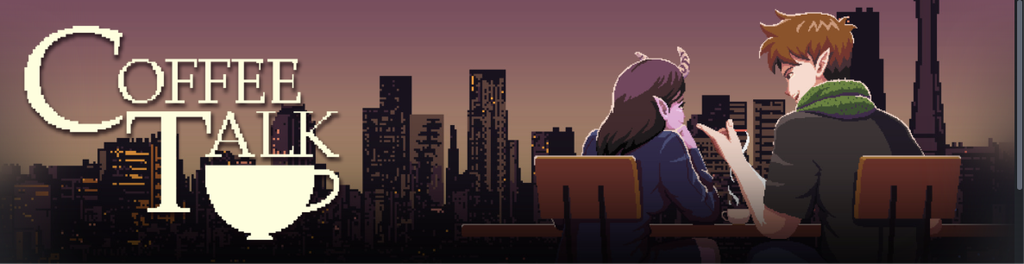
Coffee Talk is a narrative simulation game set in Seattle. You play as the owner of a late-night café, making drinks for customers—including humans, elves, and orcs—and listening to their worries and stories.
The game unfolds mainly through dialogue. You prepare coffee, tea, and other drinks to suit each customer’s tastes. Serving the right drink can influence how they express themselves and sometimes affect how their stories develop. The relaxed pace, retro pixel art, and music create a warm, peaceful late-night atmosphere.
Inspiration
I was inspired by Coffee Talk, especially the way it combines conversations with food and drink preparation.
I really like how players learn about customers’ personalities, emotions, and personal stories through casual conversations while making drinks for them.
I wanted to bring this idea into my own game, but make the cooking process more focused on investigation and deduction. Instead of receiving specific orders, players need to examine guests’ belongings, ask questions, and understand their memories and desires before deciding what to cook.
My goal is to make cooking more than just following recipes. It becomes a way for players to understand the characters and uncover their hidden stories.
AI & Translation Tools
Google Translate and Youdao Translate were used to support translation.