Guest Lecture · Ricky
This week’s guest lecture focused on indie game development and the creative process.
One of the most interesting things I learned was that a game doesn’t need to have everything planned from the beginning. Ideas can develop naturally through experimentation, collaboration, and playtesting.
The speaker also talked about the importance of working within limitations. I realised that having a smaller scope doesn’t necessarily make a game less interesting. Sometimes, focusing on a few strong ideas can create a better experience.
Another useful point was the importance of early playtesting. Even if a prototype is unfinished, sharing it with others can help identify problems and improve the design.
For my own game, I want to focus more on the core gameplay rather than adding too many features. I also want to continue testing my ideas and making changes based on feedback.
Internal Pitch Deck
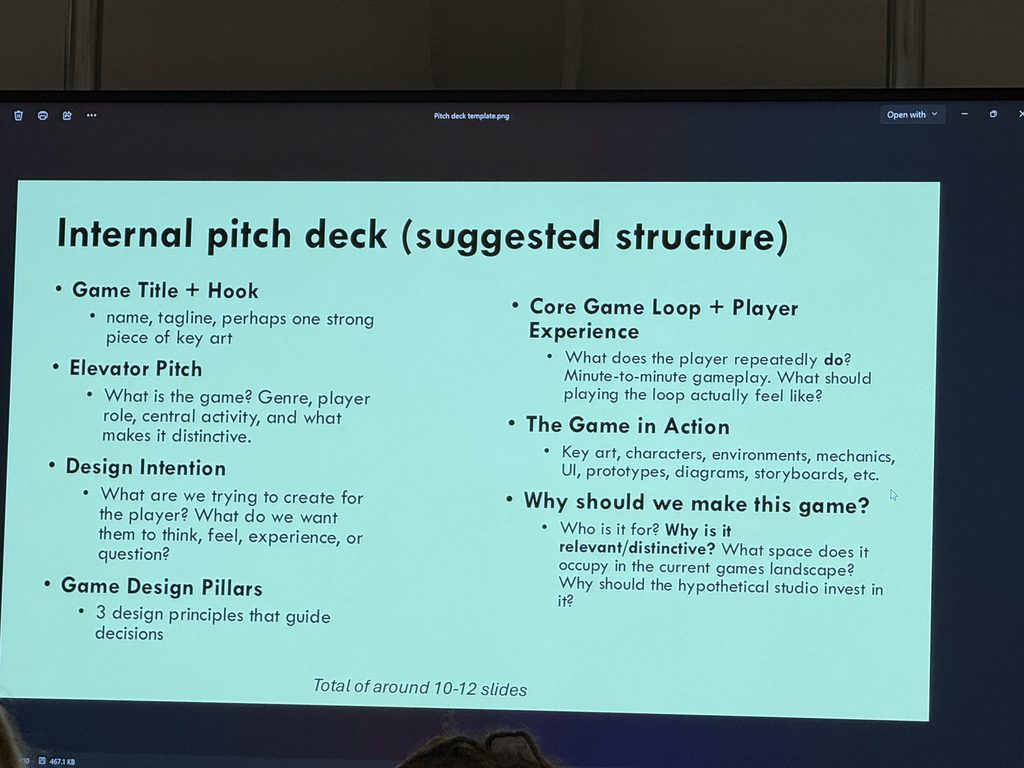
This project has been running for five weeks now. As we prepare for the milestone at the end of the upcoming sixth week, Jordan has suggested that we put together a simple PowerPoint presentation covering the following points:
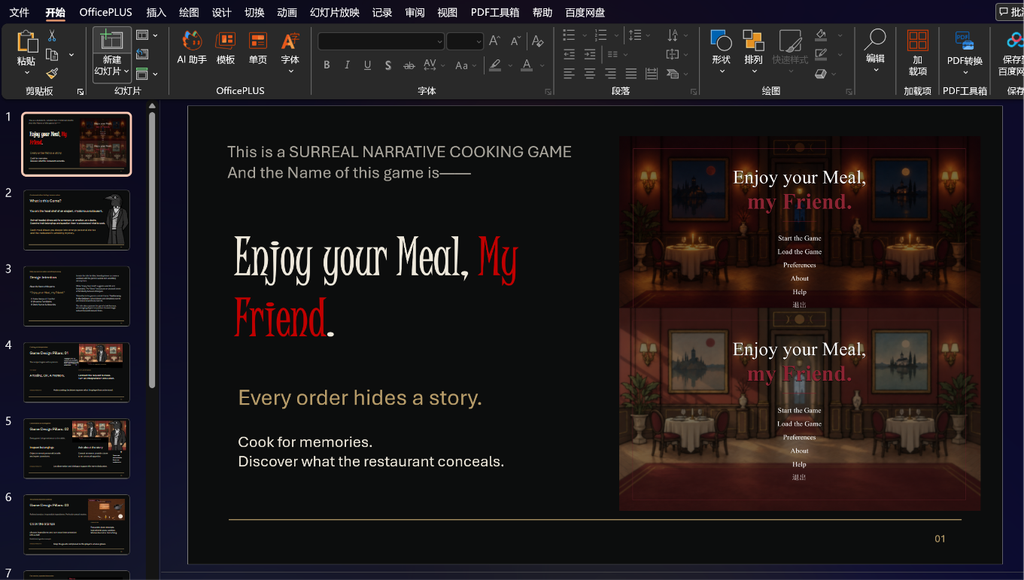
So, I’ve put together the following PowerPoint presentation to help me quickly introduce this game to people who aren’t familiar with it.
Playtest Session
This Friday, we held a playtest for everyone. I played several games created by my classmates. Mark’s game, in particular, left a strong impression on me; it’s an engaging 3D puzzle game that provides a real sense of accomplishment when you solve its puzzles.
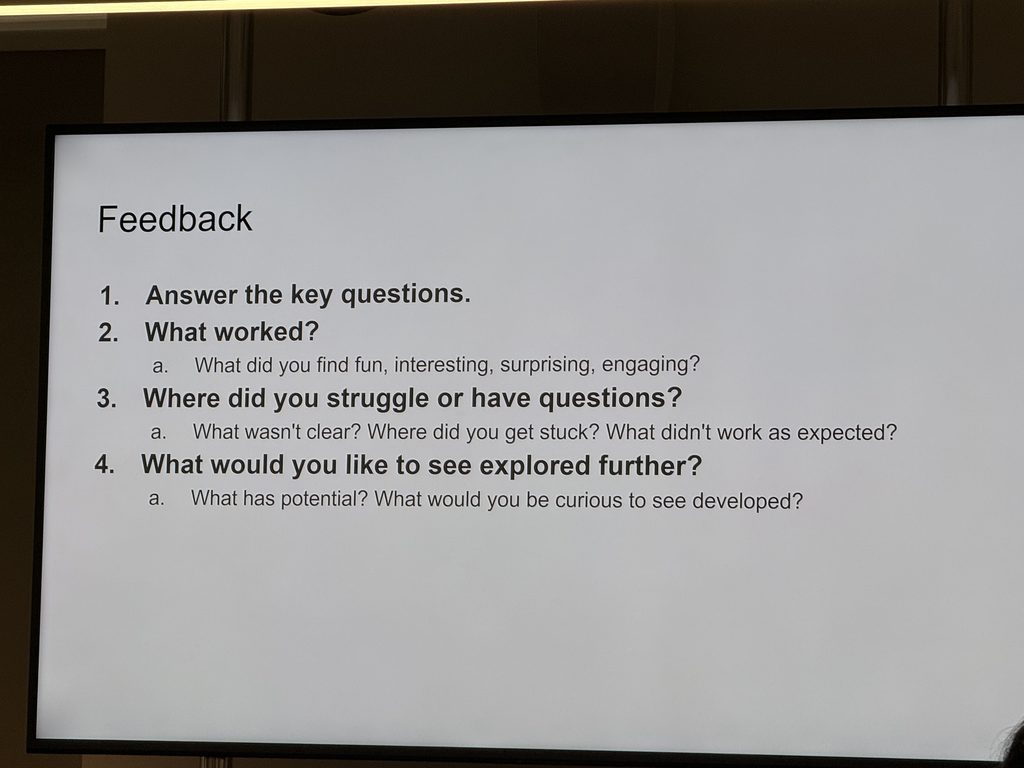
At the same time, I’ve also gathered a great deal of useful feedback—for details, please see the Game Development Log.

The feedback I received regarding the questions I raised.
AI & Translation Tools
Google Translate and Youdao Translate were used to support translation.