14 PEAKS: Nothing is Impossible Netflix Documentary
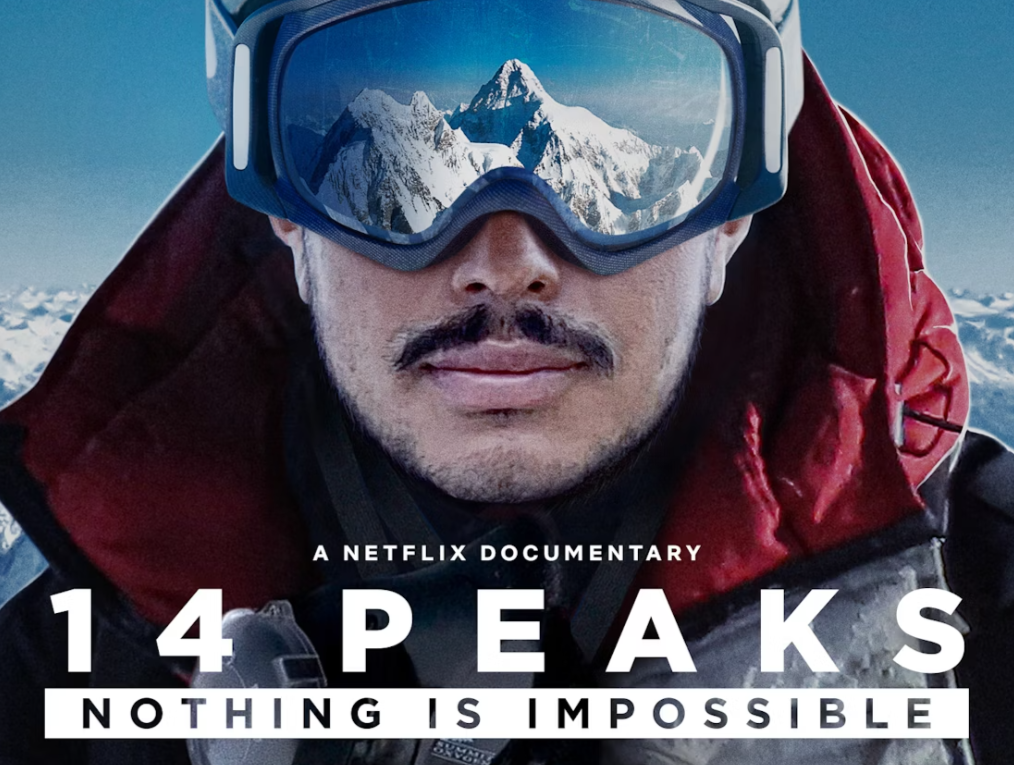
The Plot:
The documentary 14 Peaks: Nothing Is Impossible follows the incredible true story of Nepalese mountaineer Nirmal “Nims” Purja and his quest to summit all 14 of the world’s “8,000-meter” peaks in just seven months, most experts thought was physically impossible.
Going through the both personal and physical setbacks he and his group faced doing this.
Today’s guides and Sherpa community:
The native community in Nepal the Sherpa’s make the 14 peaks ‘climbable’ for without their efforts to maintain the trails, camping sights and guided climbs there would be much higher death rate on each climb and less accessible as it is today. They transport oxygen, carry tents, food and equipment up each climb. Reference taken from: (“Guide: What does a Sherpa at Mount Everest do?”) and “14 PEAKS: Nothing is Impossible” movie.
Carry supplies: Transport oxygen, tents, food, and equipment to high camps.
Set up camps: Build and maintain camps, cook, and manage logistics.
Guide climbers: Help mountaineers reach the summit safely and provide rescue support if needed.
Looking at more the rural life of Nepalians in the mountain who do not have electricity, thinking I can take this aspect more in a Survival direction for my game.
The most Dangerous Mountains to climb (according to a large majority) :
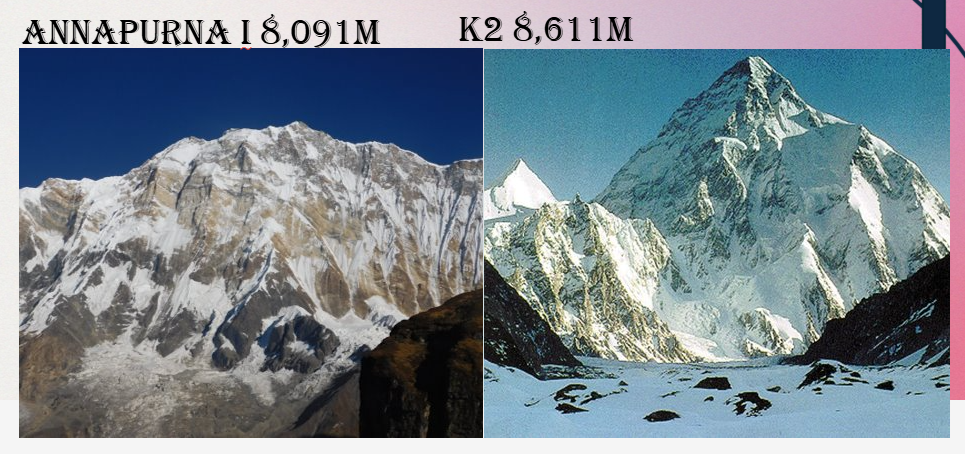
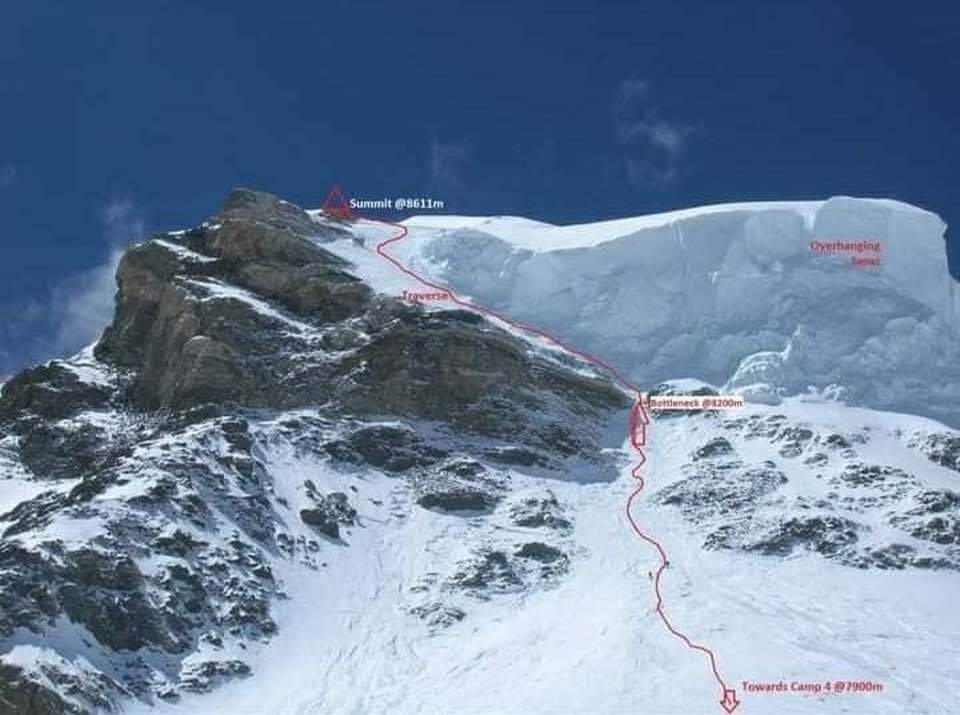
Second to mount Everest the K2 is nicknamed as “The Savage mountain” it and Annapurna I carry the highest death toll with 96 and 76 climber’s deaths while only roughly 700 climbers made it to their peaks. The K2 ravage weather conditions dropping below –40 degrees with extreme winds that can travel to 60 miles per hour with avalanches and too high and dangerous to reach for rescue.
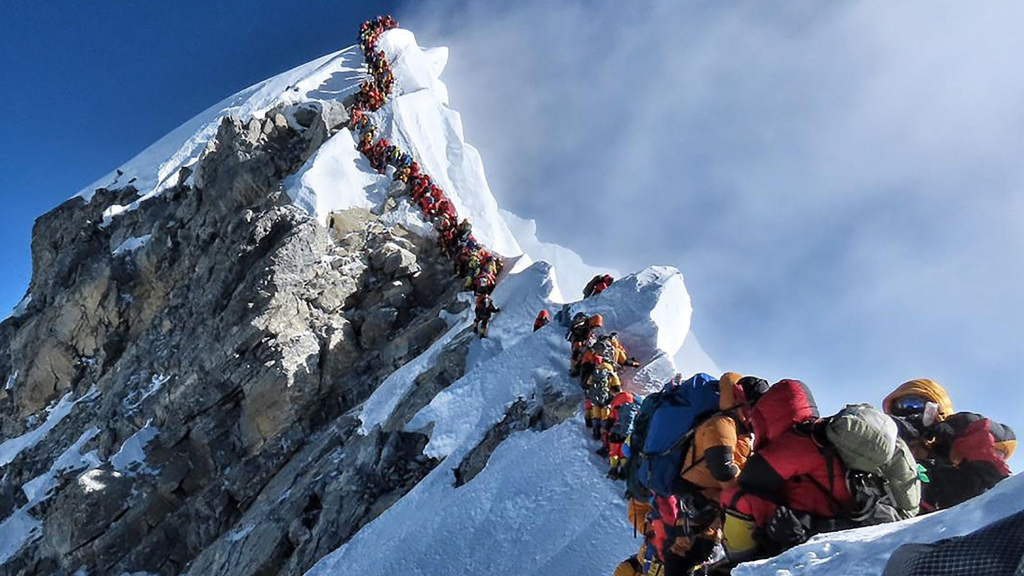
The massive que in Mount Everest, Mount Everest even though the tallest is not considered the most dangerous due to how tourism brought it to be a massive que of people lining up to the peak, the dangerous is not of the environment itself but the compact group of people on it at once.
Life in Nepali Himalayan Village (Winter)
Life in a Himalayan village during the winter is centred around survival, community, and traditional practices with living in an inclined snowy land. How the Nepali people live there:
Daily Survival and Labore
A large portion of their daily lives involves gathering and preparing firewood and chopping wood manually to keep their homes warm and stoves running during the cold temperatures.
Animal Husbandry: Livestock, particularly goats and chickens are vital to their livelihood. Villagers must tend to their herds, leading them through the snow-covered paths and ensuring they are fed [08:28].
Food Preparation: Cooking is a communal and traditional process, often done over open indoor fires.
Architecture and Environment:
The homes are constructed primarily of stone and timber, designed to withstand the weight of heavy snowfall and cold temperatures
Much of the morning is dedicated to clearing paths around the home, using basic tools to clear it.
Community and Resilience:
There is a strong sense of self-reliance. From washing clothes in cold water to repairing their own tools and structures, even the elderly help out. The place runs almost every aspect of life without modern machinery. (This six paragraphs were used with assistance with Google Gemini in vocabulary only)
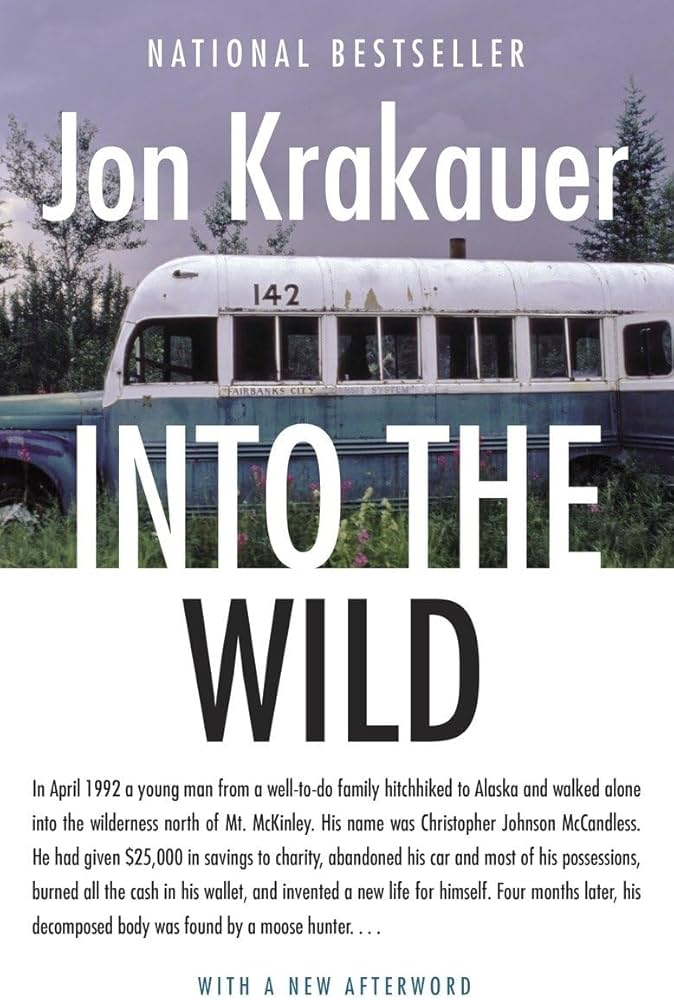
Into the Wild
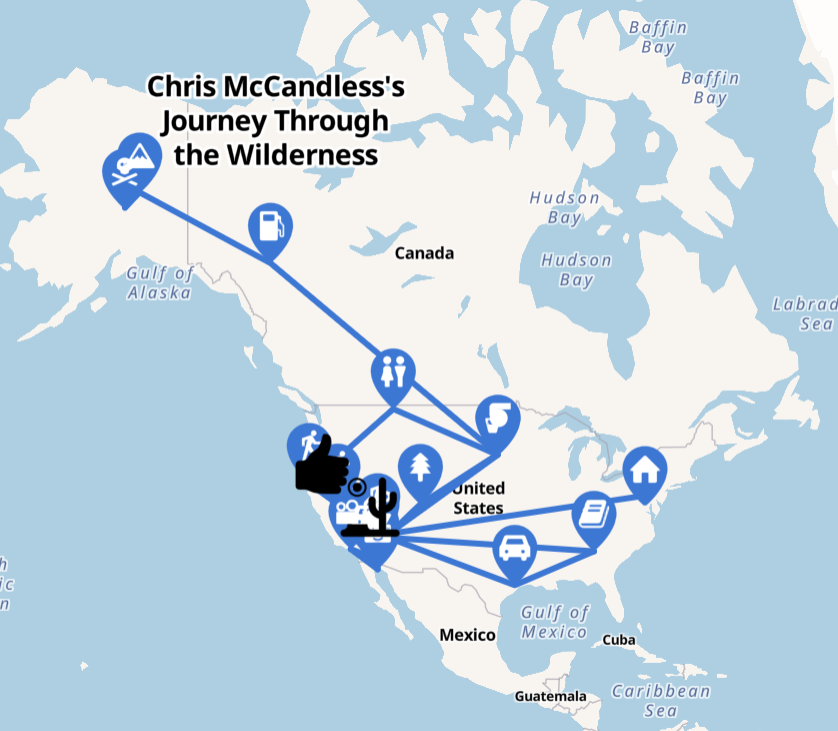
A movie based on a Biography book. A post graduate leaving home and going off grid phoneless, no credit card, no money, no plan and finishing in Alaska. The journey adding-up to a total of about 2-years, from 1990-92 leaving his conventional life in Atlanta to reaching Alaska.
My personal experience watching and inspired throughout the film:
During the film I quickly found myself thinking the character is a version of me with a “escape” I thought a lot about doing. Cutting all connections / credit card and from the society norms and traveling an living in the wild. Watching made it feel highly personal as I constantly thought of this situation so each move the protagonist made I made a counterpoint being like shouldn’t he do this instead? I thought about doing this, however… because how I found it so easy to place myself in his shoes.
The real life story follows like in the film Christopher Mccandless also known by “Alexander Supertramp” who passed away after 113 days in the woods of Alaska from starvation.
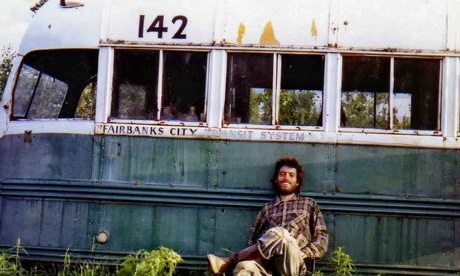
Self taken photograph in 1992 Alaska.
Video-games with a high emphasise on Survival that I have played:
The Long Dark (Played on Nintendo Switch):
This game is set in an Antarctic settings, having to keep warm survive and solve a mystery of why your ex wife is looking to venture out there, reminded me of living like a Nepali citizen in the Himalayan village, through the settings, keeping track of temperature (chopping firewood to keep warm) to hunting.
Sons of the forest (Played on PC)
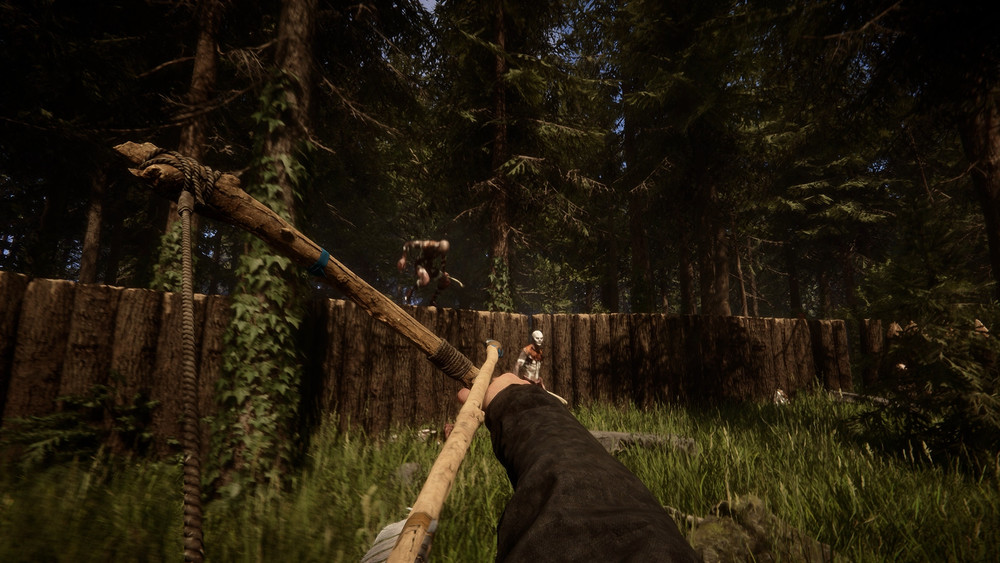
Similar mechanic however there are more fictional aspects like an island which you are stranded in having to survive the attacks of cannibals, monsters and build a fort which you can gear up, with an NPC companion.
My experiences and my research in Survival
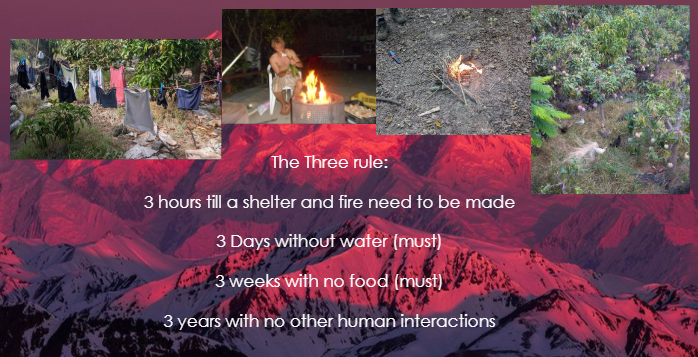
Went for a day course in Bush-crafting where we learned how to start a fire, in the woods.
Made a barbeque fire, worked in a mango farm, slept in a cabin and hiked across mountains for three weeks in La Palma, Canary Island. Found it through World Wide Opportunities on Organic Farms, also known as WWOOF. Throughout this experience learned to dig, different types of mangos, felt closer to nature as I’ve been before, less than 10 minutes a day screen time and got to experience how a community with minimal modern advancements, like drinking water we got from a mountain river and filled gallons of water tanks, food either from the farm or neighbouring market farms supporting, the rise of small farming communities and shower was run through a hose which was warmed-up by the tank being in sunlight.
These could influence me in creating a mechanic in my game. The essential three rules.
Retro films + Surviving in extreme conditions Guy Porat Presentation.pptx
Leave a Reply