Core Rhythm Gameplay (Memory Resonance System)
- Note Types:
- Tap: Standard note.
- Hold: Sustained emotional connection.
- Swipe: Memory transition/acceptance.
- Double/Triple: Complex emotional spikes.
- Visual Design: Notes are not abstract—they appear as memory fragments (fading photos, leaves, raindrops, light particles).
- Judgment: PERFECT, GOOD, MISS. Affects Dissonance Meter.
Example below

Source: Osu (from my laptop)
Dissonance Meter
- Function: Fills on misses/GOODs. At full, memory shatters, Pianist reverts slightly, player retries.
- Narrative Tie: Represents depressive thoughts overwhelming clarity.
- Similar to a “Fever” stage
Example below
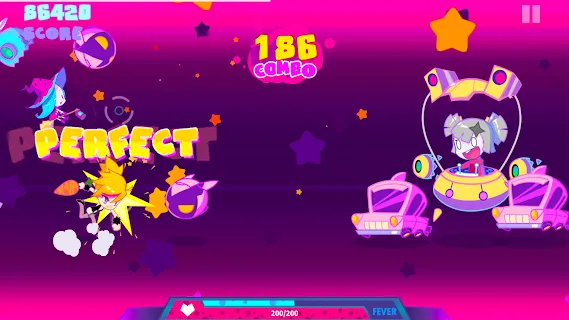
Source: Muse Dash (from my steam library)
Narrative-Driven Difficulty
- Easy: Simple patterns for calm, reflective memories.
- Hard: Complex, dissonant, rapid-fire for traumatic revelations.
- Unlock System: Beat a song to see its memory cutscene; higher scores unlock deeper “memory layers” (hidden story notes) similar to Append levels from Project Sekai.
Integrated Tutorial: “First Lesson”
- Context: Childhood memory. Father teaches Eun-bi basic piano.
- Mechanics Introduction:
- Tap notes = pressing individual keys.
- Hold notes = sustaining a chord while father harmonizes.
- Dissonance concept = “If you lose the rhythm, the feeling falls apart. Let’s try again.”
- Emotional Payoff: The lesson ends with father’s leitmotif—now a nostalgic anchor.
Leave a Reply