While not present at the first session, I have accessed the uploaded lecture slides and documents and familiarised myself with the expected outcomes of ARTD2114.
The focus of the module is to develop a vertical slice from GDD made earlier semester. The vertical slice does not entail creating a full game nor a simple prototype. It instead involves high fidelity, end-to-end playable experience demonstrating the project’s core design pillars (lecture slides). It must possess traits that make it cohesive, testable, and playable in one sitting.
This part of the lecture helped me begin to understand that there is actually a significant difference between a vertical slice and a standard prototype. Previously, my understanding of a vertical slice leaned more towards ‘creating a small demo’, but after reviewing the lecture slides, I began to realise that it places greater emphasis on a cohesive gameplay experience rather than simply increasing the volume of content.
In particular, the mention of a ‘high-fidelity playable experience’ in the lecture made me realise that the focus of this project is not on expanding the scope, but on enabling players to experience the core design direction within a relatively complete and polished sequence.
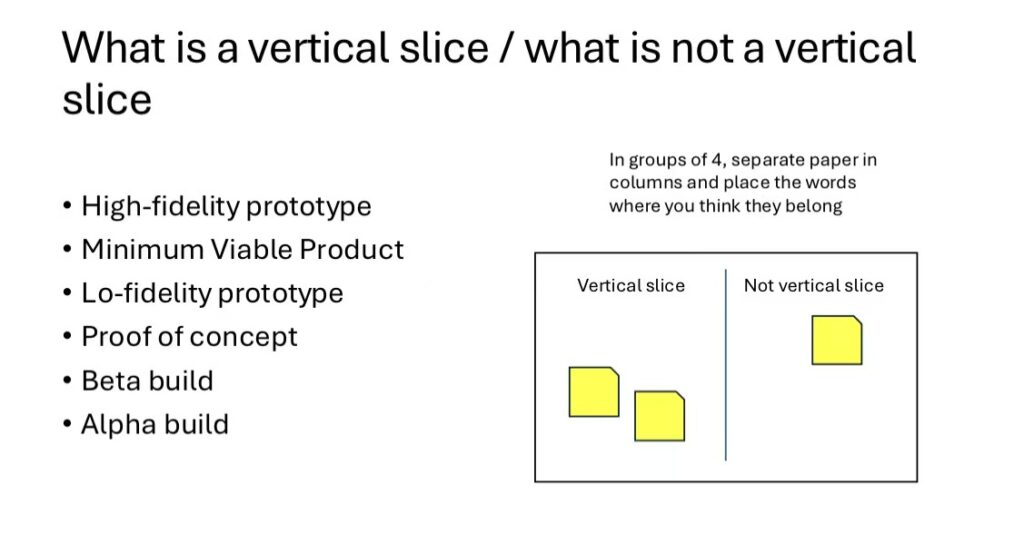
Figure 1. Vertical Slice Development Concepts
This made it clear to me that the intent of this semester is not to increase scope but to refine and deliver an outcome that is polished and connected to the roles.This also shaped my subsequent understanding of World Design. Rather than simply expanding the world’s lore, I began to focus more on how the environment supports the gameplay atmosphere and the player experience.
The module is divided into 4 phases: first, the scope of the project and team dynamics, followed by production in sprints and final submission. By understanding your timeline, I now realise the importance of early planning.At the same time, the assessment structure has made me realise that the marking for this module focuses not only on the final outcome, but also on the documentation of the entire development process.
After checking my team allocation, I saw that I’d be World Designer for the Soul Keeper team. This led me to think about what world design means in the context of a vertical slice. I realized that rather than providing background lore, my contribution should focus on ecological logic and environmental coherence, as well as how the world structure supports player experience.
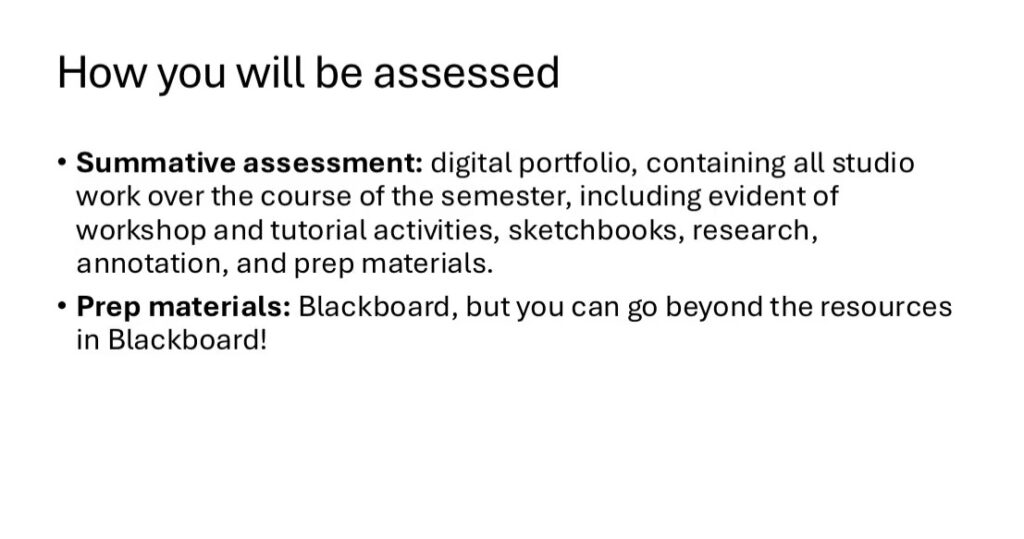
Figure 2. Assessment Criteria Overview
Although we haven’t officially entered the production phase yet in this first week, it has given me a clearer understanding of the overall module structure and the responsibilities of a World Designer. Previously, I tended to focus more on the final visual presentation, but after reading the assessment requirements and the production pipeline, I’ve come to realise that research, documentation, and the iterative process are vital parts of game development.
This has also prompted me to rethink how I document my subsequent blog posts. Rather than merely showcasing the final outcome, I hope to provide a clearer record of my development process moving forward, including reference materials, design rationale, reasons for changes, and team feedback, so that the entire World Design development process is more comprehensive and traceable.
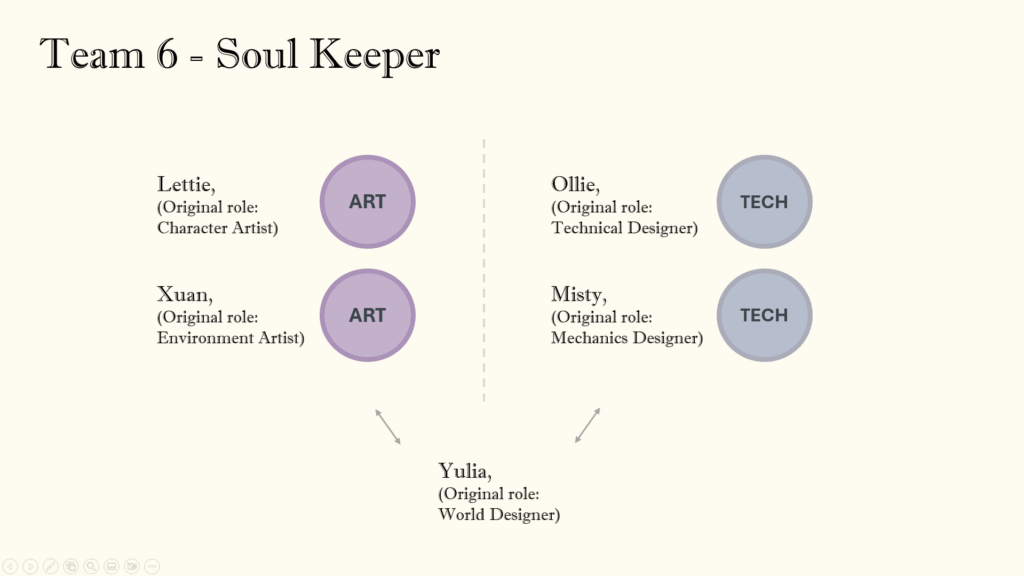
Figure 3. Soul Keeper Team Structure
The collaboration structure illustrates how design, art, and technical roles interact within the team. As World Designer, my responsibilities connect closely with level design, narrative consistency, and visual cohesion. This early clarity of structure will support smoother production in later stages.
Leave a Reply