What I Did This Week
This week I focused on environmental research and resource structuring for Soul Keeper. Building on our existing GDD, I organised the pre-designed animal concepts into three distinct habitat categories. This allowed the world-building to become more production-oriented rather than remaining purely conceptual.
This week’s research has made me realise that World Design is not merely about providing a visual backdrop, but rather about establishing an environmental structure that supports gameplay systems.
Whilst organising habitat categories, I began to approach environmental design from the following perspectives rather than simply categorising animals :
- player interaction
- resource distribution
- exploration pacing
Process & Research Thinking
I organised and categorised the pre-designed animal species according to three habitat types, and compiled supporting research on their potential food sources and environmental resources:
• Associated animal species
• Likely food sources
• Environmental resources
• Ecological relationships
During my research, I primarily referred to zoo websites,resources from wildlife organizations and articles on habitats and the environment to analysis the ecological relationships between different animals and the structure of the food chain.
This research not only helped me establish a logical understanding of the environment, but also enabled the art team to maintain consistency in the development of visual assets.
This process helped clarify how gameplay systems (collection, interaction, survival elements) could emerge naturally from the world design rather than feeling artificially added.Once the work was complete, I shared the habitat breakdown and resource structure with the art team to help them maintain visual consistency and environmental coherence during subsequent asset development.
During team discussions, we also began to further refine the visual direction for each habitat and assess whether the resource distribution would support gameplay interaction.
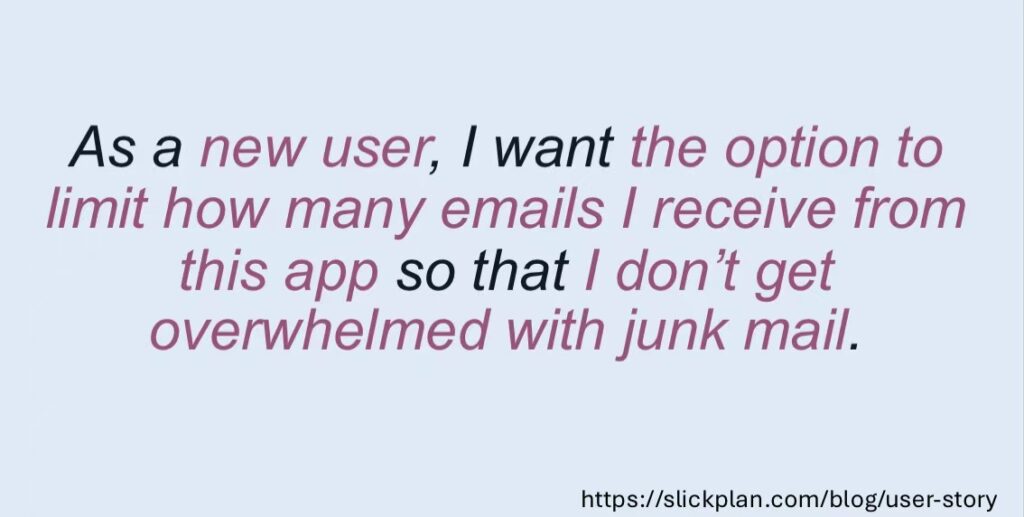
In class, the discussion on user stories emphasised designing from the player’s perspective rather than from isolated mechanics.
Reflection & Learning
Reflecting on this, I considered how environmental design should support player motivation. For example, habitat diversity should not only serve aesthetic variety, but also create meaningful exploration incentives and resource-based progression.
The session also introduced structured sprint planning, encouraging tasks to be broken down into manageable units. I applied this by organising my research into clearly defined components that could be realistically developed and passed on within one week.
This week’s research and categorization process has made me realise that world design is not simply about creating environmental content, but requires consideration of how the environment supports gameplay systems, team production, and the player’s overall experience. Compared to the more abstract approach to worldbuilding I took earlier on, I am gradually shifting towards a more production-oriented design approach.
Leave a Reply